

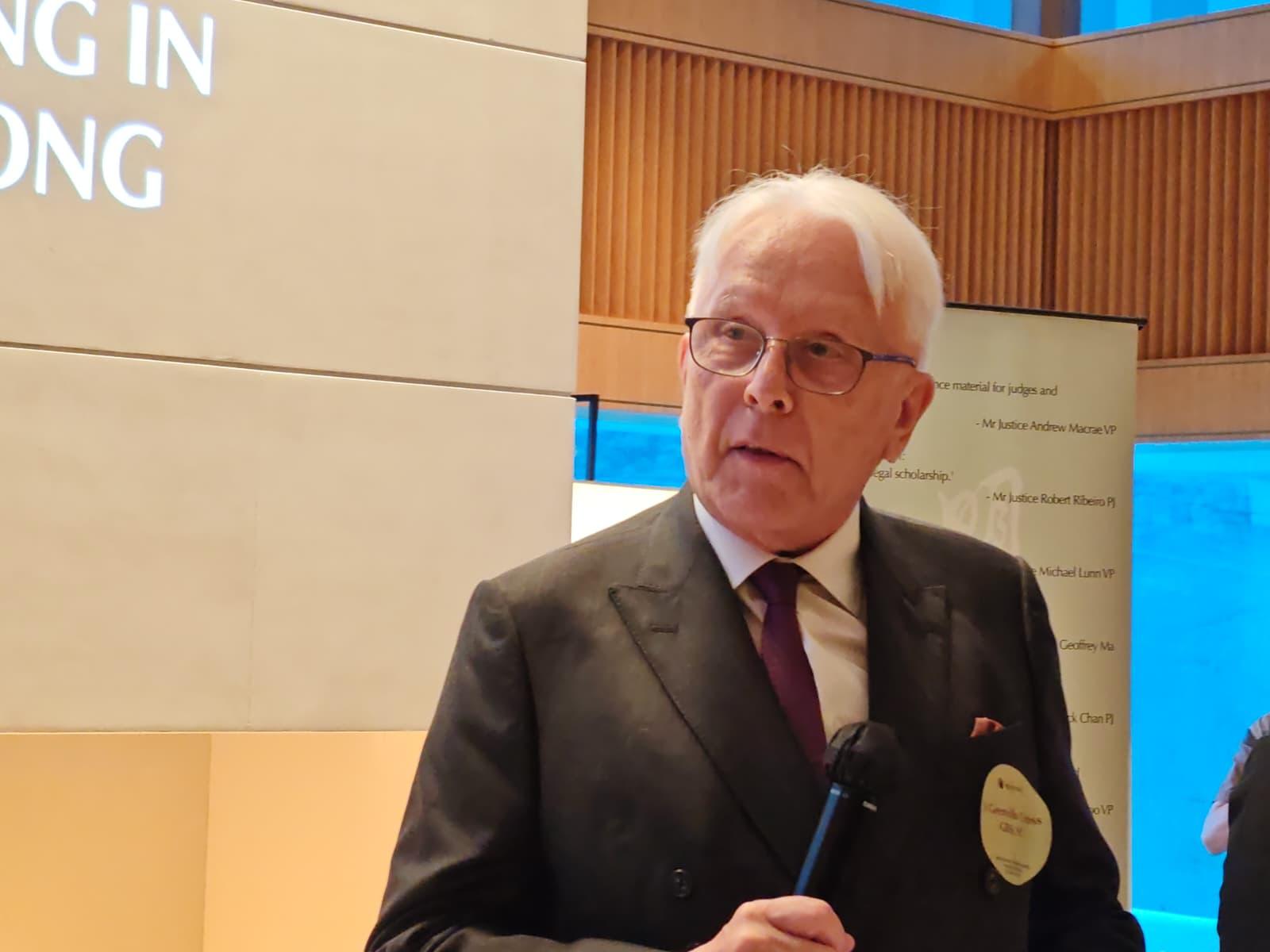
The 12th edition of Sentencing in Hong Kong, a key legal reference work compiled by former director of Public Prosecutions Grenville Cross and barrister Patrick WS Cheung, was launched on Tuesday.
The indispensable reference book includes details of the verdicts of recent national security-related crimes.
Deputy Secretary for Justice Horace Cheung Kwok-kwan officiated at the launch ceremony. The latest edition introduces updated sentencing guidelines for drug trafficking offenses, including cases involving cocaine, heroin, and methamphetamine, as well as new provisions addressing national security-related crimes.
Speaking at the event, Cross recalled the origins of the book and underscored the importance of a locally developed sentencing reference. He noted that when he first arrived in Hong Kong, there was no comprehensive local text on sentencing, a gap that became increasingly unsatisfactory over time.
“As the years passed, it became clear that Hong Kong needed its own authoritative work on sentencing,” he said, adding that the extensive body of local case law accumulated over the years has fully justified the need for such a reference.
ALSO READ: Cross: National security remains a work in progress
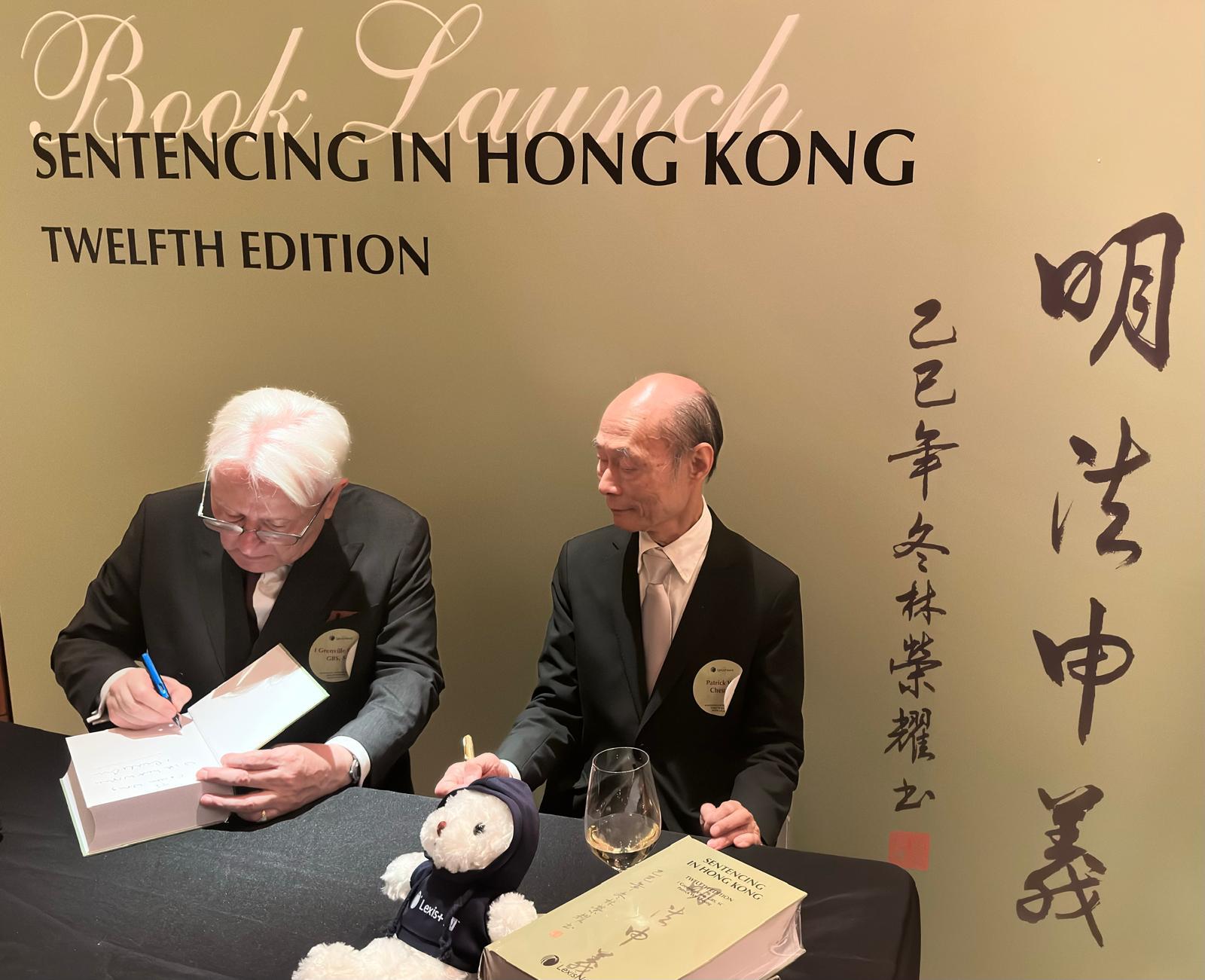
Cross said he found it “very gratifying” to continue contributing to the development of the jurisdiction’s legal system. He noted that the first edition was published in 1994.
“This remains the only book on the subject, and it is widely used by the legal profession, including judges, practitioners and academics,” Cross said. “It is a vivid demonstration to foreign critics that the common law system is alive and well in the Hong Kong Special Administrative Region, with its sentencing principles and practices aligned with those of the wider common law world.
“It is a big responsibility, but I relish the challenge of keeping everybody updated,” said Cross, a senior counsel and law professor.
Cross emphasized that sentencing is a dynamic process that evolves alongside legal and social developments. The new edition reflects numerous changes since the previous version, including revised approaches to aggravating and mitigating factors, updated methods for calculating sentences across various offenses, and expanded coverage of national security crimes.
“Sentencing is not static. It is an issue that affects the whole of society, and everyone should take an interest in it,” he said.
For his part, Cheung highlighted the critical role of sentencing in maintaining public confidence in the fairness of the criminal justice system. He stressed that sentencing is “far more than a technical exercise of calculating penalties”, and described Sentencing in Hong Kong as an indispensable guide for legal practitioners.
Jeremy Poon, chief judge of the High Court, said the book has significantly eased the work of legal professionals.
“It is more than an ordinary reference book. It provides a rigorous, comprehensive account of the law and expounds sentencing principles with exemplary clarity,” he said.
