

CPC medical teams in Madagascar save lives, build bonds with local villagers over 50 years
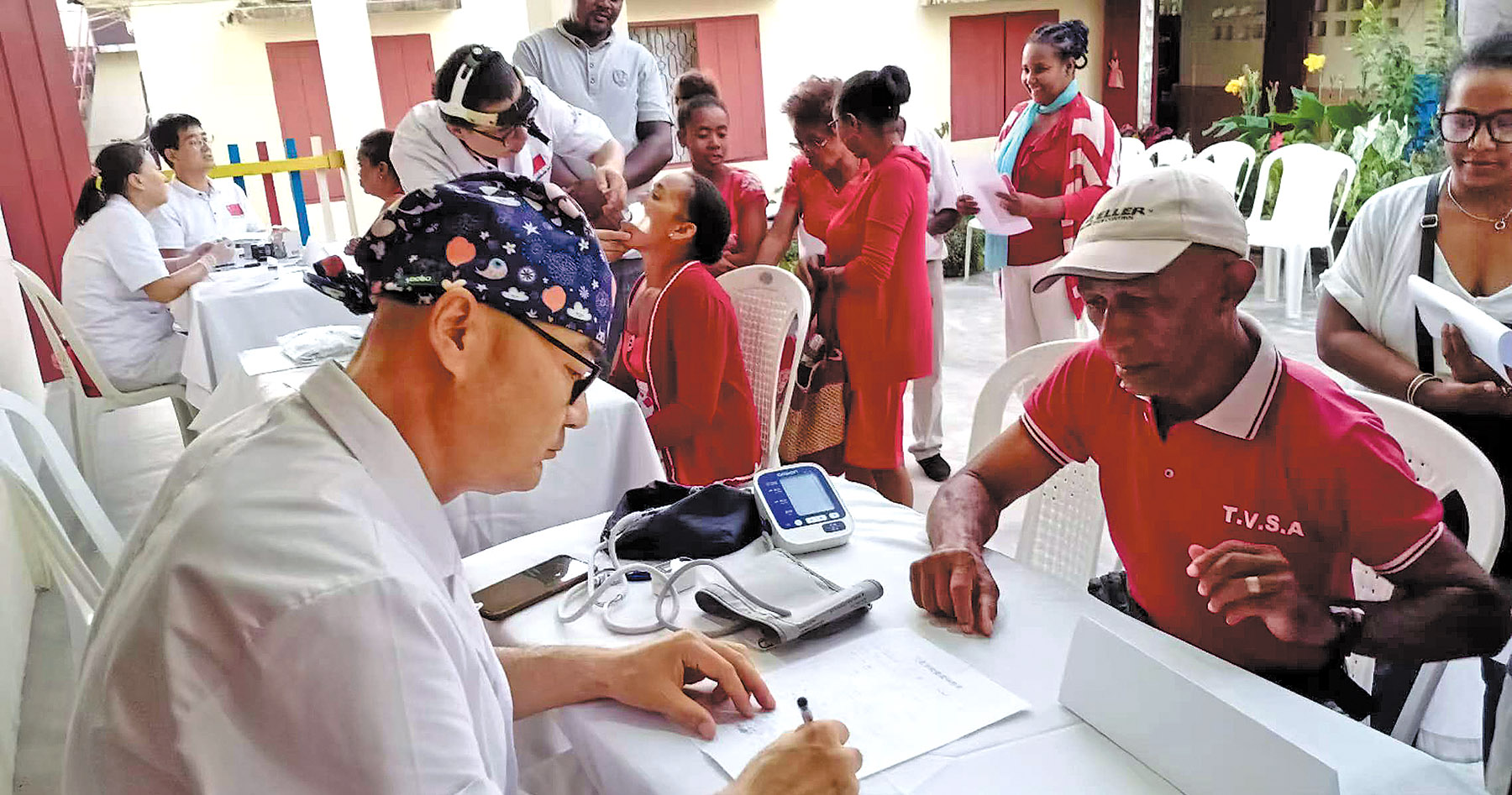
Years after their missions were completed, many Chinese medical doctors still remember their patients in Madagascar, an island country off the southeastern coast of Africa.
Similarly, many Malagasy patients will be forever grateful to the visiting doctors who helped change their lives.
During his first mission to Madagascar in 2010, Qiang Yaosheng, a surgeon from the First Hospital of Lanzhou University in Gansu province, treated a 13-year-old girl suffering from severe intestinal obstruction. Her family could not afford the surgical supplies needed for the emergency operation, so Qiang used his own savings to ensure the surgery proceeded.
Two years later, shortly before completing his mission, Qiang was walking along a rural road when a young woman suddenly recognized him. “Thank you, Chinese doctor!” she called out.
Qiang soon realized it was the girl he had treated.
For Chinese medical workers in Madagascar, the phrase “Thank you, Chinese doctor” has come to reflect decades of trust built through medical care and personal connections.
He Fengxiao, a cardiac surgeon at Lanzhou University Second Hospital, joined a medical mission to Madagascar in 2023, and experienced a similar sense of trust that extended beyond the hospital setting.
“People knew we came there to save lives. We treated many complicated conditions and helped many locals recover,” he said. “When we walked outside, local residents were very friendly and greeted us from a distance.”
That trusting relationship has been built patiently over more than half a century.
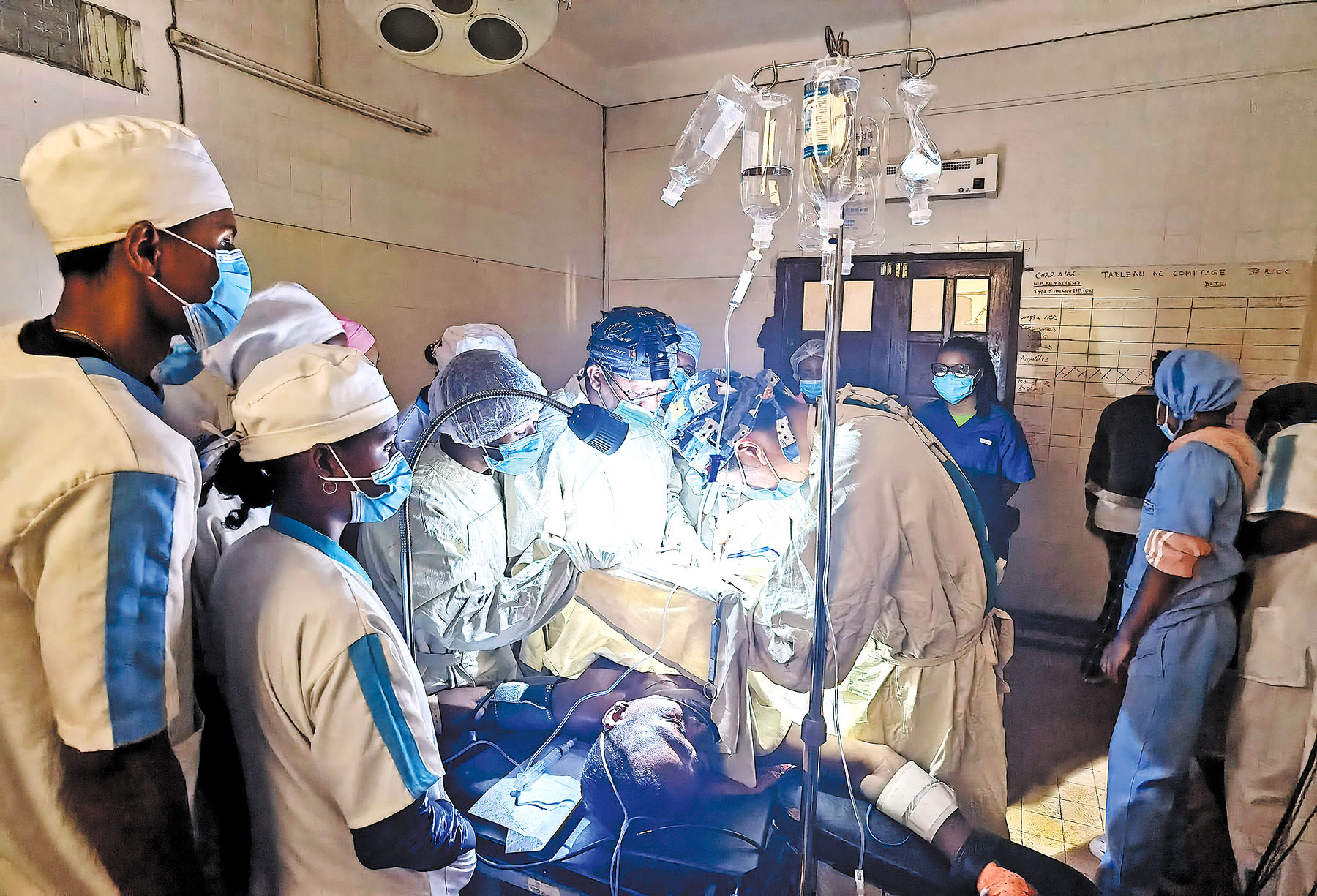
Since 1975, a total of 24 medical teams from Gansu have served in Madagascar, with personnel making 725 visits, some multiple times. The teams have treated 5 million patients and performed over 130,000 surgeries, according to the Gansu Health Commission.
This effort is part of China’s broader medical cooperation program. In December 1962, following a global appeal from the newly independent Republic of Algeria for emergency medical assistance, the Communist Party of China was the first to respond and sent its first international medical aid team the next year.
Over the past six decades, more than 30,000 visits by Chinese medical workers to 76 countries and regions have been made, providing care for nearly 300 million patient visits and supporting over 130 medical facilities, according to China’s National Health Commission.
When the first Chinese medical team from Gansu arrived in Madagascar in 1975, one of the biggest challenges was not treating diseases, but gaining the trust of local patients.
At the beginning, few people came to seek treatment. For more than 10 days, Chinese doctors looked for ways to connect with the local community.
Tang Shicheng, former deputy director of Gansu Provincial Hospital of Traditional Chinese Medicine, decided to begin with acupuncture, a traditional Chinese medicine treatment he was familiar with.
He demonstrated it on himself, inserting needles into his own leg.
Curious locals asked whether it hurt. Tang said “no” and invited them to try acupuncture. “After that, patients gradually began to come in, and queues soon formed across departments. That was how our work began,” he recalled.
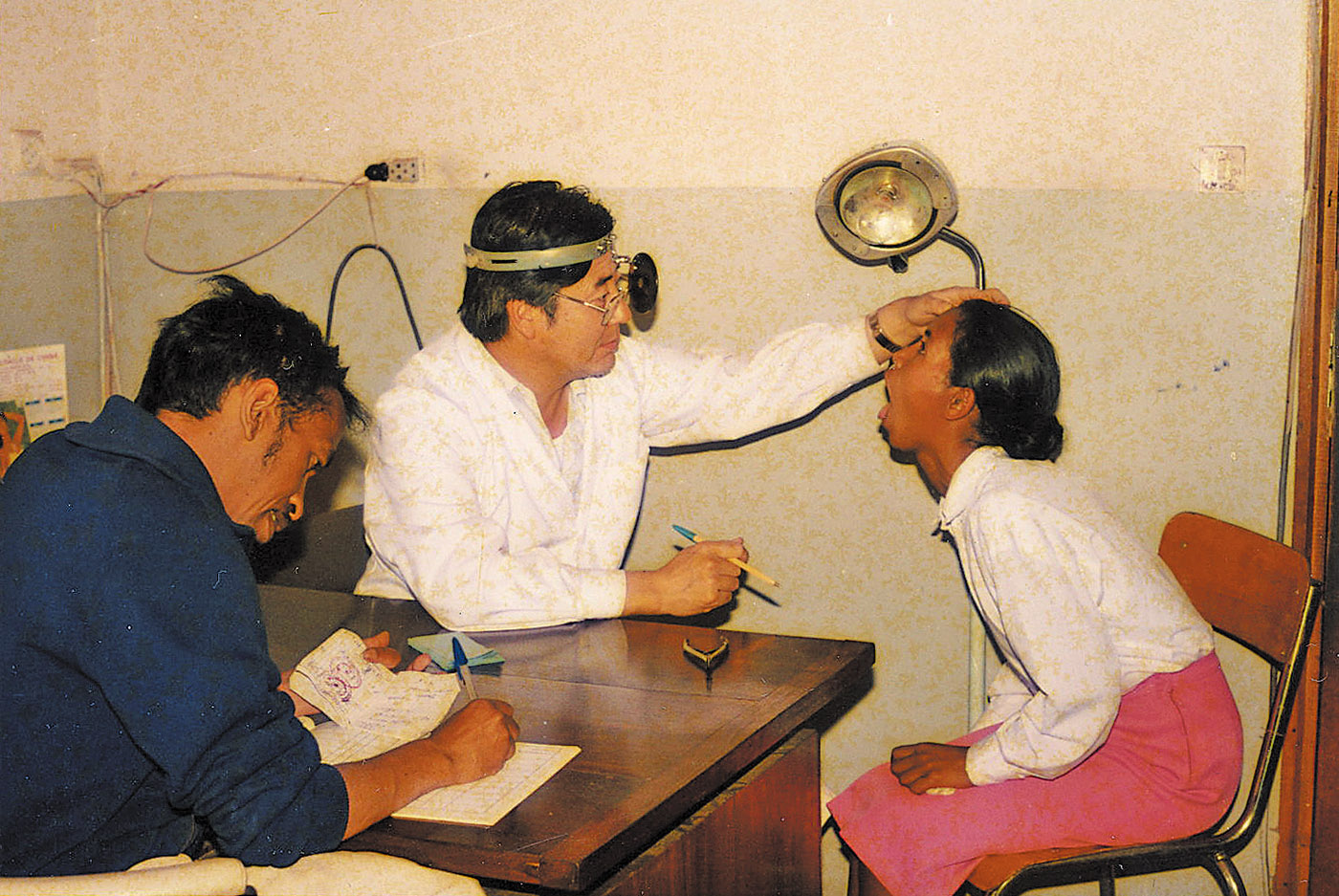
Wang Jiaqi, former deputy director of Gansu Provincial People’s Hospital, said trust was already established during his mission in the 1990s. Wang said a former Madagascar ambassador to China regularly turned to the Chinese medical team for treatment, though he had many doctors in his own family. “He told us that what impressed him most was the dedication of Chinese doctors, their careful treatment of Malagasy patients and their willingness to serve the people here,” he said.
Qiang treated a complex case involving a large thyroid tumor. To reduce surgical risks, his team carefully optimized every step, from preparation for surgery and anesthesia planning to incision design.
“After the surgery was successful, word quickly spread,” Qiang said. “Relatives of a Malagasy official even reached out through overseas Chinese networks to seek treatment from us. That kind of word-of-mouth recognition is the strongest confirmation of our clinical work.”
Over time, Chinese doctors became a familiar presence not only in hospitals but also in the broader community. Overseas Chinese and employees of Chinese enterprises in Madagascar regularly sought their help, while patients from neighboring island countries such as Comoros and Mauritius even traveled by boat for treatment.
When the first Chinese medical team arrived in Madagascar in 1975, the local medical environment was vastly different from what they had experienced at home.
Hospitals often faced shortages of equipment and supplies, forcing doctors to make difficult decisions in restricted conditions.
Even today, many regional hospitals continue to deal with limited equipment, shortages of supplies and unstable power. For doctors, an operation might involve unexpected challenges.
“There were even flies during surgery,” said Wang Jianhua from Gansu Provincial People’s Hospital, who served in Madagascar for four years from 2018. “We had to improvise. We could not stop, because the patient would die.”
In rural areas, the pressure was even greater. A single doctor could be responsible for tens of thousands of residents, Qiang said.
For many Chinese doctors, improving local healthcare started with solving problems they encountered every day.
He Fengxiao recalled that some surgical procedures in Madagascar were delayed because patients’ families needed to purchase basic supplies such as gauze and sutures.
“For some families, these materials were a heavy financial burden. They had to borrow money, which could affect the progress of surgery,” He said.
To address this, Chinese medical teams prepared emergency kits containing commonly used surgical materials to ensure urgent procedures could proceed.
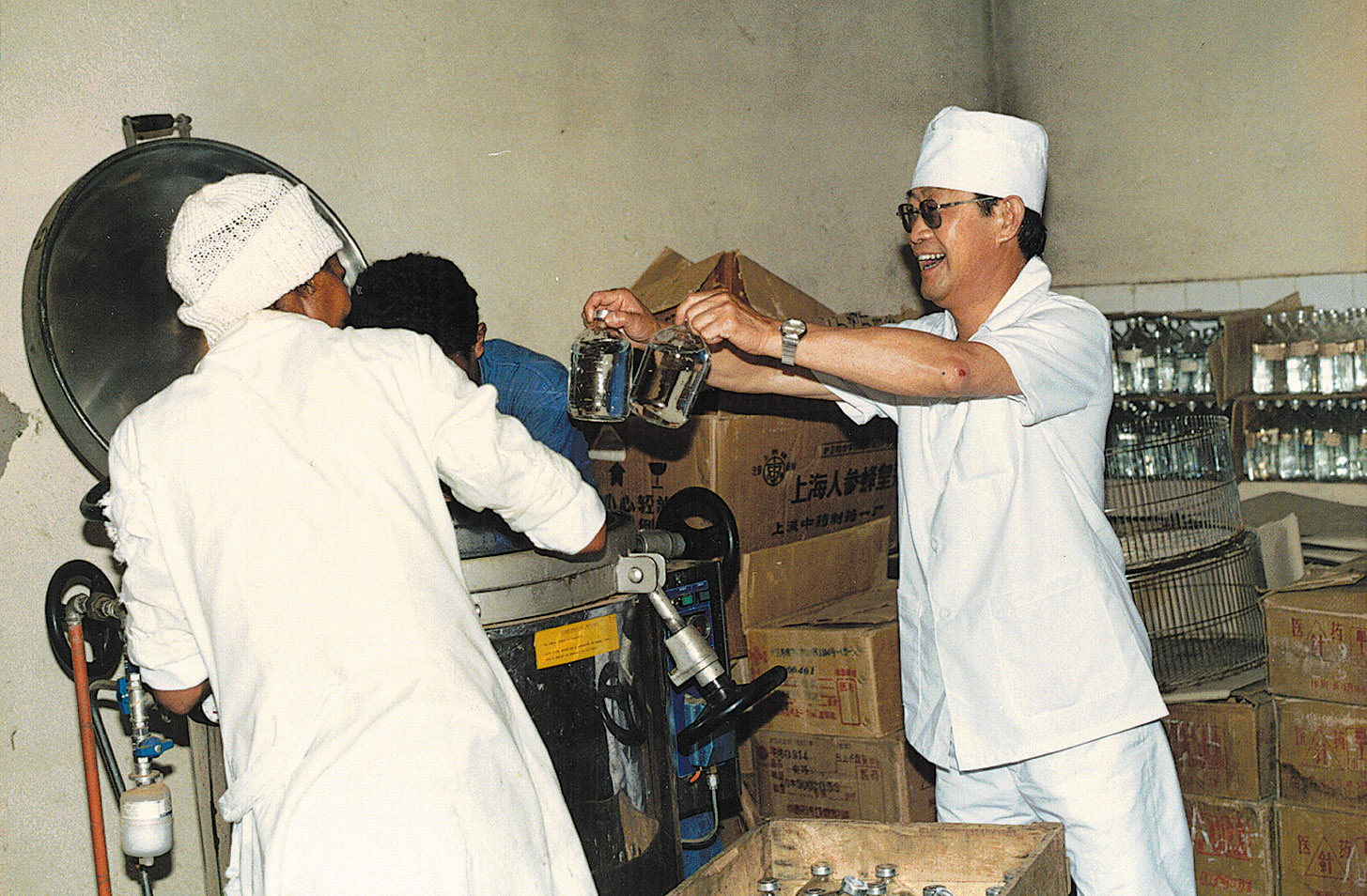
Since 1975, Chinese medical teams have continued to provide medical supplies and equipment, either purchased by the teams themselves or donated from within China. Support gradually expanded from basic surgical instruments and medicines to advanced equipment such as digital X-ray machines and CT scanners.
In recent years, that support has included advanced diagnostic equipment. A digital radiography system, donated with support from the First Hospital of Lanzhou University, was put into operation in 2026 at the University Hospital Center of Anosiala in Ambohidratrimo, Madagascar, improving imaging diagnosis.
Chinese medical teams have also continued to train local doctors, introduce standardized procedures and help build a more sustainable healthcare system.
He Fengxiao said thoracic surgery was once limited by shortages of equipment and lack of standardized procedures. In some chest trauma cases, local doctors had to rely on improvised containers instead of proper negative-pressure drainage systems, posing safety risks.
Chinese doctors helped introduce medical instruments to local doctors, demonstrate standardized procedures, and train local teams through case discussions and surgical guidance.
“Medical cooperation is not only about treating patients, but also about helping local doctors develop the ability to handle more complex cases independently,” He said.
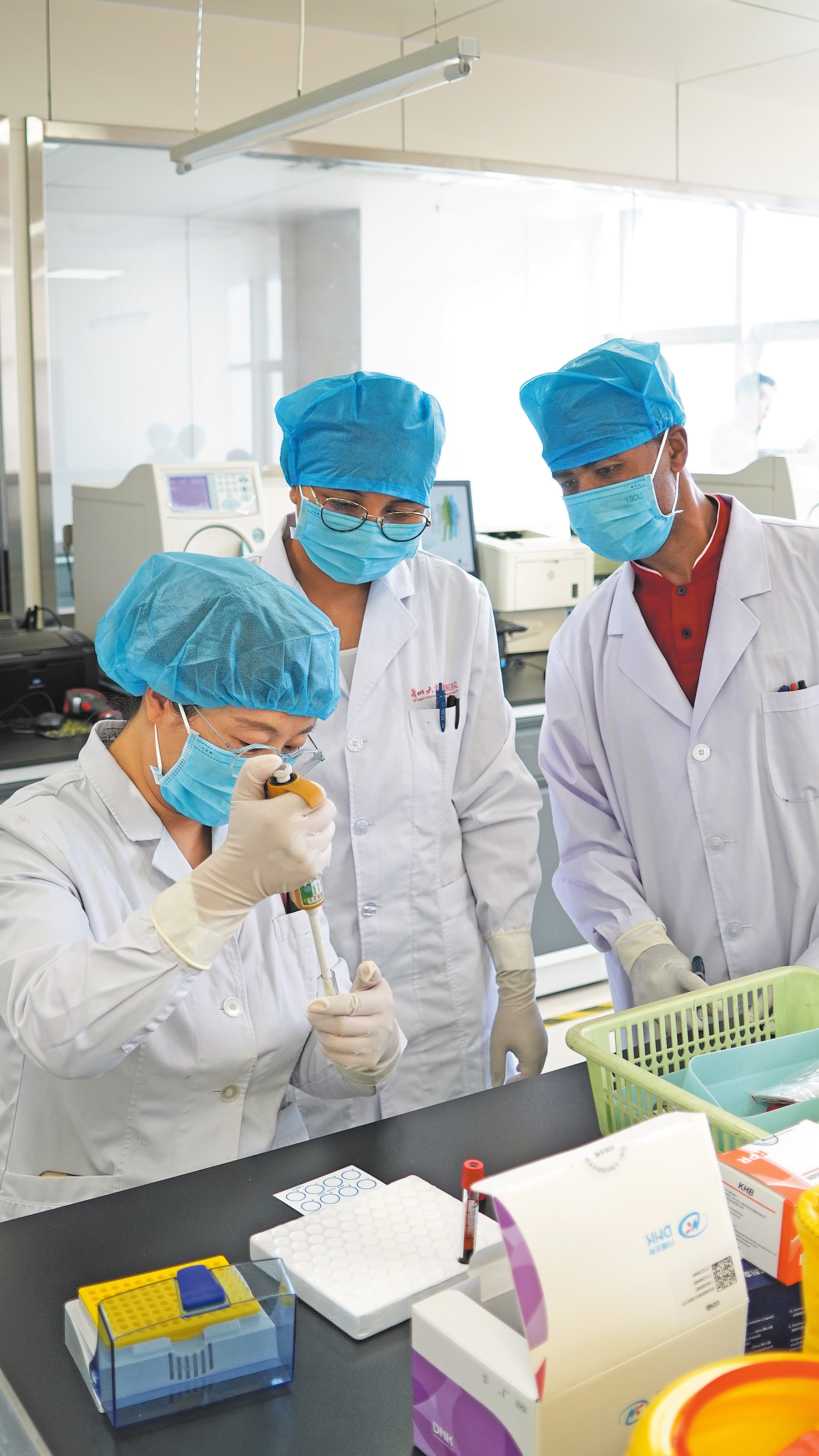
In the respiratory and critical care ward of the First Hospital of Lanzhou University, Malagasy physician Rabeson Tahiana follows Chinese doctors during routine rounds.
Moving from bed to bed, they discuss patients’ conditions, sometimes using AI translation tools to bridge gaps in language and medical terminology.
Tahiana and four other doctors from the University Hospital Center of Anosiala, Madagascar, are currently participating in a six-month training program at the hospital. They observe clinical practices, participate in daily medical work and learn from Chinese doctors across different specialties.
“The Chinese doctors are highly skilled and well organized,” Tahiana said.
The program provides access to advanced respiratory technologies, including bronchoscopy and pulmonary function testing.
For Chinese doctors, the goal of training is to support the development of a self-sustaining local medical workforce.
“China’s medical technology is developing rapidly. Coming here allows doctors to learn new knowledge and methods. We share our experience without reservation,” Wang Jianhua from Gansu Provincial People’s Hospital said.
Earlier this year, China launched an initiative of “100 Medical Teams in 1,000 Villages”, setting a goal of conducting more free clinics and medical consultations in about 1,000 residential areas of host countries by 2027.
A Chinese medical team from Shandong province has been working in Tanzania on health education and free consultation activities related to schistosomiasis. They also visit schools and local orphanages to treat children and donate medicines, earning widespread praise from the locals.
The Zambian government on June 26 commended the 26th Chinese medical team from Henan province for its contribution to improving healthcare delivery in the country.
Yang Mingze, Wu Yuexuan and Tong Yunshan contributed to this story.
Contact the writers at huyumeng@chinadaily.com.cn
