

Experts call for Brussels to quit its 'de-risking' plan, increase dialogue
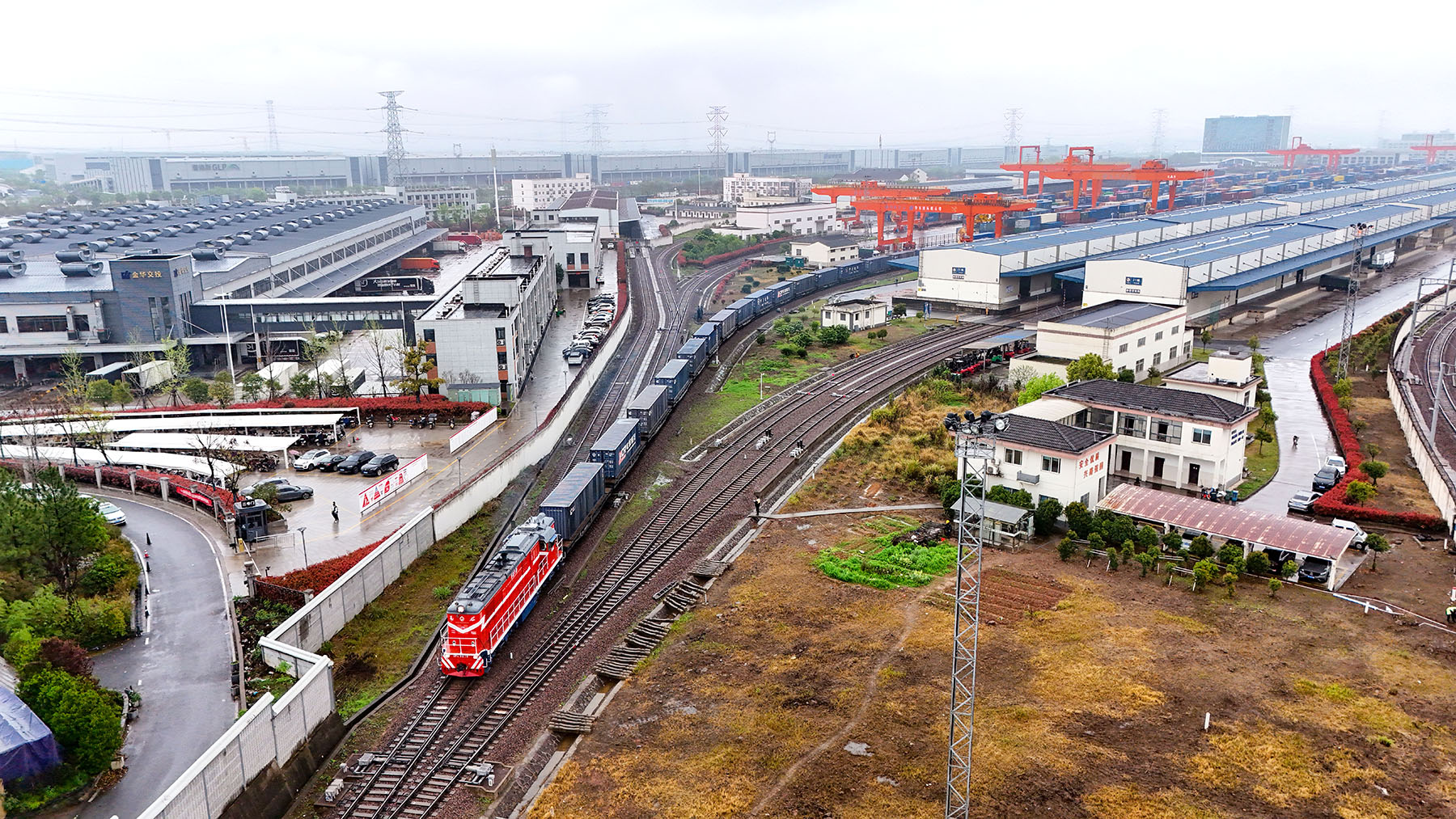
As trade tensions between China and the European Union show signs of escalating, economists and executives are calling on Brussels to abandon its "de-risking" strategy, strengthen dialogue with Beijing and enhance its competitiveness and supply chain resilience through deeper cooperation — a move they say would provide much-needed certainty for the global economy.
The call comes after Brussels, since the start of the year, has been expanding its trade defense arsenal, unveiling a series of restrictive measures targeting Chinese enterprises and products.
Most recently, its push to force EU companies to diversify suppliers under the bloc's proposed revision of the Cybersecurity Act is piling on yet more investment barriers and institutional discrimination, with China bearing the brunt.
READ MORE: EU's stance clouds China-EU trade talk prospects
"China-EU economic and trade cooperation stems from shared interests, and its essence is the result of comparative advantages and market competition," said Wang Xuekun, head of the Chinese Academy of International Trade and Economic Cooperation.
"Complementarity is not a risk, and the integration of interests is not a threat," Wang added, stressing that the EU's push to force companies to diversify supply chains in the name of reducing "excessive dependency" on China is nothing more than protectionism dressed in new language.
A joint report by the China Chamber of Commerce to the EU and KPMG in May estimated that the forced replacement of Chinese suppliers could cost the EU nearly 367.8 billion euros ($417.9 billion) over five years, with Germany bearing the heaviest burden at 170.8 billion euros.
The report noted the mandatory replacement of Chinese suppliers as "unlikely to achieve meaningful security gains". Instead, it warned of systemic negative effects: innovation budgets could be crowded out, fiscal burdens on member states increased, and household incomes eroded.
"Protectionism is unlikely to address the competitiveness challenges facing the EU," said Sun Yawen, an assistant research fellow at the Institute of European Studies, Chinese Academy of Social Sciences.
Sun noted the core issues of its declining competitiveness lie in deep-seated structural challenges, including its fragile energy system, high labor costs, rigid and cumbersome regulatory frameworks, and difficulties in coordination among member states.
"The EU's increasingly closed internal market is hindering its ability to learn from and absorb cutting-edge technologies, thereby constraining potential pathways for industrial catch-up," Sun said.
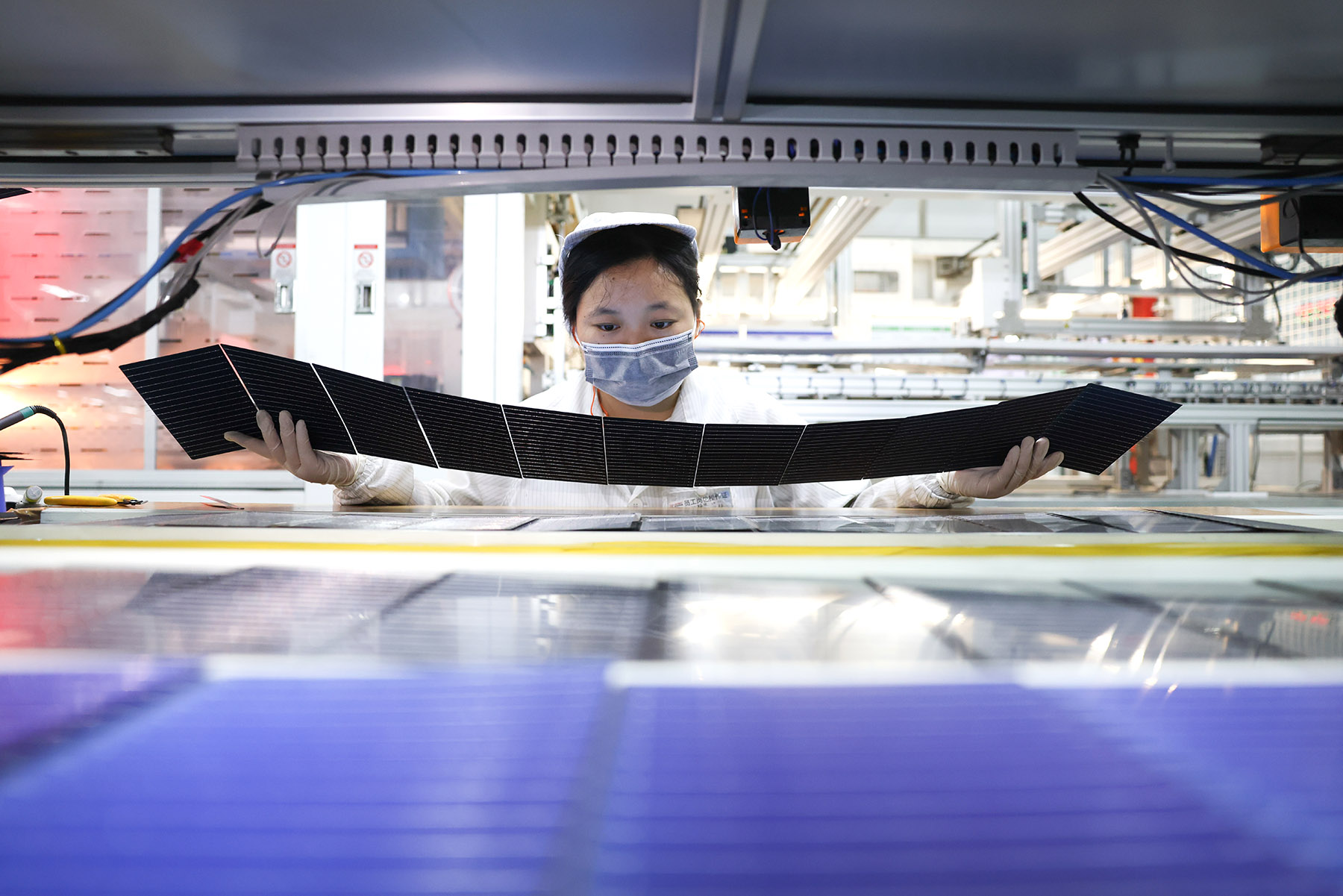
Meanwhile, the continuous escalation of protectionist measures is unlikely to stimulate innovation among EU companies, trapping the EU in a vicious cycle where more protection leads to falling further behind, Sun added.
Despite Brussels' persistent "de-risking" rhetoric, many EU companies across different sectors are choosing to deepen their presence in China, expanding their businesses, as shown by industry data.
A recent survey by the EU Chamber of Commerce in China showed that EU companies are doubling down on manufacturing in China, with 75 percent of respondents describing their China-based production as more efficient than operations elsewhere.
Meanwhile, China, according to the report, has a dynamic research and development ecosystem and is highly competitive, and 48 percent of respondents say Chinese firms in their industry are more innovative than their EU counterparts, compared with just 24 percent who favor EU firms.
"What is now shaping China's development is the shift toward new quality productive forces," said Raquel Ramirez Alexander, vice-president of the European Union Chamber of Commerce in China.
The transition, she said, marks a departure from growth driven primarily by scale and investment, and a move toward a model increasingly defined by technology, productivity, digitalization, sustainability and advanced manufacturing.
In response to the growing friction, Beijing and Brussels have taken steps to keep channels open. On June 9, Chinese Vice-Minister of Commerce Ling Ji met with Ditte Juul Jorgensen, director-general of the European Commission for trade and economic security, at the EU headquarters.
During the meeting in Brussels, the EU side stated that "a trade war is not the EU's policy objective toward China" and that it maintains a positive attitude toward constructive dialogue, commerce ministry spokesperson He Yadong told a regular press conference in mid-June.
The two sides held an "in-depth and comprehensive" discussion on preparations for the China-EU trade and investment consultation mechanism, laying the groundwork for upcoming ministerial-level consultations, He said.
China is willing to work with the EU to manage differences through dialogue and consultation, properly handle frictions, promote practical cooperation and advance the sound and steady development of bilateral economic and trade relations, He added.
Senior Chinese and EU officials are reportedly to hold the first meeting of the China-EU trade and investment consultation mechanism in Brussels later this month, a session that analysts say offers a critical opportunity to manage differences through dialogue and stabilize a bilateral economic relationship under mounting strain.
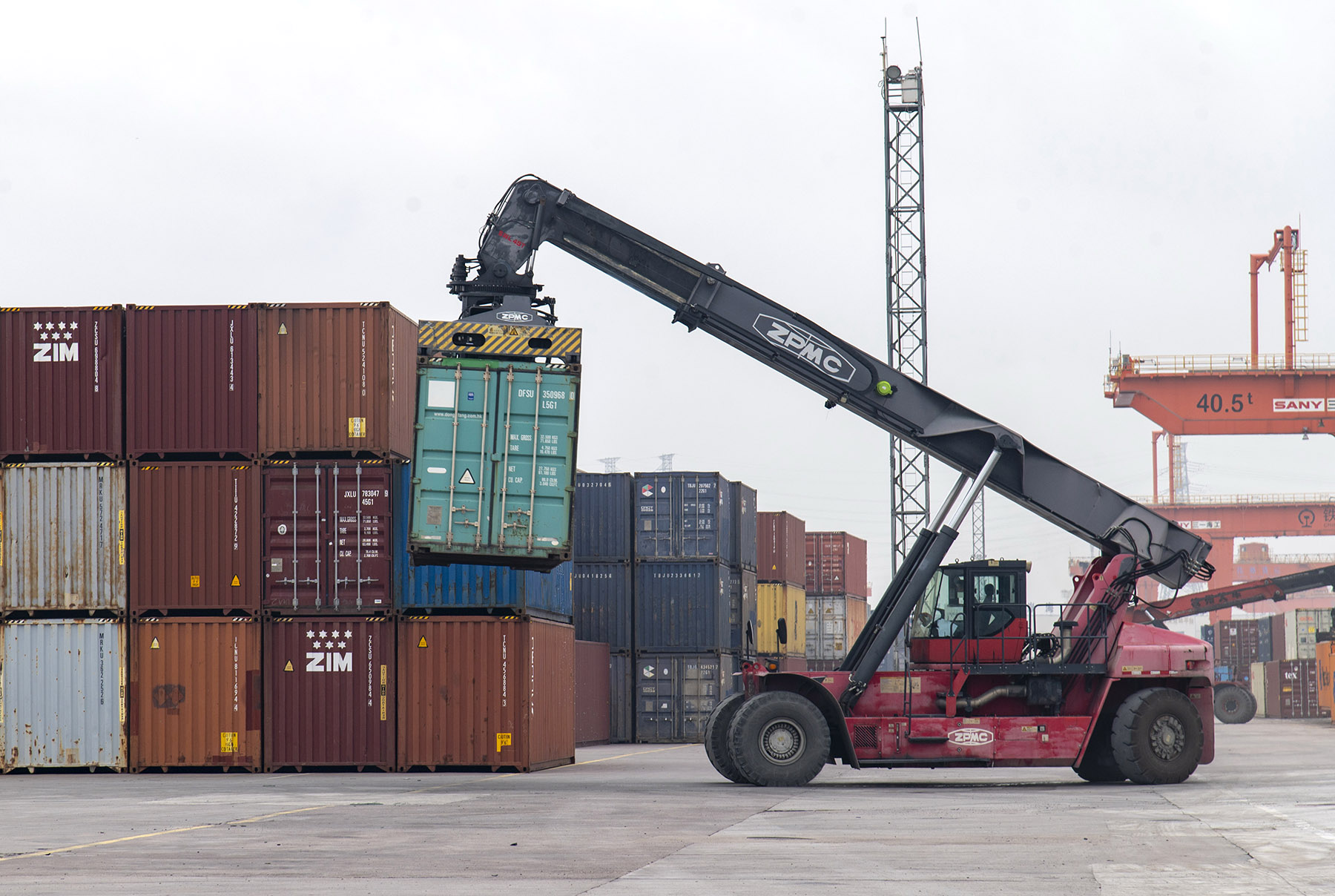
China and the EU are each other's second-largest trading partners, with two-way goods trade exceeding $800 billion last year.
China recorded a $48.3 billion deficit in services trade with the EU in 2025, with the bloc emerging as the largest source of China's services trade deficit, accounting for 41.6 percent of the total.
On June 7, the Ministry of Commerce launched its first overseas event under the "Big Market for All: Export to China" initiative in Belarus, followed by the EU's inaugural event in Germany on June 11. The events were designed to build bridges for global businesses to expand exports to China and share in the world's second-largest consumer market.
By bringing the campaign to Europe at a moment when Brussels is rolling out a series of protectionist measures, Beijing is making it clear to businesses across the continent and beyond that "regardless of how the global landscape shifts, China's door will only open wider," said Wang, head of the Chinese Academy of International Trade and Economic Cooperation.
"With 100-plus events this year, we are turning 'China opportunities' into actual contracts," Wang said."This is not just a policy statement. It's a practical mechanism with actionable steps, especially for smaller businesses that have struggled to enter the Chinese market on their own."
The EU's "de-risking" approach, if pushed too far, risks unraveling decades of economic integration that has benefited both sides, experts said.
"We need to seek truth from facts," said Ondrej Dostal, a member of the European Parliament. "I see the relationship between the EU and China not as strategic rivalry, but as practical cooperation."
He has advocated for synergizing the Belt and Road Initiative with the EU's Global Gateway project to promote shared prosperity, as well as fostering cooperation in areas such as artificial intelligence, healthcare and green energy.
Experts argue that forced decoupling would be costly and ineffective. Chinese suppliers offer not just lower costs, but scale, technical capability, logistics networks and processing infrastructure that alternatives cannot quickly match.
Cui Fan, a professor of international trade at the University of International Business and Economics in Beijing, said that interdependence is not a one-way dependency, but a web of mutual benefit where both sides have genuine stakes in each other's prosperity.
When Chinese companies invest in Europe, they create jobs, bring technical expertise and support the bloc's green transition, Cui said, adding that when EU firms operate in China, they tap into scale, supply chain depth and a fast-moving innovation ecosystem.
ALSO READ: Sino-EU trade ties benefit from dialogue
"The relationship is not about who needs whom more, but about where the points of convergence lie and how to expand them," Cui said."Both sides can upgrade from a simple 'buy-sell' relationship to deep integration in joint R&D, standard setting and market sharing."
As global economic uncertainty intensifies, China's combination of continuous openness, massive market scale, and innovation capacity is offering multinational companies a predictable and rewarding business climate that increasingly shapes their long-term commitment in the world's second-largest economy, said business leaders.
Ola Kallenius, chairman of the Board of Management of Mercedes-Benz Group AG, noted that "China is a crucial innovation hub, especially in fields of electrification and intelligence. We are accelerating the next level of localization in China, tapping even more into the potential of its unique local ecosystem."
Contact the writers at wangkeju@chinadaily.com.cn
