

A diversity of languages, performance forms and cultural contexts marks the second Hong Kong International Shakespeare Festival. What unites its 10 featured productions though is their unconventional and experimental approach to adapting the Bard’s works. Chitralekha Basu reports.
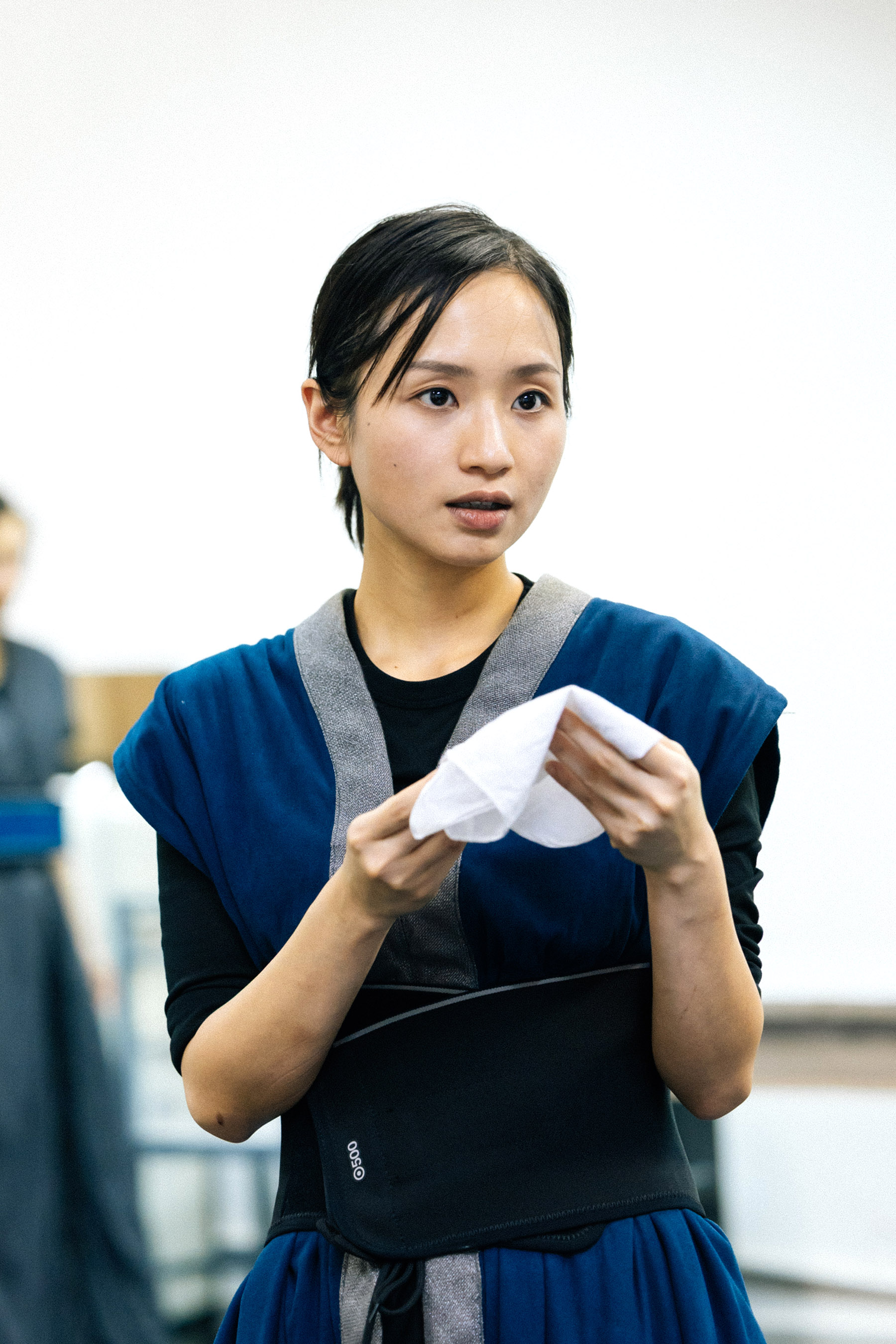
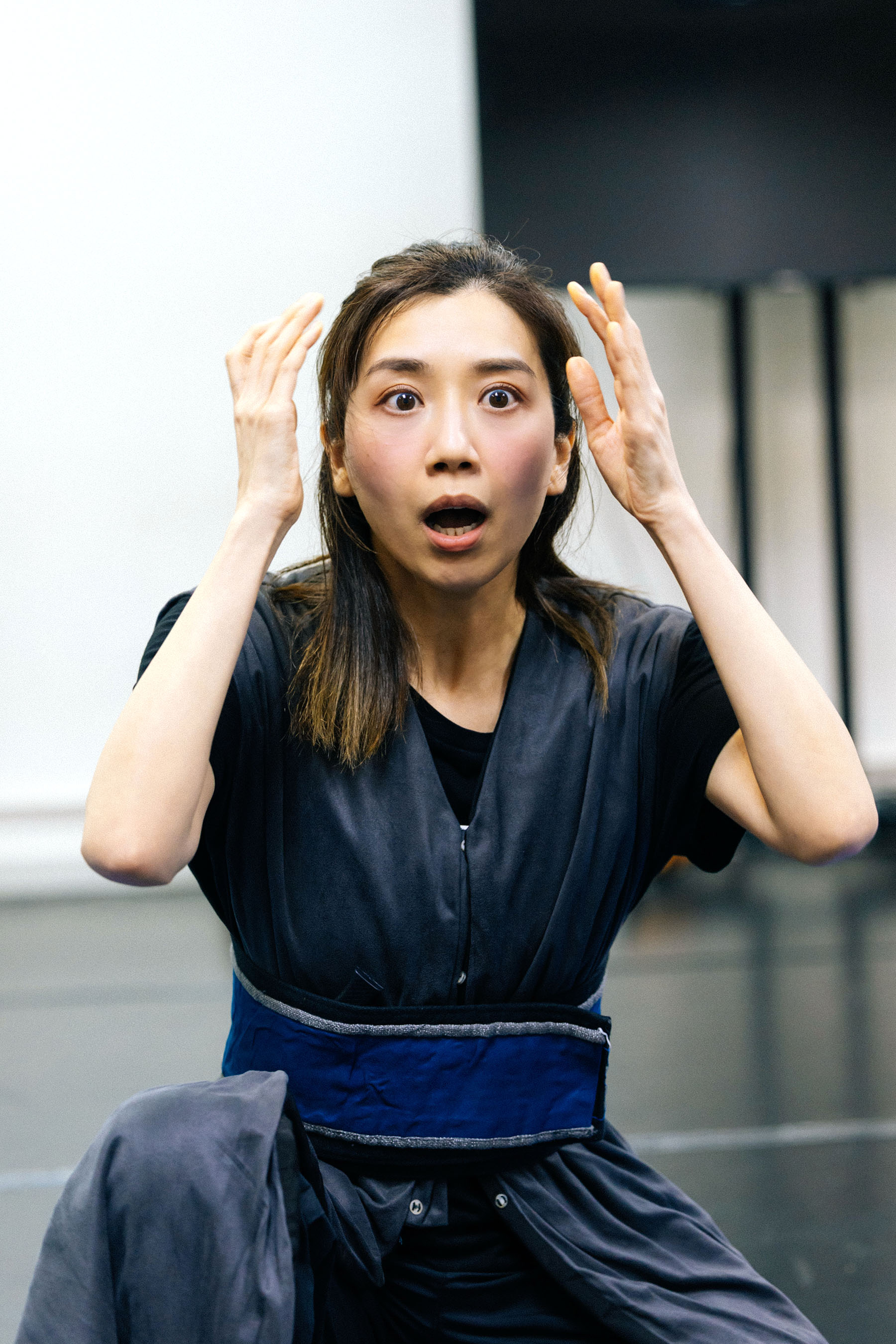
Mandy Wong Chi-man plays Iago in the Tang Shu-wing Theatre Studio-produced Cantonese-language Othello. The production premieres tonight, kicking off the second Hong Kong International Shakespeare Festival (HKISF). If the fans of this much-awarded television star and erstwhile beauty queen need a moment to process the idea of her playing Shakespeare’s most Machiavellian and unconscionably ruthless villain — a male — perhaps that is what director Tang Shu-wing intends.
While gender-blind casting, especially for classic plays, is not that uncommon today, Tang is specifically interested in exploring the idea of gender as a social construct. In Othello, he demonstrates how the societal framing of gender might pan out in real time. “Gender is something I would like to question, transcend, and investigate because the division of gender has a biological as well as a very important social implication,” says the man who had put on King Lear with an all-female cast in 2021, and made the actors playing Macbeth and his lady switch roles after the interval in a production that premiered at the Globe Theatre in London in 2015. “Hence to have a woman actor play Iago is, I think, exciting and challenging. As always, I would like to investigate the unknown, to find out what might happen.”
READ MORE: Homing in on the Bard
The spirit of experiment and adventure, in one form or another, is manifest in the festival’s 10 productions. Diverse as these are, in terms of languages — Polish, Tibetan, Korean and Romanian; and performance forms — object theater, dramatic monologue and dance theater; what binds them together is “that none of these works is a traditional representation of Shakespeare,” says Tang. “The aim of the festival is to introduce modern or contemporary interpretations and adaptations of Shakespeare’s works.”
Moving the scene to East Asia
“Contemporary” does not necessarily imply ditching Elizabethan period costume and settings for their present-day counterparts and alluding to current affairs — though that won’t be hard to do as Shakespeare perennially chimes with our momentous and everyday realities. However, most HKISF-featured productions adopt a less predictable approach. At least two of these are set in a time closer to Shakespeare’s own.
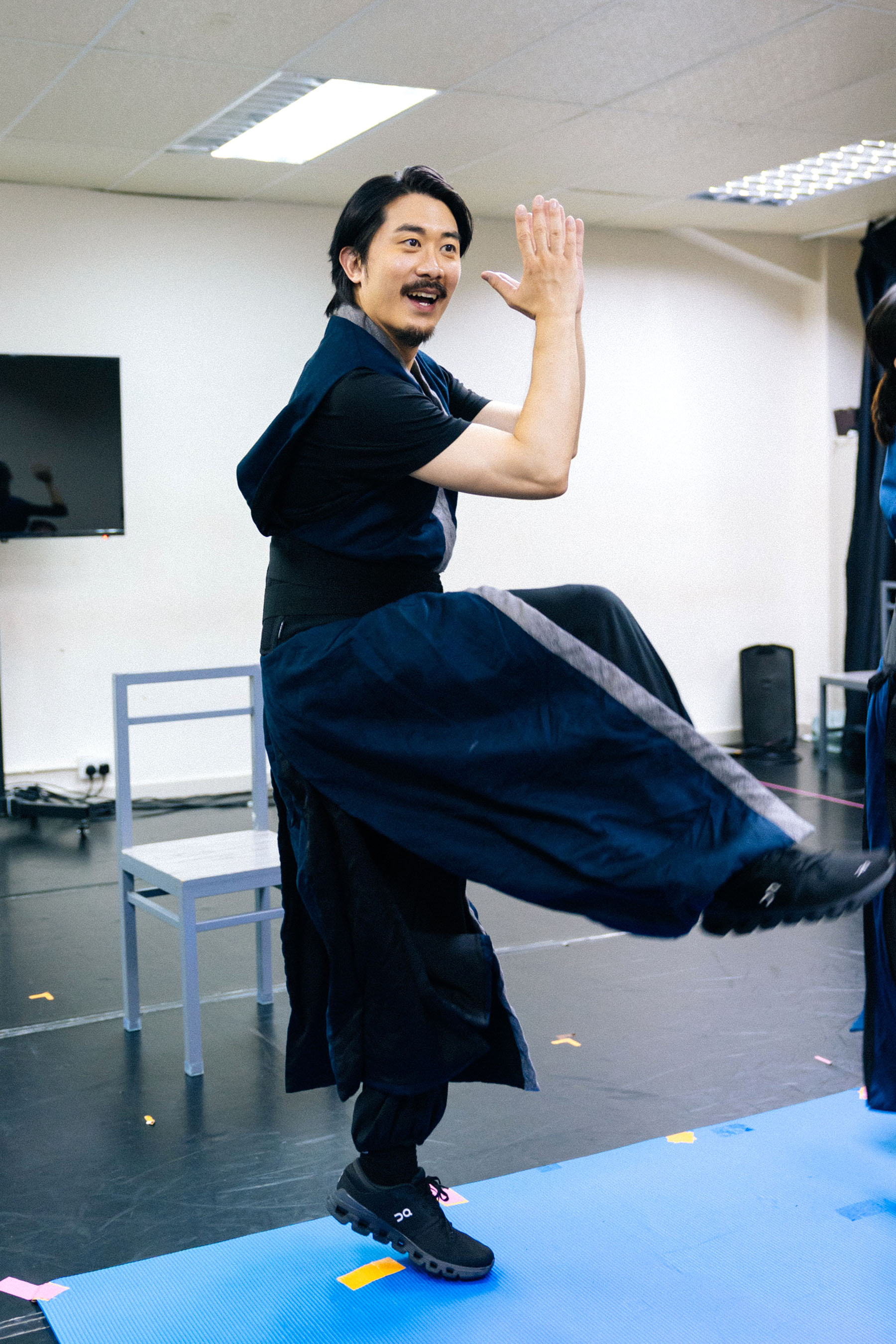
Othello comes with a late Ming Dynasty (1368-1644) backdrop, “almost coinciding with the period during which the play was first staged in London in 1604,” as Tang reminds us. During his research for the production, the director had stumbled on the fact that not unlike the character of Othello — a Moor, possibly of North African origin, who rises to the rank of a general in the Venetian military — “there were black people in the Ming army, they came into the mainland via Macao, following the first Portuguese settlement” in 1557. In other words, China as the locus of the racial tension at the heart of the play, and ultimately leading to its tragic denouement, is a historical possibility.
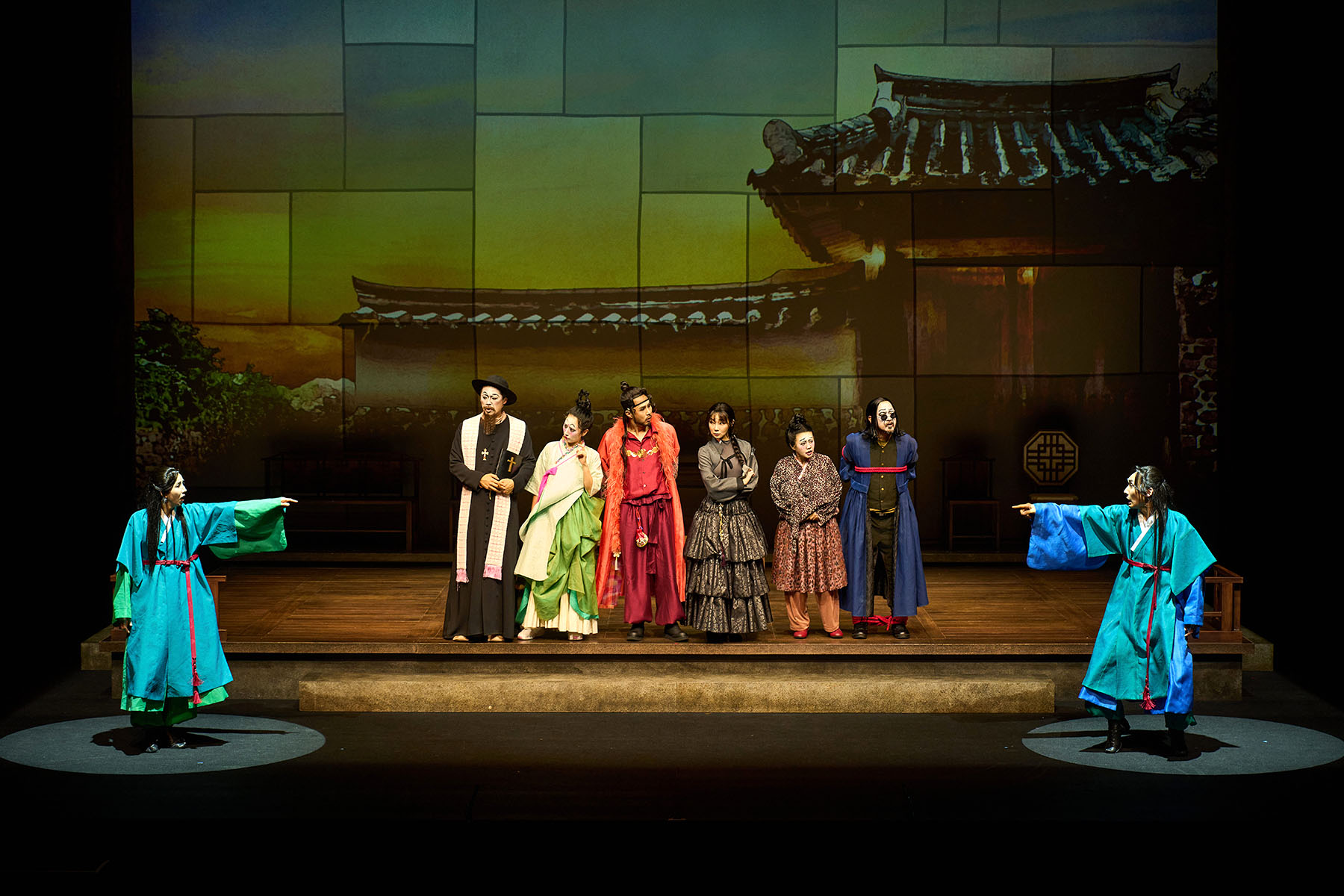
Similarly, the Joseon Dynasty (1392–1910) setting of Twelfth Night, produced by the National Theater Company of Korea, harks back to a time when French missionaries — one of them is shown to officiate at the double wedding in the play — had arrived in the country. “We have tried to integrate elements influenced by the West in a way that feels plausible within the world of the story,” says director Im Do-wan.
Women step out of the shadows
The festival offers a chance to ponder how well Shakespeare’s original material has aged over roughly 400 years. The event’s two women-focused productions — Ophelia. An Object Study, based on material from Hamlet, and The Rape of Lucrece — adapted for the stage from the eponymous narrative poem produced by Anerke Shakespeare from the UK — turn the spotlight on two female characters who get a raw deal in Shakespeare’s original plays. Subjected to mental trauma, unwarranted and abject humiliation, and ultimately made to suffer the most cruel of deaths, the characters get little scope to exercise agency.
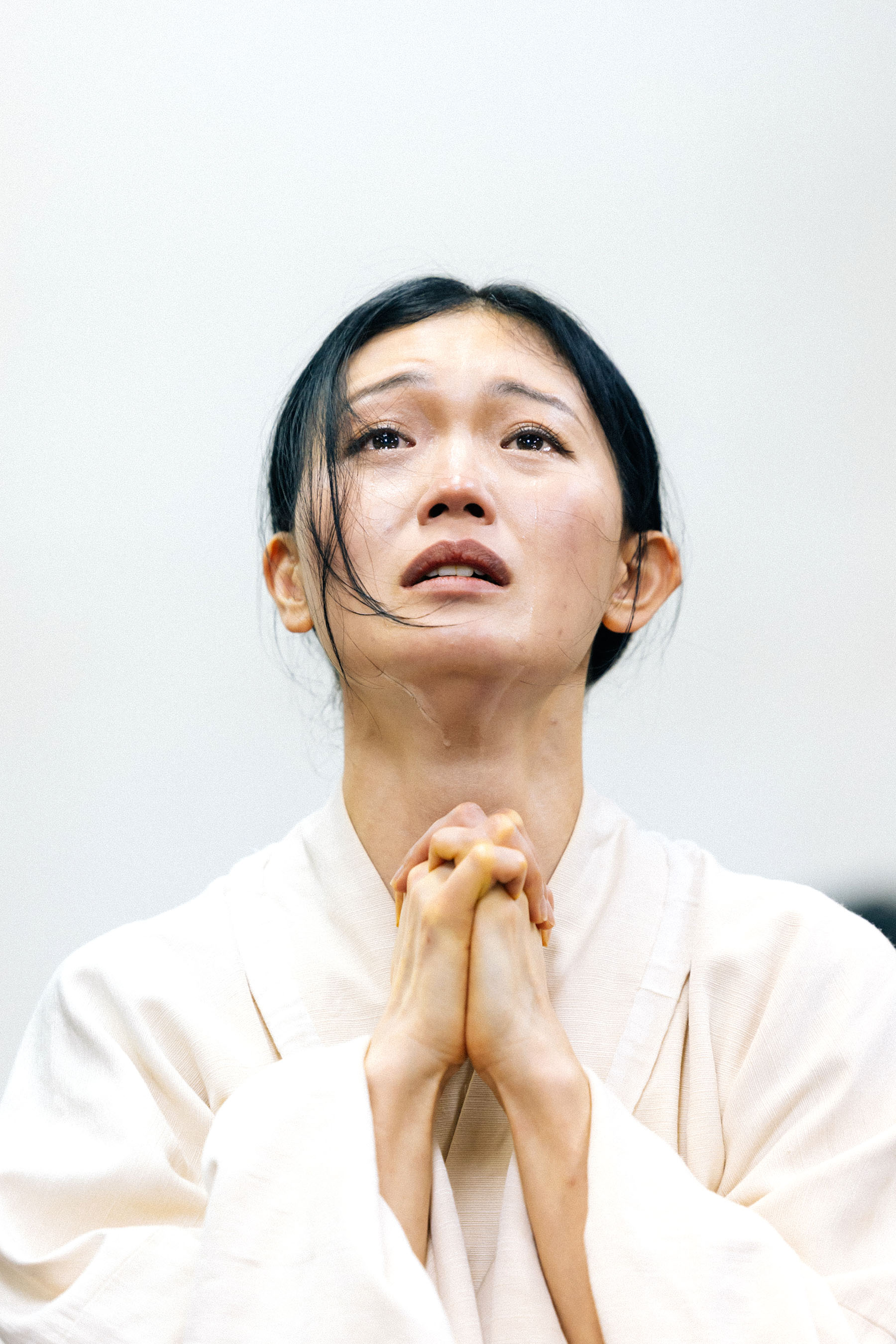
Tang says that The Rape of Lucrece — performed solo by Elena Pellone — “can be seen as a very powerful monologue, with a lot of dramatic images, but also as something very psychological, something that touches on the current sexual imbalance. … The show definitely speaks to a contemporary audience, as instances of violence against women continue to take place,” he says.
He draws attention to the graphic descriptions of desire and the female body in Shakespeare’s poem, suggesting that it might be interesting to compare the outpouring of raw, visceral passion in it with similar content available online today. “The Rape of Lucrece throws light on the ways in which we look at sexual desire today, in a society that is being shaped by technology, and fast.”
Performed by Olena Romanova, and Ewa Kaczmarek — who also directs — Ophelia. An Object Study could serve as an introduction to object theater for many Hong Kong viewers. Scripted and directed by Kaczmarek, the production invites audience members to imagine everyday objects as stage props or characters in the play. “We don’t see much object theater in Hong Kong, though there is a strong presence of the form in many European countries, especially in Eastern Europe,” says Tang. “The experience should be inspiring to our theater practitioners.”
Macbeth’s split personality
Also performing solo is Paul Goodwin in a piece he also scripted and directs. Produced by The Shakespeare Edit from the UK, Macbeth Solo is an hourlong work, approximately a third of its source, Macbeth, in length. Shakespeare wrote a fictionalized version of the history of the 11th-century Scottish monarch, painting him as a corrupt, power-hungry general who rises to the throne by ruthlessly eliminating all possible competition, but is racked by guilt thereafter, which leads to his undoing. Goodwin’s version invites audience members to share Macbeth’s journey — to imagine having access inside the character’s head.
A major challenge for the piece, recited in a single male voice, was to find a way of including Lady Macbeth — the protagonist’s partner in crime — and the three witches, whose prophecies lead Macbeth toward murdering his way into the top job — in the script.
ALSO READ: Boldness be my friend
“If you want to honor Shakespeare’s play, which I always do, you have to find a way of incorporating Lady Macbeth’s voice and her energy, because without her, Macbeth wouldn’t have done what he did and there wouldn’t have been a play,” Goodwin says. His way of working around such a challenge is to present the most compelling and essential bits of the exchanges between Macbeth and Lady Macbeth as an internal dialogue between opposed personality traits present in the same person.
Goodwin draws attention to the volumes of academic, including psychological, research dealing with the idea of Macbeth and Lady Macbeth being two sides of the same character or complementary sides of the same psyche. “What I try to do in this production is to embody Shakespeare’s argument,” he adds. “I try to mine the play for what is there.”
If you go
Hong Kong International Shakespeare Festival
Dates: Through June 21
Various venues
https://tswtheatre.com/
Contact the writer at basu@chinadailyhk.com
