

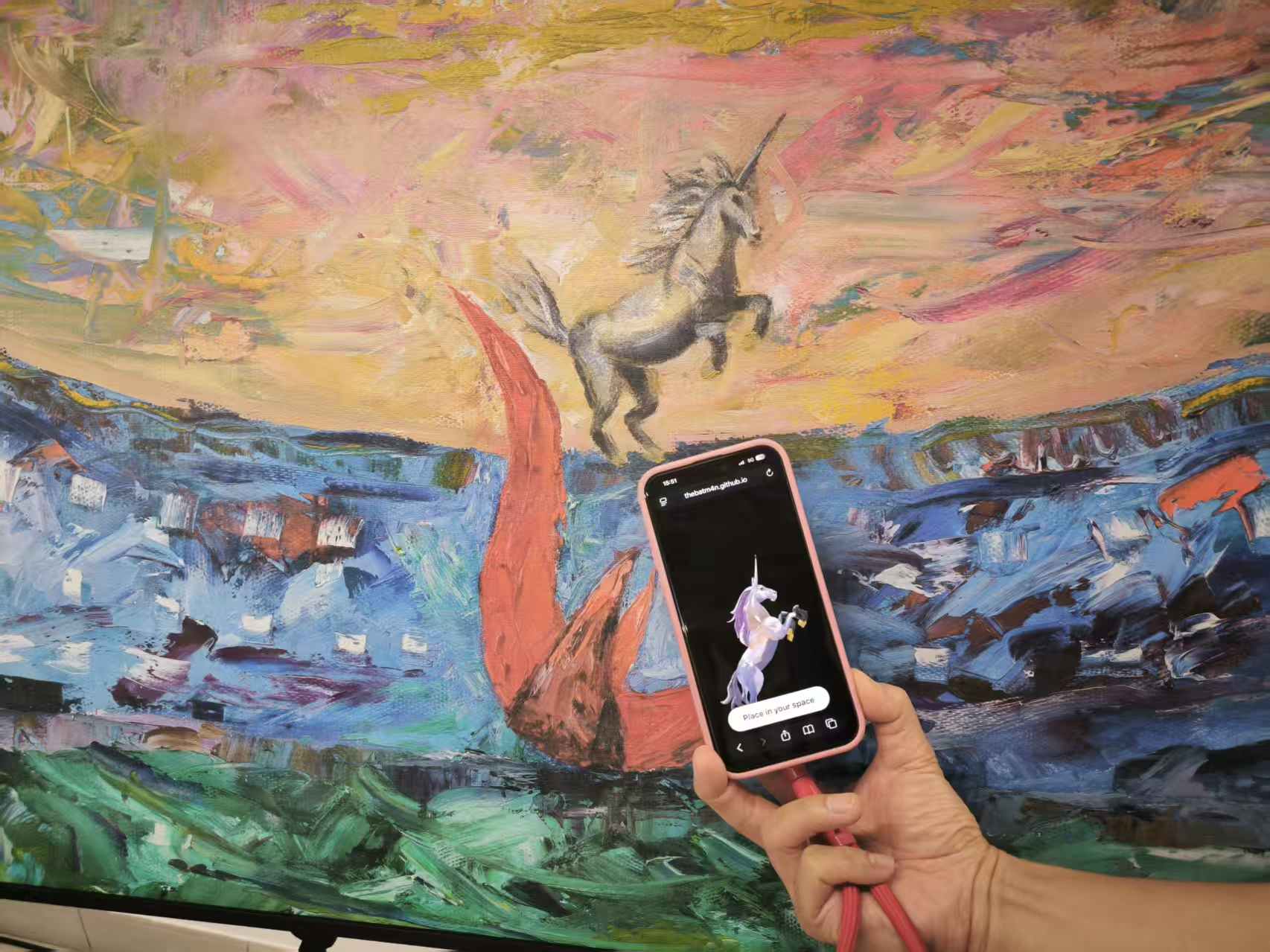
An innovative project aimed at establishing a digital identity framework for visual artworks to protect intellectual property was spotlighted at the 51st International Exhibition of Inventions in Geneva in March 2026.
Led by Daniel Chun, a lecturer in the Division of Arts and Machine Creativity at the Hong Kong University of Science and Technology, the team received the Gold Medal with Congratulations of the Jury.
The innovations are designed to bridge a fundamental gap: The art world's long-standing absence of a standardized identification system for artworks.
As the rise of AI continues to muddy the waters — potentially infringing on artists' rights and profits — the invention digitalizes provenance records, copyright protection, and valuation by leveraging blockchain technology to build a registry aligned with international standards.
ALSO READ: HKUST’s medical school dean vows to contribute to GBA and nation
The initiative, known as Articulator.ai, is positioning itself at the city's Northern Metropolis megaproject as a vehicle for cross-boundary intellectual property transactions.
Articulator.ai is far from an isolated case in the Hong Kong Special Administrative Region, where vibrant industry-academia synergy practices converge to develop innovative solutions. Some 1,900 active startups, including 11 unicorns, had been founded by HKUST members as of May 2026, marking a 5.6 percent year-on-year increase. Over 100 of these startups were showcased at HKUST's annual Unicorn Day 2026 on Tuesday.
Addressing the opening of the event, Secretary for Innovation, Technology and Industry Sun Dong said that the HKSAR government has earmarked over HK$3 billion ($382.8 million) to 73 projects under the Research, Academic and Industry Sectors One-plus program, with 19 projects originating from HKUST, underscoring the government's recognition of local universities as pivotal to Hong Kong's innovation and technology ecosystem. This year also marks the beginning of the National 15th Five-Year Plan (2026-30), which signals the nation's clear and unwavering support for Hong Kong's I&T development, he added.
ALSO READ: ASEAN, international representatives explore Northern Metropolis prospects
Sun highlighted new developments like the Hetao Hong Kong Park, the San Tin Technopole, and the Sandy Ridge Data Facility Cluster, which present unprecedented opportunities for collaboration among universities, enterprises, and startups, fostering connections within the Guangdong-Hong Kong-Macao Greater Bay Area and beyond.
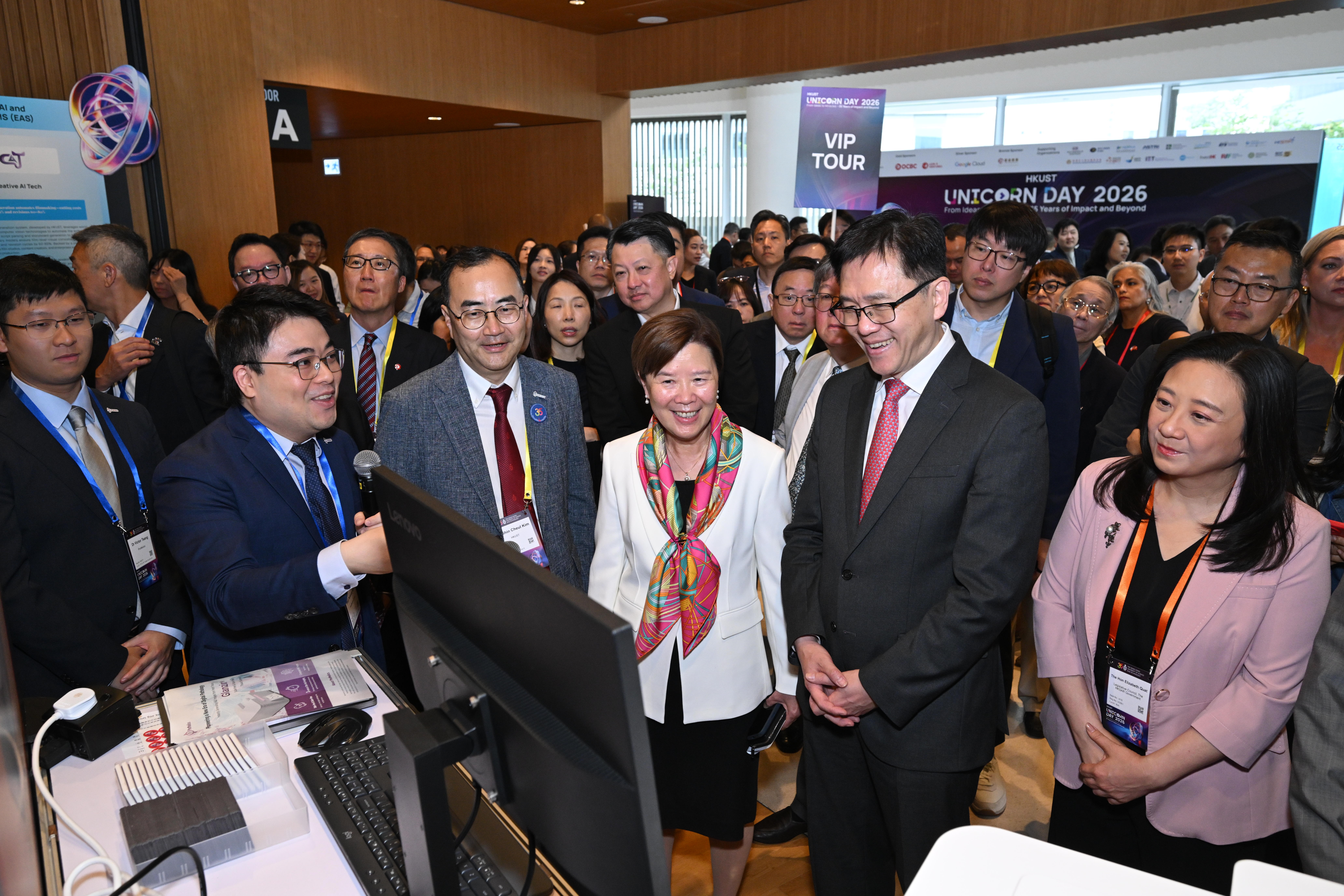
HKUST President Nancy Ip Yuk-yu noted at the event that the university's longstanding commitment to fostering entrepreneurship through its Technology Transfer Center and the Entrepreneurship Center supports faculty and students in turning research into practical solutions.
Guo Jiaqi, a final-year Master of Science student from HKUST’s engineering school, told China Daily that the university provides comprehensive support for startups, including intellectual property protection, office space, customer outreach, and funding. The startup that Guo works for as a product manager focuses on optimizing clinical administrative workflows with AI-powered solutions. The team works closely with industry experts, including a medical doctor who is now the chief executive officer, she added.
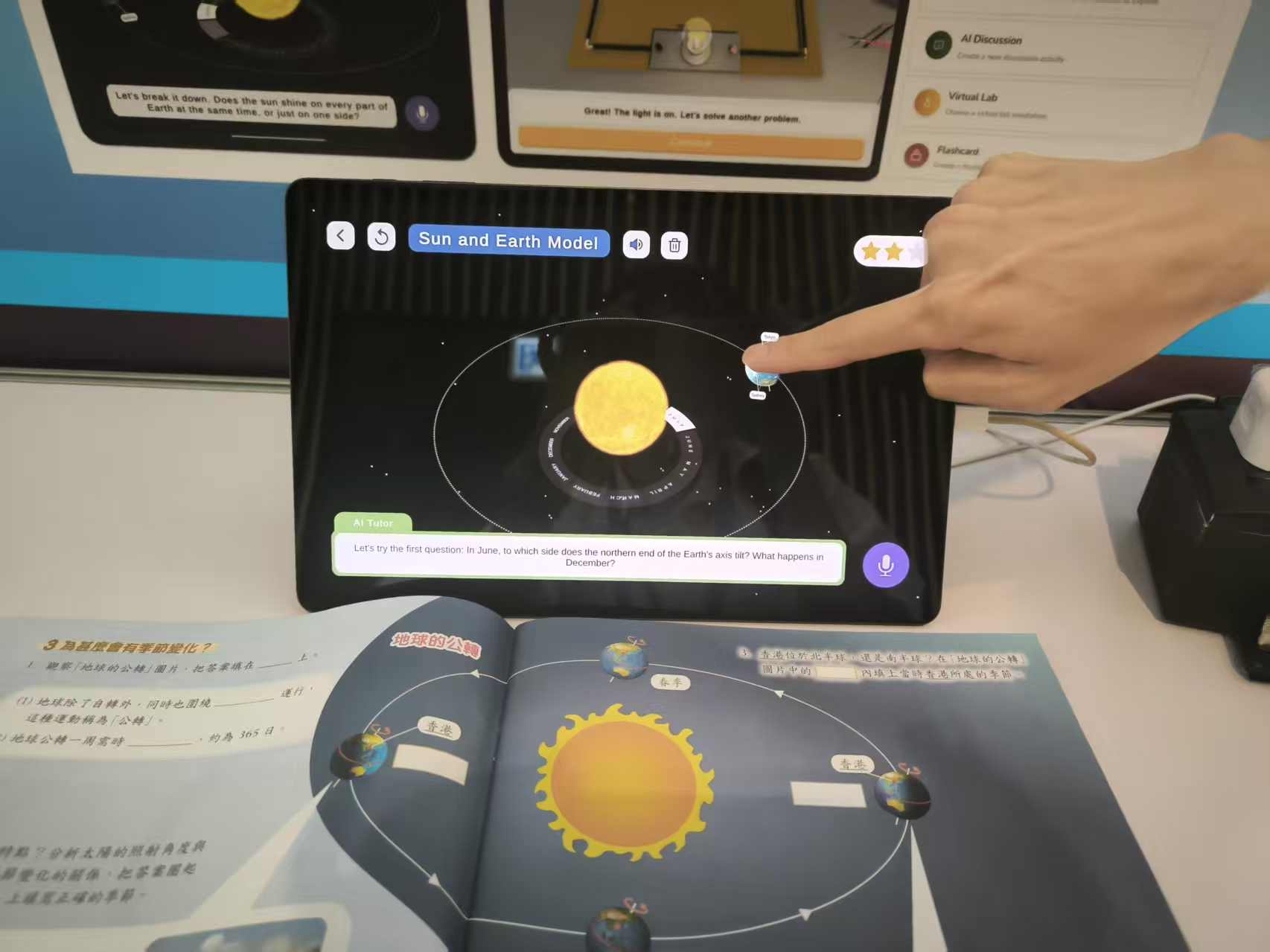
The university also supports international student entrepreneurs. Jungjin Park, a PhD candidate at HKUST, said that his team, including members from South Korea and Austria, developed an AI-integrated education platform for science. Inspired by a local school principal, their platform is now used in 18 primary schools in Hong Kong.
According to the organizer, the Unicorn Day attracted over 2,000 participants, including industry partners and investors, and was attended by consuls-general and senior officials from countries such as Australia, Chile, France, Hungary, India, Japan, Malaysia, the Netherlands, Vietnam, and the United Arab Emirates.
Contact the writer at irismuk@chinadailyhk.com
