

Scholars and publishers gather in Beijing to examine how emerging technologies are transforming public access to trusted information, Yang Yang reports.
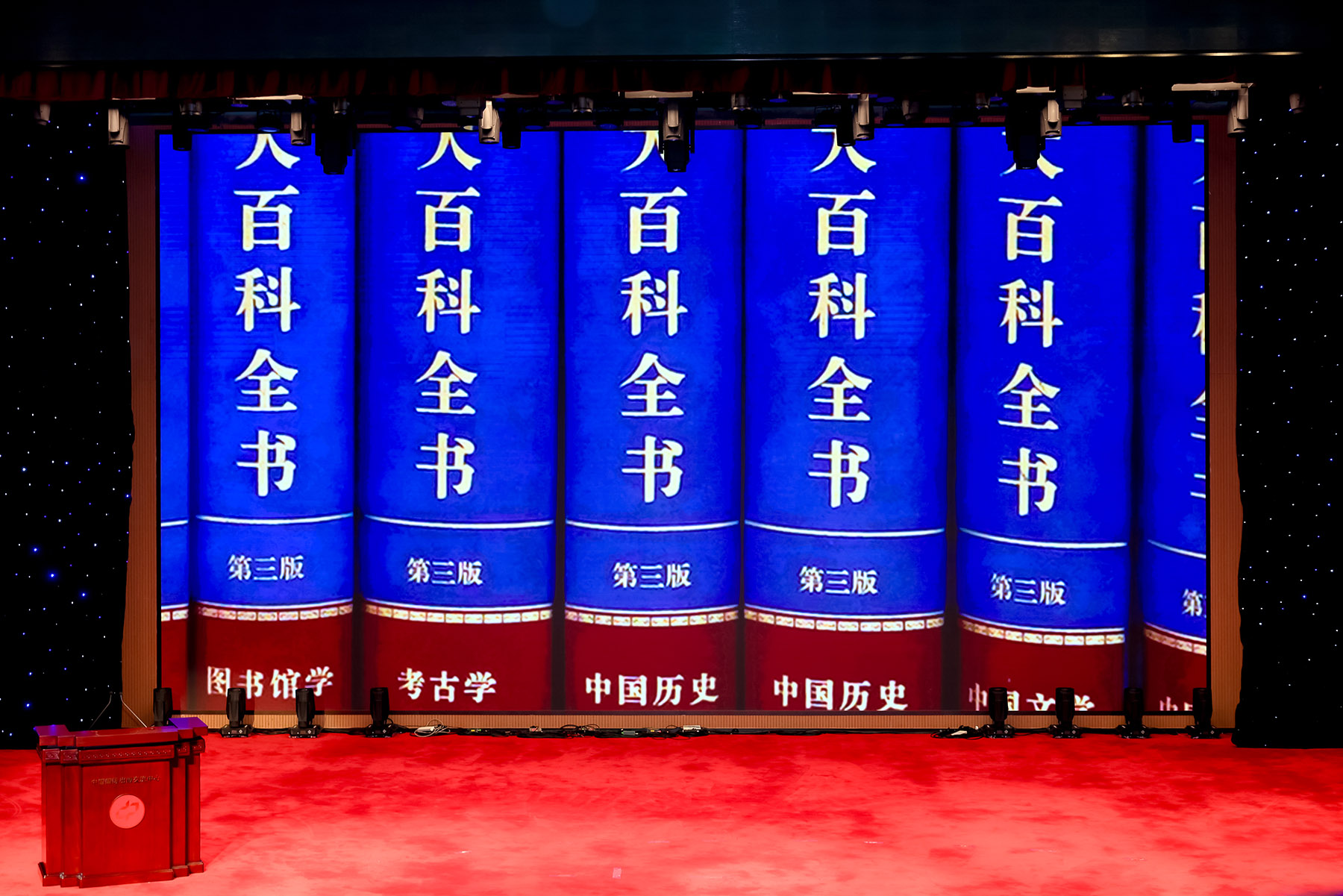
The inaugural China Encyclopedia Conference, hosted by the Encyclopedia of China Publishing House, took place in Beijing from April 23 to 24, as part of the activities for the country's first National Reading Week after the State Council regulation to promote reading among the public took effect on Feb 1.
The Encyclopedia of China is the country's first and most authoritative comprehensive modern encyclopedia. Launched in 1978 and published by the Encyclopedia of China Publishing House under the China Publishing Group, it stands as a landmark national cultural project.
The latest edition, the third one, pioneered a new approach by prioritizing the online version while creating a concise print edition, establishing a knowledge system with professional, thematic, and general sections. By the end of 2025, the online version had 519,000 entries, and the print version was published in 43 volumes, marking significant progress, according to Yang Muzhi, chief editor of the Encyclopedia of China (Third Edition).
"Thanks to the efforts of more than 60,000 experts and scholars, the print and online versions of the Encyclopedia of China (Third Edition) have become significant platforms for showcasing Chinese culture and confidence," said Mao Yuansheng, general manager and deputy secretary of the Party Committee of the China Publishing Group, in his speech at the main forum of the conference on April 23.
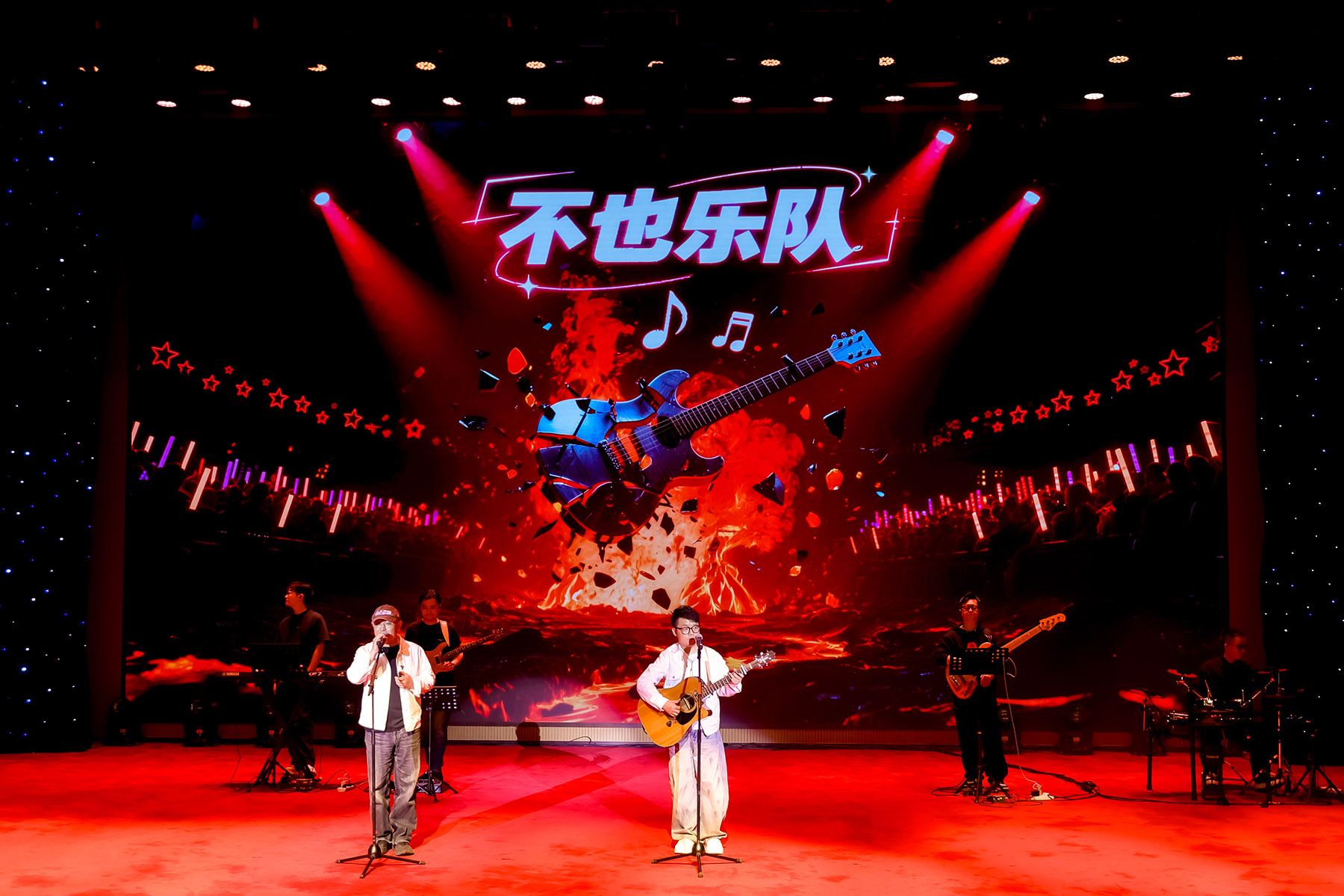
The China Encyclopedia Conference, themed "Empowering Thousands of Industries, Reaching Thousands of Households", attracted over 600 guests from various sectors. It offered a rich array of activities, including a main conference, forums, a science popularization exhibition, and a music-sharing session, creating a grand celebration of knowledge for the public.
The theme of the conference reflects the trend of digital integration, making authoritative knowledge more accessible, said Mao.
The rapid development of technologies such as AI and big data is profoundly changing the paradigm of knowledge production and dissemination.
Encyclopedias should embrace technology by forming a "human-machine collaboration" model that combines experts, AI, and platforms to solve the challenges of traditional compilation, while steadfastly upholding the spirit of science and the essence of humanity, thereby strengthening the foundation of the national knowledge system, said Bai Chunli, vice-chairman of the editorial board of the third edition of the Encyclopedia of China and editor-in-chief of the chemistry section.
Li Yang, a member of the editorial board of the encyclopedia's third edition and editor-in-chief of the economics section, emphasized the critical importance of philosophy and social sciences. In the AI era, cultivating talent requires philosophical thinking and social science literacy. "The encyclopedia must undertake the important task of 'clarifying the source' by providing accurate, systematic, and authoritative knowledge", he said.
However, while new technologies like AI unleash innovative potential, they also pose challenges to copyright protection.
Zhou Huilin, president of the China Copyright Association, pointed out that copyright protection is crucial for promoting the dissemination of encyclopedic knowledge. As a high-quality source of authoritative knowledge, the copyright protection of encyclopedias is particularly important. He proposed three initiatives: adhering to the original source of knowledge, improving institutional safeguards, and deepening cross-disciplinary collaboration.
Gao Shiyi, president of the Encyclopedia of China Publishing House, highlighted that, as a major national cultural project, the encyclopedia focuses on five key areas: digitalization, platform development, intelligence, branding, and systemization to make encyclopedic knowledge accessible to every household. Future efforts will emphasize content quality and collaboration with research institutions, the education sector, and tech companies to build a reliable and engaging knowledge ecosystem, empowering various industries, he said.
Wang Wei, an editorial board member of the third edition of the encyclopedia and editor-in-chief of the archaeology section, said that the archaeology volume is based on Chinese practices and breaks through the constraints of the Western "three elements of civilization" comprising writing systems, urban settlements and metallurgy, proposing new definitions for civilization.
Currently, there is a need to integrate encyclopedic resources with digital technology to support innovation in industries such as cultural tourism and manufacturing, bringing knowledge to life and contributing Chinese wisdom to human civilization, he added.
As a core component of the conference, the Encyclopedia of China Publishing House unveiled and introduced several significant achievements.
Among these, the print version of the Encyclopedia of China (Third Edition) and the China Encyclopedia Online represent not just the digitization of books, but also the networking and dynamic upgrading of the national authoritative knowledge system, serving as the "knowledge foundation of the digital age".
The Encyclopedia of Basic Education Network is aimed at the education sector, building a student-centered, technology-supported integrated education ecosystem based on the concept of "borderless learning and comprehensive resource education", striving to provide strong support for teaching and learning in schools.
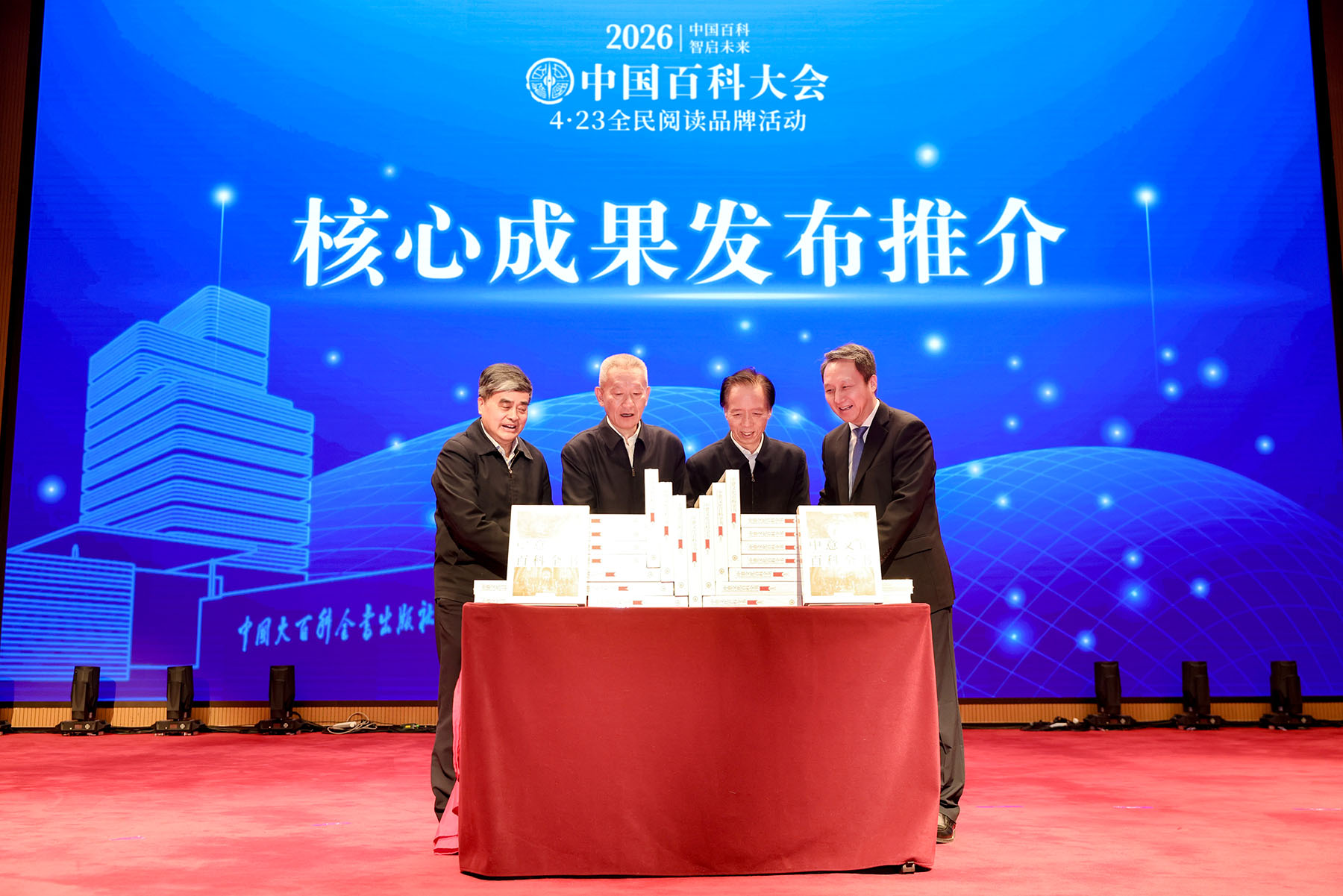
The Digital-Intelligence Integration Achievement Matrix includes the China Through Time and Space digital exhibition, VR youth digital classrooms, and XR science popularization films allowing users to learn and acquire knowledge in an immersive, interactive way, making the learning process enjoyable.
The unveiling of the Encyclopedia of Chinese and Italian Culture: Art introduces representative achievements in the field of art from both China and Italy. It aims to deepen exchange and interaction in art and culture between the two countries, which are jointly committed to the protection of cultural heritage and the better promotion of cultural development. It is compiled by the Encyclopedia of China Publishing House and the Italian Institute of the Encyclopedia (Treccani Institute).
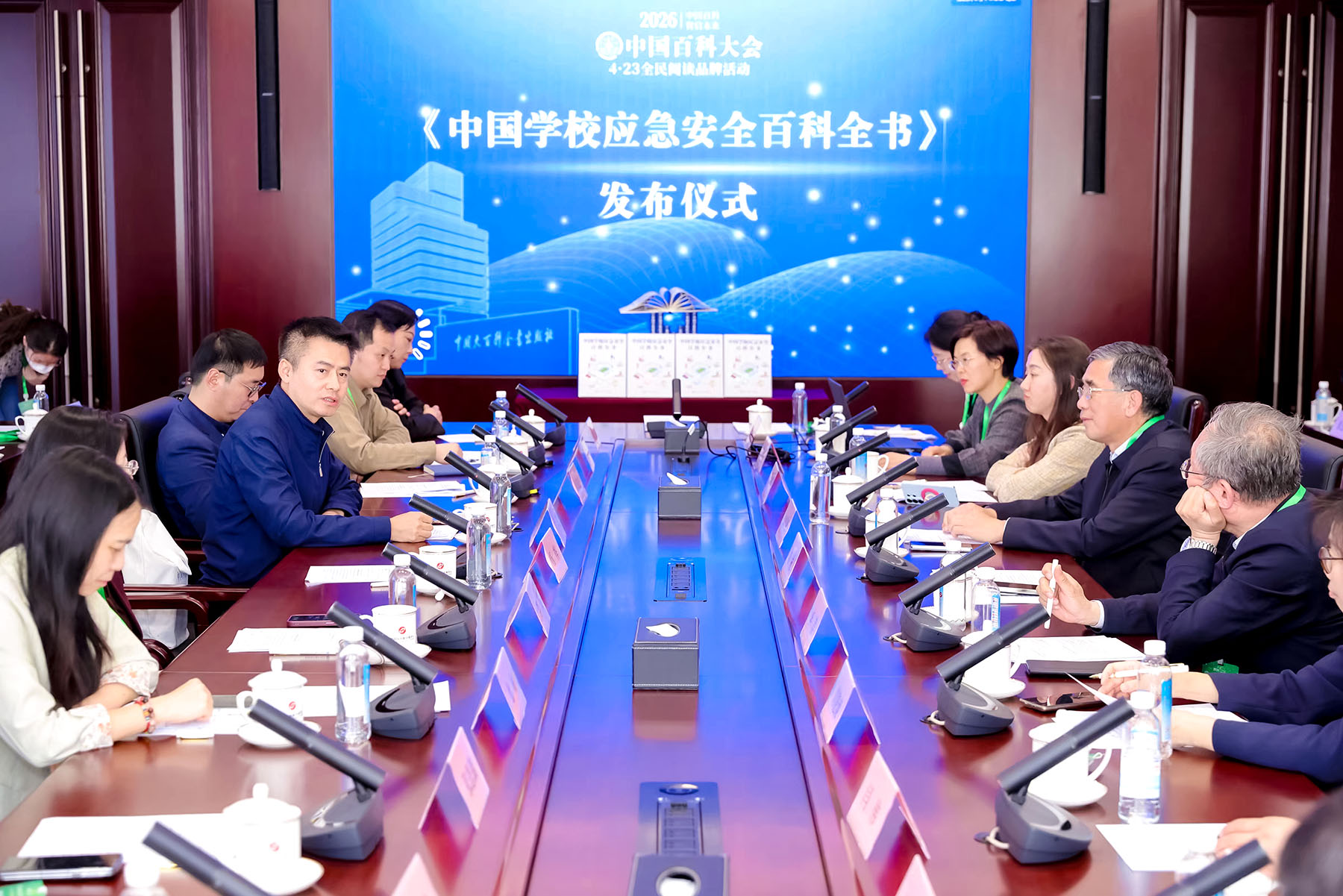
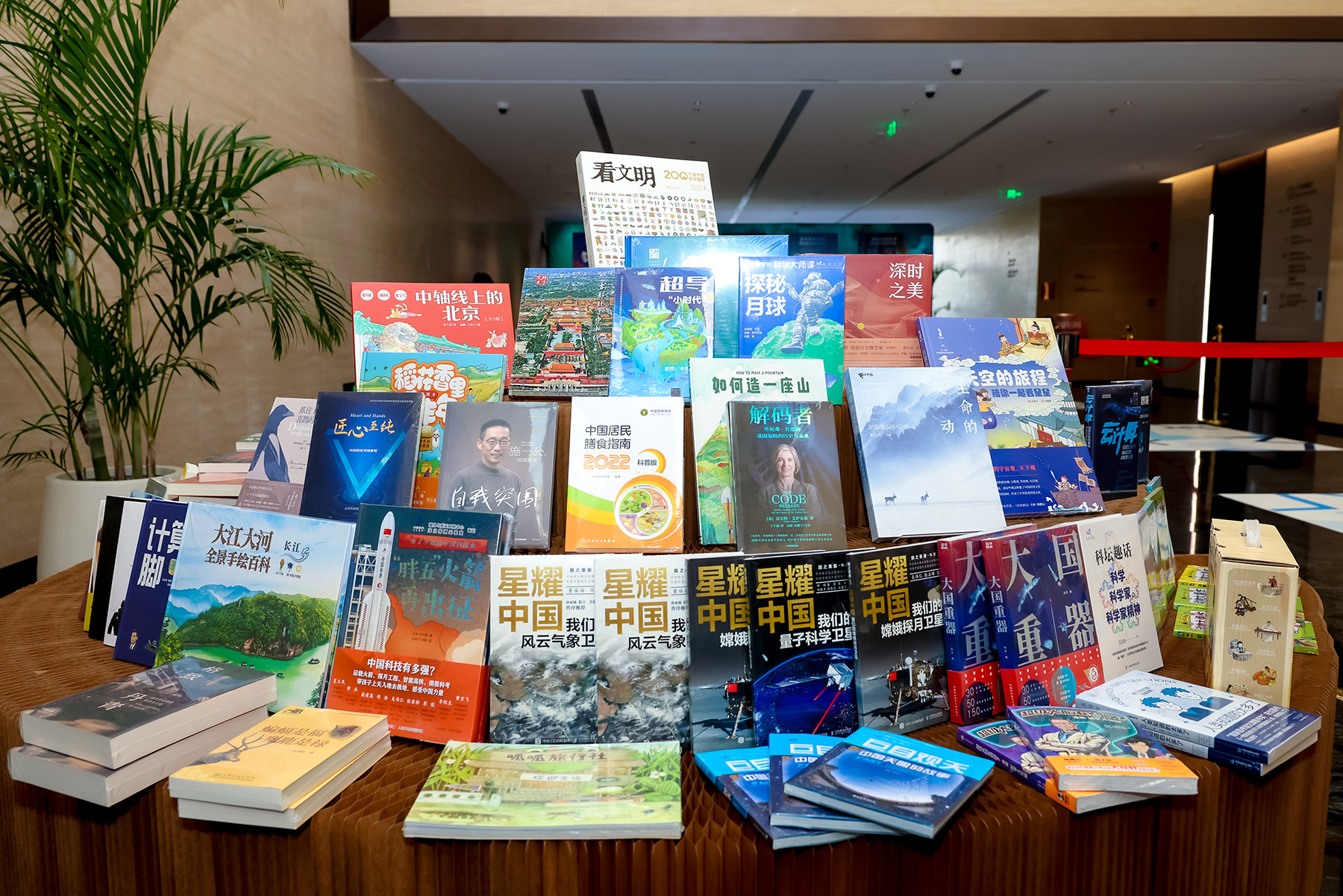
On the afternoons of April 23 and 24, six parallel forums were held. The forums included the Encyclopedia Future Path Seminar, Encyclopedia Education Forum, Brand and Cultural Development Forum, Home and School Emergency Safety Development Forum, the launch of the Beijing-Tianjin-Hebei Science Reading Activity, and the release of the List of Outstanding Chinese Popular Science Books along with the New Era Popular Science Publishing and Nationwide Reading Promotion Forum. Each forum aimed to create a "knowledge service solution" for a specific field.
Contact the writer at yangyangs@chinadaily.com.cn
