

Two museums in southern China's Guangdong province have been recognized in the Prix Versailles, a global architecture award established by UNESCO and the International Union of Architects, highlighting the country's advances in contemporary design.
The two are the Shenzhen Science and Technology Museum in Shenzhen, a hub of China's reform and opening-up, and the Xuelei Fragrance Museum in Guangzhou, the provincial capital.
"The award showcases the systematic construction, contemporary expression and cultural confidence of China's fragrance culture to the world," said Weng Haocong, director of the Xuelei Fragrance Museum.
Widely regarded as a major prize in architecture and design, the 2026 list of the world's most beautiful museums — commonly known as the Prix Versailles — was announced in France on Monday.
ALSO READ: Competition goes wild for nature and science
The award recognizes outstanding contemporary architecture and spatial design projects worldwide, emphasizing how architecture responds to urban, cultural, ecological and public life challenges.
According to the organizers, the award values innovation, local cultural expression, ecological efficiency, social interaction and public engagement.
The Shenzhen museum, with a building area of about 128,300 square meters, features a 38-meter-high atrium and permanent exhibition halls covering 35,000 sq m.
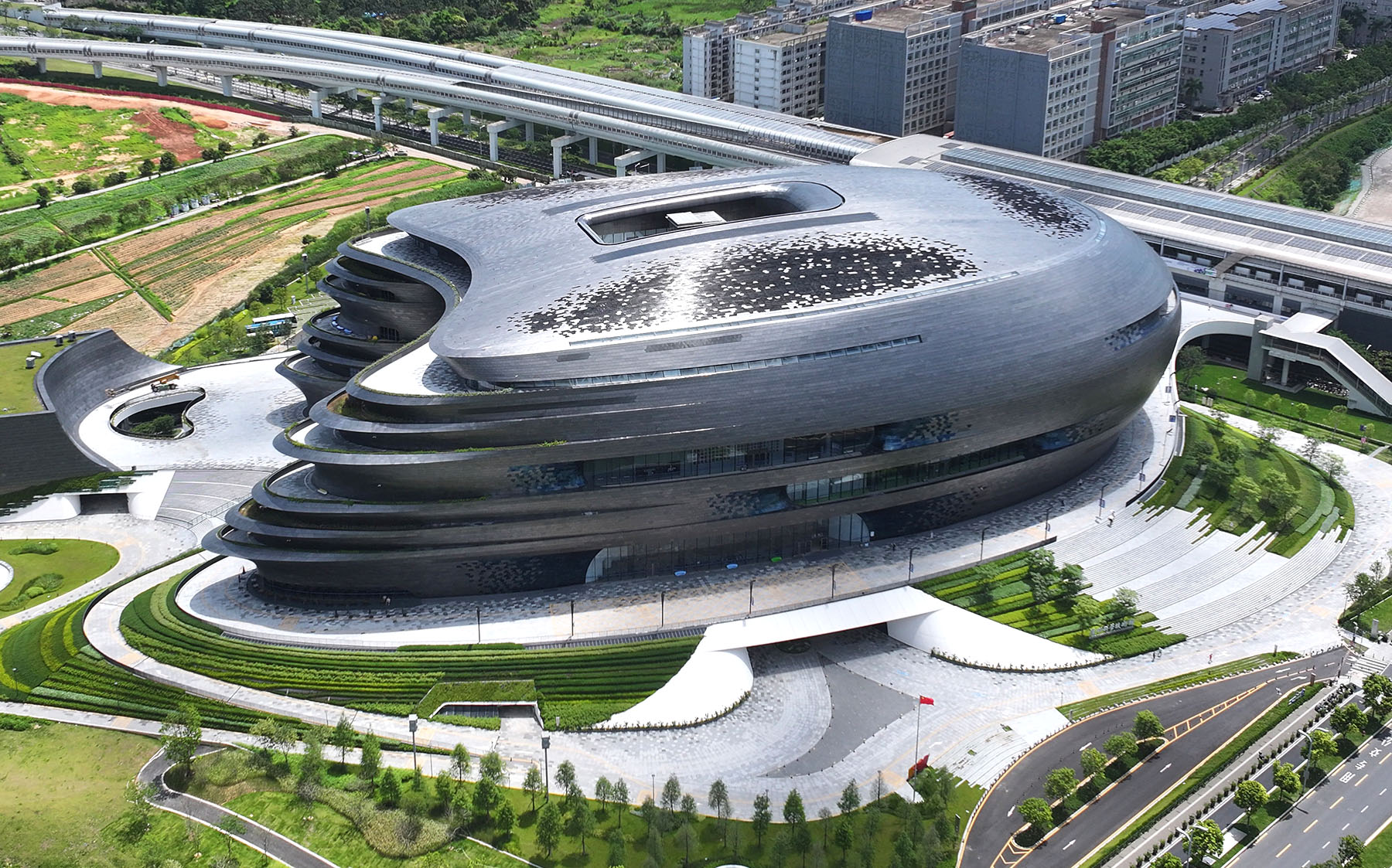
Its exterior incorporates cutting-edge technology that creates visual illusions, changing appearance with different weather conditions and times of day. Because of its futuristic design, it has been dubbed "the big spaceship" by locals and visitors, and has become a new landmark for science and culture in the Guangdong-Hong Kong-Macao Greater Bay Area.
The Guangzhou-based fragrance museum received the honor after being certified by the Guinness World Records in November as the largest fragrance museum.
Located in Baiyun district, it has an immersive space of over 9,500 sq m, with 18 themed exhibition areas, more than 50 interactive installations and over 300 scent points.
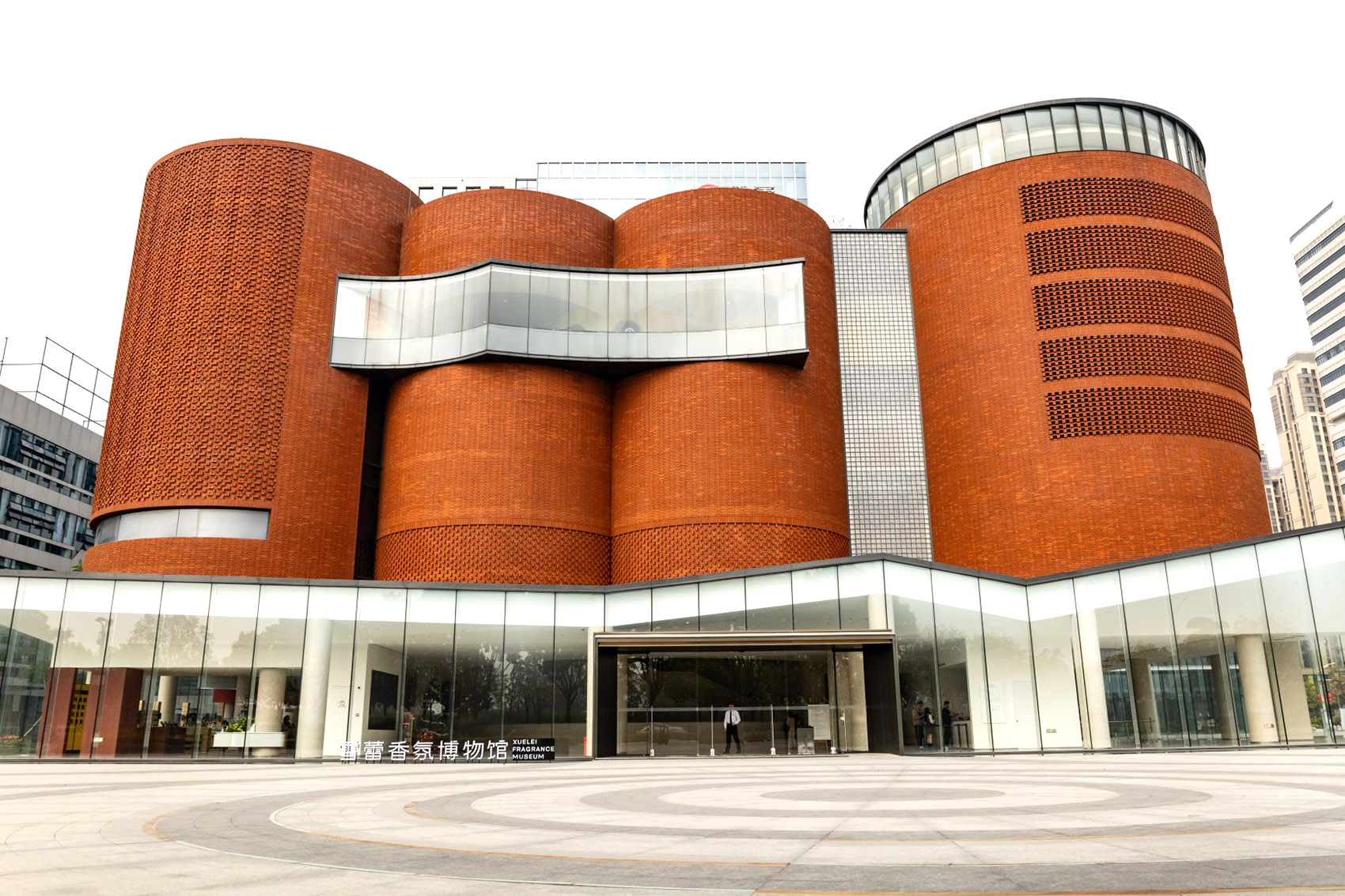
The structure is composed of clusters of red-brick cylinders inspired by the distillers used in modern perfume-making, resembling a "fragrance castle" that appears to breathe.
Unlike traditional museums that focus primarily on visual experiences, it offers a sensory journey centered on smell, providing visitors with a distinctive immersive experience.
For Guangzhou, the recognition signals an expansion of the city's cultural and tourism offerings beyond sightseeing and cuisine to more nuanced sensory experiences, Weng said.
Chen Shaofeng, chairman of the Guangdong Provincial Museums Association and deputy director of the Guangdong Museum, said the fragrance museum, as a specialized institution, plays an important role in promoting fragrance culture.
Contact the writers at qiuquanlin@chinadaily.com.cn
