


A Hong Kong company is set to invest over HK$10 billion ($1.28 billion) to build a regional sustainable aviation fuel (SAF) industrial chain — spanning from raw materials collection to mass production — anchored by a new base in the city of Dongguan.
The cross-border collaboration will strengthen the Guangdong-Hong Kong-Macao Greater Bay Area’s green technology sector, contribute to the nation’s sustainable development goals, and breathe new life into the global aviation sector’s transition to low-emissions operations, according to Hong Kong Special Administrative Region Chief Executive John Lee Ka-chiu.
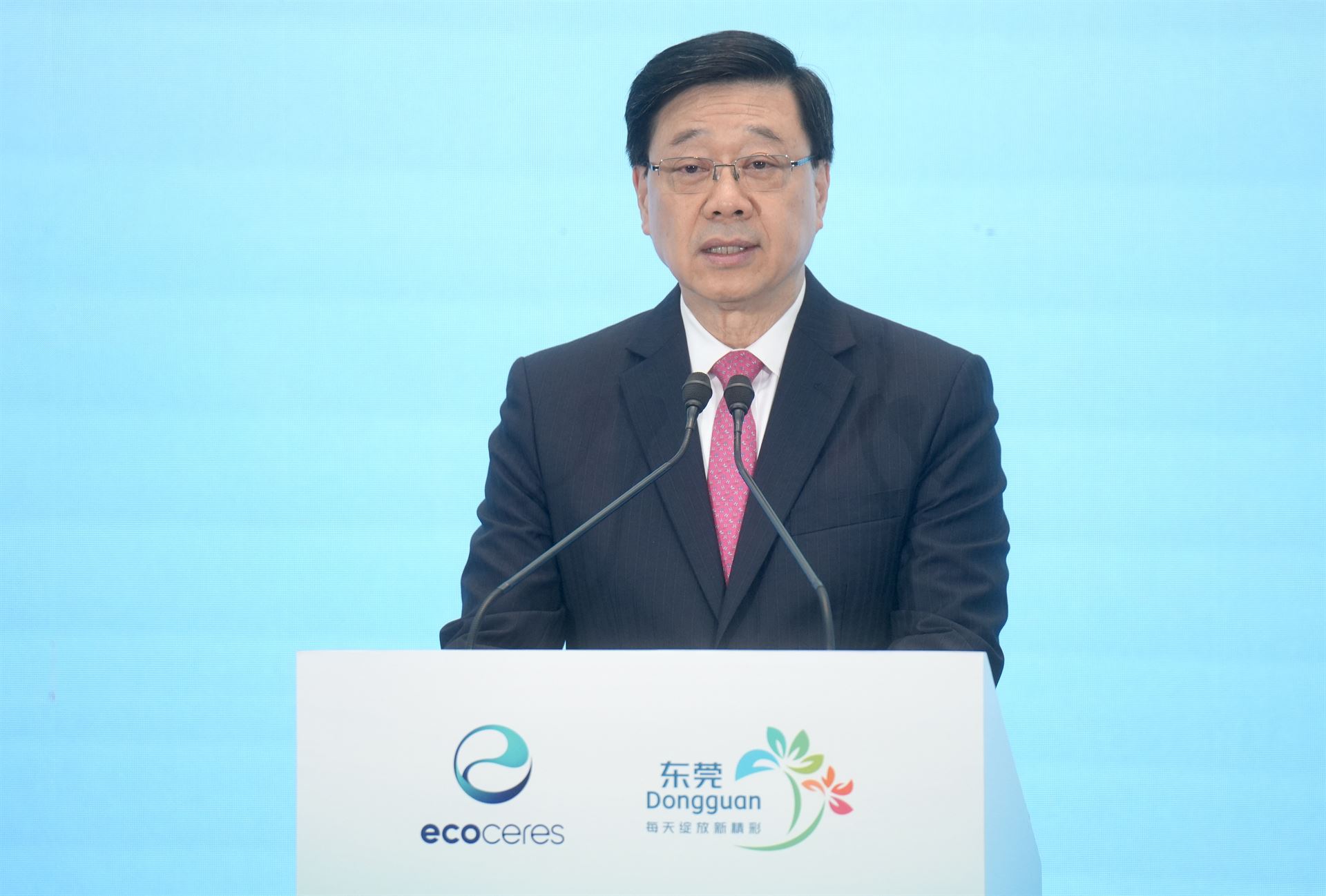
At a ceremony on Tuesday, Lee and Dongguan Party Secretary Wei Hao witnessed the signing of a memorandum of understanding to establish a Hong Kong sustainable aviation fuel base in Dongguan.
The project is spearheaded by EcoCeres, a Hong Kong-incubated firm that converts waste cooking oil into internationally certified SAF. This alternative fuel can cut aircraft carbon emissions by more than 80 percent.
Scheduled for completion by 2030, EcoCeres’s Dongguan plant will process locally collected waste oil to yield an annual output of 450,000 metric tons. The resulting SAF will be transported by waterway to Hong Kong and blended with traditional aviation fuel for commercial use.
Addressing the event, Lee highlighted the cross-border synergy driving the initiative. Hong Kong will provide global financing, professional services, and research capabilities, while Dongguan will provide mature industrial infrastructure and a steady supply of used cooking oil, Lee said.
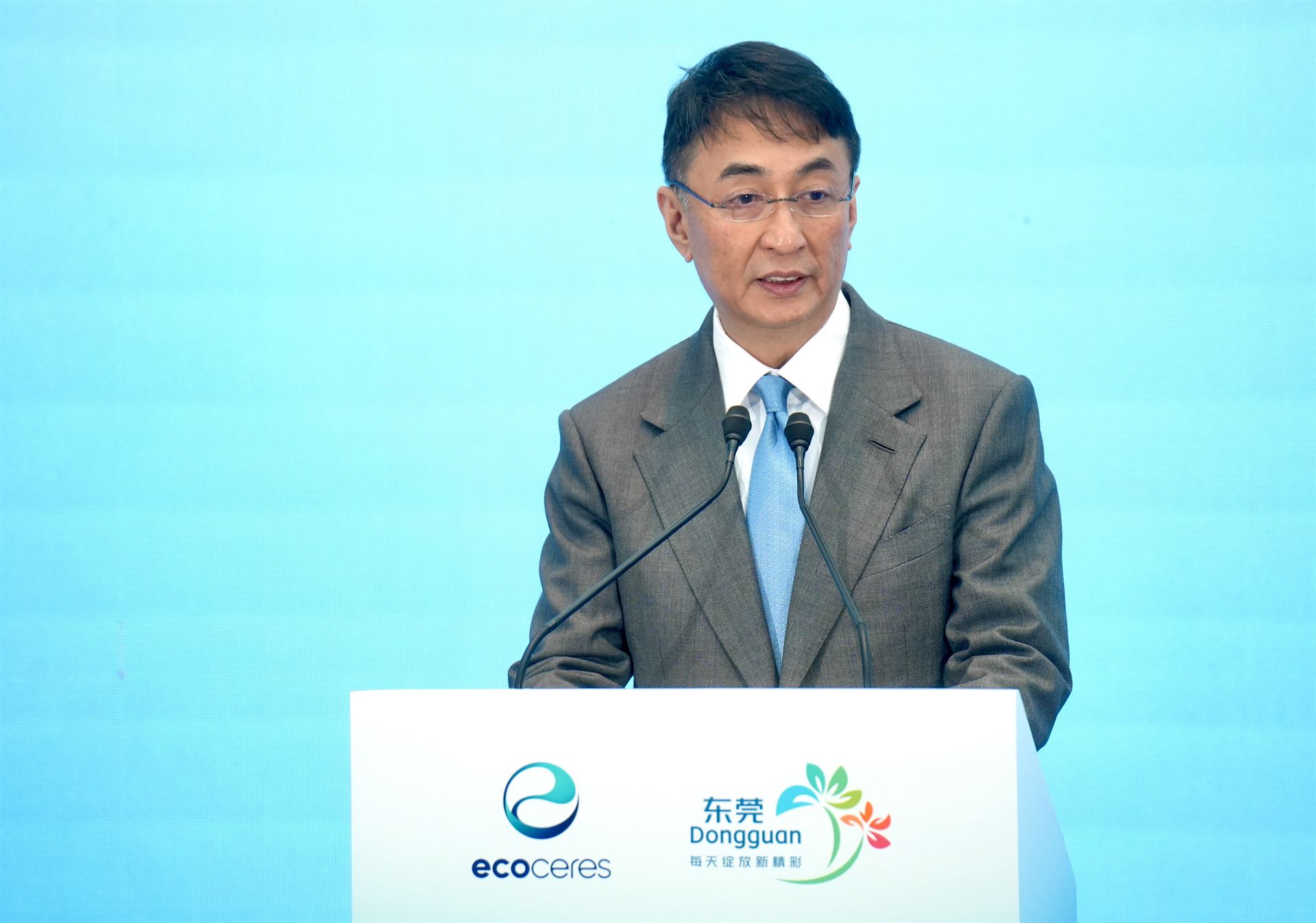
Lee, who described the partnership as a “powerful combination”, said that the project demonstrates Hong Kong’s alignment with the nation’s 15th Five-Year Plan (2026-30) and its proactive response to the country's green development strategy.
“Today's MoU means policy alignment, coordinated resource mobilization, and joint action between Hong Kong and Dongguan,” Lee said. “We are linking the entire supply chain, from raw materials to production. That will drive investment and support our country's carbon reduction goals.”
ALSO READ: Mainland, HK, Macao SARs ink 4 civil aviation cooperation pacts
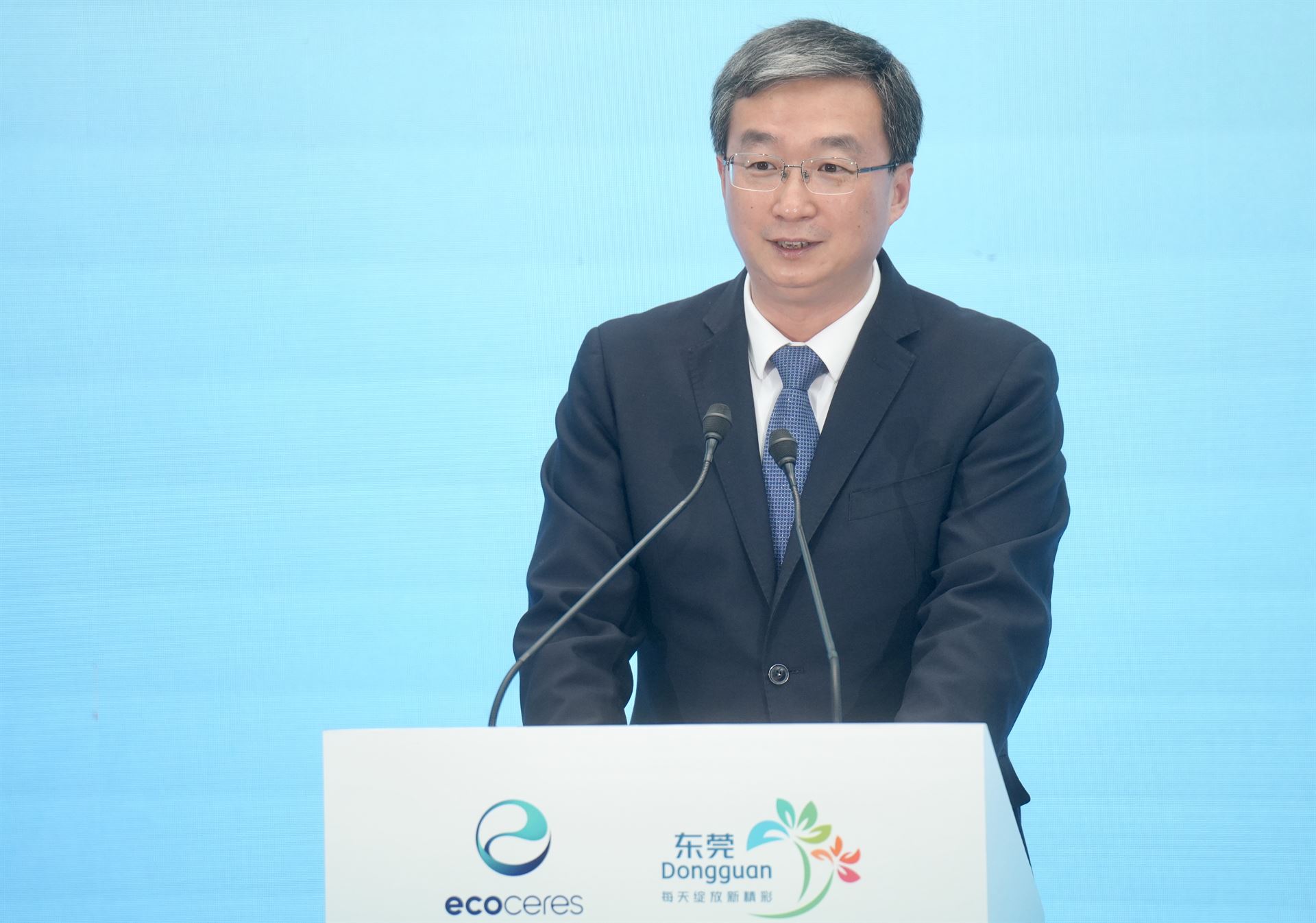
As a premier global aviation hub, Hong Kong has significantly increased its focus on SAF in recent years.
The SAR government has set a preliminary target to achieve a 1 to 2 percent SAF usage rate for flights departing from Hong Kong by 2030.
To support this goal, the Hong Kong Sustainable Aviation Fuel Coalition was launched in 2024. Initiated by Cathay Pacific and the Business Environment Council, the coalition aims to promote SAF usage and scale up production. As of January, it comprises 15 partners, including airlines, banks, and fuel suppliers.
Contact the writer at williamxu@chinadailyhk.com
