

Centralized computing, large language models and Level 4 autonomy redefine the market
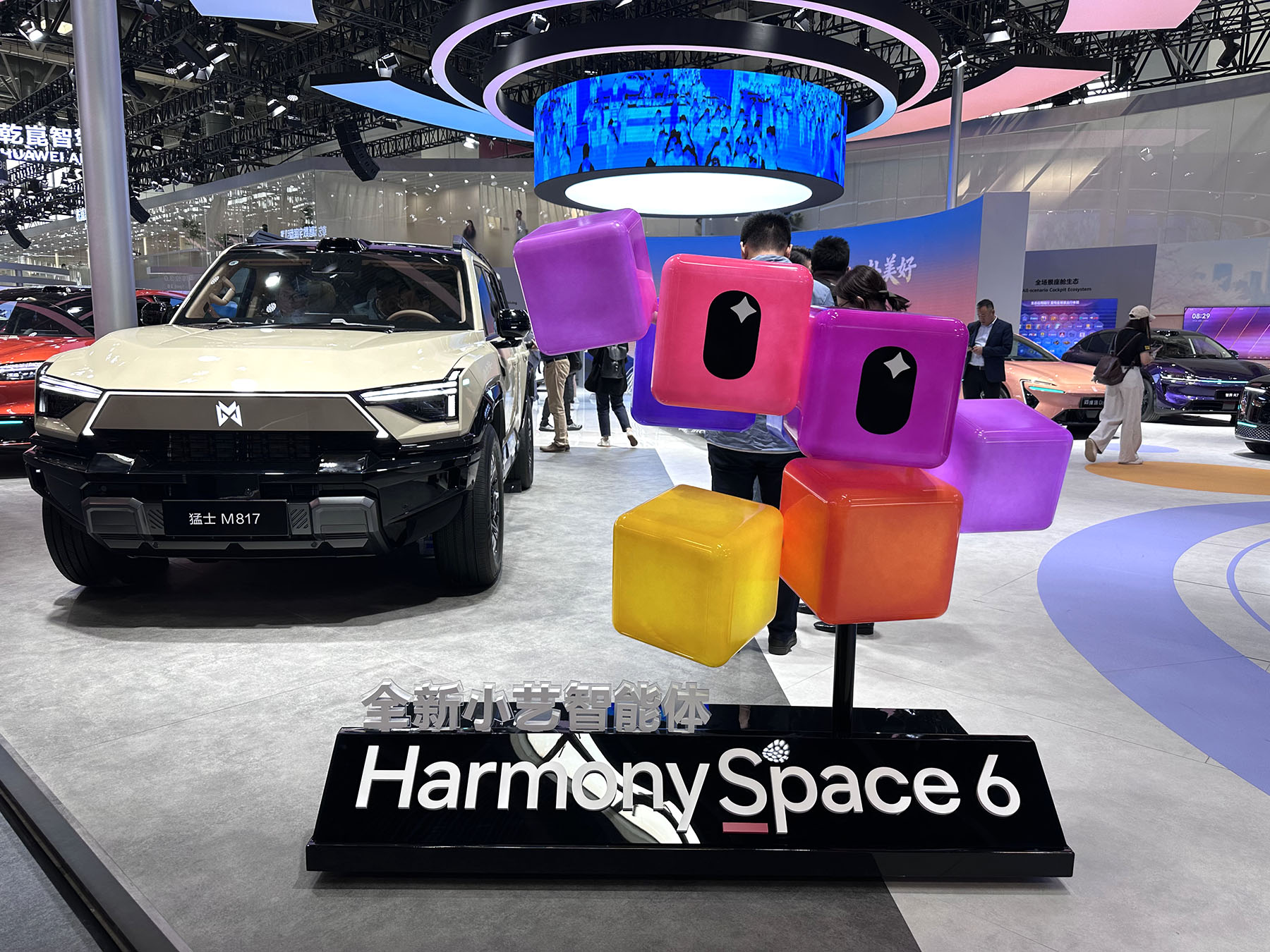
For years, auto shows have been primarily about new models. At Auto China 2026 in Beijing, it is increasingly about new systems — from AI-driven driving to centralized computing architectures.
This year's show, the largest of its kind, has drawn more than 2,000 companies from 21 countries and regions, with 1,451 vehicles on display. It includes a total of 181 global debuts and 71 concept cars, hitting a new high.
More than 60 percent of global premieres at the show come from Chinese brands, while the number of concept vehicles has reached a record level.
Behind the numbers, however, a deeper transformation is underway, one defined by artificial intelligence, software architecture and system-level innovation.
READ MORE: Auto sector in structural upgrade
Chinese automakers, long known for their expansive product lineups, are now using the show floor to highlight technology stacks as much as vehicles.
Large standalone halls occupied by domestic brands — including BYD, Chery and Geely — reflect not only product breadth but also accumulated capabilities in electrification and intelligent systems.
As performance gaps in batteries, motors and electronic control systems narrow, competition is moving toward shaping technological identity and capturing user mindshare, said analysts.
Artificial intelligence has become the focal point of this shift. Geely is highlighting its full-domain AI 2.0 system, while SAIC's Roewe brand is showcasing AI-based in-car applications developed with Volcano Engine.
Huawei's automotive business also made its first appearance as an independent brand cluster, presenting multiple new models alongside its Harmony-based intelligent cockpit ecosystem.
Across the exhibition, intelligent driving, smart cockpits and large language model integration are no longer isolated features, but part of unified system architectures.
One of the most explicit articulations of this transition came from XPeng CEO He Xiaopeng, who outlined the company's strategy centered on "physical AI".
XPeng's latest model, he said, is the first Chinese vehicle designed with full hardware redundancy to meet robotaxi standards and has already obtained road testing permits in Guangzhou, Guangdong province.
The company is currently conducting regular Level 4 pilot operations and plans to begin passenger-carrying tests with safety drivers later this year, targeting fully driverless operation by early 2027.
He also extended the concept of physical AI beyond vehicles. XPeng is developing humanoid robots following a "commercial-first" path, with initial deployment in retail environments. The company aims to sell more than 10,000 units by 2027.
Underlying these initiatives is a broader industry view: hardware iteration is slowing, while software, particularly AI-driven capabilities, is becoming the primary driver of differentiation.
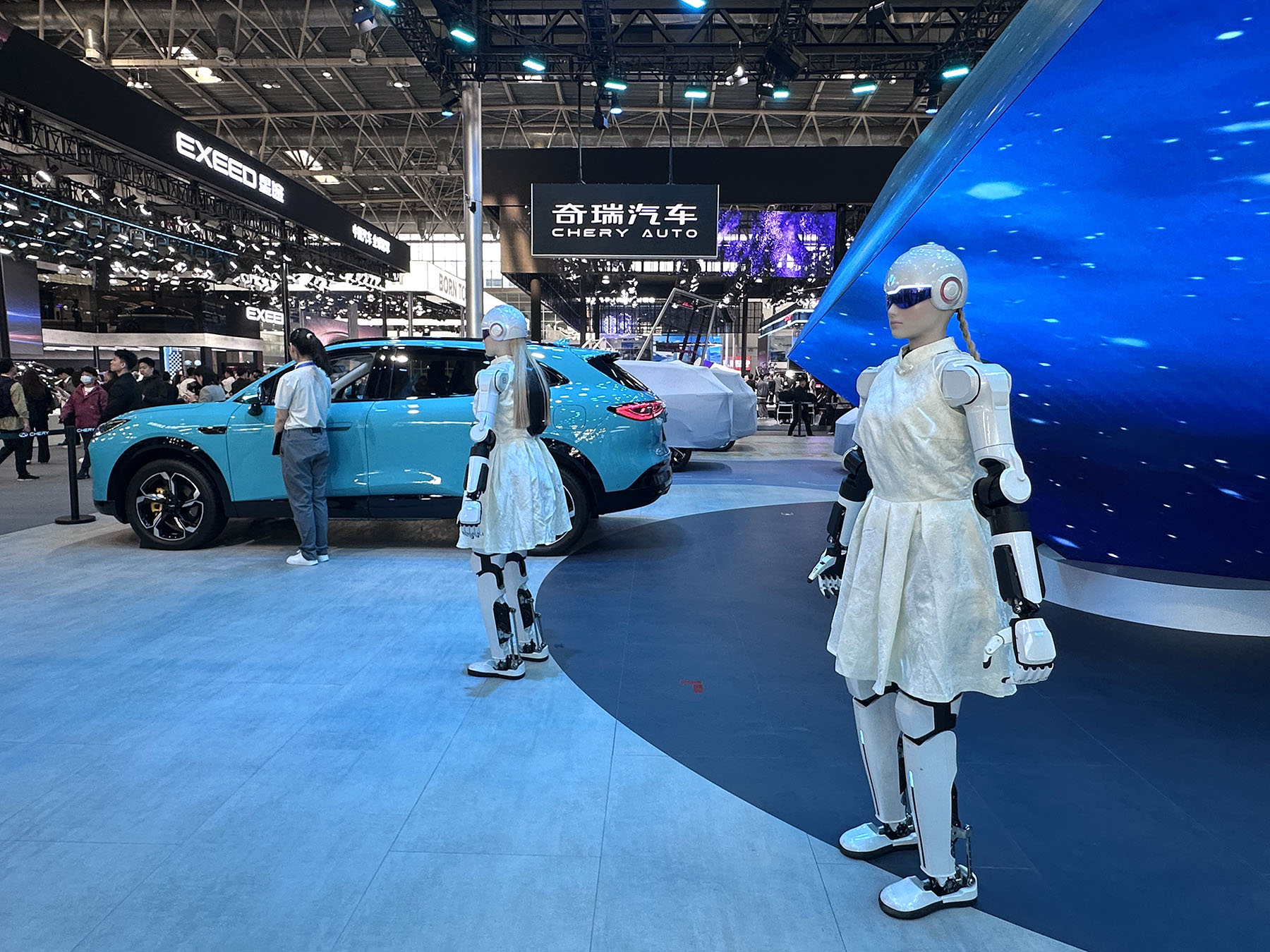
The integration of AI is also reshaping the underlying computing architecture of vehicles.
At a technology event two days ahead of the show, Horizon Robotics introduced its Starry chip, built on a 5-nanometer automotive-grade process.
With 650 TOPS of computing power, the chip supports both intelligent driving and cockpit AI models on a unified platform.
This shift toward centralized computing, combining previously separate domains, is expected to reduce system complexity, lower costs and shorten development cycles.
According to the company, integrated architectures could cut vehicle-level costs by up to 4,000 yuan ($585) and reduce development timelines from 18 months to eight months.
More than 10 carmakers and suppliers including BYD, Chery, Volkswagen and Bosch have shown interest in the chip, said the company, indicating growing industry alignment around unified computing platforms.
Horizon Robotics CEO Yu Kai described autonomous driving as "the first large-scale application of physical AI", placing the current technological wave within a broader transition toward intelligent systems interacting with the physical world.
For the first time, core suppliers and automakers have appeared in the same exhibition halls — a structural change that reflects shifting power dynamics across the industry.
Battery makers, chip companies and AI solution providers are no longer operating behind the scenes. Instead, they are presenting integrated system solutions directly to the market.
CATL, for example, built a 1,500-square-meter energy technology zone at the entrance of one hall, showcasing its next-generation battery concepts, including solid-state and sodium-ion technologies.
Other major suppliers, from Bosch to SenseAuto, are also displaying full-stack solutions rather than individual components.
Global automakers accelerate localization
International carmakers are deepening their engagement with China's AI ecosystem.
Volkswagen Group CEO Oliver Blume said the company is moving beyond electrification and driver assistance toward "agentic AI for all".
"Starting this year, our in-car AI Agent will begin coming to our locally developed cars," he said. "With this step, the Volkswagen Group is the first global automaker to deploy agentic AI across an entire vehicle portfolio in China at scale."
ALSO READ: Chinese automakers make inroads across world
The system, based on a locally trained large language model, is designed to proactively understand user intent and execute complex, multisystem tasks through natural interaction, while keeping data processing within the vehicle.
BMW Group CEO Oliver Zipse emphasized a similar approach to localization.
"In China, we can integrate local partners such as Momenta and Alibaba," he said, highlighting the flexibility of software-defined architectures.
Zipse added that artificial intelligence will underpin the future of driving itself. "The vehicle will anticipate your next move — slowing down before a turn or adapting to your habits," he said. "AI and sheer driving pleasure are not contradictory; they are fundamentally connected."
Contact the writers at lifusheng@chinadaily.com.cn
