

The marriage of art and commerce has always been a bittersweet union — the pure world of ideas and ideals necessarily betrothed to the mundane realities of sustenance and profit. Yet pioneering pop artists Andy Warhol (1928-87), Frank Stella (1936-2024) and Roy Lichtenstein (1923-97) all reportedly refused to take a cash fee after decorating racing cars in bright hues for one luxury manufacturer.
Those unique vehicles set the tone for what became the BMW Art Car collection, a 20-strong series which celebrates its 50th anniversary this year.
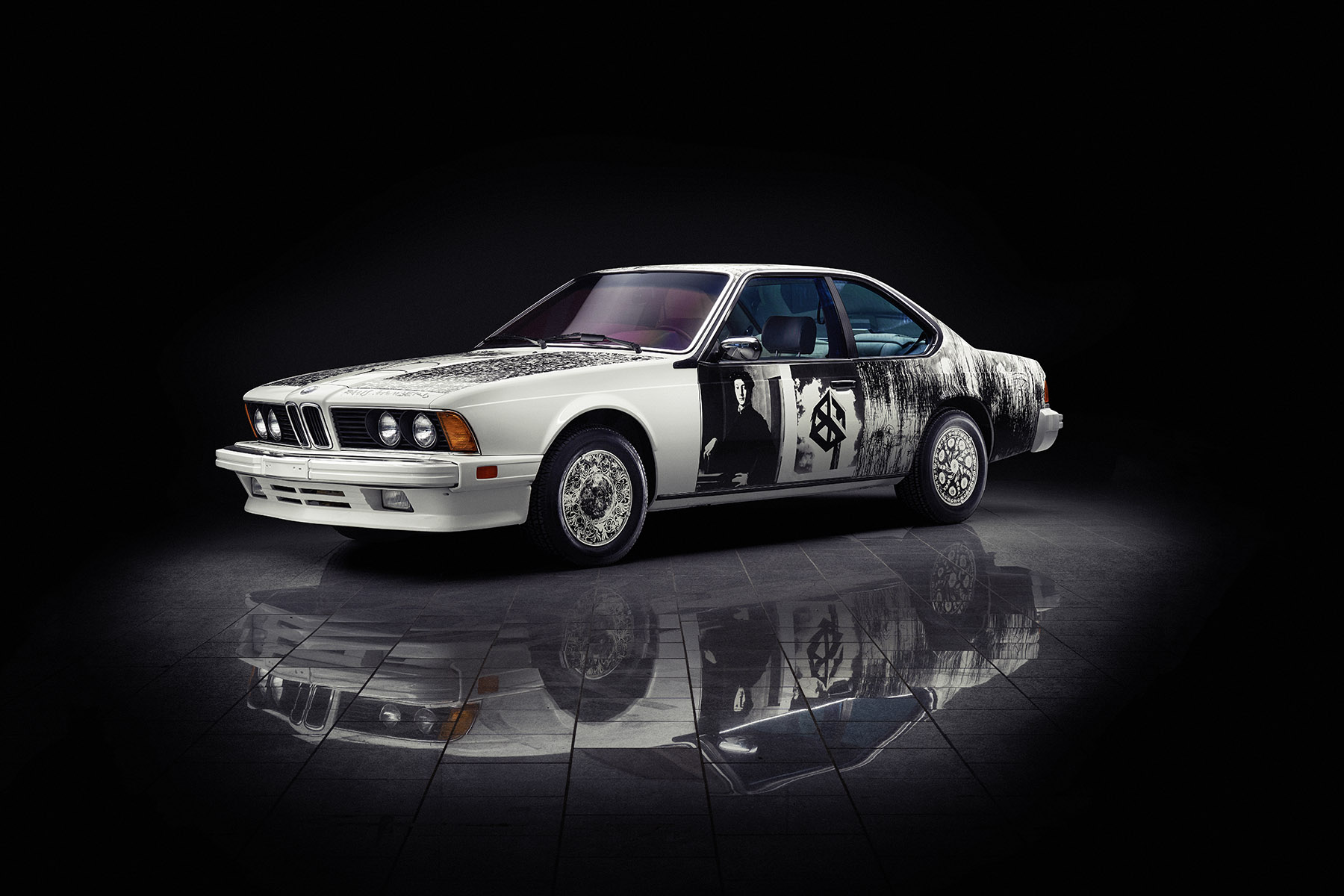
Visitors to Art Basel Hong Kong 2026 will have the chance to view Robert Rauschenberg’s (1925-2008) contribution to the series. In 1986, he covered a car with a monochrome foil collage paying tribute to art, nature and technology, quoting from historic works by Florentine Mannerist Bronzino (1503-72) and French Neoclassical painter Ingres (1780-1867) alongside his own visual vocabulary. “It is funny to see a young man from the Renaissance and an odalisque of the 19th century as driver and co-driver,” quips Thomas Girst, global head of cultural engagement at BMW.
READ MORE: Machines like me
“I had to be sure that whatever I did, I beautified her,” Rauschenberg had said in an interview, adding that he would like to decorate “at least 10 more” vehicles. His incentive may in part have been the gifted car that he, like Warhol and David Hockney, had received in lieu of payment.
While he never had the chance, the BMW 635 CSi that got a makeover from him lives on in tribute. “He loved the idea of ‘driveable museums’,” adds Girst, “so he simply created one. The car is a vehicle for Rauschenberg’s ideas. It is an aesthetic statement for openness to anything from motion to engineering, transcending geographical limits.”
A fitting tribute
The car demonstrates Rauschenberg’s openness to “working with new materials, formats and platforms,” says Russell Storer, head of curatorial affairs at M+. Fittingly, the BMW arrives in Hong Kong as the WestK museum’s Rauschenberg show is poised to enter its final month. Storer hopes the car will help deepen appreciation of the American artist’s “unique artistic vision” in his centenary year.
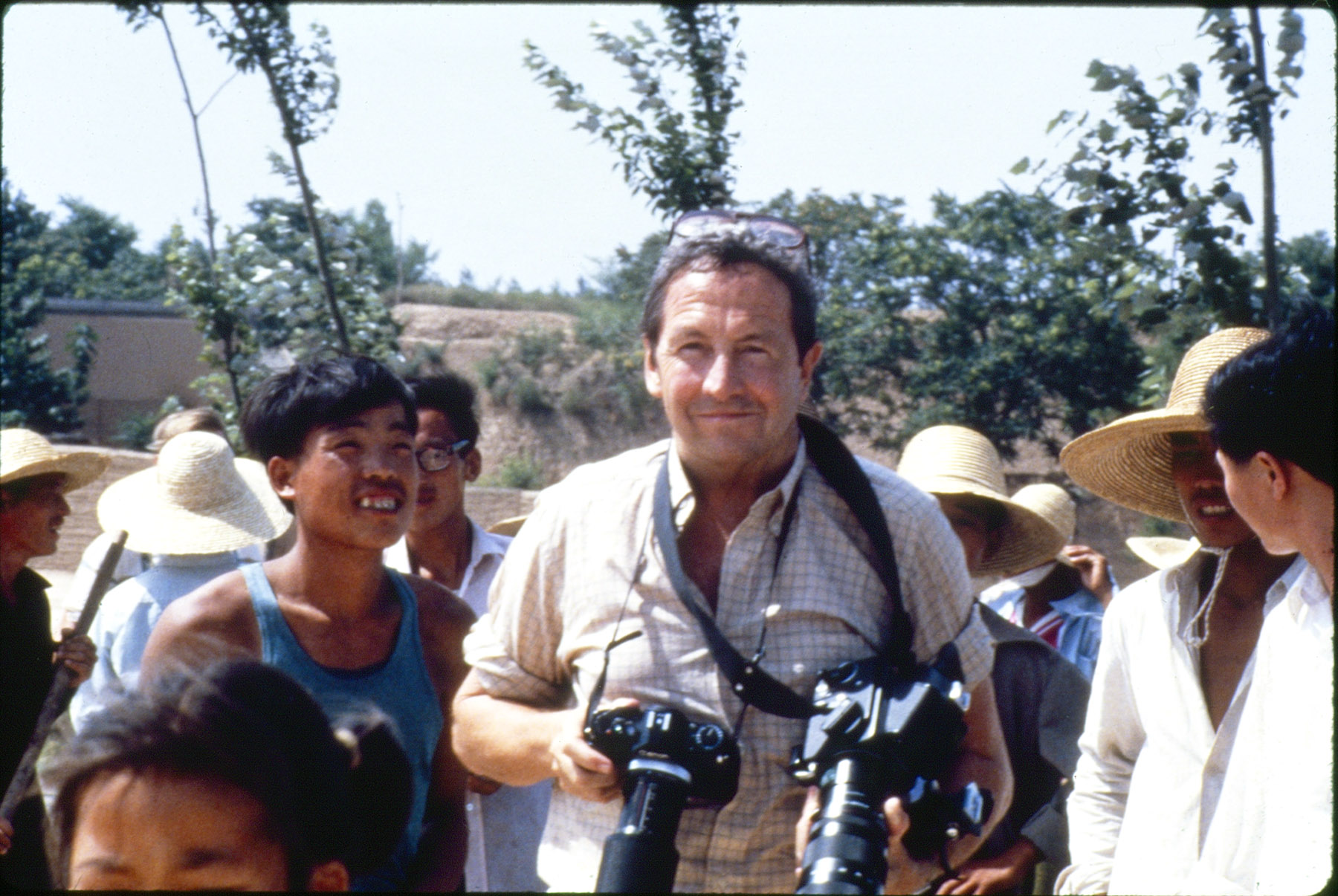
Relatively small in size for an M+ exhibition, Robert Rauschenberg and Asia zeroes in on the artist’s 26 years of travels to the continent, between 1964 and 1990. During that period he had collaborated with papermakers at the world’s oldest-known paper mill in Jingxian in China’s Anhui province, visited ceramics experts in Japan and studied silk-dyeing in India.
ALSO READ: Gateway to Asia
Even for an audience familiar with Rauschenberg, discovering “the extent of his work in Asia has been revelatory,” adds Storer. “For many visitors from the Chinese mainland, particularly artists, there has been much excitement given that the impact Rauschenberg made there in the ’80s still resonates today.”
“This exhibition is the first time there has been a focus on Rauschenberg’s work across Asia,” he adds. “It is a history that is not so well-studied or known, and we feel that this is an important contribution that M+ can make, especially during his centennial year, to the scholarship and narrative around this iconic figure.”
If you go
Rauschenberg’s BMW Art Car
Dates: Through Sunday
Venue: Art Basel Hong Kong, HKCEC, 1 Expo Drive, Wan Chai
www.artbasel.com
The writer is a freelance contributor to China Daily.
