

Officials, business leaders express optimism about city’s economic prospects at conference
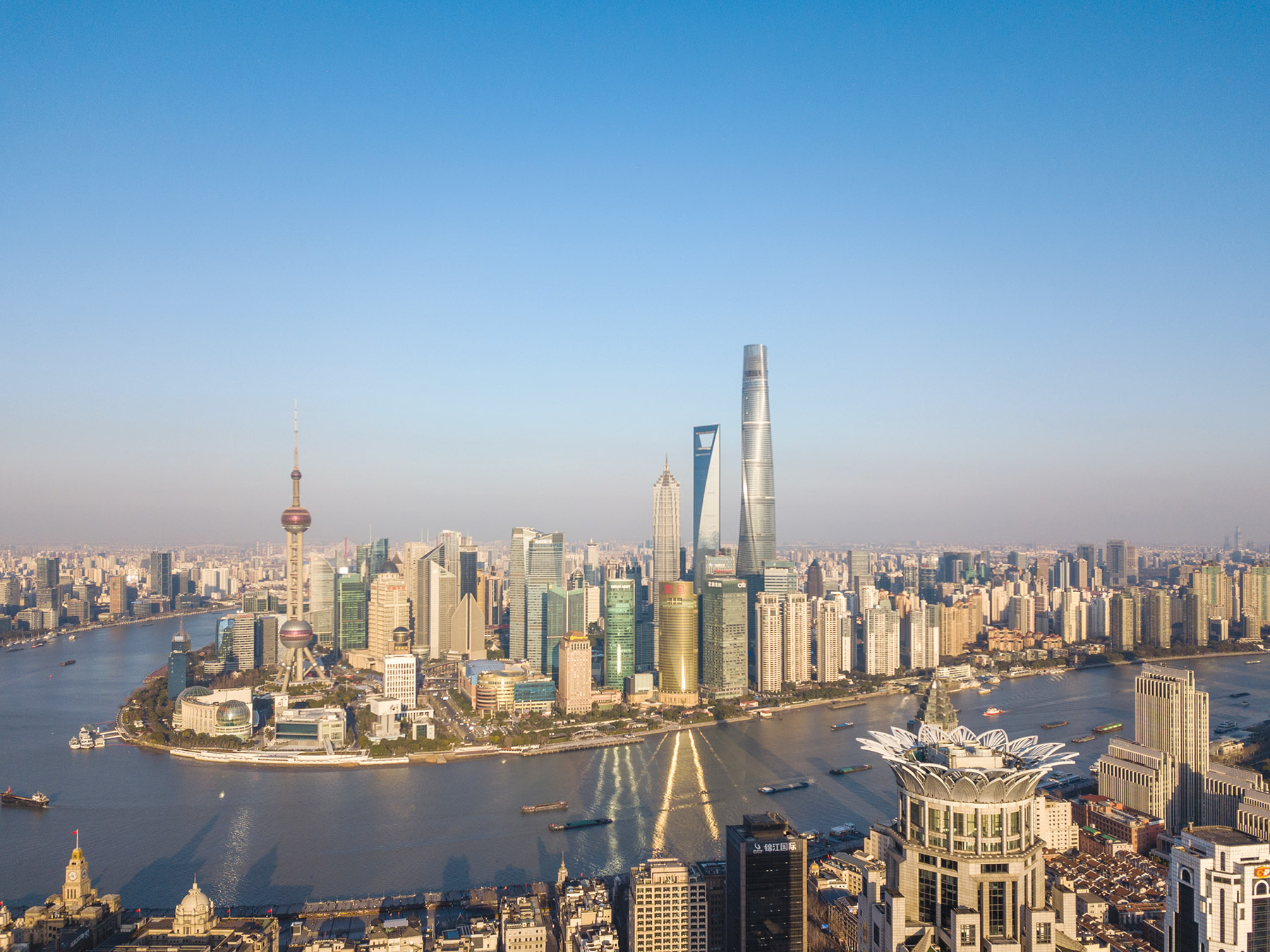
Shanghai will make greater efforts to improve the business environment and government services, which will be conducive to attracting more investment into the city and building more wholesome industrial chains.
At the 2026 Shanghai Global Investment Promotion Conference, which was held in the city on March 14 along with the launch of “Invest in Shanghai” week, officials and company executives voiced optimism about the prospects for further advancement of Shanghai’s economic landscape.
A number of new platforms to nurture emerging technologies were highlighted this year’s event, including public service platforms focused on computing power resources, language data supply and companies’ overseas expansion as well as pilot testing platforms for intelligent terminal hardware-software adaptation, advanced civil aircraft manufacturing, and components for embodied artificial intelligence.
Landmark application scenarios have also been unveiled, including a training facility for humanoid robots, a high-level autonomous driving demonstration zone and a test base for new-type aircraft, according to Tang Wenkan, director of the Shanghai Municipal Commission of Economy and Informatization.
Shanghai will release the 3.0 version of its industry map, Tang said. This initiative aims to guide districts in focusing on their leading industries and cultivating 25 niche sectors, each targeting an annual output value of 100 billion yuan ($14.5 billion).
Nearly 500 big-name enterprises participated in this year’s conference, including AstraZeneca, GE and Haier. Prominent investment institutions like Brookfield Asset Management, KKR, and Qiming Venture Partners, as well as innovative startups such as AI firm MiniMax and Horizon Robotics were also present.
The expanded Shanghai plant of French tire and mobility company Michelin was put into use in January, equaling 3 billion yuan of incremental investment. Defined as a “future factory”, which was Michelin’s first of its kind globally, the facility has integrated latest breakthroughs in AI, automation and new materials.
The vast Chinese consumer market, together with the speed and depth of technology upgrading in the country, has eventually facilitated the development of Michelin’s businesses in the US and European markets, said Wu Junyi, vice-president of Michelin China during the conference.
In early February, multinational optics and optoelectronics firm Zeiss broke ground on its integrated Greater China headquarters campus in Shanghai’s Waigaoqiao Free Trade Zone. China is already the largest market for the group, which has its global headquarters in Germany.
With a total investment of 1.2 billion yuan, the project marks the largest single infrastructure investment that Zeiss has ever undertaken in China since its first footprints in the country about seven decades ago, said Martin Fischer, president and CEO of Zeiss China, during the conference.
China’s leading position in areas like healthcare, AI and advanced manufacturing is providing new growth opportunities for the 180-year-old company, said Fischer.
Among other participants at the conference was the boss of the four-year-old Chinese AI company MiniMax, which now serves over 230 million users worldwide, among which nearly 214,000 companies and developers were the company’s newly registered users over the past six months.
According to the founder and CEO Yan Junjie, this can be largely attributed to Shanghai’s openness and entrepreneurial atmosphere, which is made possible by the city’s policies, government services, capital richness and talent supply.
According to Hou Zongfang, vice-president of UBTech Robotics Corp Ltd, presence in Shanghai is a must for advancing industrialization.
UBTech, which saw its valuation reach 60 billion yuan last year, the highest among all humanoid robot companies in China, will bring in a lineup of new projects in Shanghai this year, including a commercial humanoid robot production base, a research institute for embodied intelligence, an incubator and a global brand operation headquarters, Hou said at the conference.
For the first time, this year’s investment promotion conference was held at the Shanghai Eastern Hub International Business Cooperation Zone in Pudong New Area, a new landmark in Shanghai featuring the two-way free flow of goods as well as people.
According to Pudong’s deputy government head Li Hui, the district aims to build clusters for hardcore industries during the 15th Five-Year Plan period (2026-30). Specifically, integrated circuits, biomedicine, intelligent connected vehicles and software and information services sectors should see their respective values exceed 500 billion yuan, the official said.
The industrial value for AI and intelligent terminals should come in at 200 billion yuan each. Civil aviation, shipbuilding and marine engineering, embodied AI and new energy sectors should achieve breakthroughs to the 100 billion yuan level, she said.
Contact the writers at shijing@chinadaily.com.cn
