

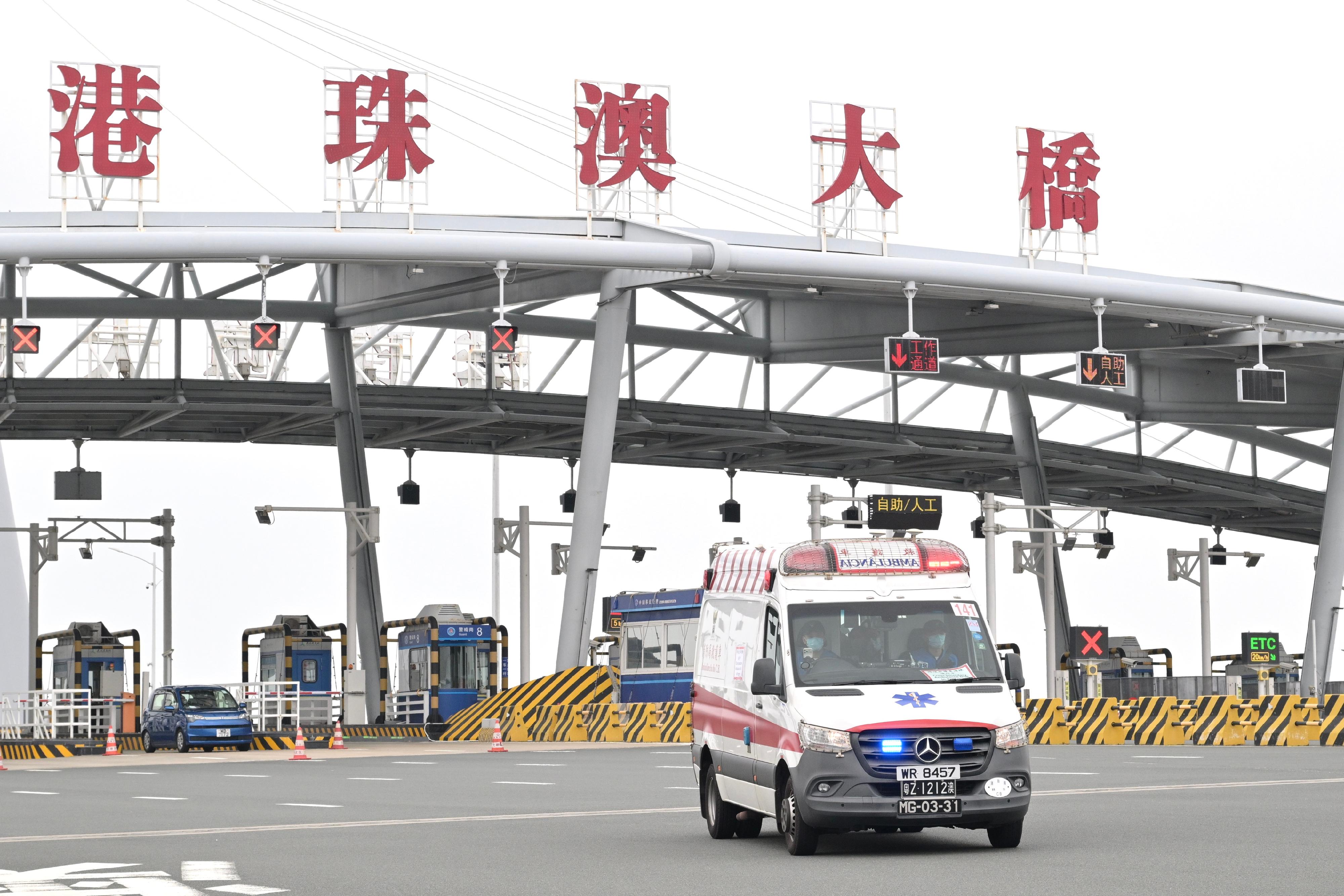
Hong Kong began the official implementation of two-way ambulance transfer arrangements with Shenzhen, Zhuhai and Macao on Friday under a pilot scheme for direct cross-boundary ambulance transfer in the Guangdong-Hong Kong-Macao Greater Bay Area.
Announcing the launch, the Hong Kong Special Administrative Region government termed it as a significant milestone in realizing high-quality medical collaboration in the Bay Area and advancing the high-quality development of a 'Healthy Bay Area.'
“The official implementation of two-way transfer of the pilot scheme starting today offers a safer, more timely and convenient transfer arrangement for patients in the region with specific needs,” Secretary for Health Lo Chung-mau said, terming it as one of the important measures of the Outline Development Plan for the GBA.
Pointing out that the arrangements for the direct ambulance transfer involve cross-boundary travel of vehicles, healthcare personnel, drugs and medical devices, he thanked all the relevant authorities for their efforts and collaboration in facilitating the advancement of the pilot scheme in a smooth and orderly manner.
Launched on Nov 30, 2024, the pilot scheme will be extended until Nov 29 this year, according to the government.
RELATED ARTICLES
- Cross-boundary ambulance speeds first patient from GZ to HK
- Zhuhai, HK transport first patient via direct ambulance service
- Elderly take cross-border option to avoid lengthy delays
Two separate drills preceded the official implementation of the pilot scheme. The first northbound transfer drill with the Guangdong Provincial Government and the Shenzhen Municipal Government took place on Feb 10.
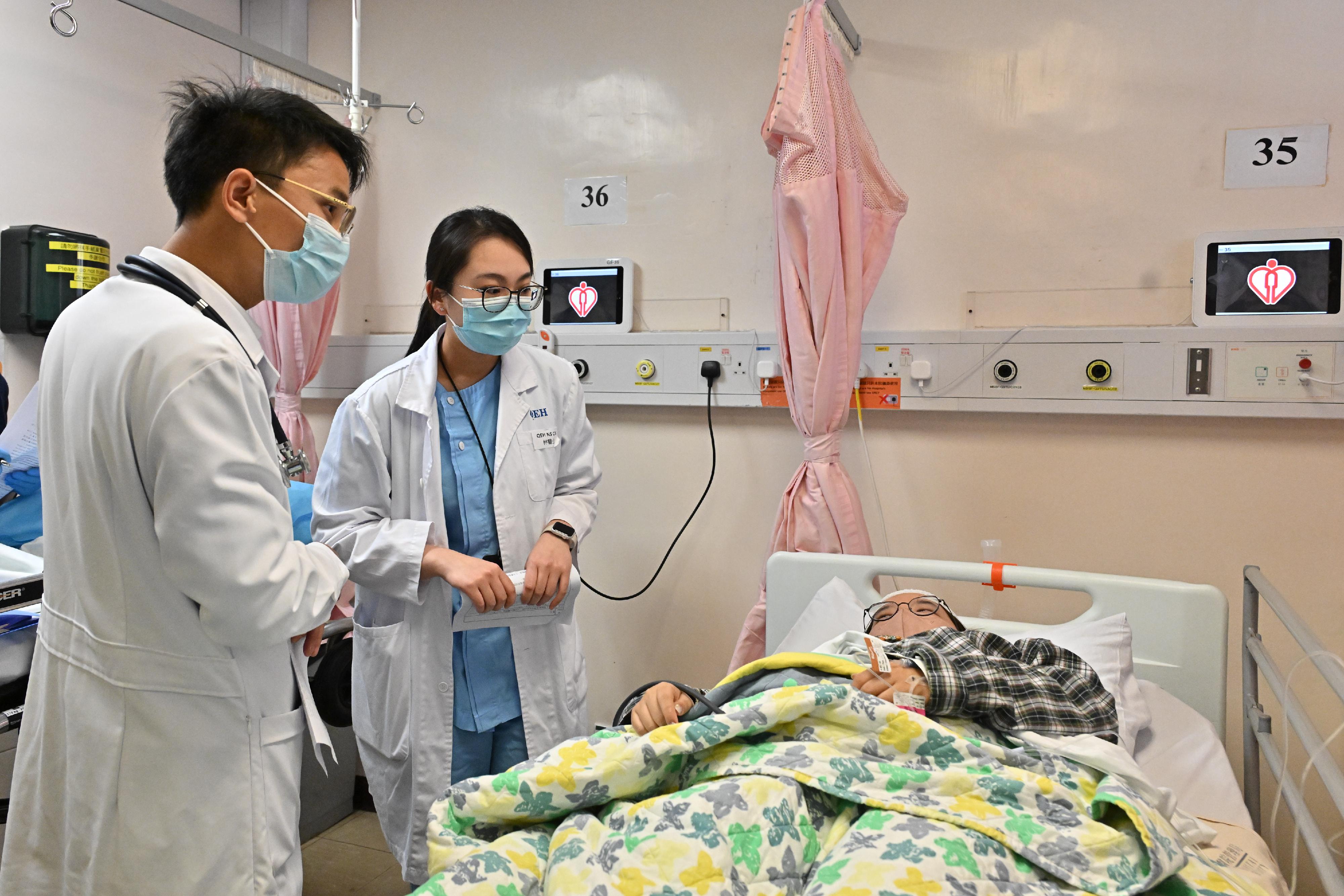
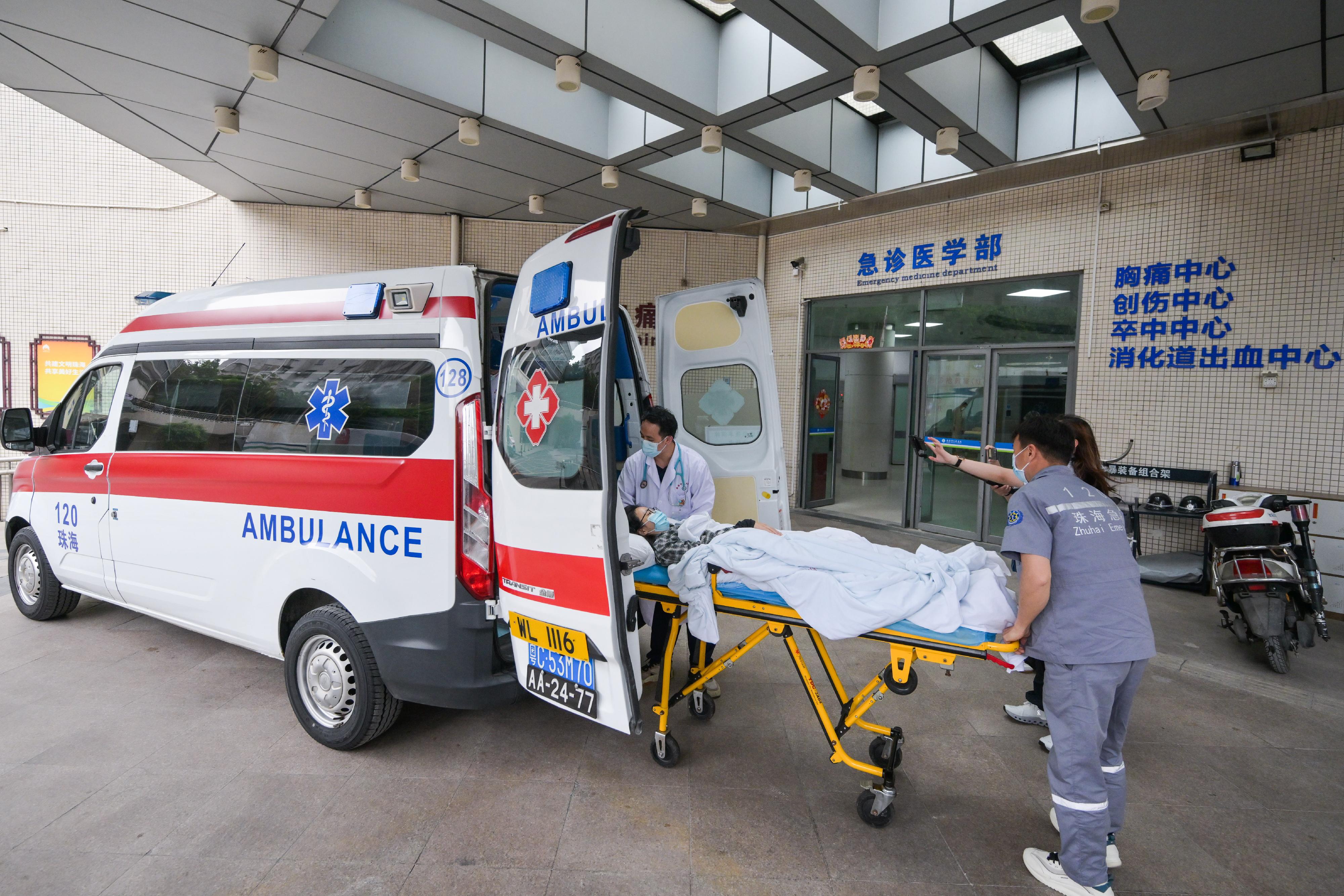
On March 20, the HKSAR government conducted a two-way transfer drill with the Zhuhai and Macao Special Administrative Region governments. During the exercise, the Zhuhai and Macao ambulances first departed from designated receiving hospitals – Zhuhai People's Hospital (ZHPH) and Conde S. Januario Hospital of Macao – and traveled to the designated sending hospitals in Hong Kong – Princess Margaret Hospital and Hong Kong Children's Hospital – via the Hong Kong-Zhuhai-Macao Bridge Port to pick up the patients.
They later transferred the patients back to the designated receiving hospitals via the same port for treatment. The testing process was smooth, the HKSAR government said.
Twenty-five patients have been transferred from designated sending hospitals in Shenzhen, Zhuhai, Nansha, and Macao to designated public hospitals in Hong Kong for treatment as of late March.
According to medical assessments, the patients needed continuous hospitalization. Though their conditions were relatively stable, they were unable to cross the boundary on their own and were unsuitable for transfer to an ambulance via the existing boundary control points.
Jasperine Ho, vice president and deputy chief executive of The University of Hong Kong-Shenzhen Hospital, said the launch of the two-way ambulance transfer between Shenzhen and Hong Kong marks another breakthrough for the hospital in building its cross-boundary medical service system.
It has further opened up the two-way channels for medical treatment across the GBA, effectively improving the efficiency and security of medical care for critically ill patients in the region, she said.
"The development is not only an important advancement in medical cooperation between the two places, but also a vivid demonstration of our efforts to respond to the health needs of the Greater Bay Area residents and support the high-quality medical development of the region," she added.
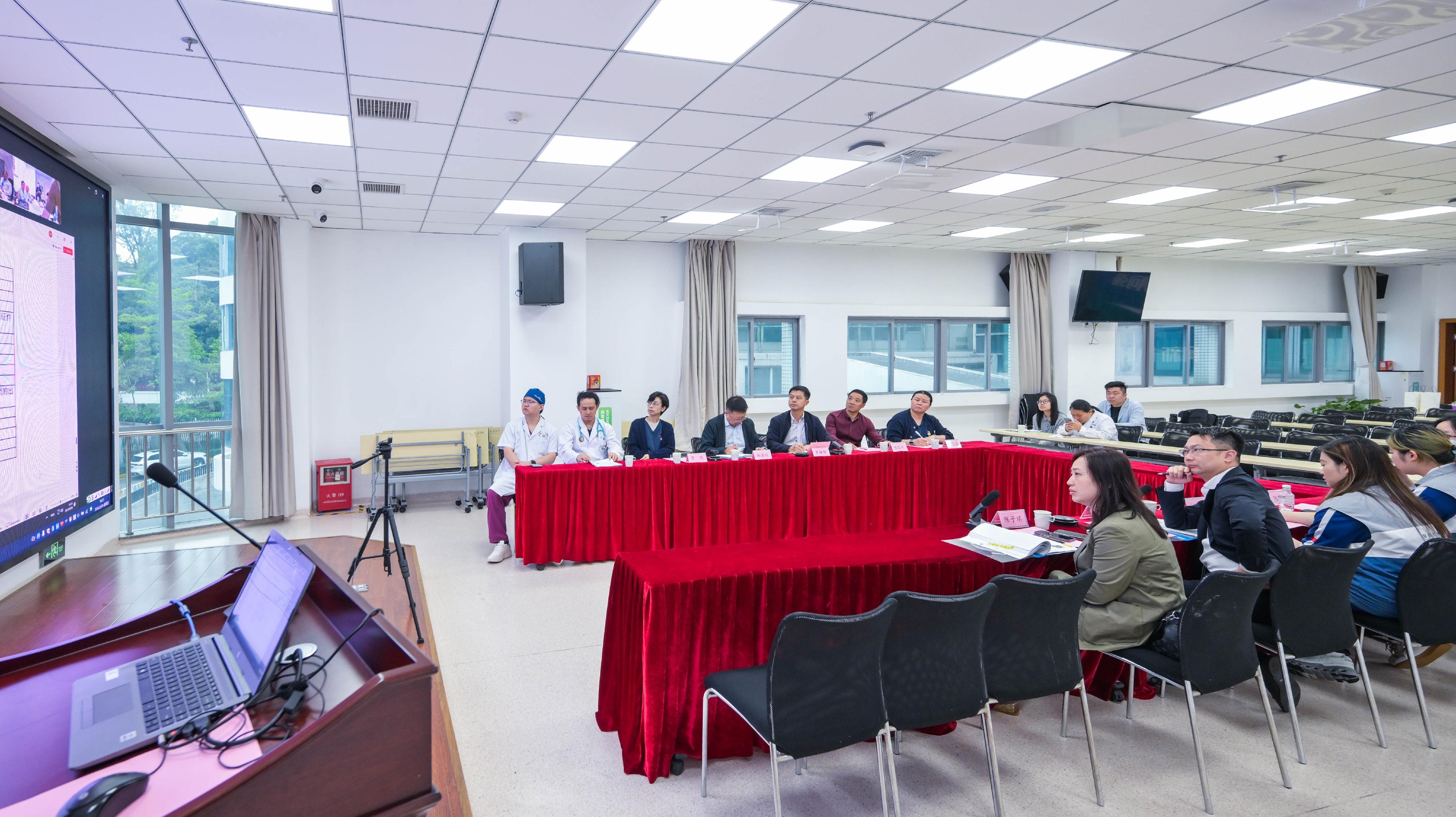
Wen Yajing, executive director at the Department of Hong Kong, Macao, and Regional Development at the China Development Institute, said direct ambulance service between the HKSAR and the Chinese mainland can meet Hong Kong residents’ growing demand for medical treatment in the mainland, especially in Shenzhen and Zhuhai where many Hong Kong people live.
Many cross-boundary policies involving Hong Kong start with one-way openings, which helps the two sides accumulate experience and explore the most suitable approach based on their varying regulatory systems, she told China Daily. The two-way transfer arrangement shows that the GBA medical integration is shifting from one-way assistance to mutual flows, she added.
By coordinating different departments, including health authorities and customs clearance agencies, the program has found a workable mechanism to bridge institutional differences, she said, expressing her hope that the experience could be replicated in more areas such as elderly care and education.
Zhou Mo and Li Bingcun also contributed to this report
