

Xiadongzhai preserves ancient riding tradition
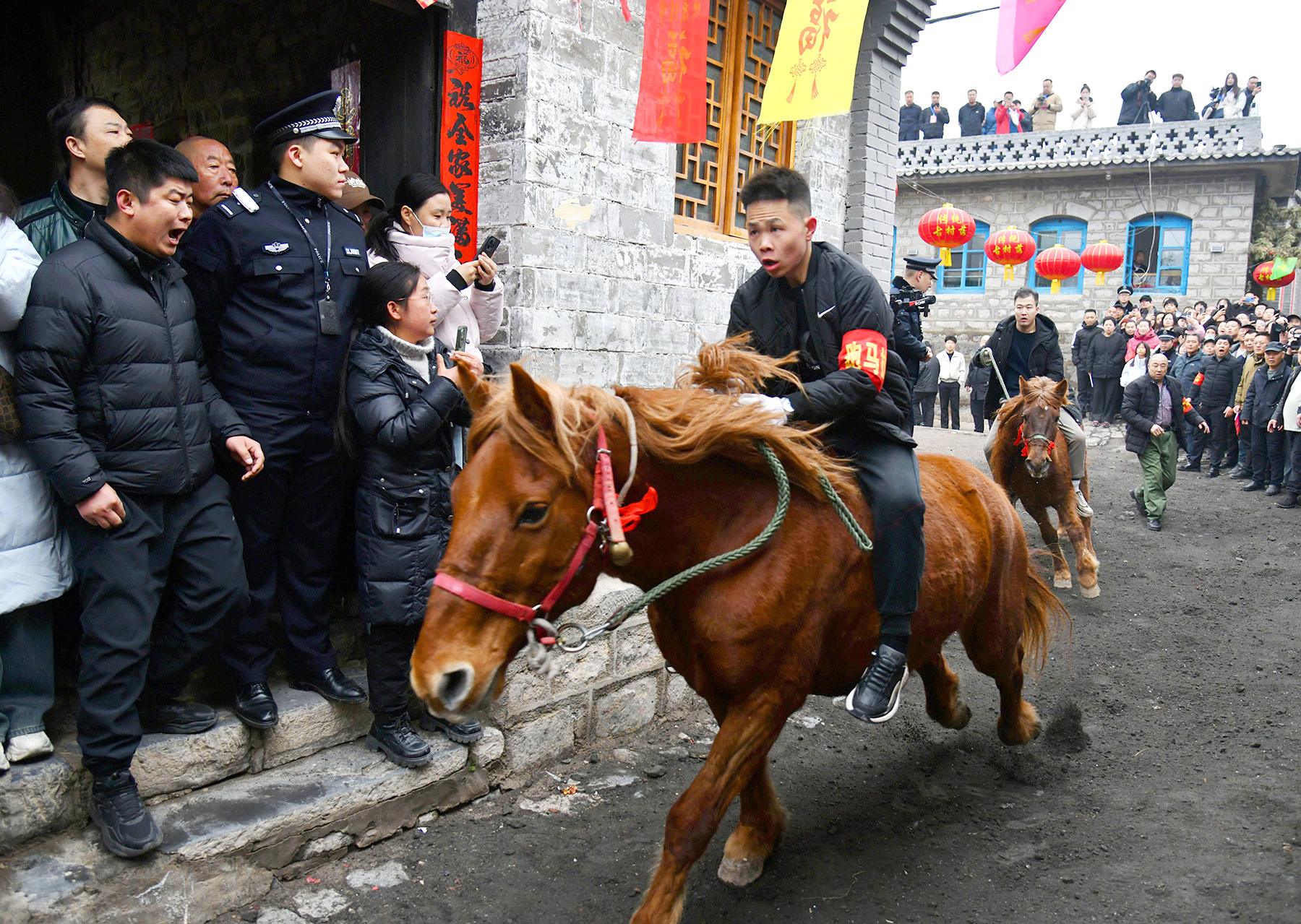
In the shadow of the Great Wall, 45-year-old Dong Jinxiang urged his horse along an ancient narrow path, tightly gripping with his legs to maintain balance. Eschewing modern equestrian styles, he rode without a saddle or stirrups, a testament to his skill and a fervent blessing for the Year of the Horse.
On March 4, the sixteenth day of the first lunar month, the village of Xiadongzhai in Niangziguan township, Pingding county, Shanxi province, became a hub of excitement. Just six kilometers from Niangzi Pass, the ancient village, with a population of around 200, was once more thrust into the national spotlight by the age-old tradition of Paomapai — a bareback horse-riding event passed down through generations.
"This year is my first time leading the charge," said Dong. "It means bigger responsibility and a better fortune."
A truck driver by trade, Dong has been riding horses since he was 14. This year he formally took over the role of "messenger" from the previous bearer, Dong Huping.
READ MORE: Horse racing sees ancient village gallop ahead
The origins of Paomapai date back to the late Eastern Han Dynasty (25-220), when the area served as a crucial military conduit between the provinces of Shanxi, Hebei and Henan. Pressed by the urgency of war, couriers had to ride swiftly, without taking time to saddle their horses. Over time, this military necessity evolved into a cultural hallmark, boasting a history of more than 1,000 years.
In 2021, the Paomapai tradition was recognized as a national intangible cultural heritage, and in 2024, it was included in UNESCO's Representative List of the Intangible Cultural Heritage of Humanity as part of the "Spring Festival — Chinese New Year Celebrations" project.
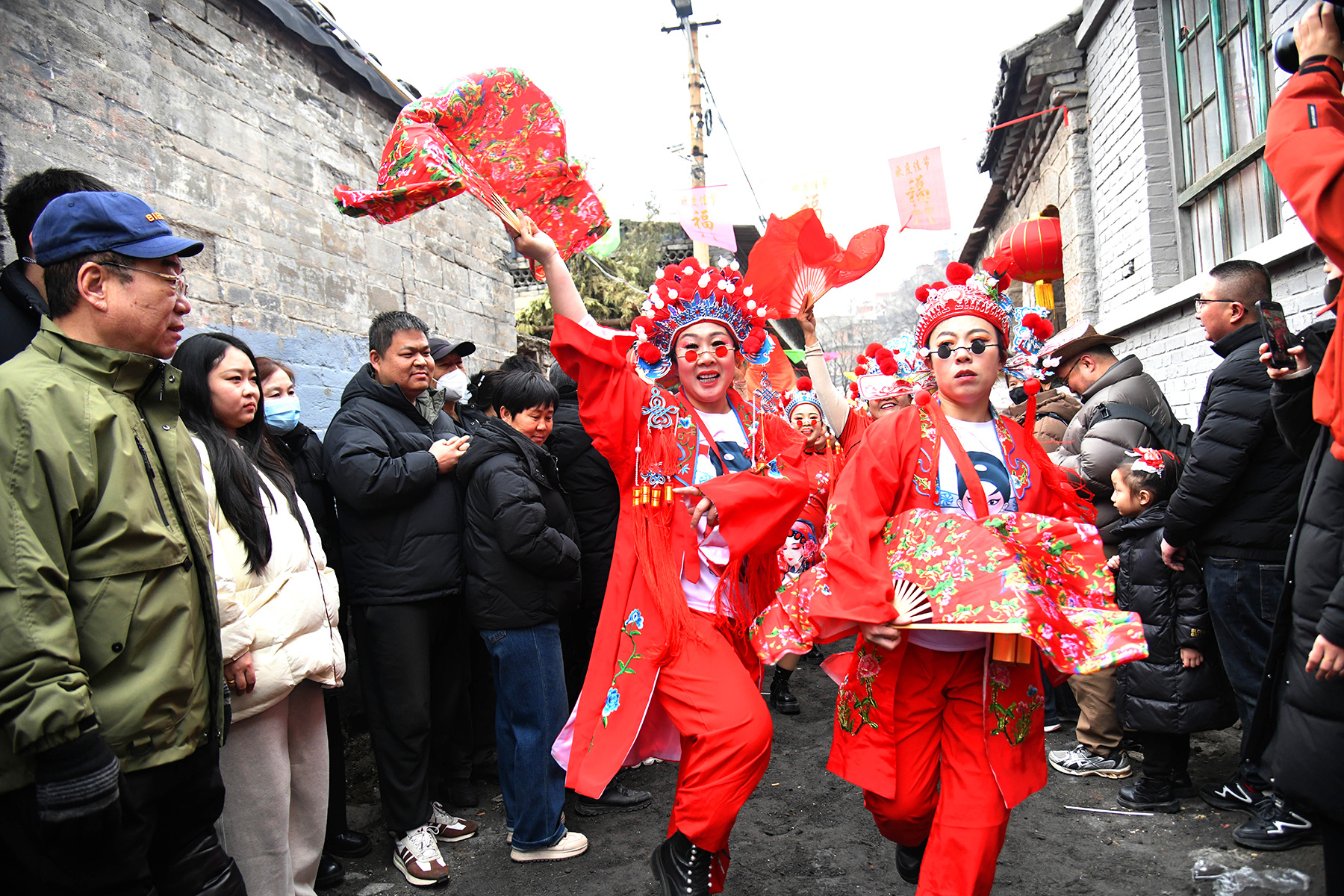
On the day of the event, the village strictly adheres to ancient customs. At the sound of the first gong, residents spread ash and sand to level the paths in front of their homes. The second gong signals the "lamp officials", chosen from among the villagers, to inspect the route on horseback. With the third gong, Paomapai officially begins, as drum troupes, yangge dancers and traditional shehuo performers take turns, heightening the festive atmosphere.
"For years, no matter how busy or tired I was, I kept participating," said 52-year-old Dong Huping, who has been part of the celebration for 37 years. But this year, due to health reasons, he passed the baton to the next generation. "Over the years, getting injured or falling from the horse was common, but I'd be back the next year," he said.
Dong Huping is heartened to see the younger generation embracing the tradition. Among the 30 riders participating this year, over 60 percent were born in the 1990s or 2000s. The youngest rider, 24-year-old Li Yang, is already gaining attention as the next torchbearer. He shared videos of the Paomapai on social media, attracting interest from across the globe.
"We used to worry that young people leaving the area for work would lead to the tradition dying out, but now there's hope," said Dong Wenjun, the Party secretary of Xiadongzhai. He said that through participation, young people find a sense of identity and cultural belonging, adding: "Every year, tourists from neighboring provinces and even foreign countries come specifically to witness this event."
In recent years, with government support, Xiadongzhai has strengthened its efforts to preserve this intangible heritage. A training center has been established, horses and equipment acquired, and mentorships fostered between old and new practitioners. In addition to retaining the riding ritual, the village preserves its ancient temples, stone bridges and opera stages.
Li Yongjie, a visitor from Zhengding, Hebei province, said: "Seeing Paomapai live is thrilling! The performers are fearless, and the villagers are incredibly hospitable — it's unforgettable."
Added Dong Wenjun: "As long as you're willing to ride, you're welcome to join."
Zhao Yunzhuo contributed to this story.
Contact the writers at zhuxingxin@chinadaily.com.cn
