


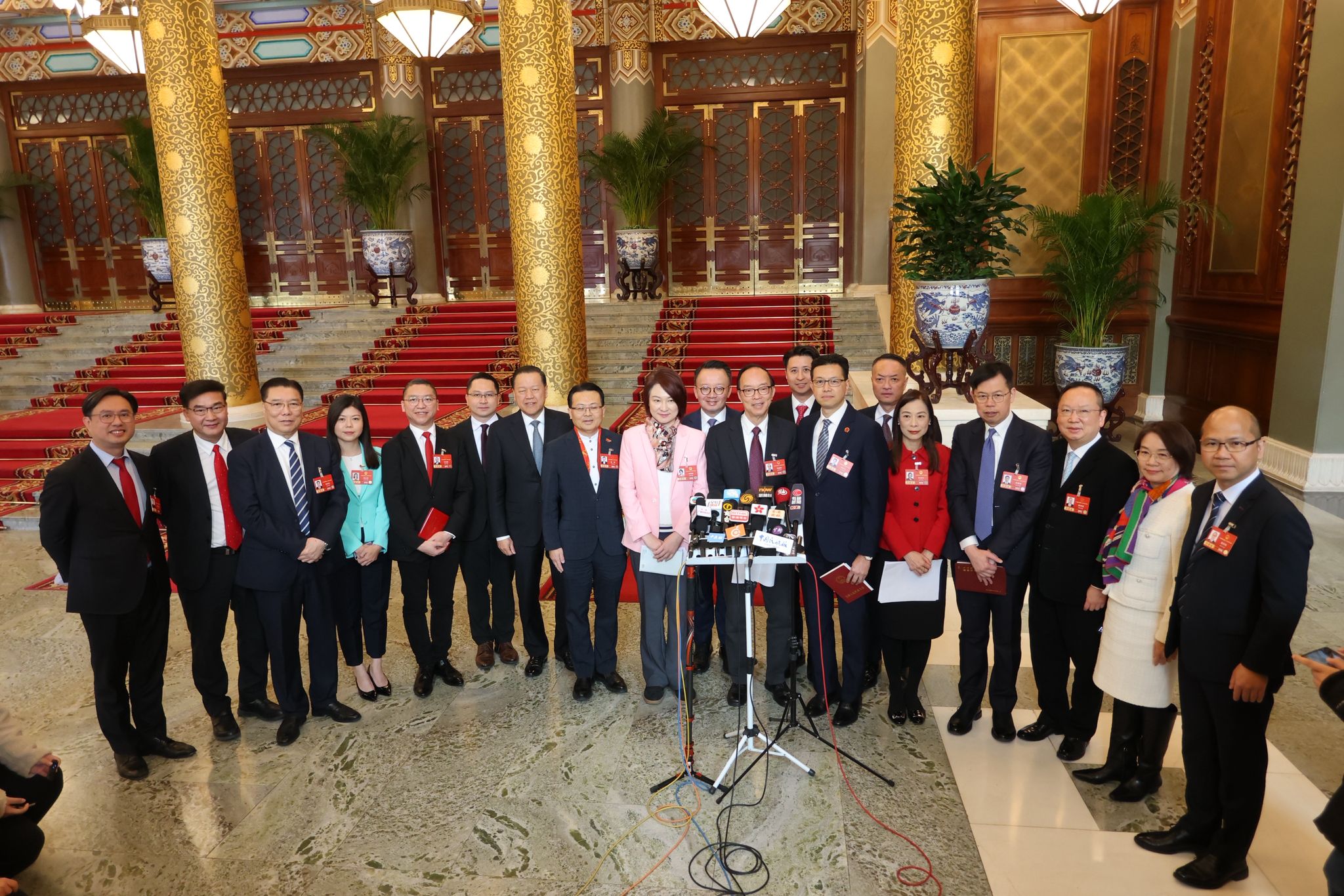
National legislators from the Hong Kong Special Administrative Region on Saturday pledged to take concrete actions in their respective fields to meet Vice-Premier Ding Xuexiang’s call for Hong Kong to uphold its executive-led system and better integrate into national development.
The response came after Ding said the executive-led system is a “shared responsibility and task” for the SAR government, legislative and judicial branches, as well as all sectors of the city’s community, when he joined deliberations among HKSAR deputies to the National People’s Congress at the fourth session of the 14th NPC.
Ding, who is also a member of the Standing Committee of the Political Bureau of the Communist Party of China Central Committee, reiterated the extreme importance of Hong Kong’s executive-led system.
He said the system is not solely the responsibility of the chief executive and the SAR government, but a collective duty shared by the legislature, the judiciary and all sectors of Hong Kong society. He also called on the city to better integrate into national development, particularly by aligning with the upcoming 15th Five-Year Plan (2026-30) while firmly safeguarding social stability and security to promote high-quality economic growth.
NPC deputy and Hong Kong lawmaker Priscilla Leung Mei-fun said she was deeply moved by Ding’s encouraging remarks.
RELATED ARTICLES
- Executive-led system a ‘shared responsibility’ for HK sectors, says Ding
- CE: Executive-led system key to HK’s effective governance
- HK, Macao urged to make most of five-year plan
- SARs urged to contribute to national goal
She said the vice-premier’s expectations have fully demonstrated the nation’s anticipation for Hong Kong to actively align its development with that of the nation during the 15th Five-Year Plan period. She added that this alignment is also an important prerequisite for the SAR’s future development.
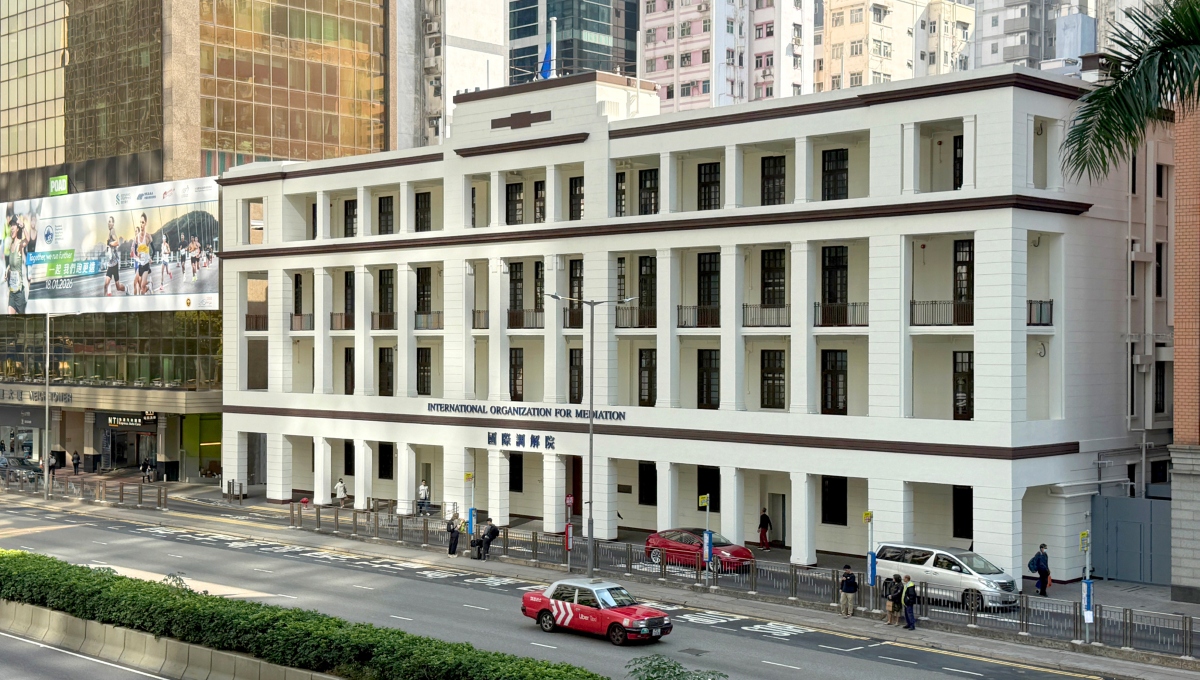
One way Hong Kong can contribute is by promoting and facilitating the development of the newly established International Organization for Mediation — the world’s first intergovernmental body dedicated solely to mediation.
The IOMed, headquartered in Hong Kong, aims to deepen the nation’s role in international law and global governance amid a turbulent geopolitical situation, Leung said.
Hong Kong can also contribute by cultivating legal and professional talent that meets the nation’s high-quality development objectives, given its unique advantages such as the common law system, a solid foundation in the rule of law, and an international perspective that brings together Chinese and Western cultures. Its long-standing experience in participating in the international economic and trade system positions the city well for this role, she added.
Another Hong Kong NPC deputy, Maggie Chan Man-ki, a seasoned solicitor and legislator, suggested optimizing the executive-led system during the group deliberations.
She called for institutionalizing the proactive engagement of the city’s Legislative Council with the SAR government on bills — from pre-submission to post-implementation — and for enhanced judicial training to ensure that national security rulings align with the principles of safeguarding national security and common law.
The executive, legislative and judicial branches must “perform together as one ensemble”, she said.
Ma Fung-kwok, head of the Hong Kong delegation to the NPC, highlighted Ding’s emphasis on leveraging Hong Kong’s advantages to integrate into national development while pursuing its own progress.
During the deliberations, deputies from Hong Kong shared their views on topics like the city’s post-electoral reform situation, and the SAR’s role as an international financial center and medical hub.
Contact the writer at amberwu@chinadailyhk.com
