

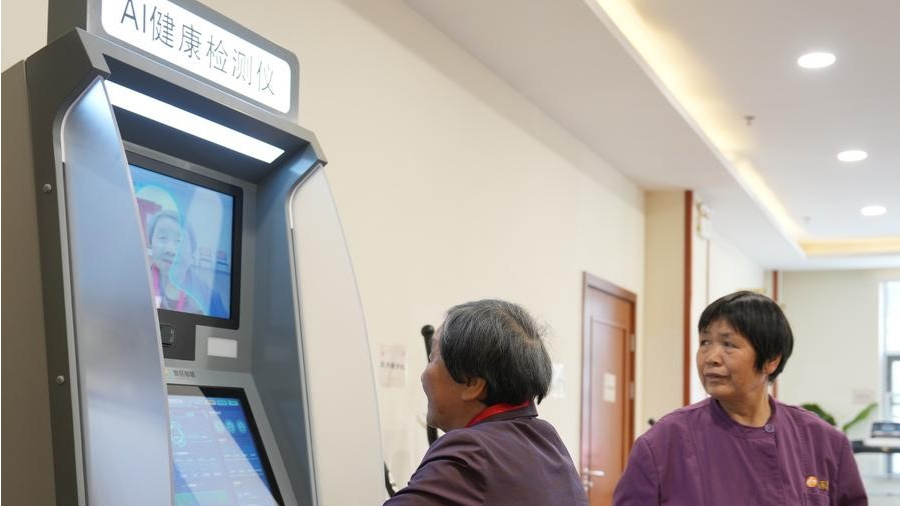
China plans to expand the supply of elderly care services, develop human resources among seniors, and vigorously cultivate the silver economy this year as part of efforts to tackle an aging society, according to a draft government work report submitted on Thursday to the country's top legislature for deliberation.
The report stresses the need to increase the provision of public-interest elderly care services and to improve them in rural areas. It added that elderly care service vouchers will be granted to seniors with moderate or severe functional impairments.
The nation also plans to tap the potential of its elderly human resources and formulate measures to promote the high-quality development of the silver economy. To meet the diverse demands of the elderly, supportive policies will also be refined for senior-friendly products, pension finance, and senior relocation for wellness and care.
ALSO READ: China improves health services for elderly unable to care for themselves
Meanwhile, the nation will launch an initiative to expand and improve rehabilitation care services and advance its long-term care insurance programs. Seniors living alone, people with physical and cognitive impairments, and other groups in need will gain access to greater care and assistance, it added.
The number of people aged 60 and above reached nearly 323.4 million by the end of last year, up by 13.07 million from 2024, according to data from the National Bureau of Statistics. However, the proportion of relatively younger seniors aged 60 to 64 is sizable, and most of them are in good health, have a strong willingness to engage in social activities, and have played an important role in economic and social development, said authorities.
The report also highlights a series of fertility-friendly measures, such as fostering positive attitudes toward marriage and childbearing, boosting housing support for first-time married couples and those with their first child, and helping families with children meet their needs for better housing.
"We will refine the maternity insurance and parental leave systems, expand demonstrations and trials for subsidized childcare services, and provide support for public-interest childcare services and integrated nursery and childcare services," it added.
