

Determined to turn aging into a stage of autonomy and joy, a young entrepreneur reshapes elder care across urban communities.
When Jing Ran returned to China in 2009 after graduating from a university in the United States, he was determined to devote his life to solving a pressing social challenge rather than pursue a conventional career.
"Fresh out of school and full of ambition, I wanted to make a tangible contribution," said the young entrepreneur from Taiwan.
He spent the next six months traveling across the country, observing life in cities, towns, and rural communities. That search for purpose eventually led him to elder care — and to a bold vision: transforming aging from a period of limitation into one of dignity, autonomy, and joy.
Today, Jing is the founder of Time Light Care Group, a company focused on innovative solutions to improve elderly care.
Among its innovations is a hospital shuttle equipped with a detachable smart seat. With the press of a button, the seat slides out of the vehicle, gently rotates, and lowers to the ground. It then detaches and converts into a compact electric wheelchair, allowing users to enter the hospital independently — without the physical strain or logistical hurdles that once made such trips daunting.
"We want to move the industry beyond basic care toward truly helping people enjoy their later years through accessible, high-quality services," Jing said.
READ MORE: Bridging generations
His six-month journey took him from Manzhouli in Inner Mongolia to the southernmost tip of Hainan, and westward to Shangri-La in Yunnan.
Yet the scenes that left the deepest impression were not found at China's geographic extremes, but in everyday public spaces — along the Qiantang River in Zhejiang province and in Cuihu Park in Kunming, the capital of Yunnan.
"The streets were filled almost entirely with elderly residents," Jing recalled. "Large groups of older adults gathered spontaneously to sing, dance, write poetry, paint, and even arrange matchmaking. It was all self-organized leisure."
What struck him was not only how visible and active seniors were, but how central aging had already become to China's social fabric.
"I hadn't seen so many seniors voluntarily gathering in public spaces in other countries," he said. "That was when I realized this was the issue that I wanted to devote myself to."
With 1.4 billion people and more than one-fifth of them aged 60 or above, China was entering an unprecedented demographic transition. "In second — and third-tier cities and smaller towns, there is enormous unmet demand for elder-care services," Jing said.
"Families are facing real pressures — labor shortages, rising costs, and the strain of caring for aging parents," he added.
Turning conviction into action, however, proved far more difficult than identifying the problem.
"When I first entered the field, the eldercare industry was still in its infancy, and policies were limited," Jing said.
He began by offering consulting services, studying regulations and operational models, and learning through trial and error."There were moments when inexperience led to costly mistakes," he said.
After nearly five years of preparation, Jing opened his first elder-care facility in Tianjin in 2014. The home focused on families with urgent, non-negotiable needs — seniors living with disabilities, Alzheimer's, or other forms of dementia.
"Finding our first client, learning how to properly care for someone with cognitive impairment or severe behavioral symptoms, ensuring their safety while protecting other residents — in the beginning, every single step was difficult," he said.
Living, not housing
Today, Time Light Care operates more than 1,800 beds across over a dozen facilities in the Beijing-Tianjin-Hebei region, southwest China — including Yunnan, Guizhou, Sichuan, and Chongqing — as well as parts of the Guangdong-Hong Kong-Macao Greater Bay Area.
Through partnerships with local governments, the group also provides custodial services for seniors who live alone, have limited income, or lack family support.
What sustained the company, Jing believes, was not rapid expansion, but trust built patiently over time.
"Clients would invite me to their homes for meals and family gatherings," he said."To truly serve them, you have to become the most trusted life partner for each family."
For Jing, the essence of quality care lies in empathy and character.
"If I put myself in the shoes of a family member, what matters most is not how many certificates a caregiver holds or how many years of experience they have," he said.
"The real question is whether I can entrust them with the life of my parents or grandparents — and feel completely at peace," he added.
Drawing partly on his experience in Taiwan, Jing describes elder care not simply as an industry, but as a "life endeavor".
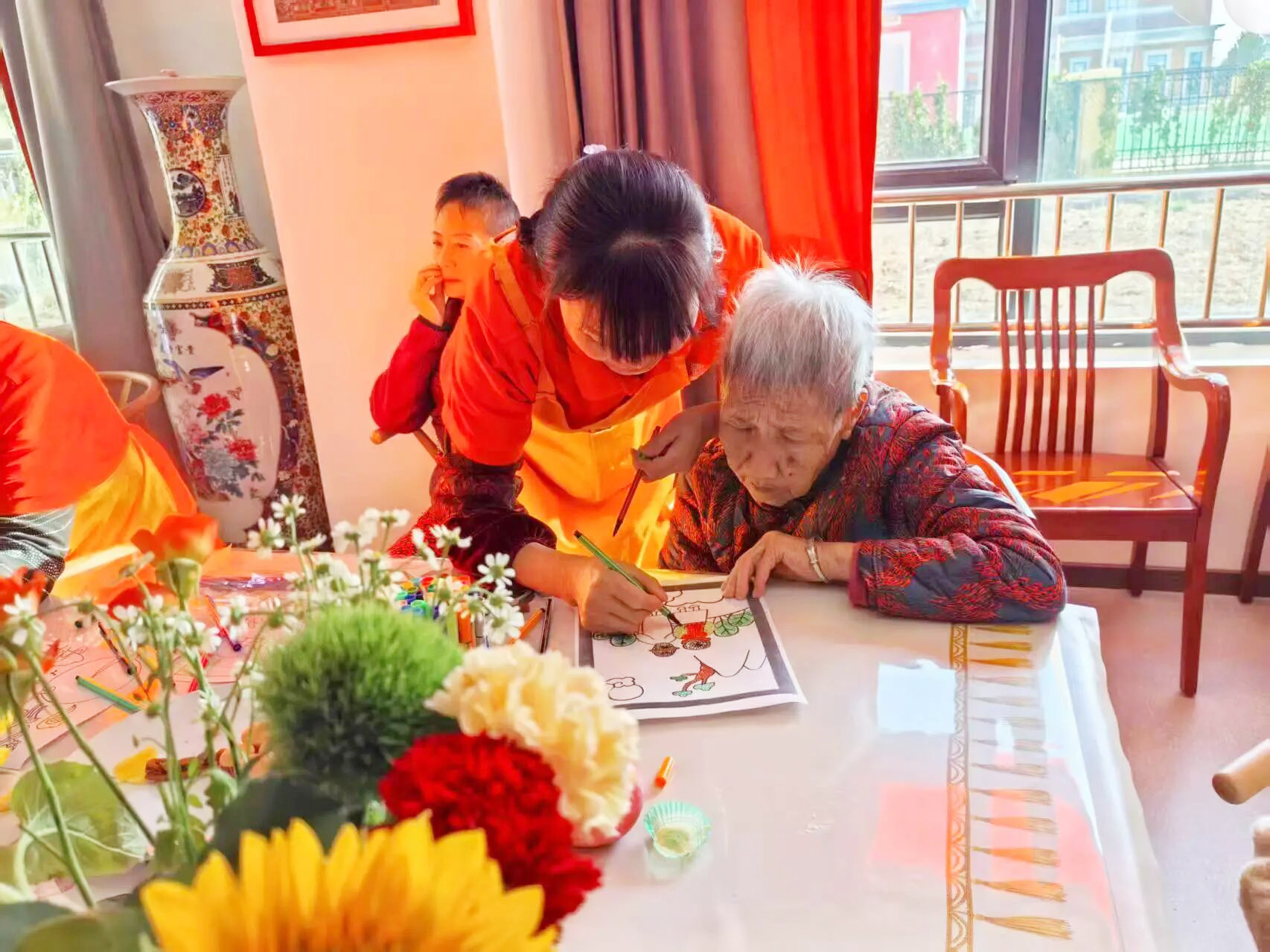
"Seniors are not just residing in our facilities — they are living their lives here. We strive to preserve the routines, interests, and sense of autonomy that once brought them joy and well-being at home," he said.
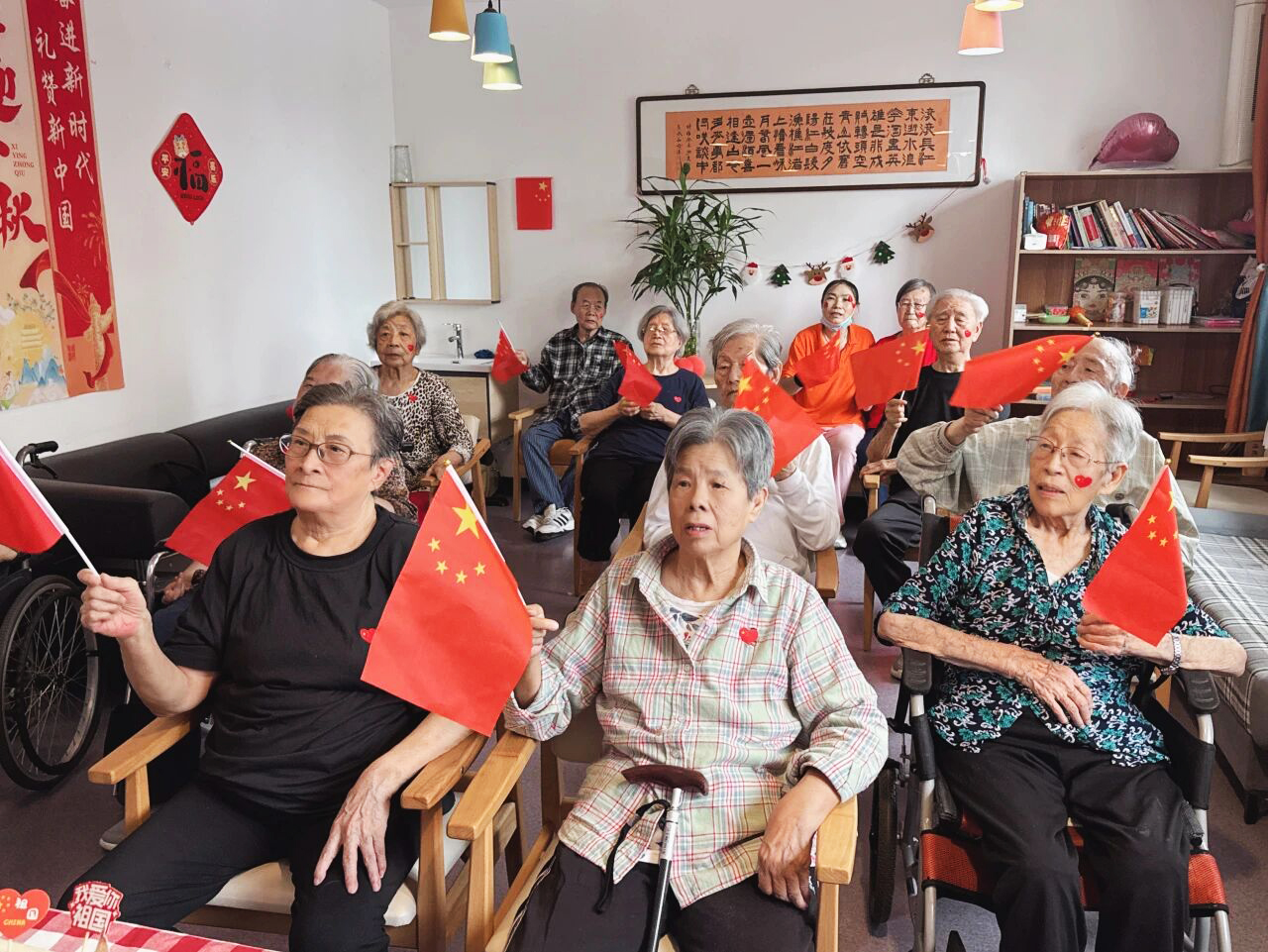
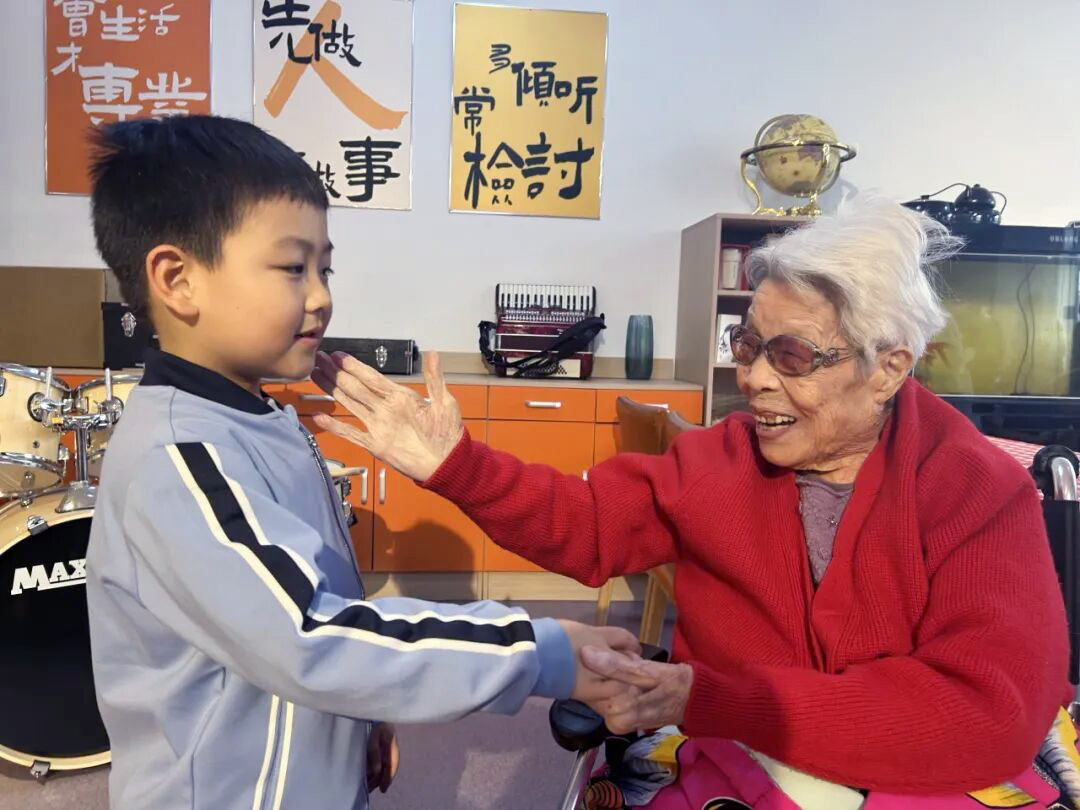
To prevent institutional life from becoming isolating, the company encourages community integration. Volunteer groups and local residents regularly visit, and most facilities are located within established urban neighborhoods rather than in remote scenic areas.
"I believe high-quality interpersonal relationships are one of the most important factors affecting longevity," Jing said.
Keeping seniors close to their original communities also makes it easier for families to visit regularly and for everyday social ties to endure.
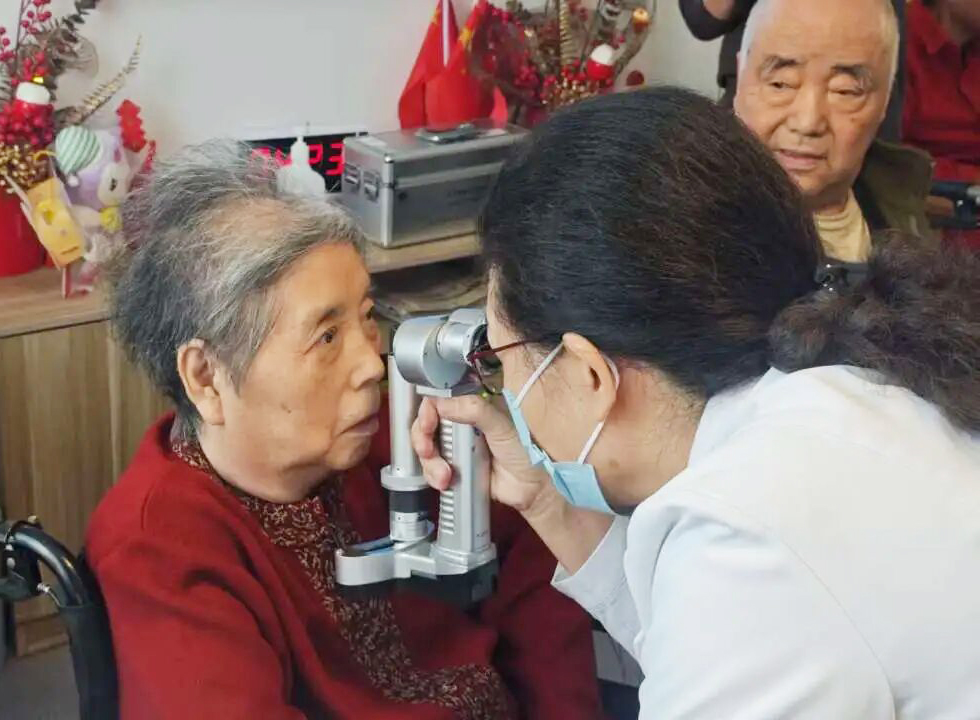
In recent years, Time Light Care has expanded beyond traditional residential institutions, exploring home-based services, hospital-based care, and assisted travel solutions — including the smart shuttle system that reflects Jing's original belief that aging should not mean losing mobility or independence.
ALSO READ: AI with a human touch
Looking ahead, he remains guided by the same conviction that first took shape during his journey across China nearly two decades ago.
"I'm not trying to build a real-estate project or sell financial products to the wealthy," he said. "I want to create a sustainable model — one that can expand into smaller cities and truly ease the burden on ordinary families."
As government policies become clearer and more supportive, Jing sees growing opportunity in the sector.
"Today, there is a more transparent path forward," he said. "I hope more young people will pay attention to this industry and become part of building its future."
Contact the writers at guojiatong@i21st.cn
