

Animated anthology returns, blending ancient stories and sharp visuals, Wang Xin reports in Shanghai.
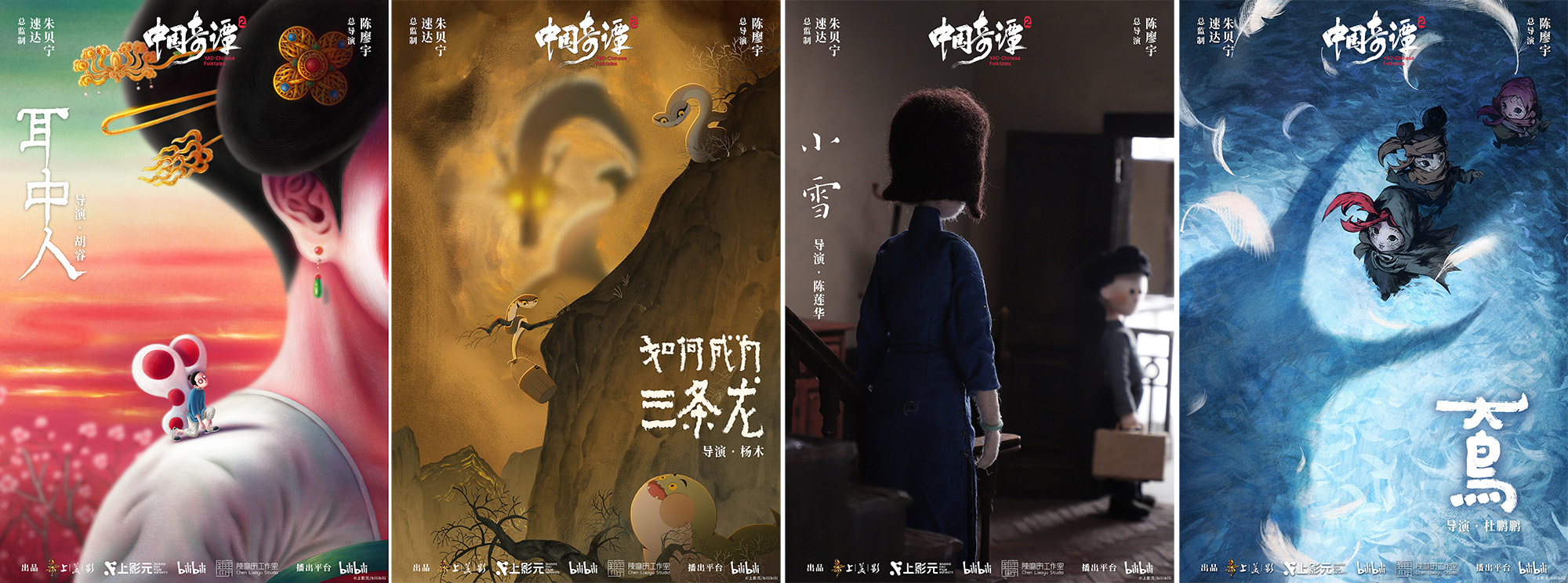
Two years after the phenomenal success of its Season 1, the hit animated series Yao — Chinese Folktales made a strong comeback with a highly anticipated Season 2.
Premiering exclusively on Chinese video-sharing platform Bilibili, the nine-episode Yao — Chinese Folktales 2 continues the series' creative core of "traditional culture through contemporary expression". The new season offers modern reinterpretations of classic cultural imagery, while delicately portraying the emotions and reflections of people living today.
As in Season 1, each episode is independently led and produced by different directors, resulting in a wide range of distinctive stories, styles and narratives. United by a shared exploration of Eastern aesthetics, the two seasons together weave Chinese-style fantasy into fables, embedding profound real-world meanings to inspire the audience.
ALSO READ: Festival animated by success
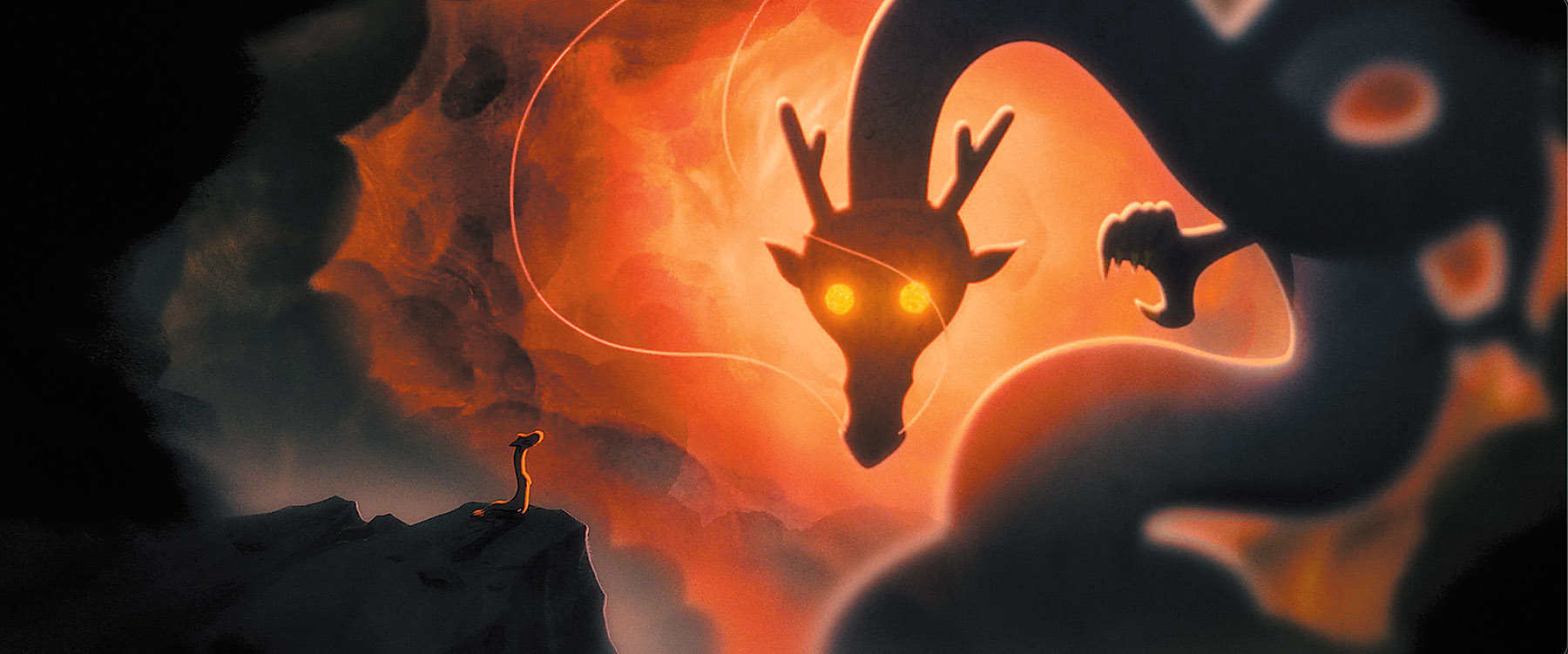
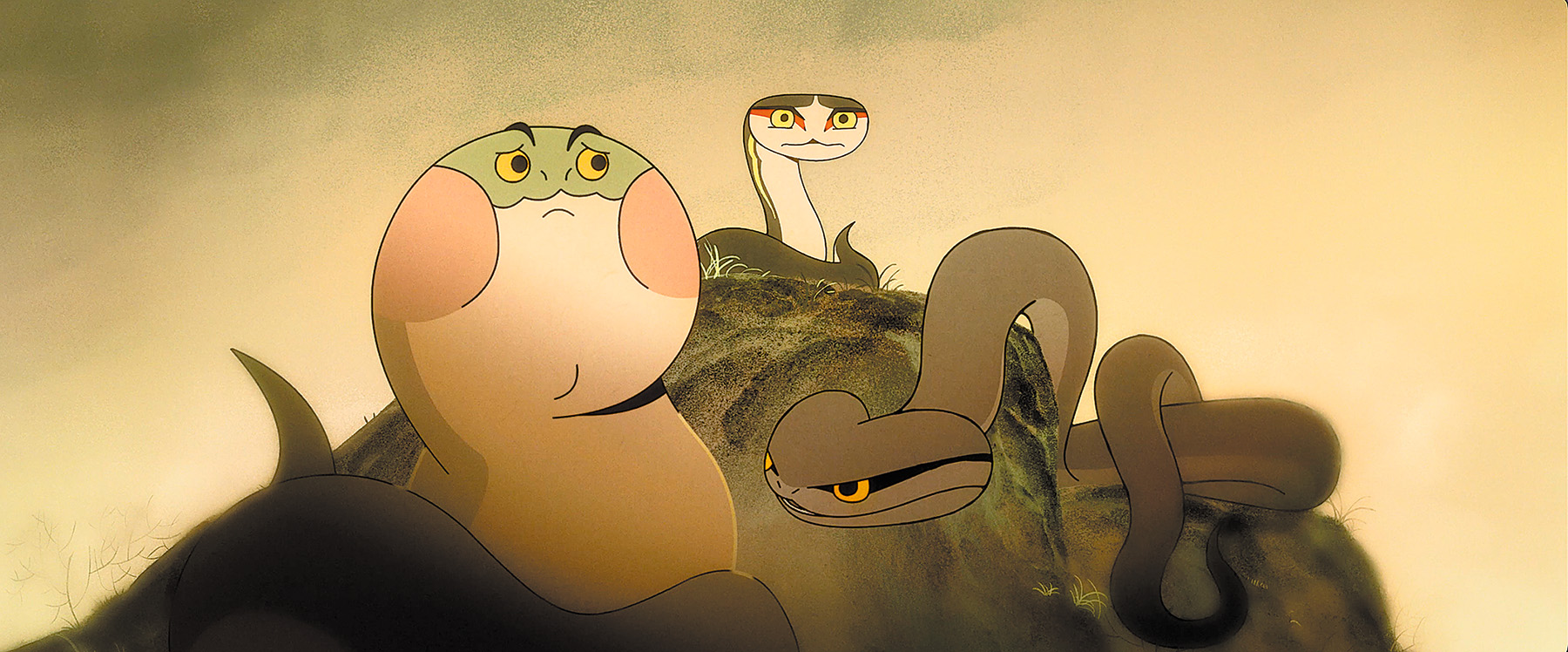
The first episode unveiled in this season, How to Become Loongs, explores the theme of "identity". Drawing on the Eastern mythological symbolism of snakes and dragons, the episode examines the tension between aspiration and self-acceptance, conveying a message about respecting individuality and breaking free from self-imposed limitations.
Rooted in the snake's cultural status as a precursor to the dragon, the story follows three tiny snakes who long to become godlike dragons. Through their relentless efforts to pretend to be rain-bringing dragon kings and bless the villagers, they gradually come to embrace who they are. True growth begins not through transformation, but through acceptance. In the end, instead of becoming dragons, the ordinary snakes are worshipped as themselves — and recognized as gods in their own right.
"We all dream of becoming great, but not everyone will realize that dream. We may probably not become what we first imagined, but it would be enough if we can touch and be recognized by one or two people around us," says Yang Mu, director of the episode, who returned for the second season.
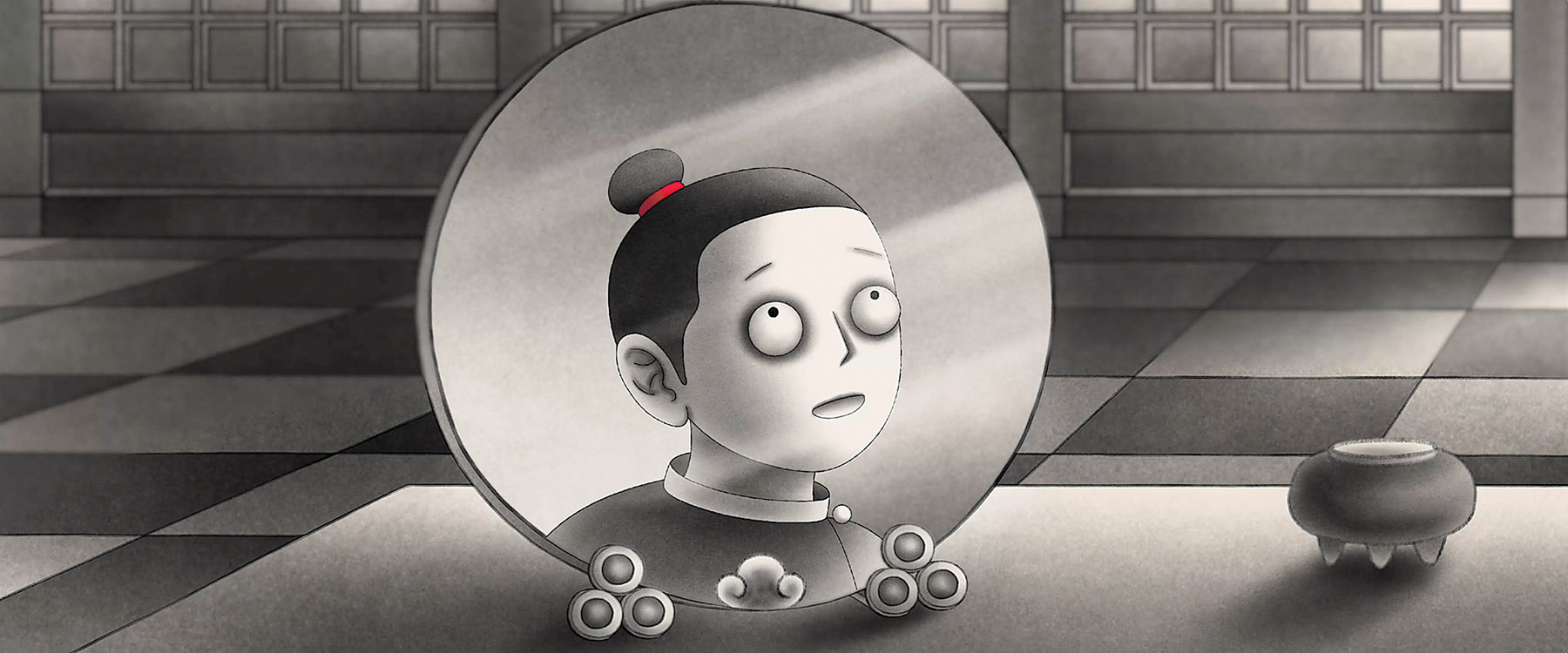
Hu Rui, the director of the episode Man in the Ear, also rejoined Season 2. Continuing his experimental visual presentation and narrative style in Goose Mountain from the previous season, this new episode delves into the topic of inner desire and accepting one's true self.
The story is adapted from Qing Dynasty (1644-1911) novelist Pu Songling's masterpiece Liaozhai Zhiyi (Strange Tales from a Chinese Studio). Departing boldly from the original narrative framework, the episode embodies the protagonist's inner desire as a yaoguai (supernatural being), residing in the ear.
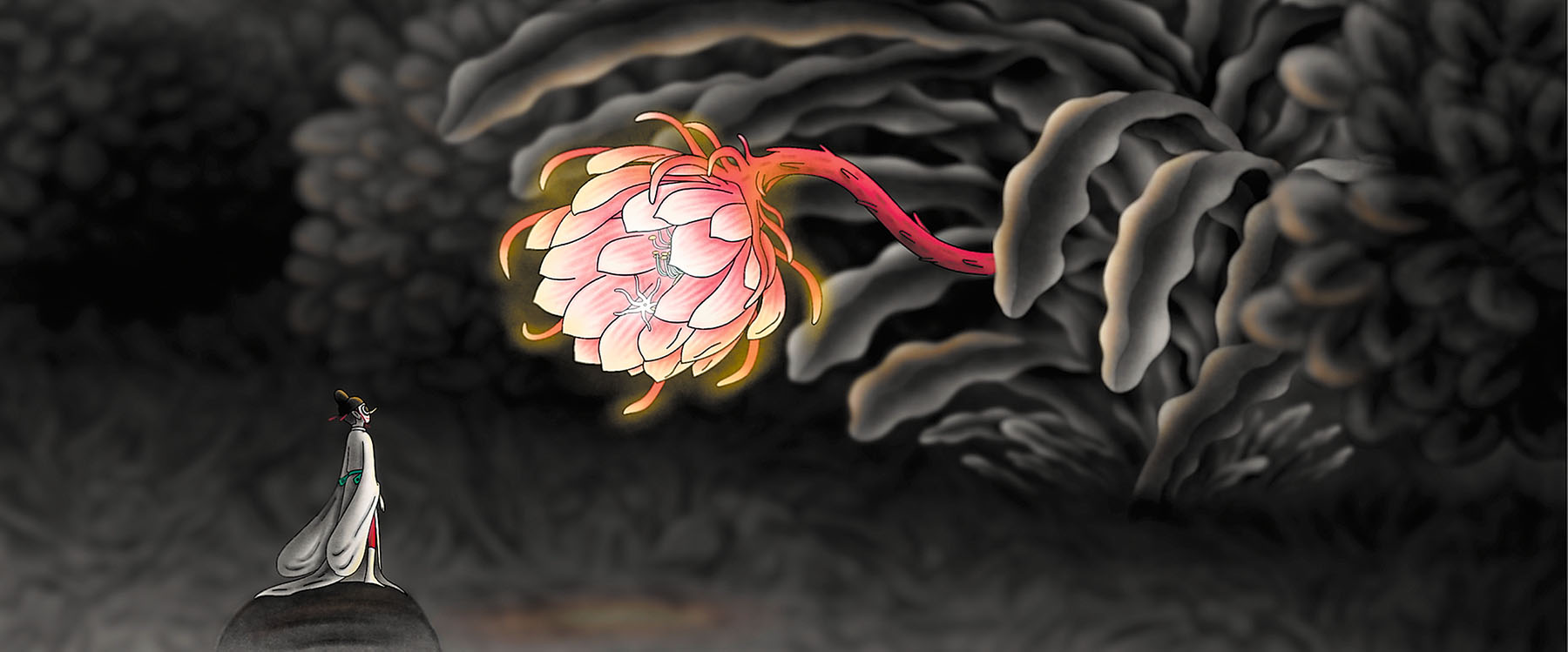
Through the protagonist's struggle with the yaoguai, the story presents a direct confrontation, dialogue and eventual reconciliation with personal desire. It suggests that the true challenge lies not in silencing inner voices, but in listening to and understanding them — a dilemma that continues to resonate with contemporary audiences.
In addition to the storytelling, the new season also actively explores new aesthetics and diverse expressions in the making. Ancient Chinese paintings and intangible cultural heritage elements like Nuo Opera are vividly blended in How to Become Loongs. In contrast, Man in the Ear crafts a distinctive, artistic and immersive audiovisual experience, with a cinematic quality and an innovative ASMR (autonomous sensory meridian response) sound design.
"Compared with my work in the previous season, we made greater efforts to achieve a cinematic quality while integrating Chinese supernatural imagery in this episode. Beyond stories and imagination, we also designed a film-level novel and unique sound experience. I strongly recommend that the audience wear headphones to fully capture the sound details," says Hu.
Among the remaining seven episodes of Season 2, The Headless Warrior draws inspiration from the ancient Chinese classic Shan Hai Jing (Classic of Mountains and Seas), and the heartwarming family story of Magic Garlic is the only sequel to a Season 1 episode. Technically, Xiao Xue adopts the art form of wool-felt stop-motion animation to tell a quiet, emotional story of a mother and a son, and Safe Zoo experiments with the mockumentary format in animated form.
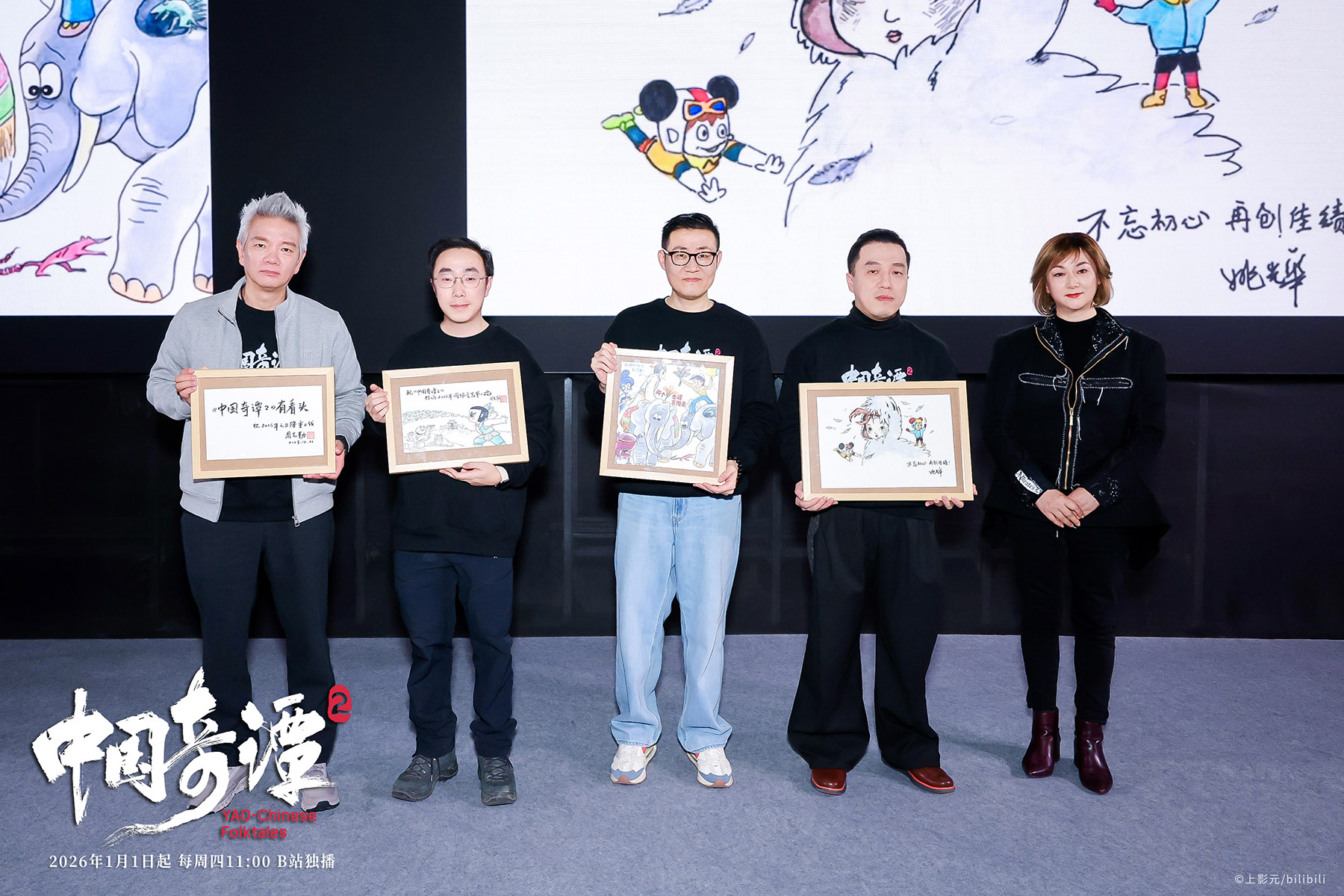
"Yao — Chinese Folktales 2 is remarkable in many ways. It ultimately explores and portrays how individuals discover themselves, find their true selves, confront their inner worlds, and achieve growth through life's journey," said Chen Liaoyu, chief director of the new season, at a recent event in Shanghai.
Chen pointed out that the series also pays tribute to the innovative spirit of Chinese animation, referring to "not imitating others, nor repeating themselves". The whole production team is sticking to this spirit, and hopes more young directors will join future projects rooted in Chinese cultural identity.
In 2023, Yao — Chinese Folktales premiered on Bilibili and became an instant hit. It amassed 360 million views and 798,000 bullet comments on the platform that year. During its two-month release period, more than 20,000 creators produced nearly 40,000 fan-made videos, with related derivative content garnering over 300 million views, according to Bilibili.
ALSO READ: Old tale, new admirers
Last year, Nobody, a feature-length spinoff adapted from one episode of the series, became a blockbuster film, earning nearly 1.72 billion yuan ($246.32 million).
"Chinese animation is moving forward, and so are we. We do not claim to 'represent' anything, but just keep exploring earnestly. It is the overall growth of China's animation industry that has enabled us to realize more of our ideas," says Chen.
Contact the writer at wangxin2@chinadaily.com.cn
