In October and November 2025, the Better Hong Kong Foundation (BHKF) dispatched two high level delegations — first to Paris and Zurich, then to Hangzhou and Shanghai. The missions strengthened Hong Kong’s position as a superconnector between China and the international community, opening direct dialog with business leaders.
Europe’s Shift Toward Pragmatism
The European leg carried particular weight. On the Foundation’s third visit to Paris and inaugural visit to Zurich from October 6–8, Karen Tang, Executive Director of BHKF, observed a shift in Europe’s stance toward China and Hong Kong.
“Europe’s attitude toward China is now more constructive than during our 2024 visit, with greater recognition in France and the European Union (EU) of the need to engage. Perceptions of Hong Kong have also improved, thanks to more frequent exchanges, reinforcing its role as a gateway closely aligned with the international community. With China offering visa free entry to European citizens, more Westerners have visited China and Hong Kong and seen firsthand that the reality differs from media portrayals.”
Paris Green Transition and Business Opportunities
In Paris, the delegation met Deng Li, Chinese Ambassador to France, along with leaders from the corporate and academic worlds. A highlight was the BHKF–Hong Kong Trade Development Council Business Roundtable, where Ronnie Chan, chairman of the executive committee, and council members John Lee and Ronald Chan shared insights on Hong Kong with French business associations, including Mouvement des Entreprises de France, Comite France Chine, and Choose Paris Region. Following the trip, a group of family offices and investment funds visited Hong Kong, with BHKF helping to host them.
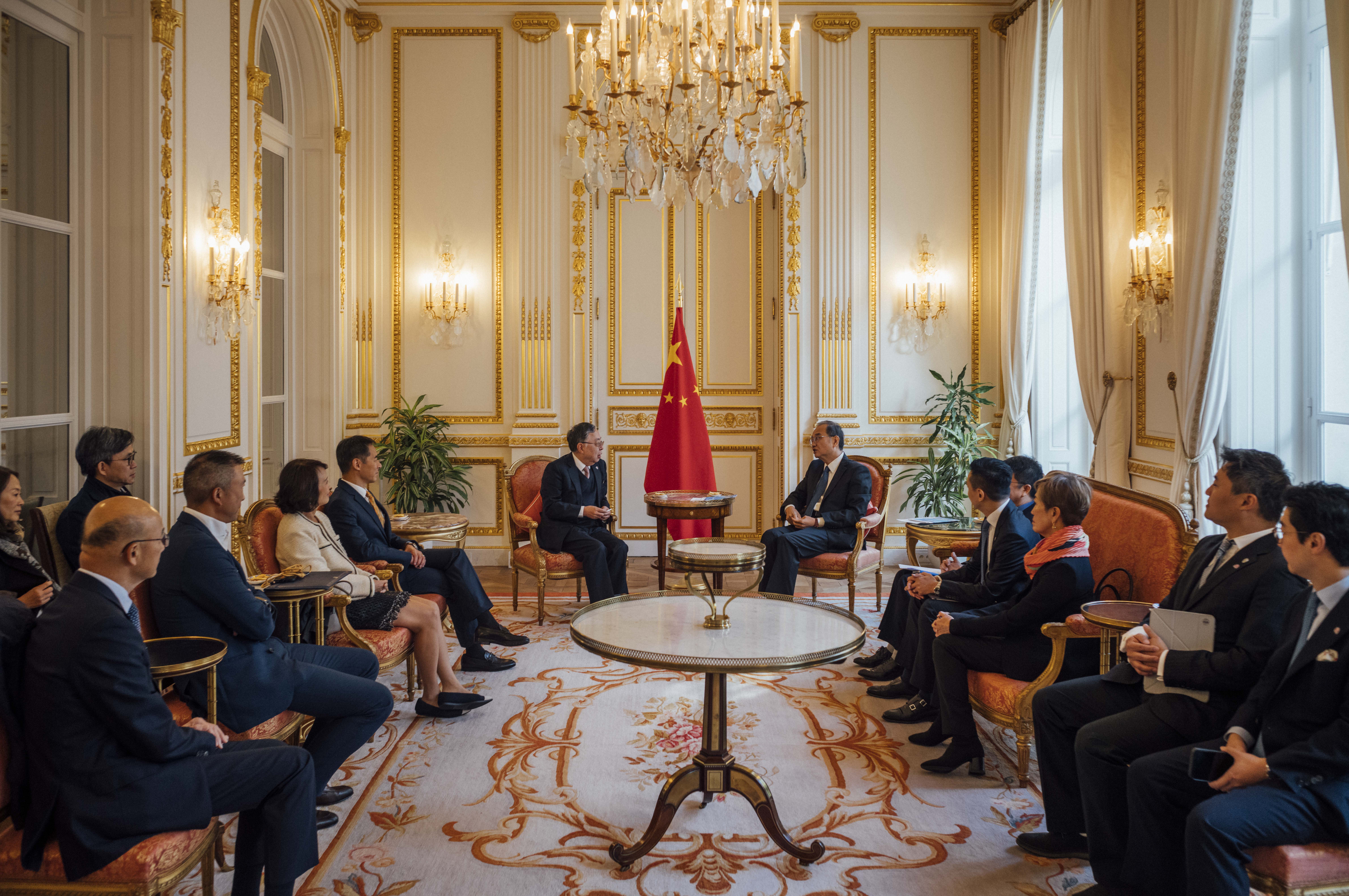
Tang noted: “The Paris business community expressed strong interest in closer cooperation with China and Hong Kong. Hong Kong remains a key gateway for Paris businesses — 70 per cent of Paris region companies trading with China are registered here, and more than half of the French population in China resides in Hong Kong. These ties highlight abundant opportunities for two way investment.”
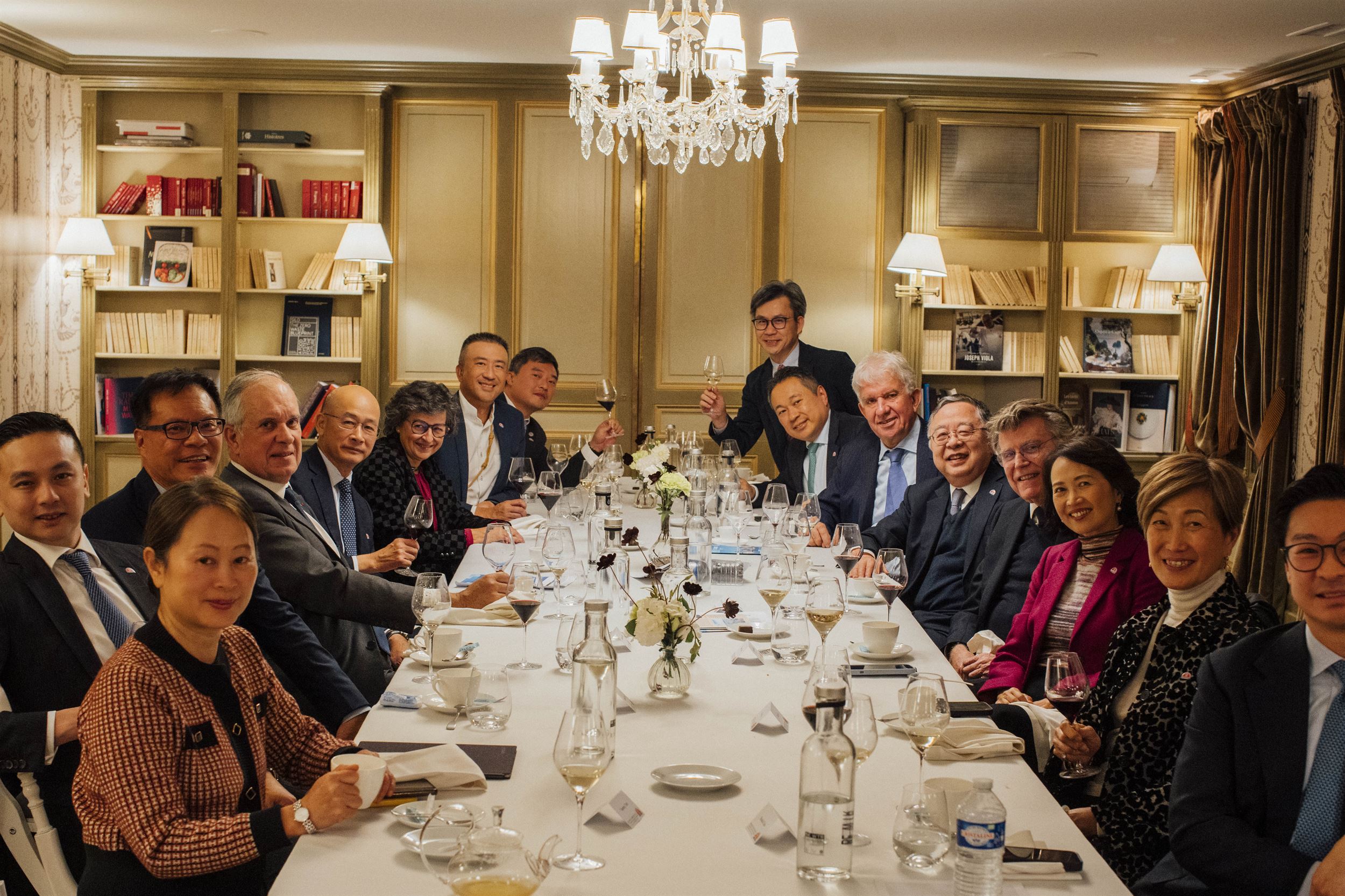
Reflecting on a dinner with Parisian elites and retired senior diplomats, Tang added: “The discussion focused on Europe’s place in the new global order, with attendees concerned that the EU is constrained by its current establishment.”
Zurich’s Focus on Commodities and Digital Finance
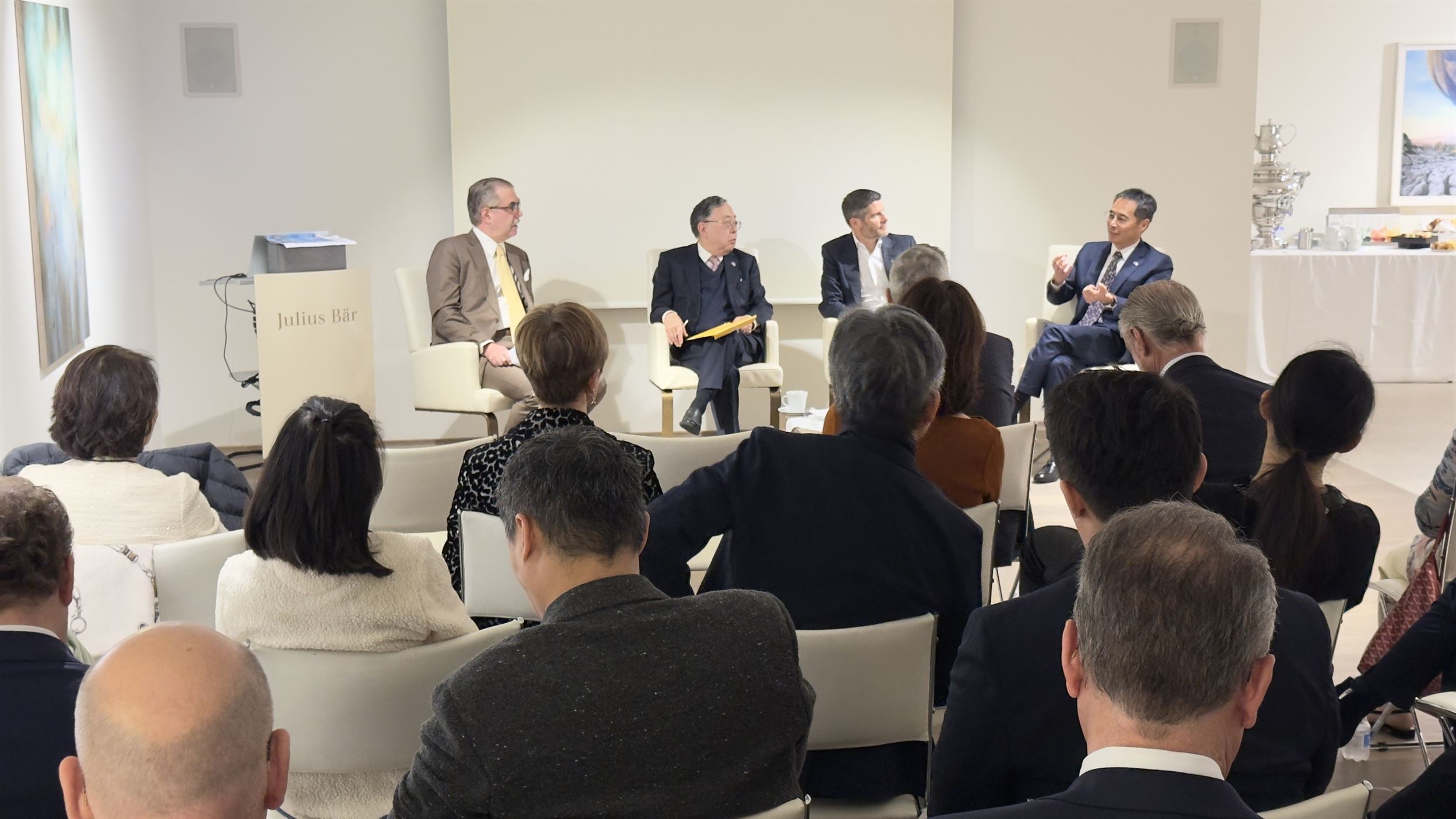
Zurich offered a different angle. Meetings with UBS, Julius Baer, and Glencore leadership highlighted opportunities in finance, fintech, and commodities trading — sectors central to Hong Kong’s economic transformation.
Discussions with Glencore leadership centered on Hong Kong’s potential as a global commodity center. Tang noted that this development is already well underway: “This aligns with the 10 month study we commissioned from the China Development Institute in Shenzhen on how the Hong Kong Special Administrative Region (HKSAR) could build an international bulk commodity market and reinforce its role as a global financial center. Completed in early 2025, the research dovetailed with the HKSAR’s plans to establish a commodity exchange and build a world class gold trading and storage hub, with momentum further reinforced when the HKSAR government convened the first meeting of its Strategic Committee on Commodities in December 2025.”
With China remaining the world’s major market for metals, energy, and agricultural products, Hong Kong — as an international financial center — is well placed to support trade finance, Renminbi pricing, and legal services.
Zurich’s banks echoed this confidence, stressing that Hong Kong continues to be an indispensable hub for commercial, investment, and private banking, and that its role as a gateway to global capital markets will remain vital.
Hangzhou’s Innovation Momentum
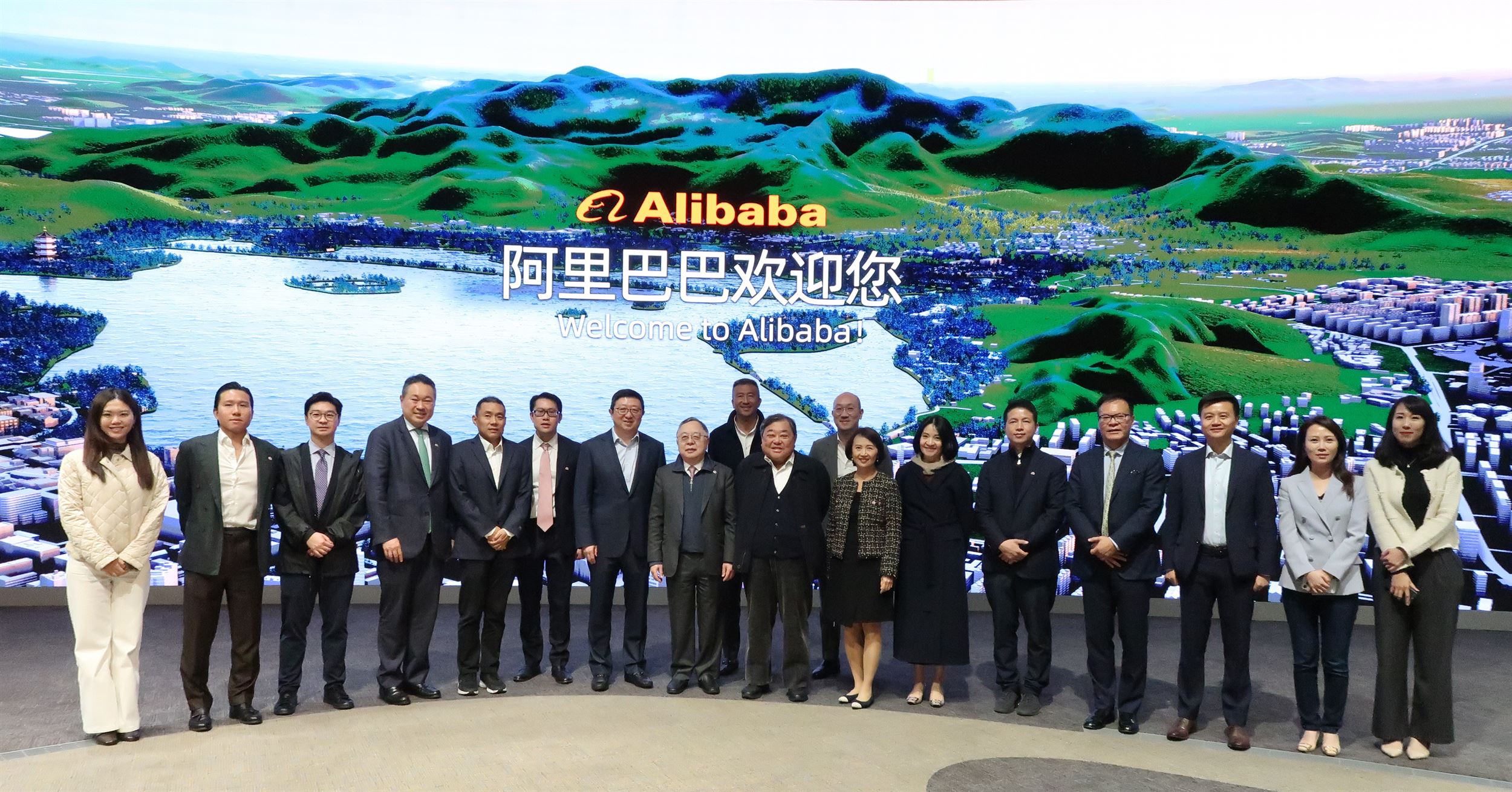
In November, the Foundation visited Hangzhou on the 17th and Shanghai on the 18th. Hangzhou was selected for its strength in technology and opportunities for venture capital, and as the home of the “Six Little Dragons”. The delegation visited Alibaba’s headquarters and met leaders from Hangzhou Municipal People’s Government, tech companies, start-ups, and major investors.
Tang noted: “Our high level discussions focused on how China’s high tech compares with the United States, the gaps that remain, and how long it may take to close them. Companies highlighted talent pools such as Zhejiang University, and they recognized that Hong Kong’s advantages — IPO fundraising and international credibility — as essential for collaboration.”
Hangzhou’s recent “DeepSeek moment” has drawn global attention, reinforcing the city’s position in China’s innovation landscape. Tang added: “Zhejiang’s innovation ecosystem is strong. Hong Kong can complement it by providing international standards, capital markets, and global networks.”
Shanghai Highlights Hong Kong’s Trade Role
In Shanghai, the Foundation co organized the 19th Shanghai–Hong Kong Cooperation and Development Forum with the Shanghai Academy of Social Sciences. The two sessions focused on optimizing the commodity supply chain ecosystem and on how Hong Kong, as a unique international trade center, can help Chinese enterprises expand globally.
Speakers emphasized the need for deeper mutual understanding between Hong Kong and the Chinese mainland to address the fundamental challenge of “unknown unknowns” — the gaps in which each side does not know about the other — and to fully leverage Hong Kong’s cultural, linguistic, and international advantages. They likened Hong Kong’s strengths to a “toolbox” — highly effective when used with clarity and purpose.
The Forum echoed the call in the 15th Five Year Plan (2026-30) to consolidate and enhance Hong Kong’s role as an international financial, trade, and shipping center, and to both integrate with and serve national development.
Tang underscored Hong Kong’s core strengths: “The rule of law and integrity are Hong Kong’s competitive edge. They underpin our financial, trade, shipping, and professional services. With this credibility, we can help Chinese companies bring quality products to the world and elevate their value.”
Despite geopolitical uncertainties, participants agreed that Hong Kong can further expand offshore trade, strengthen its role as a global supply chain coordination hub, and introduce high quality international products to the mainland. Both cities were encouraged to continue working closely and address challenges through deeper understanding.
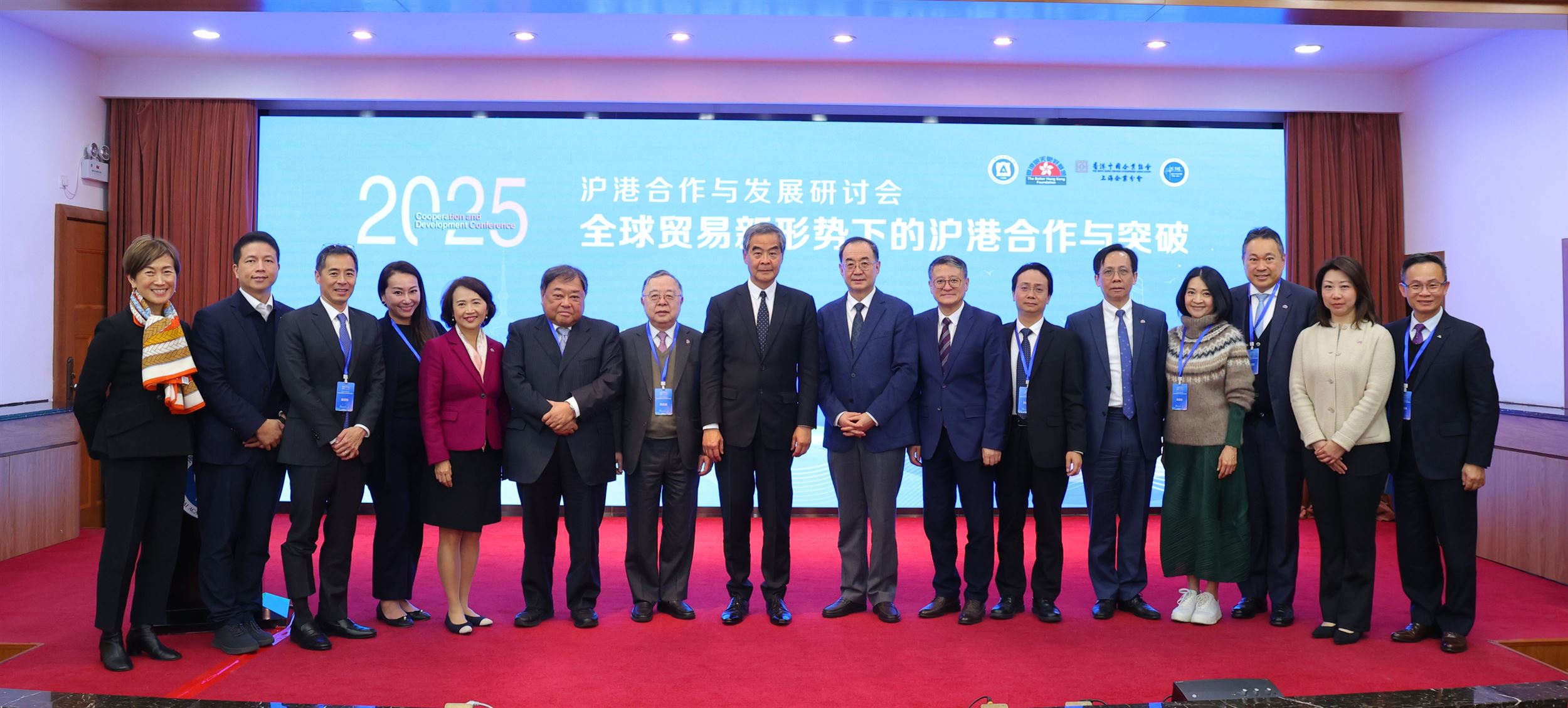
Across Europe, Hangzhou, and Shanghai, the missions reaffirmed Hong Kong’s enduring role as a superconnector — a city whose credibility, rule of law, and global networks enable it to help Chinese companies go out into the world and bring the world back to China.