

Hong Kong’s transportation authorities aim to allow autonomous vehicles on the roads this year, using only remote backup operators, in the city’s latest push to promote autonomous driving technology.
The Transport Department has issued six autonomous vehicle pilot licenses since 2024, enabling operators to conduct road tests in designated areas, with 62 autonomous private cars and light buses being tested in various trial areas.
Ken Tang Kin-leung, electrical and mechanical engineer (autonomous vehicles) at the Transport Department, said road tests have progressed smoothly, with all vehicles maintaining stable performance.
The trials included tests conducted on north Lantau Island that have seen significant technological advancement in four key areas, including scaling the trials from a single vehicle to 10 operating simultaneously; conducting designated passenger-carrying trials; expanding test areas; and reaching higher driving speeds.
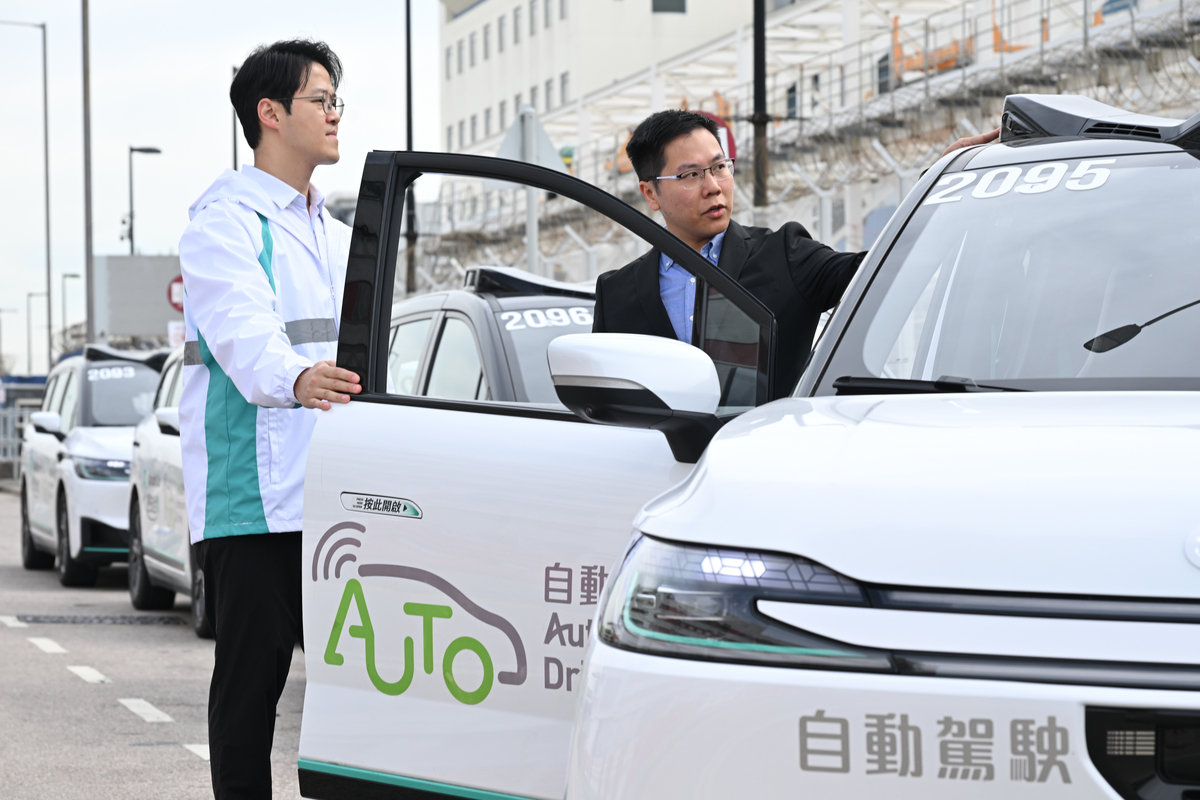
“The trial routes for autonomous vehicles have steadily expanded, progressing beyond Airport Island to more complex highways and diverse communities,” Tang said.
As the autonomous driving system has improved, vehicle speeds have gradually been increased up to 50 kilometers per hour, depending on the posted speed limits of the relevant test sections, he said.
ALSO READ: Driverless cars expected in Hong Kong in 1-2 years
The department will progressively implement driverless operations with only remote backup operators this year.
Based on regular reports submitted by autonomous vehicle pilot operators, the department said it will review testing performance and safety and require operators to conduct strict vehicle inspections to ensure the tests are carried out safely and orderly.
An intelligent driving technology company, which secured the Hong Kong Special Administrative Region government’s first autonomous vehicle pilot license in November 2024, has been conducting tests on north Lantau and at Cyberport and the Kai Tak Development Area. It has collected data covering more than 80,000 kilometers of safe driving with vehicle-mounted sensors.
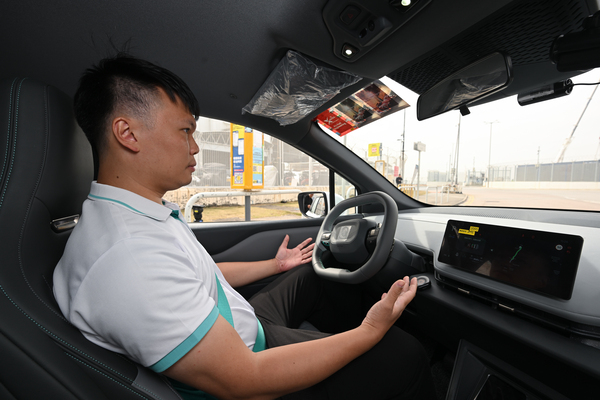
During the tests, a driver remained on board as a backup operator, only taking control of the vehicle when necessary. The vehicles have typically operated with the driver’s hands off the wheel during routine travel.
Nick Lau, the company’s Hong Kong project development manager, said its system has been optimized to comply with local traffic rules as Hong Kong has complex and dynamic road conditions.
READ MORE: Driverless vehicles to pick up passengers at HK airport
“Our system has to fine-tune driving actions like stopping, overtaking and picking lanes to allow the vehicles to handle right-hand driving accurately,” he said, adding that the company will continue to adjust its machine-learning models to improve precision.
