

Practitioners of 24 skills listed as intangible cultural heritage representative of Hong Kong, including Cantonese opera and milk tea making techniques, can apply for official recognition of their qualifications starting from noon on Tuesday in an initiative that experts believe could boost the development and preservation of traditional culture.
According to the Leisure and Cultural Services Department, practitioners' responsibilities include launching programs to pass on their intangible cultural heritage skills, nurturing successors, conducting research and education, and preserving physical objects and information.
Applicants, who should be permanent residents of Hong Kong, are required to provide their line of inheritance or mentorship background, evidence of their learning, practical experience and achievements in the artform, and information on their efforts to preserve and promote it.
Applications can be submitted from noon on Tuesday January 6 until noon on March 2 to the Intangible Cultural Heritage Office, with the first batch of recognized practitioners expected to be announced within 2026.
ALSO READ: Where heritage lives on
Launching the initiative in his 2024 Policy Address, Chief Executive John Lee Ka-chiu made reference to the national bearer recognition and management system, as well as those of Guangdong province and the Macao Special Administrative Region.
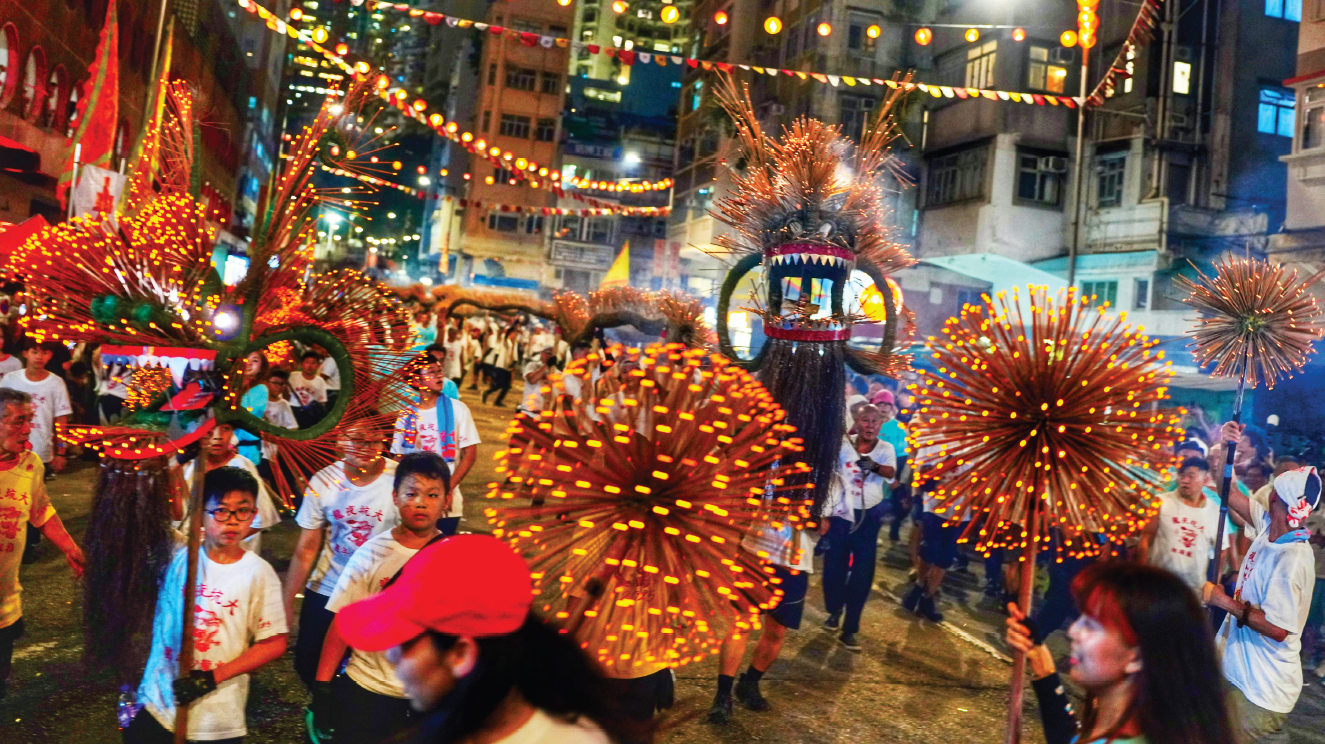
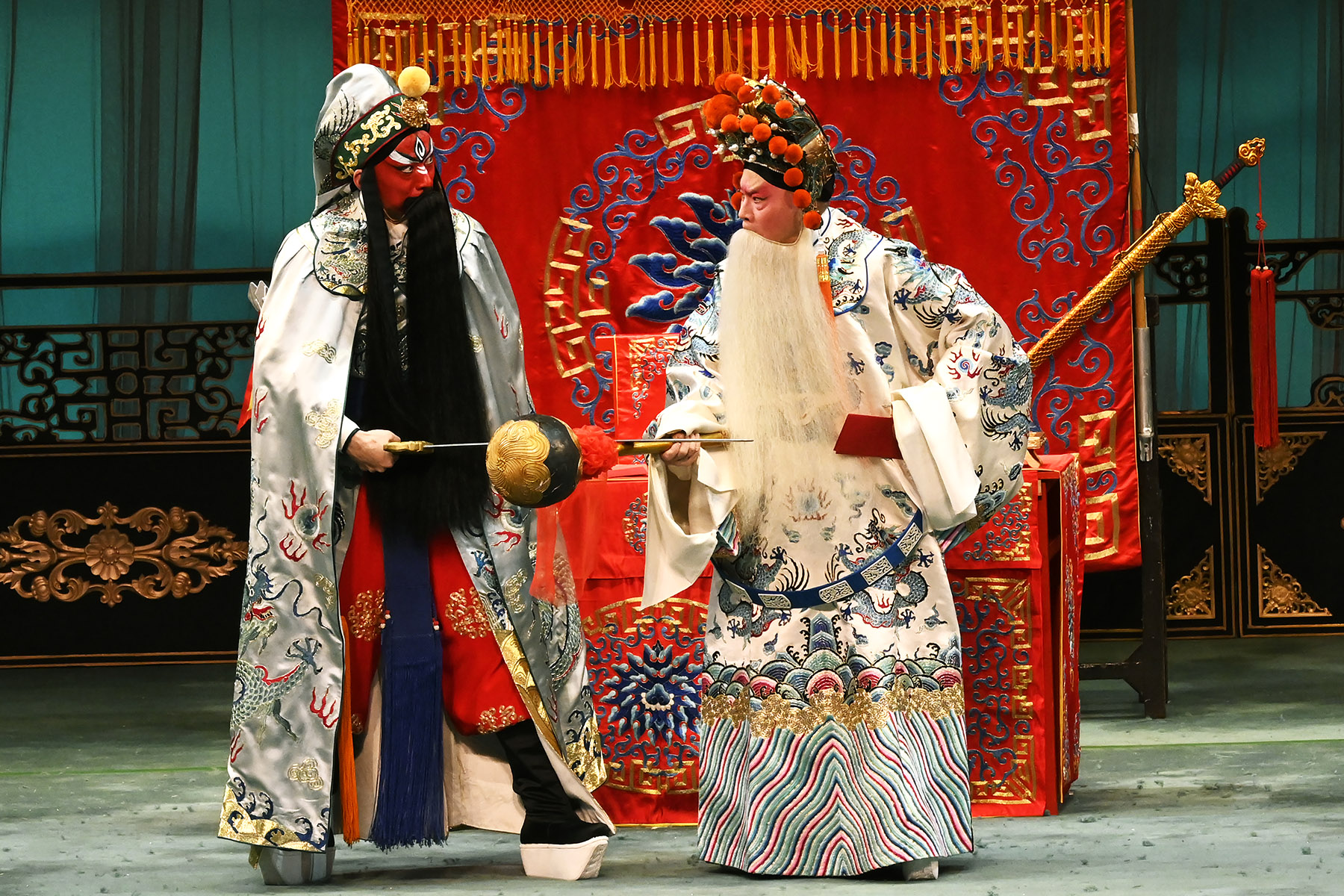
The Hong Kong government has included 24 items on its representative intangible cultural heritage list. The items are divided into four categories: Performing arts, including Cantonese opera and the Hakka unicorn dance; social practices, rituals and festive events, represented by Cheung Chau Jiao Festival and the Tai Hang Fire Dragon Dance; knowledge and practices concerning nature and the universe; and traditional craftsmanship such as milk tea making and paper crafting techniques.
Chan Chi-chun, a lecturer in the School of Arts and Social Sciences at Hong Kong Metropolitan University, described the initiative as a “long-awaited” mechanism.
Hong Kong has lagged behind in the protection of intangible cultural heritage, said Chan, so it is urgent to take reference from the Chinese mainland, where a similar mechanism has been developed and utilized well.
The mechanism allows the government to concentrate resources on supporting specific intangible cultural heritages, thereby promoting their preservation and development, he said, adding that experienced professionals, artists, and scholars should be invited to participate in the process.
READ MORE: HK launches first Intangible Cultural Heritage Month
Chan, an expert in Nanyin (Southern Tunes), a performing art listed on Hong Kong’s representative list of intangible cultural heritage, said the establishment of the Intangible Cultural Heritage Office has boosted research into and the promotion of local cultural heritage. The new system will help Hong Kong keep pace with national efforts to preserve intangible cultural heritage, he added.
Lawmaker Lau Chi-pang called the initiative a milestone for the special administrative region’s intangible cultural heritage protection work, and for the city’s goal of becoming a center for international cultural exchange, as well as a step towards integrating with the nation’s overall development.
Lau, who is also a professor in the Department of History at Lingnan University, said the mechanism could help with selecting widely recognized and highly skilled practitioners, as well as transforming intangible cultural heritage protection from spontaneous community-level actions into a more organized and sustainable enterprise.
The mechanism lays an institutional foundation for skills exchanges, talent circulation, and project collaboration between Hong Kong and the mainland, especially within the Guangdong-Hong Kong-Macao Greater Bay Area, in the field of intangible cultural heritage, he added.
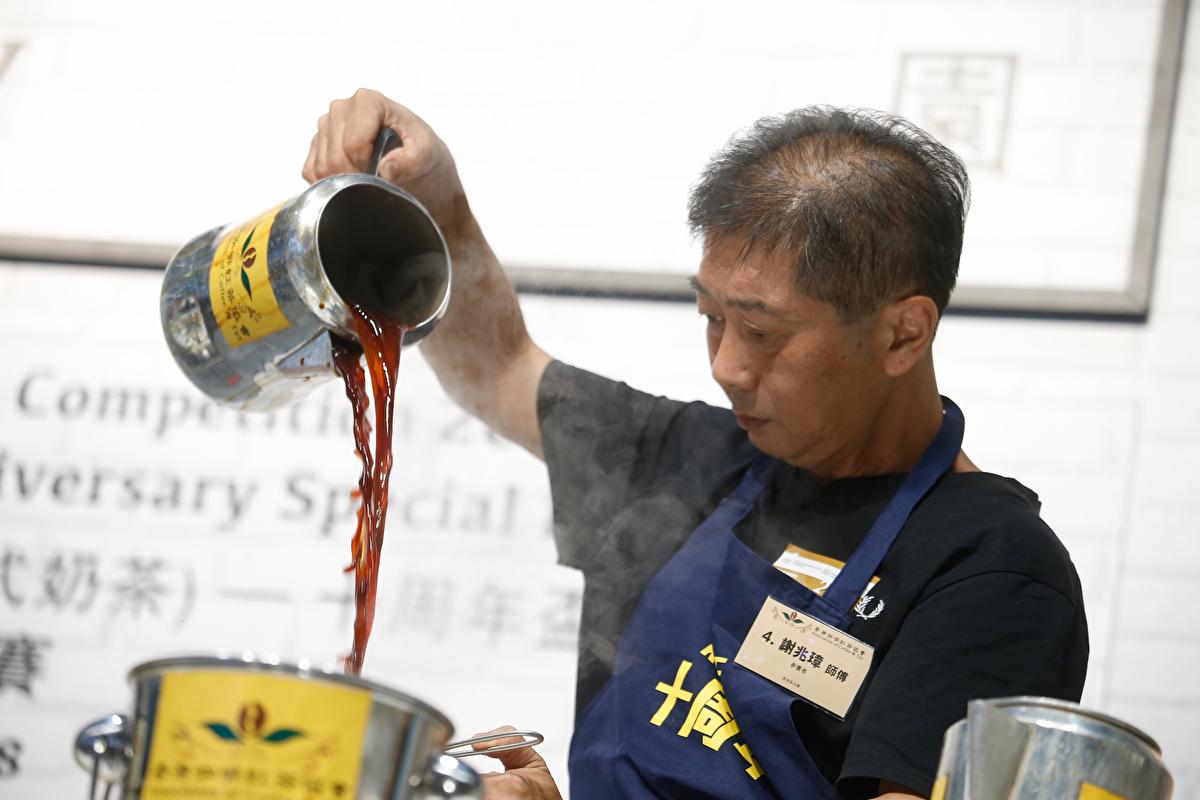
Lau also stressed that different intangible cultural heritage items have faced various challenges. For example, for items such as the making of milk tea and Chinese cheongsam, it can be hard to identify a single generally accepted inheritor. Additionally, heritage practitioners require not only official recognition, but also practical support, including funding, venues, and administrative assistance.
Lau suggested the Hong Kong SAR government promote the use of digital technologies to preserve local cultural heritage, while supporting schools, community centers, and non-governmental organizations in offering education programs to cultivate potential inheritors.
Contact the writer at atlasshao@chinadailyhk.com
