

The Hong Kong Special Administrative Region will proactively align with national development strategies by promoting finance, technology and trade as next year marks the start of the 15th Five-Year Plan (2026-30), Hong Kong Financial Secretary Paul Chan Mo-po said in his Sunday blog.
“We will continue to improve the stock market’s competitiveness and attract more high-quality companies from Southeast Asia, the Middle East and the Global South to list in Hong Kong. At the same time, we will also enrich the diversification of Hong Kong’s financial market, such as accelerating the development of fixed income and money markets, green finance, and financial technology, as well as actively exploring new opportunities, such as commodity trading and international gold trading,” he said.
ALSO READ: HK education chief urges teachers to grasp tech changes as AI advances
The SAR government will continue to support the steady, prudent advancement of renminbi internationalization by enhancing offshore renminbi liquidity, optimizing related financial infrastructures, and enriching investment products and risk management tools.
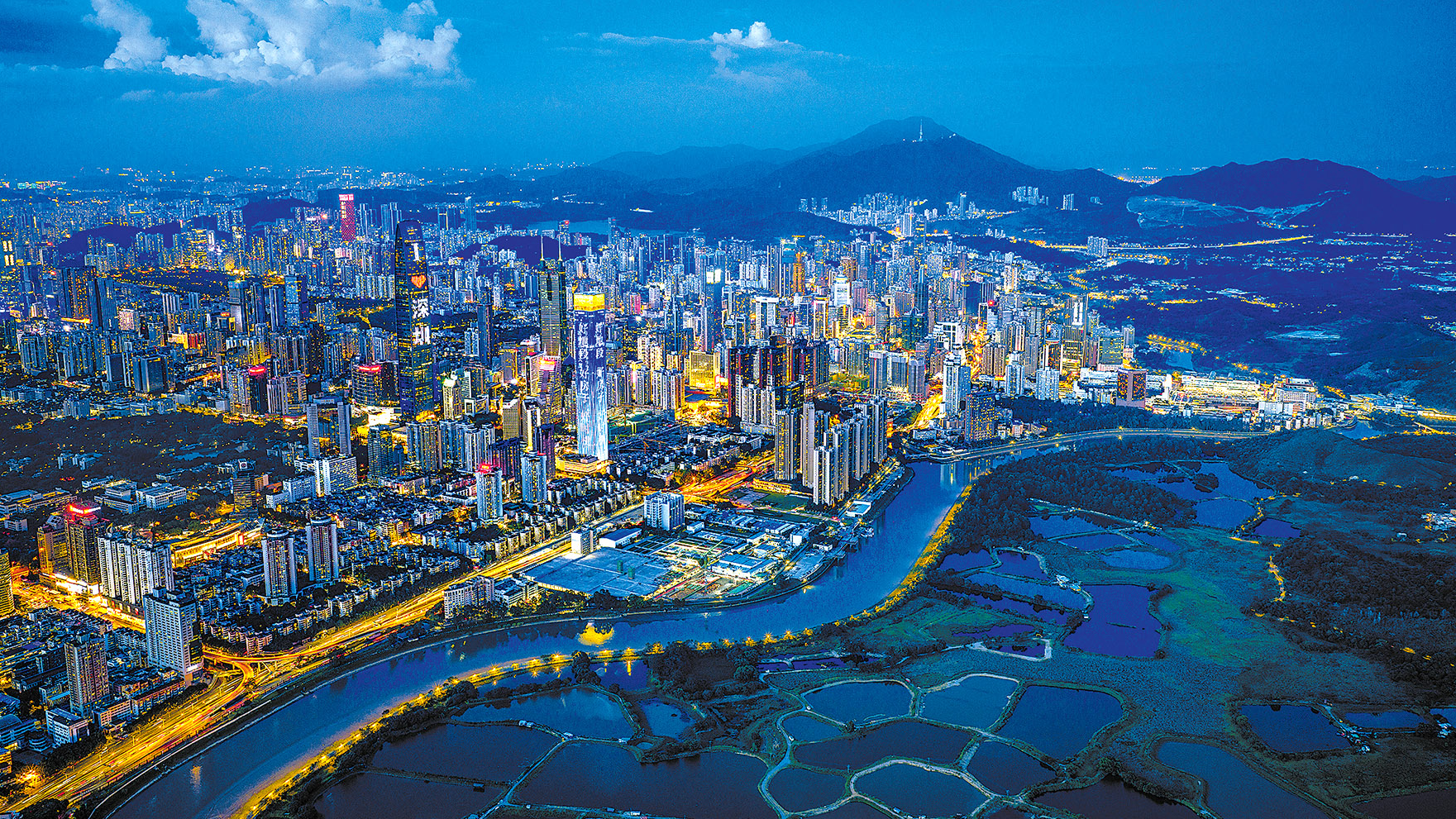
Another strategy is to construct and expand the innovation and technology hub in the Guangdong-Hong Kong-Macao Greater Bay Area through strong collaboration with sister cities in the 11-city cluster area, focusing on the artificial intelligence and biomedicine sectors.
“We are accelerating the cultivation of AI as a core industry in Hong Kong and empowering the upgrading and transformation of traditional industries with an ‘AI+’ strategy. We will promote AI development through computing power, algorithms, data, application development, financial support and talent cultivation,” Chan said.
The SAR will continue to attract more world-class pharmaceutical companies and medical research institutions to the city and establish a “first-tier approval” drug and medical device registration mechanism to consolidate Hong Kong’s position as a regional medical research and development center.
Hong Kong will further strengthen its functions as a global trade hub by acting as “superconnector” and “super value-adder”.
READ MORE: Lam: HK's standing boosted with presence of global organizations
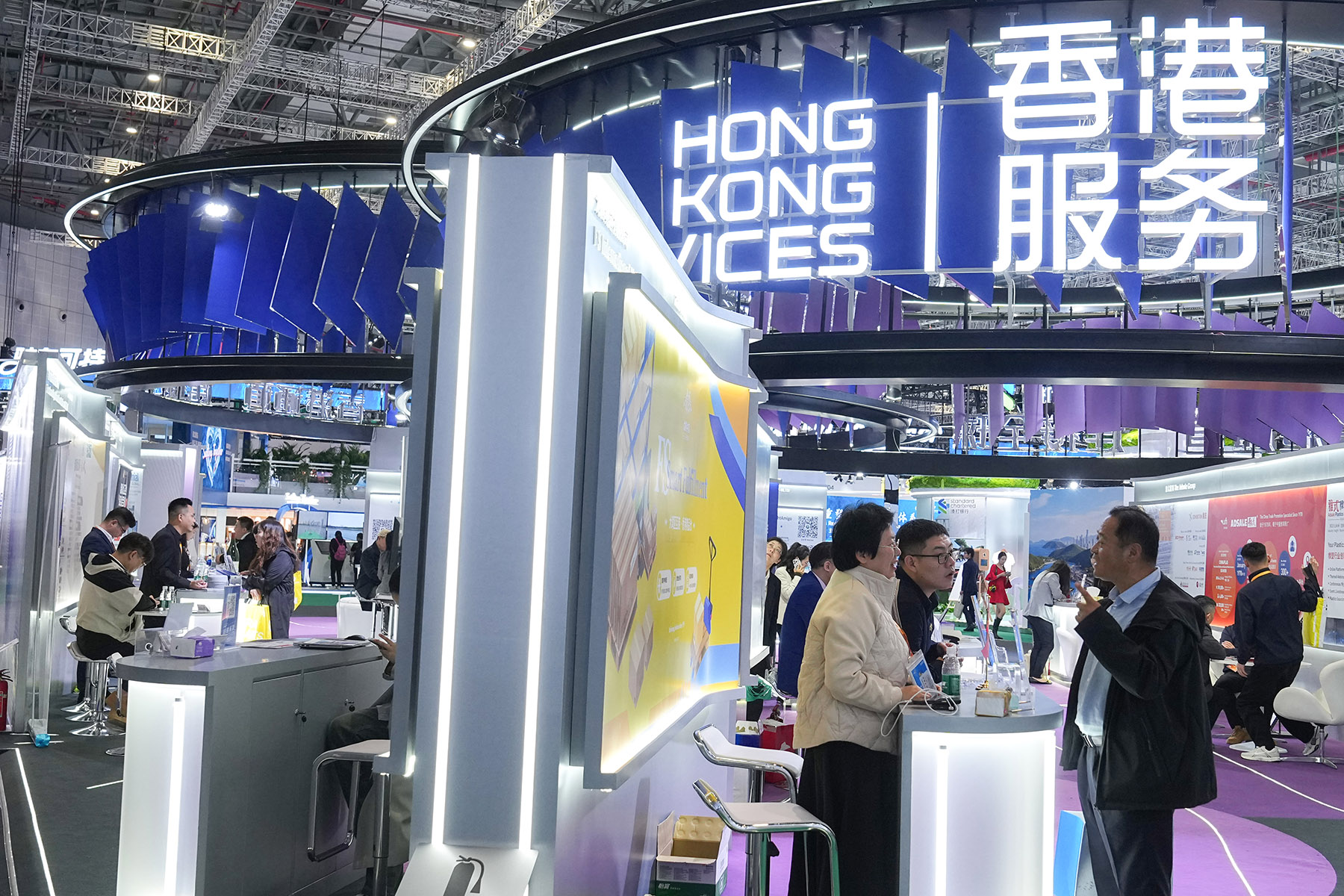
Hong Kong is also actively building a transnational supply chain management and trade finance center to provide supply-chain management, trade finance, treasury management, professional services, compliance consulting, and corporate training to help Chinese mainland enterprises “go global”, Chan said.
“We will remain highly vigilant and guard against various risk events in the ever-changing external environment, while pursuing security and development to ensure that Hong Kong’s society and economy continue to move forward steadily in 2026.”
Robust performance
The finance chief said Hong Kong’s economic growth for 2025 is expected to accelerate to 3.2 percent — slightly higher than earlier forecasts — as strong exports and investment are the main drivers of economic growth.
Hong Kong’s equity market has been rising for the second consecutive year. As of last week, the Hang Seng Index had gained about 29 percent from the end of 2024, and this could be the best year since 2017. In the first 11 months of this year, the average daily turnover on the local stock market approached HK$260 billion ($33.3 billion). Initial public offering fundraising ranked first globally, exceeding HK$270 billion as of mid-December, with four companies ranking among the top 10 global IPOs this year.
During the same period, follow-on fundraising by listed companies exceeded HK$510 billion.
In the asset and wealth management industry, net inflows of funds into Securities and Futures Commission-approved funds registered in Hong Kong exceeded $41 billion in the first nine months of this year — more than 1.5 times the figure for the whole of 2024.
The residential property market remained robust, with nearly 57,000 transactions in the first 11 months of this year — up about 16 percent year-on-year and marking the second consecutive year of increase. Property prices rose by about 3 percent cumulatively, while rents went up by about 4 percent. The office market also saw improved sentiment, with the transaction volume in the first 10 months rising by 74 percent from a year earlier, while the vacancy rate for Grade A office space saw a slight decline.
READ MORE: Gold surges to all-time high, rising above $4,500 per ounce
Overall exports performed strongly in the first three quarters of this year, continuing to be the main contributor to growth. Fixed capital investment rose 2.5 percent in the first three quarters, fuelled by surging investment in machinery, electronic equipment, software and other equipment and intellectual property products as enterprises embraced automation, datafication and digitalization in the business process. Private consumption also benefited from the recovery of asset markets and improved overall market sentiment, rising 0.9 percent in the first three quarters of this year, reversing a decline in the same period last year.
“As the global economy will maintain moderate expansion, albeit slowing down, and the Chinese mainland and Asian economies will remain the main growth engines, Hong Kong’s economy is expected to maintain positive momentum. Furthermore, the market generally expects interest rate cuts, which will also be beneficial to business and investment sentiment,” Chan said.
