

Immersive Tang Dynasty attractions in Shaanxi and heritage renewal in Guangdong reflect a growing push to protect and enliven ancient culture, Yang Feiyue reports.
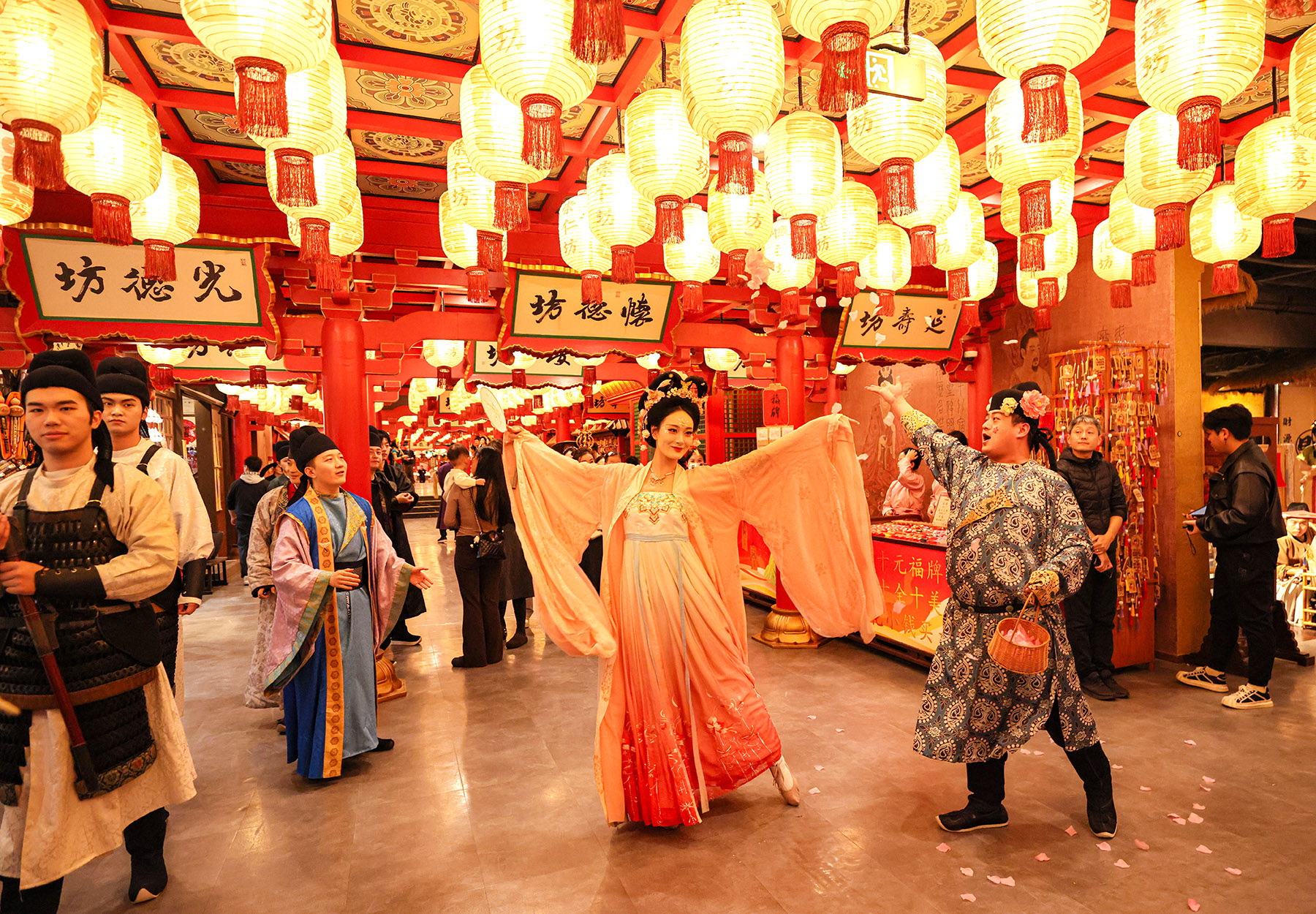
In the heart of Xi'an, northern Shaanxi province, there is a street with the theme "Twelve Hours of Chang'an", which brings to life the atmosphere of the Tang era and buzzes with visitors dressed in Tang-era attire, immersed in a meticulous re-creation of the dynasty's capital.
A 10-minute walk away, the Datang Everbright City, a bustling leisure and tourism district, thrums with energy. Tourists pack the space, immersing themselves in interactions with performers portraying famed Tang Dynasty (618-907) poets like Li Bai, joining in to recite their timeless verses.
These scenes are part of a travel craze that has emerged nationwide over the past few years and are expected to grow as China taps into its rich cultural heritage, according to tourism industry officials and professionals.
The Recommendations of the Central Committee of the Communist Party of China for Formulating the 15th Five-Year Plan for National Economic and Social Development proposed further implementing the project for preserving and promoting China's fine traditional culture, advancing the systematic conservation and unified supervision of cultural heritage, and strengthening the effective protection and living inheritance of historic and cultural cities, districts, towns and villages.
Xi'an will be committed to the spirit of the recommendations by further promoting the creative transformation and innovative development of Tang culture, enabling it to empower high-quality cultural and tourism growth, says Zuo Dong, deputy director of the city's culture and tourism bureau.
READ MORE: Old Beijing, reimagined
The city, designated in 1982 as one of China's first historic and cultural cities, is building a comprehensive database of Tang poetry resources and designing themed tourist routes that are linked with Tang poetry, Zuo says.
It aims to establish itself as the "capital of Tang poetry" within three years, integrating poetry into urban life and business, according to local authorities.
"Twelve Hours of Chang'an" is already planning its national expansion following this initiative.
"Our vision is to evolve into a nationally recognized benchmark for integrated cultural and tourism development," says Zou Linfeng, chairman of Shaanxi Cultural Tourism Co, the project's investor and operator.
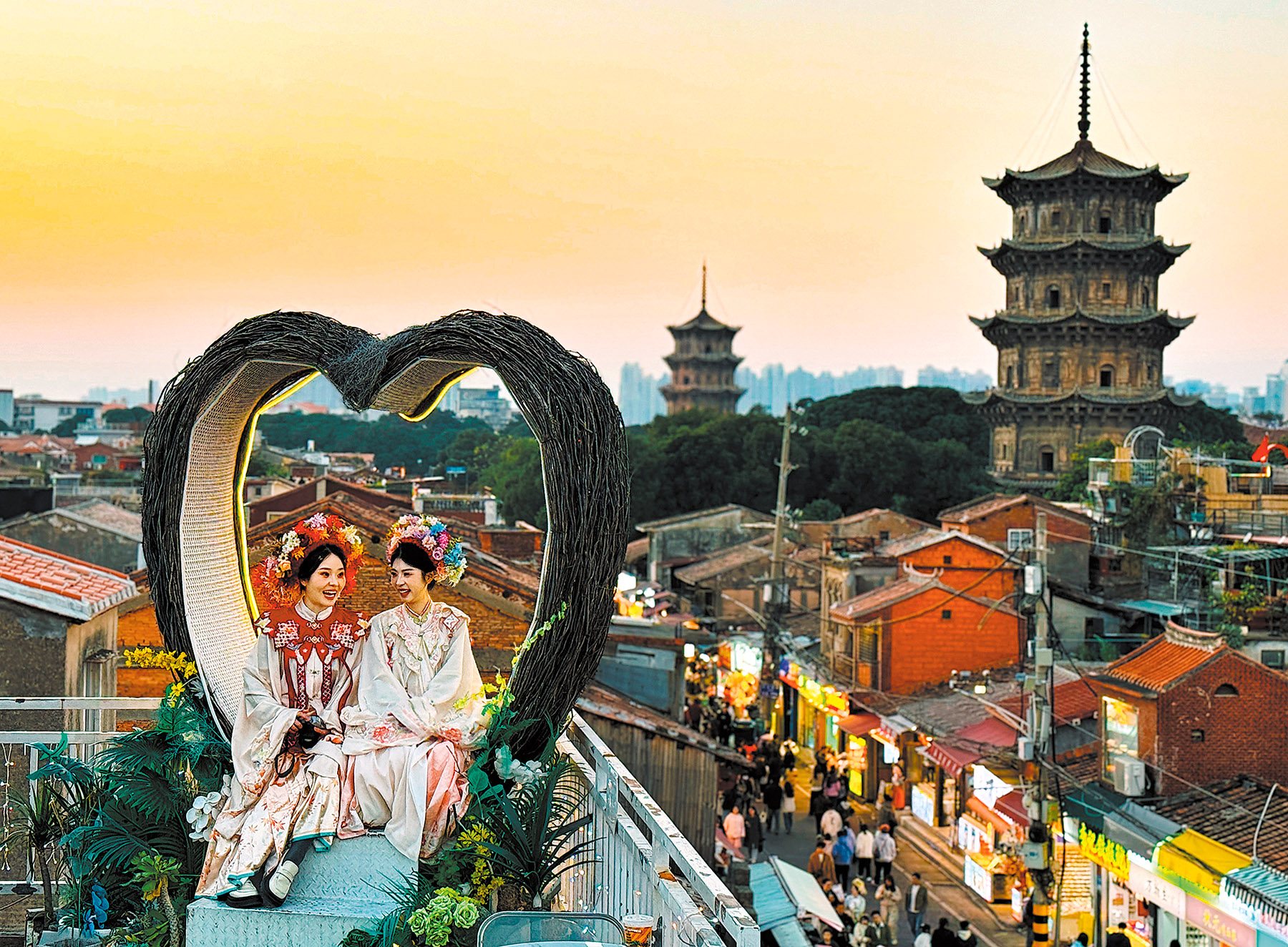
Since its 2022 opening, this immersive project has drawn over 7 million visitors by transforming cultural heritage into living history.
It has successfully spurred the development of related industries in the vicinity, such as hotels, traditional Chinese costumes, makeup and styling, and travel photography, yielding substantial economic and social benefits, Zou observes.
"Our core achievement has been moving beyond simply showing history to letting people live it," he says.
He adds that more efforts will be made to apply AI, VR, and AR technologies to revitalize the ancient capital and contribute to a thriving local economy.
The imminent launch of the second-phase complex will create a unified 70,000-square-meter panoramic Tang Dynasty world.
"We are committed to making this project a dynamic engine for high-quality, integrated development across China," he says.
In addition to the model of large-scale cultural complexes, the strategy of "living inheritance" will also be implemented through community-centric, gradual renewal in smaller historical towns.
Over 1,600 kilometers away, in the ancient Jiaying town in Meijiang district, Meizhou city, southern Guangdong province, it is common to see a guitarist strumming melodies under an octagonal pavilion, singing Hakka ballads that tell centuries-old stories to a captivated night-time crowd.
As a national historical town and a key Hakka cultural preservation zone, the Jiaying ancient site has been revitalized by fostering its existing social and cultural fabric.
The "5 streets, 20 lanes" refurbishment project that was carried out a few years ago has enhanced public spaces while preserving the historical texture, creating a canvas for new life, according to Song Danshan, an official with the town's administration.
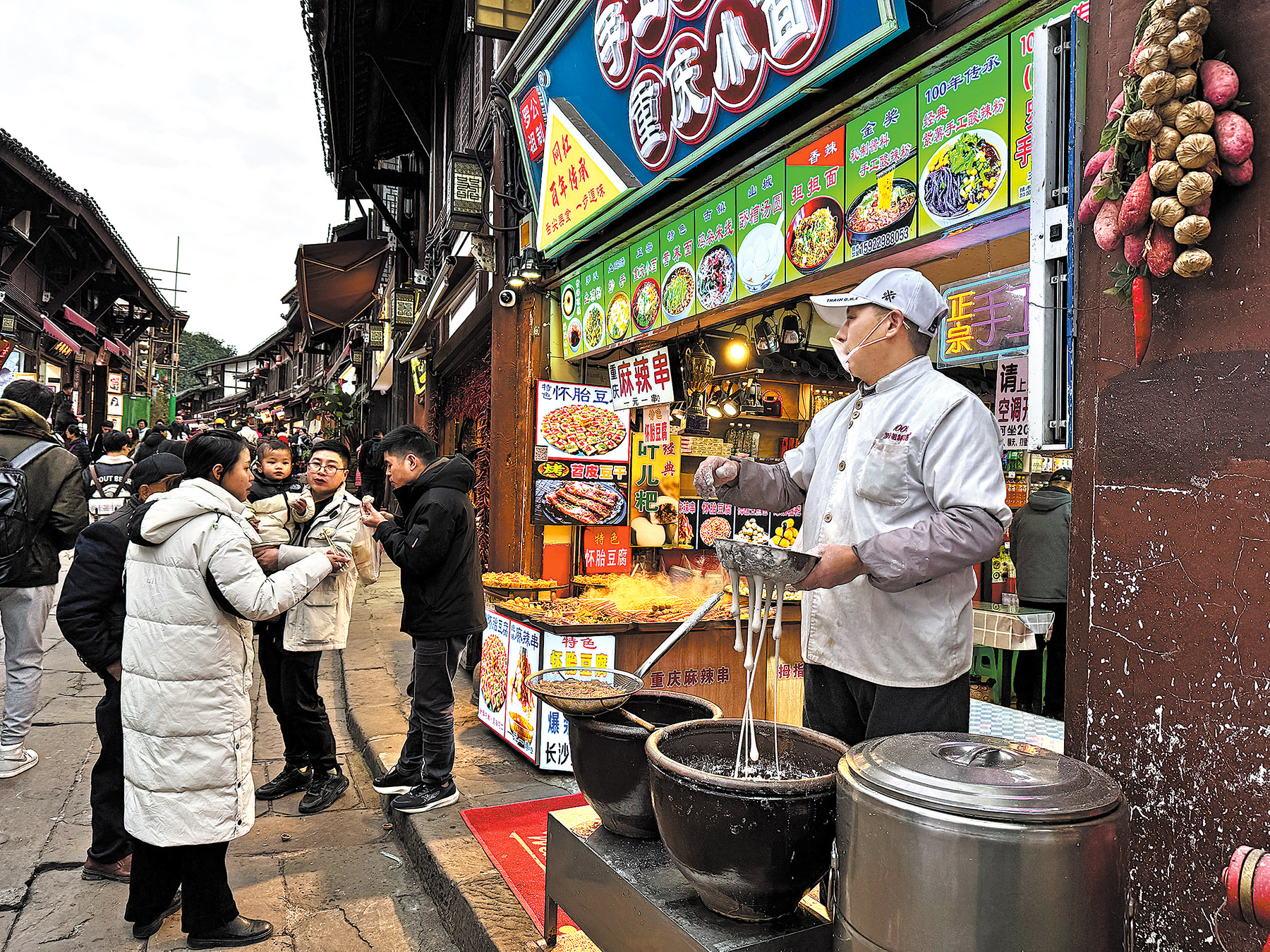
The strategy has focused on curating a blend of businesses that respect the past while appealing to the present.
"We aim to retain the 'old flavor' while introducing 'new fun' for younger generations," Song says.
Over 40 new shops, including cultural creative spaces, Hakka cuisine outlets and craft studios, have been introduced.
This environment has attracted a new wave of young entrepreneurs who act as cultural translators.
Chen Xuankun, the owner of a gallery, returned to Jiaying after 15 years in Shanghai's tourism industry.
His shop now sells cultural products like music boxes featuring Hakka motifs and provides self-guided tour maps.
"We want Hakka culture to be part of daily life through beautiful consumer goods," Chen says.
Other young entrepreneurs are also contributing.
Post-90s entrepreneur Ye Shuang has opened a cafe in a restored old house, creating a warm gathering space that blends seamlessly into the historical setting.
During this year's National Day and Mid-Autumn Festival holidays, Jiaying accounted for 24.4 percent of all visitor traffic to 51 major local scenic spots in Meijiang district.
The town will continue to focus on deepening the "living inheritance" of its heritage based on the ongoing urban renewal project, according to local officials.
The core principles will revolve around preserving its distinctive character, nurturing new business formats, and transmitting its cultural legacy, which they consider to be in line with the 15th Five-Year Plan's call for "effective protection" and "living inheritance".
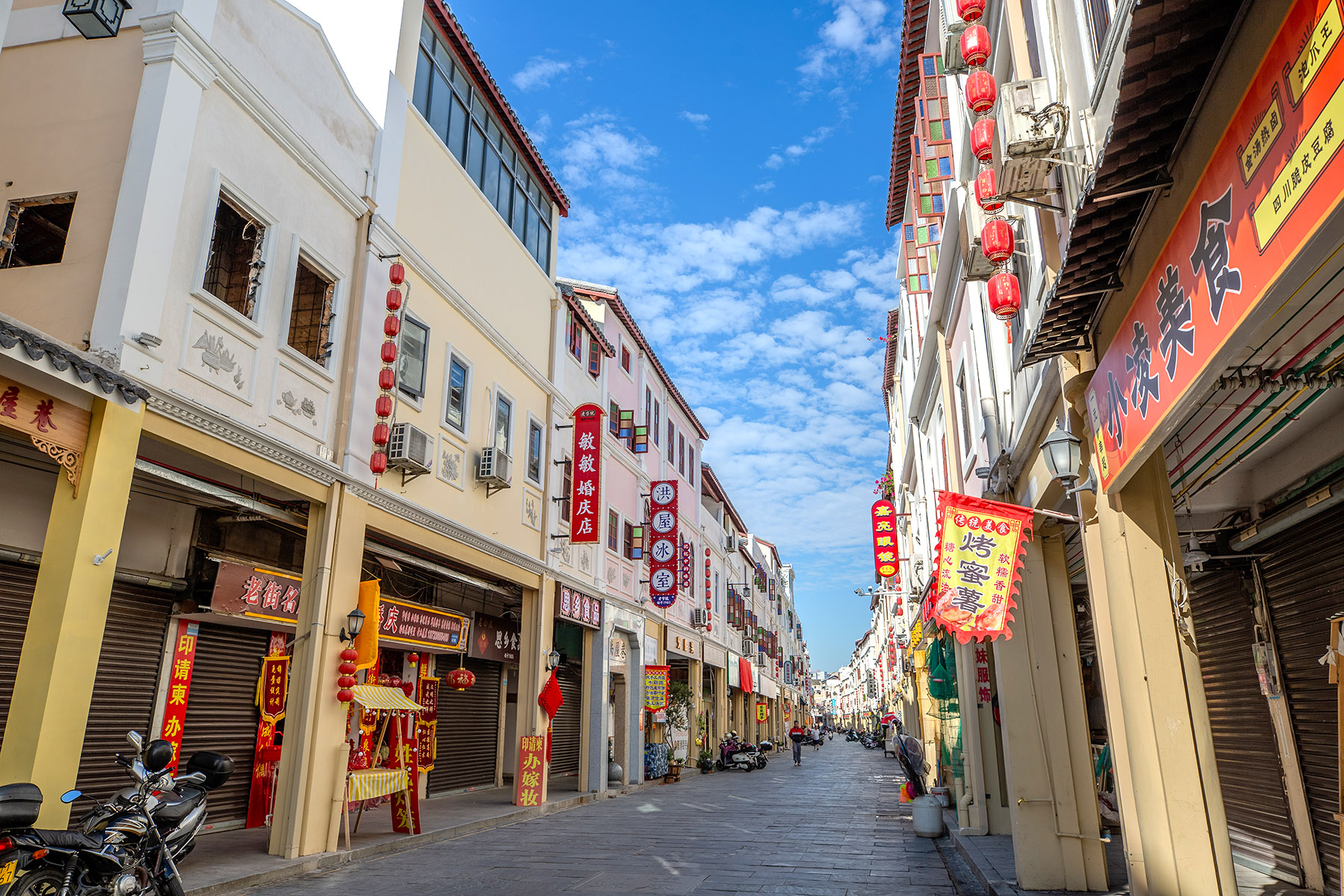
The future focus will be on further enriching tourism offerings and optimizing cultural experiences, aiming to shift the ancient town's tourism appeal from high visitor flow to sustained visitor stays.
Xiang Mingming, an associate professor at the School of Architecture at Southwest Minzu University in Chengdu, Sichuan province, says people are increasingly concerned with the sustainability of cultural heritage in the modern world.
Its importance is on a par with that of a local, healthy industry, a harmonious community and a fulfilling life, Xiang adds.
Li Xiaoyun, chair professor at China Agricultural University, calls for the building of livable, business-friendly, and harmonious villages by upgrading living conditions and creating quality rural spaces over the next five years.
Having spent more than a decade conducting grassroots work in villages in Yunnan, Chongqing and Guangdong, he says he has witnessed a huge transformation in village life, empowered by culture and tourism development.
He recalls his first visit to Yunnan's Hebian village in Xishuangbanna, where residents were mostly living in drafty wooden sheds with an annual per-household income of less than 10,000 yuan ($1,414).
However, by 2024, local average income surged to over 70,000 yuan, thanks to favorable national policies.
ALSO READ: Waterways flow steeped in heritage
A similar transformation unfolded in Meizi village in Yingde, Guangdong. Once an impoverished village off the beaten track, it has been vitalized through community-driven efforts to improve its environment and develop cultural tourism, Li notes.
Idle houses were renovated into distinctive guesthouses and cafes, drawing a steady stream of visitors and creating local jobs. The village generated over 100,000 yuan in tourism revenue during this year's National Day holiday, according to Li.
Li expects the 15th Five-Year Plan to advance the development and attractiveness of villages and create high-quality living spaces in the countryside.
"While many villages today no longer worry about food and shelter and have seen infrastructure significantly upgraded, there remains room for improvement in areas such as quality of life and cultural vibrancy," he says.
"The next step should place greater emphasis on rural cultural development, empowering villagers to become the leading actors onstage and the creators of their own culture."
Contact the writer at yangfeiyue@chinadaily.com.cn
