

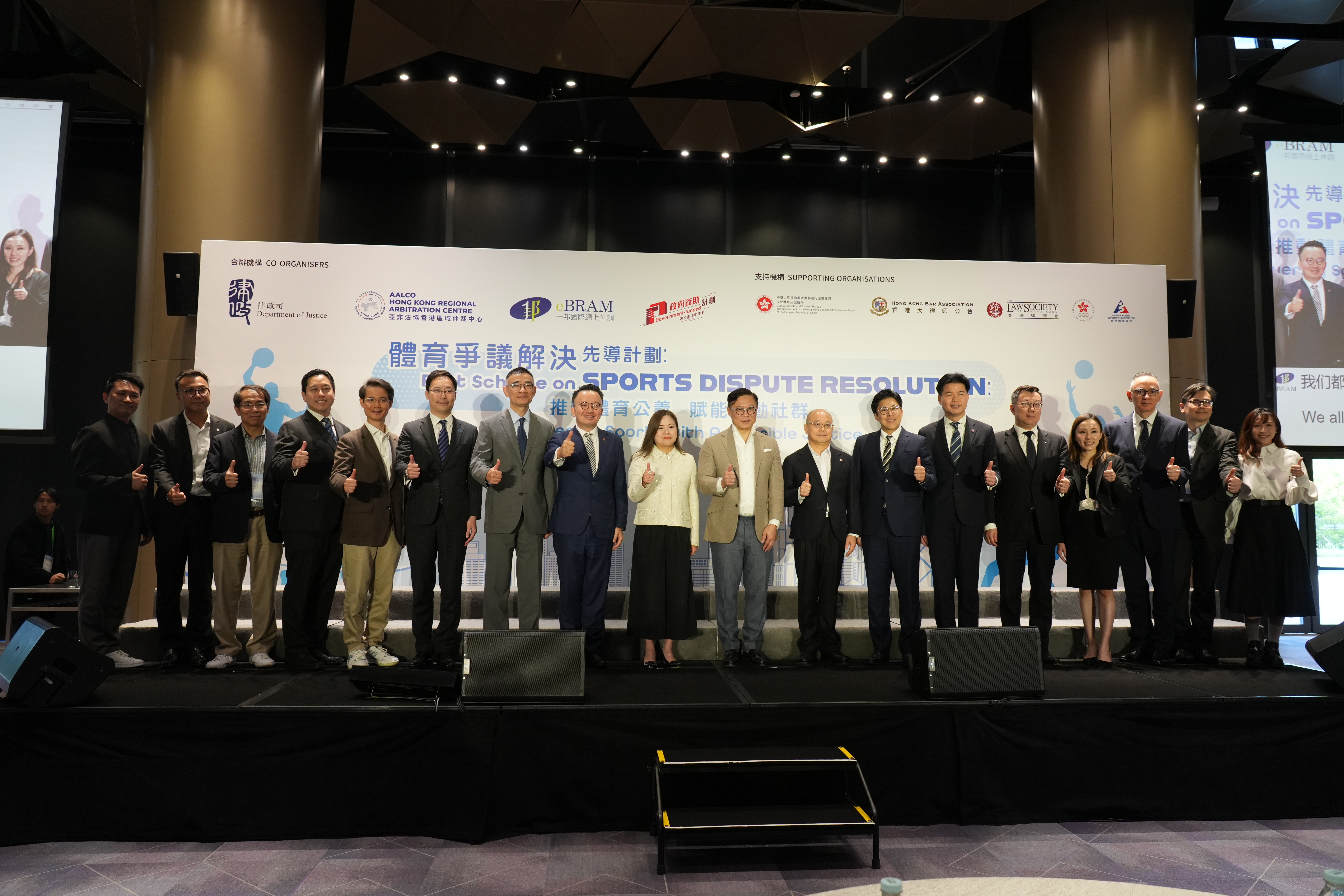
A two-year pilot program for sports dispute resolution was launched in Hong Kong on Thursday, upping the ante for the city’s ambitions to morph into a leading hub for legal and dispute mediation and arbitration, officials said.
Addressing the launch event held at the city’s new sports and entertainment landmark, Kai Tak Sports Park, Deputy Secretary for Justice Horace Cheung Kwok-kwan, highlighted “an efficient, credible” dispute resolution mechanism for the city’s growing sports sector as “especially key” at a time when Hong Kong was witnessing the sports industry’s rapid growth, which has brought increasing interaction among various stakeholders — and some inevitable disputes.
The pilot scheme –– set to provide a dedicated mechanism for resolving sports disputes through mediation and arbitration –– will be administered by the Asian–African Legal Consultative Organization Hong Kong Regional Arbitration Centre, partnered with the eBRAM International Online Dispute Resolution Centre as a technology provider to promote greater use of lawtech and online dispute resolution.
It has activated a policy pledge by Hong Kong Chief Executive John Lee Ka-chiu in his 2024 Policy Address, which explicitly tasked the administration with exploring ways to build a dedicated sports dispute resolution system and promote arbitration in the field.
The Hong Kong Special Administrative Region government will provide targeted financial support for specific mediation cases within the pilot scheme, Cheung confirmed.
ALSO READ: HK athletes ready for more wins as deal inked to boost regional sports
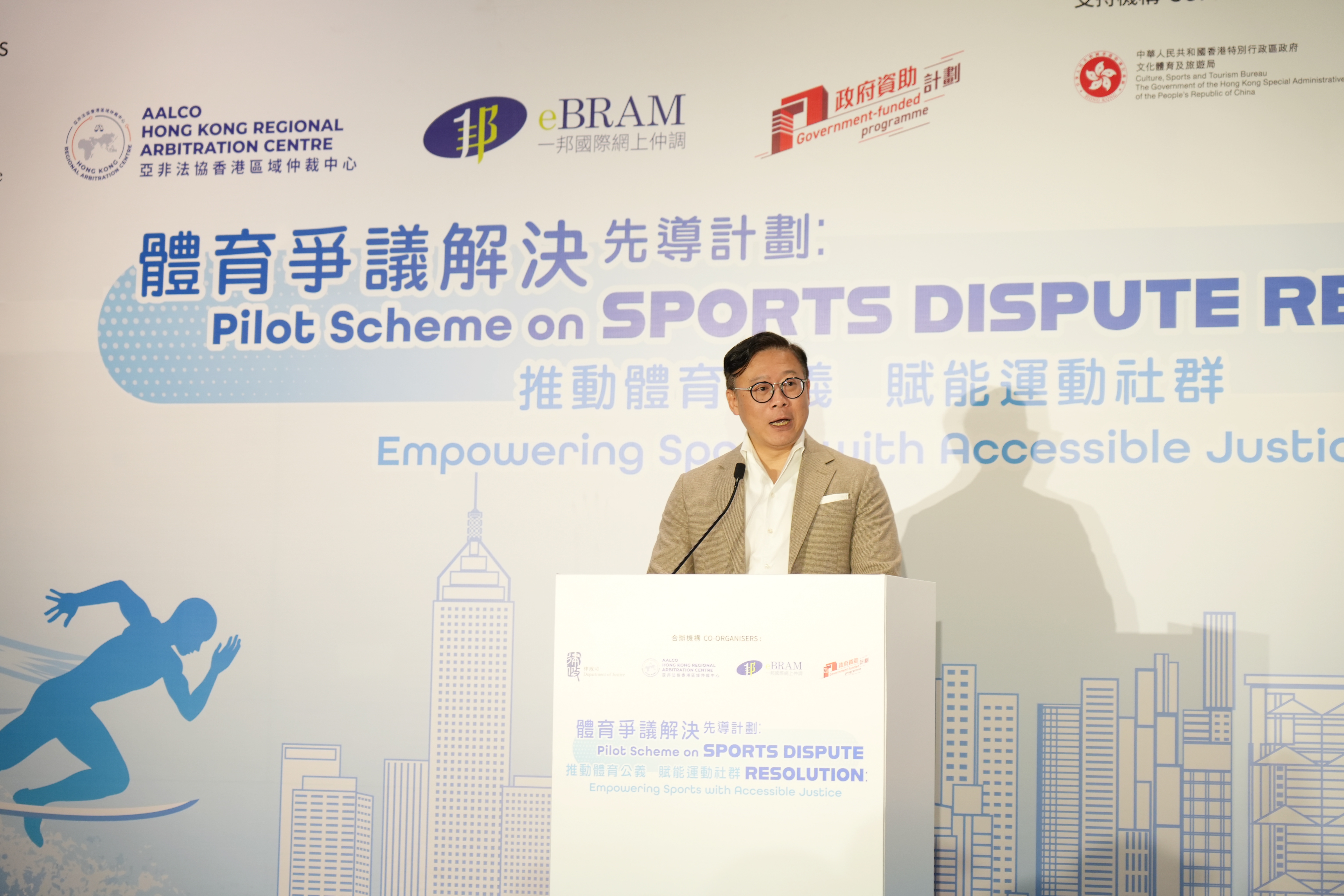
At Thursday’s event, Cheung also expressed confidence in the city’s ability to develop a sports dispute resolution sector, citing its strengths under the “one country, two systems” framework, its judicial independence, and a deep bench of top-tier legal professionals as key advantages.
Cheung said he saw abundant opportunities in the context of the city’s recent rise as a global mediation hub, following the official housing in October of the International Organization for Mediation –– the world’s first intergovernmental organization dedicated solely to mediation –– in the city.
Jurisdictions worldwide have been racing for leadership in sports dispute resolution and arbitration. While Switzerland’s Court of Arbitration for Sport remains the preeminent global body for handling such cases, new players are emerging, with Malaysia’s Asian International Arbitration Centre inaugurating a dedicated sports arbitration institution last year, and China opened its first national sports arbitration center under its General Administration of Sport in January.
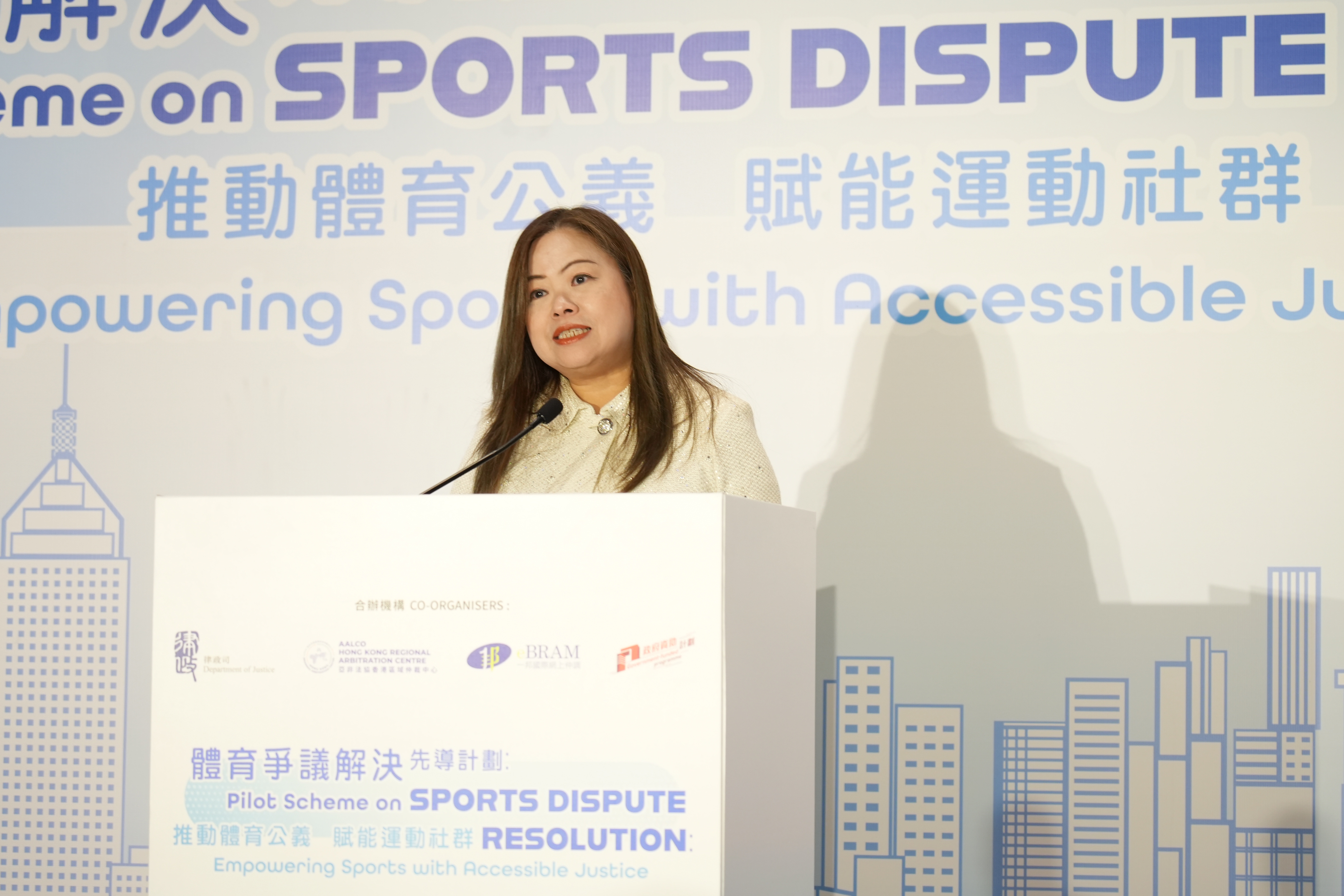
Building on these advantages in sports arbitration, the Department of Justice’s counsel Leona Cheung expounded on two additional drivers behind the initiative during a themed discussion on Thursday: to respond to an increasing number of disagreements within the fast-growing global sports industry; and to meet local demand. In the past, dispute resolution generally involved athletes being subject to opaque in-house sports association procedures or was only deterred by costly court action.
Potential disputes can touch upon a wide spectrum, including athletes’ eligibility to enter competitions, representative selection process, and commercial agreements on sponsorship and broadcast rights, Secretary for Culture, Sports and Tourism Rosanna Law Shuk-pui noted at Thursday’s event.
The need for efficient resolution is paramount, especially for athlete-related cases where a protracted dispute could induce major setbacks in an athlete’s career, she added.
READ MORE: HK to further enhance sports funding
Mok Juanita, a gold medalist at the 2024 World Taijiquan Championships, echoed Law’s remarks during a sideline discussion on industry perspectives concerning the initiative. “The window of an athlete’s peak performance is brief,” said Mok, and delays in resolving disputes and undue suspensions from competition risk wasting an athlete’s potential during their prime years.
“To have the backing of a fair, professional third party for athletes is (like having) a trustworthy safeguard to (rely) on –– a fair platform where they can voice their concerns,” Mok said.
A dispute resolution system tailored to specific industrial needs is essential for future growth as the local sports sector sets itself on a course of professionalization and commercialization, Law said, while pledging her bureau’s full support for local legal and sporting communities in jointly rolling out the pilot.
