

Washington's 'economic terrorism' forcing nations to alter trade ties: Tehran
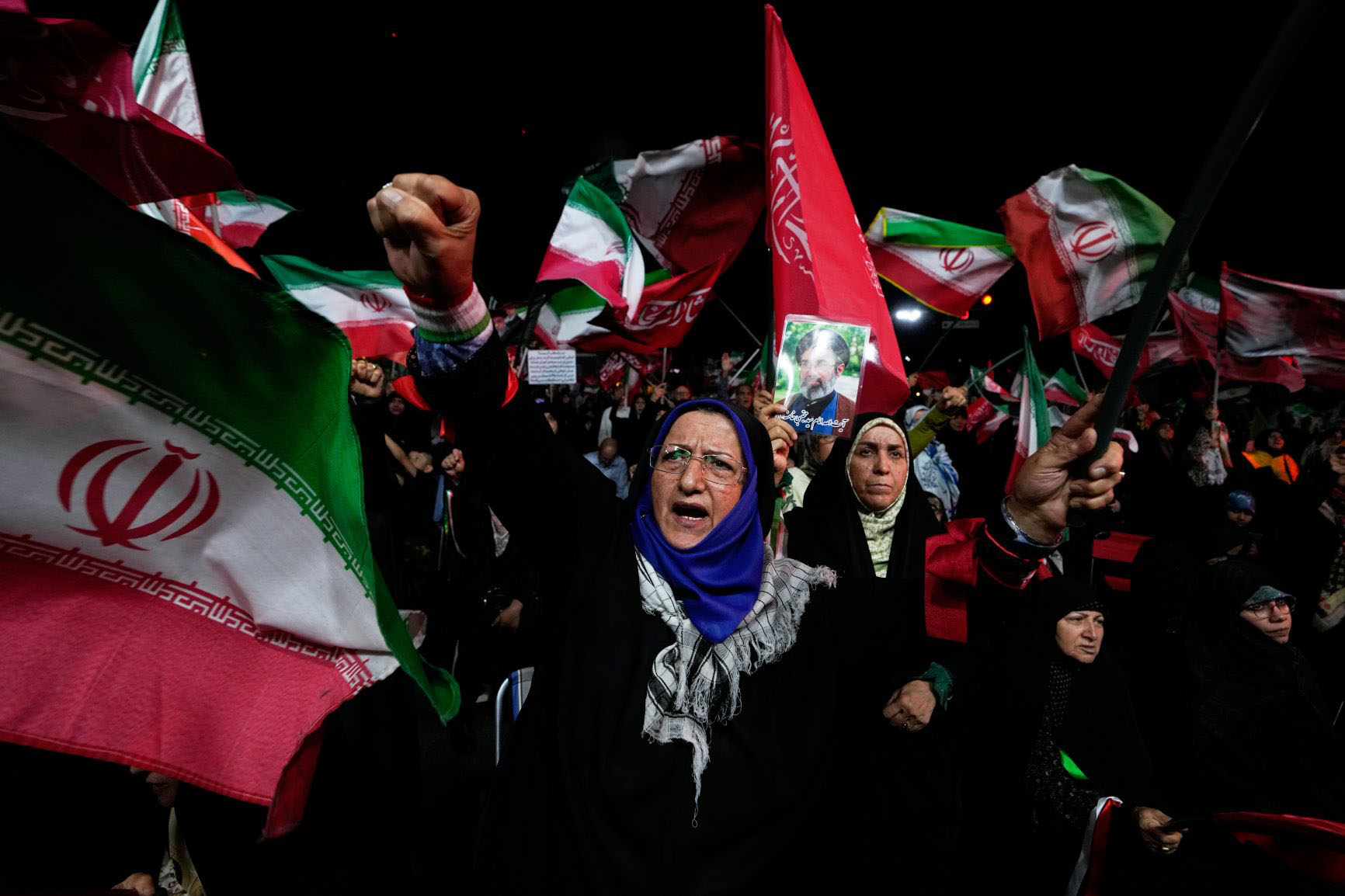
Iran is urging the United Nations to condemn the United States' "economic terrorism" against Tehran after Washington introduced expanded sanctions this week, saying the measures extended beyond US laws and jurisdictions, forcing countries to alter lawful trade relations.
The US Treasury Department on Monday announced a series of sanctions that target companies and vessels purportedly involved in networks supporting Iran's nuclear and missile programs, and oil-revenue generation. The campaign also focuses on five sectors that Washington said help sustain Iran's economy, namely digital assets, technology, gold, aviation, and shipping.
Iranian Foreign Minister Abbas Araghchi wrote a letter to UN Secretary-General Antonio Guterres, the Security Council president and UN member states, calling on them to condemn Washington's "Operation Economic Outcast" — the label used by the US for its expanded sanctions — which Iran said amounted to an illegal campaign of economic terrorism, Mehr News reported on Wednesday.
READ MORE: US-Iran talks still possible, says Pak envoy
"The declared objective of this so-called 'operation' is to end lawful economic relations with Iran, backed by threats of secondary sanctions and exclusion from the US financial system," Araghchi was quoted as saying by Mehr in a post published on Telegram.
Araghchi also asked Guterres to assess and report on the humanitarian and human rights consequences of the measures, including their impact on access to food, medicine, healthcare, energy, transportation and humanitarian assistance.
US President Donald Trump told Al Jazeera that he was "not in a hurry" to resume negotiations with Iran and that Washington's economic and military actions were "effective". He said "we are winning very big" and that Iran's economy is "falling apart".
Iranian Foreign Ministry spokesperson Esmaeil Baghaei, in a post on X on Thursday, said Washington's Iran policy "has reached pure parody".
"It turns to Bahrain — a country with virtually no meaningful economic exchange with Iran — to prove that its 'coalition' is working. It then 'stops' Iranian sports and academic exchanges that had already been effectively dead for years. It is sanctioning the already sanctioned and calling the empty space a coalition," said Baghaei.
Iranian President Masoud Pezeshkian said Thursday that Tehran was ready to establish joint security arrangements with neighboring states, proposing to conclude a mutual security and nonaggression treaty.
He said Iran was reaching out to its neighbors "not from a position of weakness, but based on its war experience", according to a statement published on his office's website.
Bid to ease tensions
Meanwhile, Qatari Prime Minister and Minister of Foreign Affairs Sheikh Mohammed bin Abdulrahman bin Jassim Al Thani held talks in Tehran with Iranian Foreign Minister Seyed Abbas Araghchi on a proposed interim framework for the Strait of Hormuz, according to the Qatari Foreign Ministry.
The two sides discussed the establishment of a temporary shipping corridor through the strait and the implementation of a joint project to clear it of mines.
ALSO READ: Hormuz remains shut despite promising talks
Gokhan Ereli, an assistant professor in the Department of Political Science and International Relations at Ibn Haldun University in Turkiye, told China Daily that Trump's sanctions surge and his "no hurry" stance suggest Washington believes the pressure is working.
"He's essentially telling Tehran that stalling now costs Iran more than it costs Washington," said Ereli.
"Qatar PM's visit isn't incidental to any of this; it's almost a direct consequence of it. The moment Washington signals it's willing to let the clock run, Gulf states step into that vacuum, because they're the ones who actually absorb the instability if things drift," said Ereli.
Xinhua News Agency contributed to this story.
Contact the writers at jan@chinadailyapac.com
