

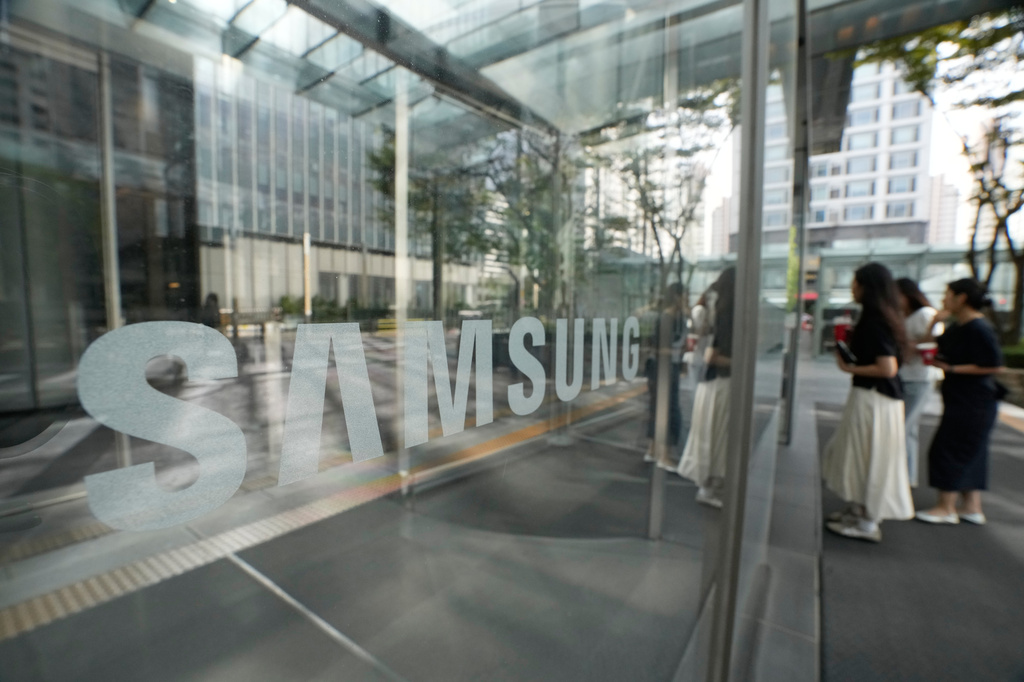
Samsung Electronics Co said it expects to return as much as 110 trillion won ($79 billion) to shareholders this year, joining rival SK Hynix Inc in handing investors a chunk of the windfall generated by the AI rush and putting in motion the largest shareholder return program in South Korea’s history.
The world’s biggest memory maker will hand about half of free cash flow to shareholders, with 30 trillion won of dividend payout for the third quarter, it said in a regulatory filing Friday. Bloomberg News reported earlier that the company was reviewing a shareholder return plan ranging between 90 trillion won and 110 trillion won.
Samsung’s shares pared earlier losses and closed up 3.9 percent in Seoul trading before the announcement. The potential scale of the package helped the won lead gains against the dollar among peers in Asia in the morning.
“This could help spark a broader structural change across the Korean stock market,” said Tom Kang, research director at Counterpoint. “We see this as a solid step toward a more shareholder-focused style of management — much closer to what you typically see in the US market.”
The moves by the two suppliers of memory to Nvidia Corp — and key architects of the AI buildout — respond to growing investor pressure to share more of the cash generated by the boom.
SK Hynix’s 40 trillion won buyback plan has added pressure on Samsung to return more cash to shareholders, who point to the electronics giant’s swelling reserves. Expectations of a sizable shareholder return program have buoyed Samsung’s stock this week.
ALSO READ: Samsung sees strong AI demand after profit triples to record high
The surge in preferred shares may reflect expectations for stronger shareholder returns and higher dividends for preferred shares. Such shares have also traded at “a significant discount”, according to Albert Yong, managing partner and chief investment officer at Petra Capital Management.
“The real question is how much is incremental and how much comes through buybacks versus dividends,” he said.
While shareholder return plans typically comprise some mix of dividends and buybacks, the specifics of Samsung’s plan weren’t immediately clear.
Still, Samsung’s move provides a “meaningful cushion to the share price”, against macroeconomic uncertainty, said Jung In Yun, chief executive officer at Fibonacci Asset Management Global.
