

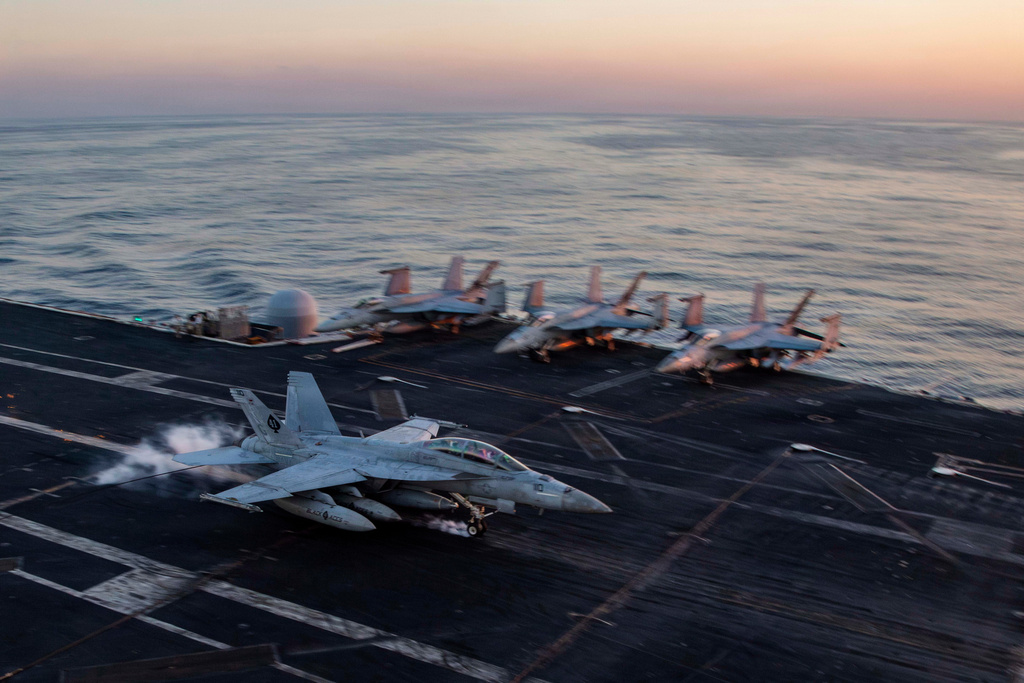
TEHRAN/ABU DHABI/WASHINGTON/NEW YORK – The US military is sending a new aircraft carrier to the Middle East to replace the USS Abraham Lincoln, which has been deployed for more than 250 days in support of the conflict against Iran, US media reported, citing officials.
The USS George Washington, the US Navy's "premier forward-deployed aircraft carrier" in the Pacific, was spotted Thursday transiting the Strait of Malacca, which links the Pacific and Indian oceans.
A Navy official confirmed to USNI News, the US Naval Institute's online news and analysis portal, that the aircraft carrier was moving westward after passing through the Singapore Strait.
The deployment came amid growing concerns over conditions aboard the Lincoln, including reported shortages of basic supplies, water contamination, plumbing issues, deck safety concerns, mail disruptions, and deteriorating mental health among the crew onboard.
Sen. Richard Blumenthal said the Lincoln hasn't made a port call in 200 days during its extended deployment in the Iran conflict, setting a record for consecutive days at sea.
Amid the strain of the conflict, the US military has lost about 25 percent of its MQ-9 Reaper drones, The Washington Post reported on Thursday, citing three US officials.
Each drone can cost between $30 million and $50 million depending on the type of sensors and weapons it carries, putting the total value of the losses at more than $1.3 billion, it said.
US 'miscalculation' about Strait of Hormuz
On Thursday, Iranian Foreign Minister Seyed Abbas Araghchi warned the United States against making a "big miscalculation" about the Strait of Hormuz based on "fake intelligence".
He issued the warning in a post on social media platform X one day after US President Donald Trump claimed on social media that the United States maintains "total control" over the Strait of Hormuz will "keep it".
In a post on Truth Social, Trump said the US naval blockade of the waterway had been described as a "wall of steel" and Iran lacked the capability to challenge it.
"The US has long miscalculated due to intelligence failures. Case in point: The war on Iran. Now, an even bigger miscalculation on the Strait of Hormuz," Araghchi said.
Meanwhile, Iran's Persian Gulf Strait Authority, the body responsible for maritime traffic in the Strait of Hormuz, said, "Claims and repeated posts by US officials that the Strait of Hormuz is no longer blocked do not change the reality."
"The Strait of Hormuz remains blocked and will not be reopened until Iran's conditions are accepted," it added.
Earlier, Mohsen Rezaei, the newly-appointed secretary of Iran's Supreme National Security Council, said the Strait of Hormuz would remain closed unless the US changes its behavior and accepts Iran's conditions, the official IRNA news agency reported Tuesday.
"The United States must end the war and pay the country's frozen assets, and the war must end in the entire region, including Lebanon and Gaza," Rezaei said.
Iran has tightened its grip on the Strait of Hormuz since Feb 28, barring the safe passage of vessels belonging to or affiliated with Israel and the US after the two countries launched joint strikes on Iranian territory.
UAE tankers attacked
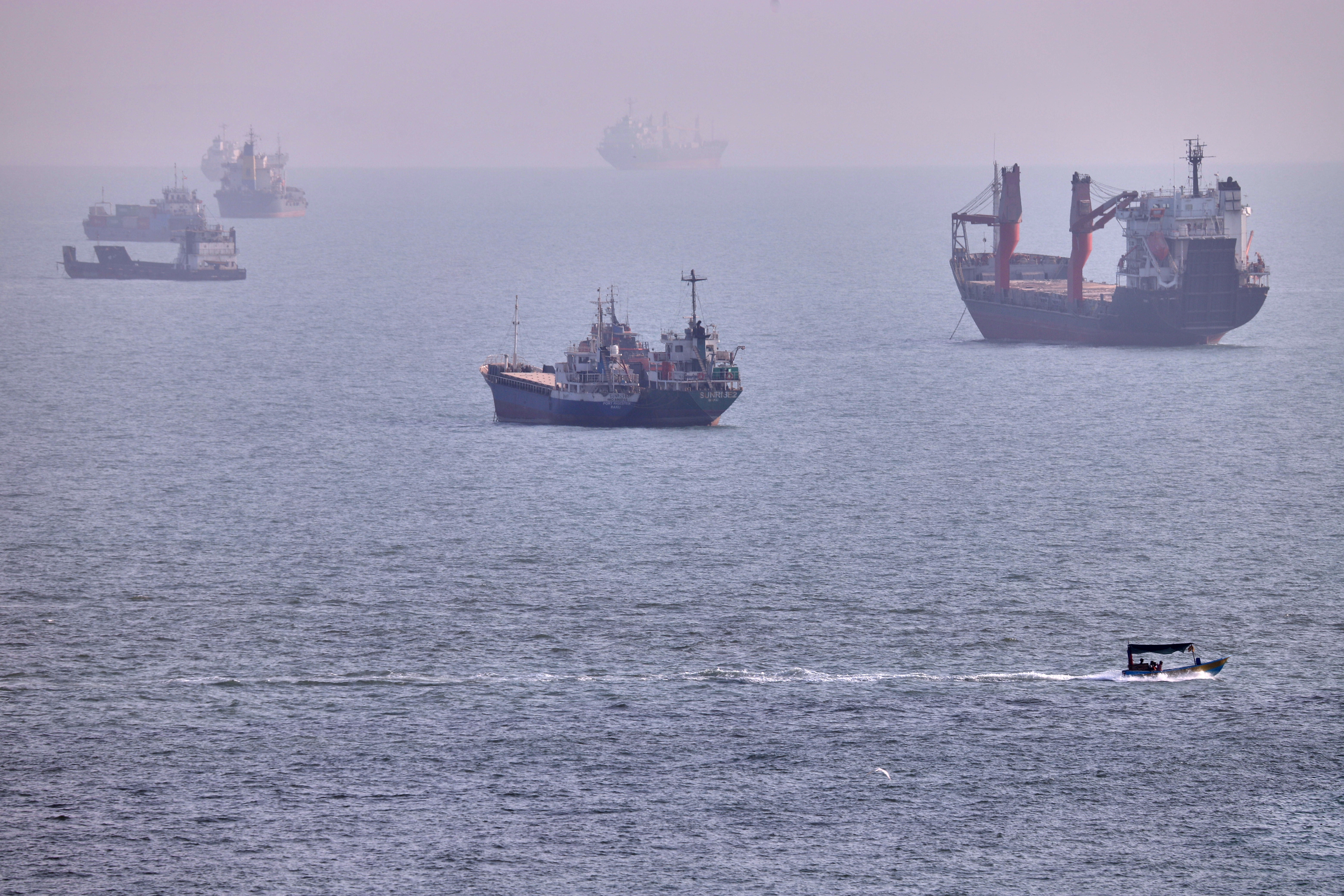
In another development, two vessels belonging to Abu Dhabi National Oil Company (ADNOC) of the United Arab Emirates were attacked while transiting the Strait of Hormuz on Thursday evening, local authorities and media said early Friday.
In a statement posted on social media, the UAE Ministry of Foreign Affairs condemned the Iranian attacks, stressing the necessity for Iran to cease attacks.
The company confirmed that no injuries have been reported, and the situation has been brought under control, according to the official Emirates News Agency.
ALSO READ: Report: Trump's options for walking away from Iran war have narrowed
The report did not provide further details on the specific vessels involved or the extent of damage caused by the attacks.
The state-owned ADNOC is one of the largest oil and gas producers in the world, serving as the primary driver of the UAE's economy.
'No vessels can cross Hormuz'
Meanwhile, Iran's main military command, Khatam al-Anbiya Central Headquarters, said no commercial vessel or oil tanker has been, or will be, able to cross the Strait of Hormuz safely without the Iranian armed forces' permission and supervision.
In a video message carried by Iranian media, Ebrahim Zolfaghari, the headquarters' spokesman, said that, as in the past, the Strait of Hormuz is under Iran's full control and management, rejecting US claims about vessels' normal passage through the Strait of Hormuz as being "false and nothing but lies".
He added that the US "false" claims are indicative of its army's "desperation and helplessness", stressing that the US leaders and army have well tested the Iranian armed forces' "power and resistance".
'Measures never seen on Iran'
In an interview on Newsmax's Rob Schmitt Tonight program, US Treasury Secretary Scott Bessent said that the United States is going to apply measures that have "never been seen" on Iran.
"Watch this space for more announcements coming next week because we are going to apply measures like have never been seen in the history of economic isolation on a country," Bessent said.
Bessent said Washington is stepping up a financial campaign against Tehran that began after Trump reinstated his "maximum pressure" policy last year and intensified it following the launch of military operations against Iran in February.
He added that the Treasury Department has targeted Iranian "bank accounts, crypto wallets, assets around the world, cutting off payments into both the leadership in the regime and the government itself".
Bessent referenced "Operation Epic Fury", the joint US-Israeli military campaign against Iran that began on Feb 28, and said the Treasury Department was now shifting toward what he called an "Economic Fury".
The Treasury Department would pursue a combination of economic isolation and a continued blockade of the Strait of Hormuz, Bessent said.
