

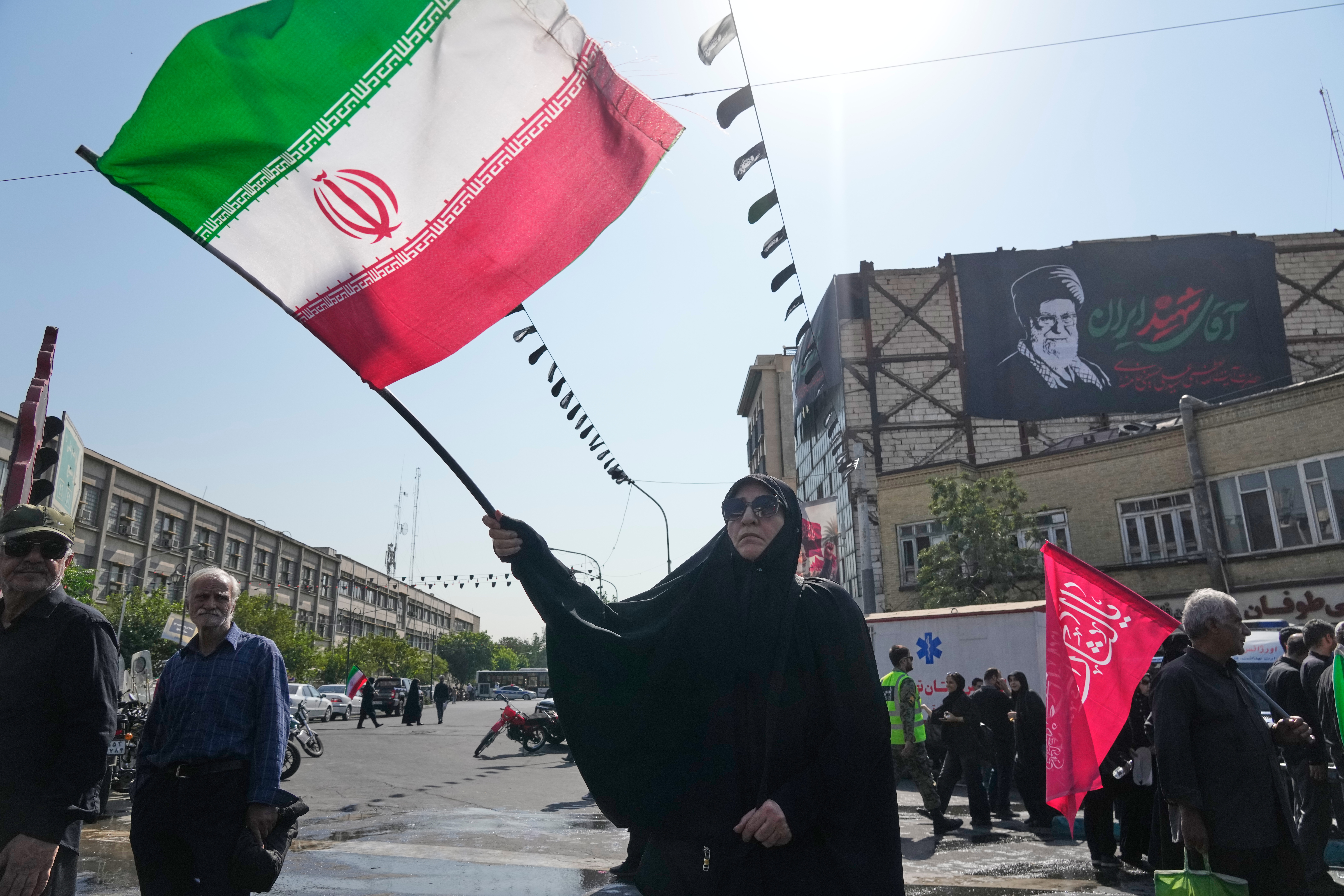
WASHINGTON/TEHRAN – A deal to reopen the Strait of Hormuz appears increasingly within sight, with officials from Washington, Tehran and regional mediators signaling progress in ongoing diplomatic efforts.
US Treasury Secretary Scott Bessent said Tuesday that an agreement could be reached within days. "I think there is a chance we may have a deal today or tomorrow to open the strait and move towards a more normalized position in this conflict," Bessent told CNBC.
Later Tuesday, President Donald Trump told Fox News that the United States is "having very good discussions" with Iran, while also warning that Tehran will be "hit very hard" if the strait is not reopened "very soon."
ALSO READ: Trump confirms resumption of talks with Iran, Hormuz deal nears
A day earlier, Trump had described the talks as "going on right now" and called it Iran's "last chance" to sign a deal.
Tehran, however, has rejected the US characterization. Foreign Ministry spokesman Esmail Baghaei said Monday that no negotiations with Washington were underway or scheduled, insisting that the only talks taking place were with Oman over the management of the strait.
On Tuesday, Baghaei described those discussions as "positive" at both technical and political levels, adding that Iran is seeking to develop mechanisms with Oman to manage future shipping traffic through the strategic waterway.
He told state-run IRIB TV that any new routes must safeguard the sovereign rights and national security of both Iran and Oman. Any final arrangements would be announced after the talks concluded, he added.
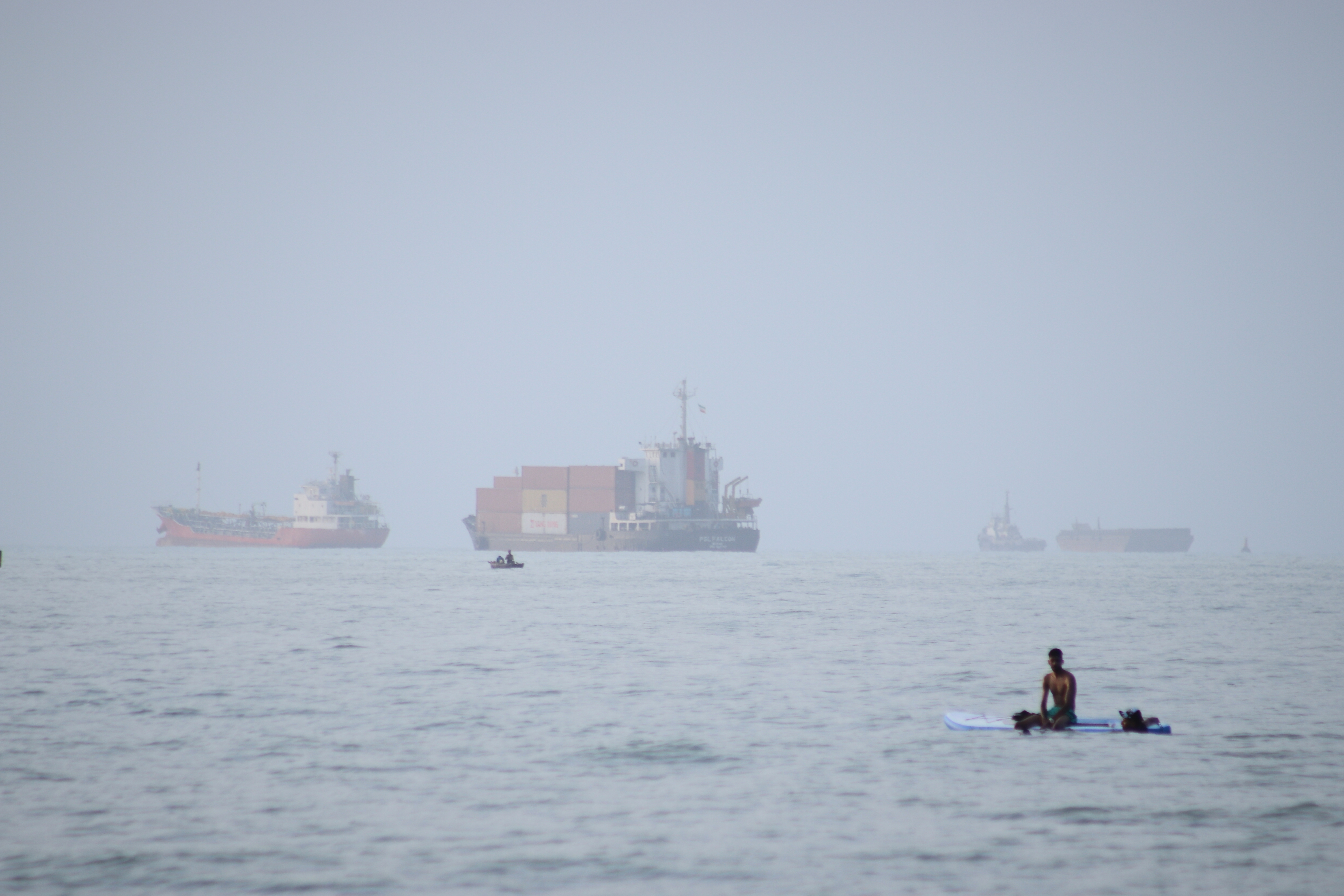
State-run Press TV also cited a senior Iranian official as saying that once operational, the new corridor will replace the existing northern and southern routes.
The official described the measure as defensive and "fully consistent with the rights of any sovereign state to protect its territorial waters from external threats."
Meanwhile, US Secretary of State Marco Rubio said Tuesday that the United States was involved in negotiations between Oman and Iran aimed at increasing traffic through the Strait of Hormuz.
"There has been progress in those talks, but not finality yet. We're hoping that will happen very shortly," he told reporters.
READ MORE: Trump says US to hold off attack on Iran
Qatar also confirmed on Tuesday that mediation efforts between the United States and Iran remain underway, with draft language for a possible agreement continuing to be exchanged between the two sides.
Majed Al Ansari, adviser to Qatar's prime minister and spokesperson for the Ministry of Foreign Affairs, said that talks had reached "very progressive stages."
The official said Qatar, Pakistan, and Oman were coordinating closely to facilitate indirect contacts between Washington and Tehran.
Al Ansari said Qatar's immediate priority was "avoiding escalation, reopening the strait and reopening the door for diplomacy between the parties."
CNN: US military exhausts nearly 80% of THAAD interceptors
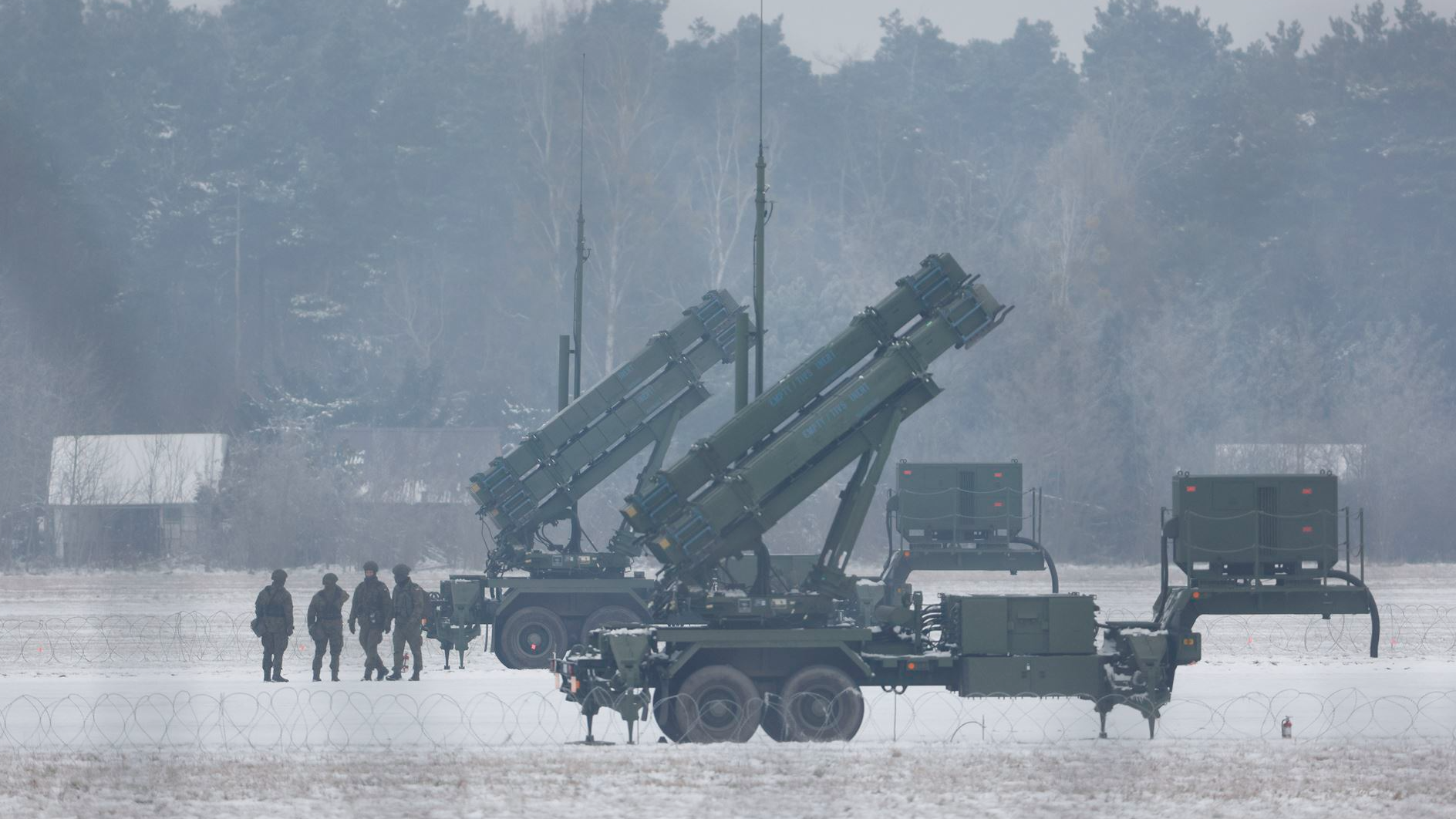
Also on Tuesday, CNN reported that the US military has exhausted nearly 80 percent of interceptors for a key missile defense system during the war with Iran, as military commanders warned that the Pentagon's munitions stockpile is "dangerously low."
The US military has burned through nearly four-fifths of its THAAD missile inventory compared to pre-war numbers and roughly half of its Patriot interceptors since the start of the war, the report cited two sources familiar with the latest inventory report as saying.
The report noted that the stockpile issue was raised again prior to Trump's decision last weekend to cancel new strikes on Iran.
The US Army has also used "virtually all" of its highly accurate long-range, surface-to-air weapons during the conflict, the report said.
The latest report came as the Pentagon updated its military casualties in overseas operations Tuesday, which showed four US service members have been killed and 270 have been injured since July 7, the start date of a new round of hostilities with Iran as defined by the White House.
Previously released data showed that 14 US service members were killed and 417 were injured during "Operation Epic Fury," the joint US and Israeli military campaign against Iran that started on Feb 28.
With the latest update, total US military injuries in the war against Iran have reached 687.
