

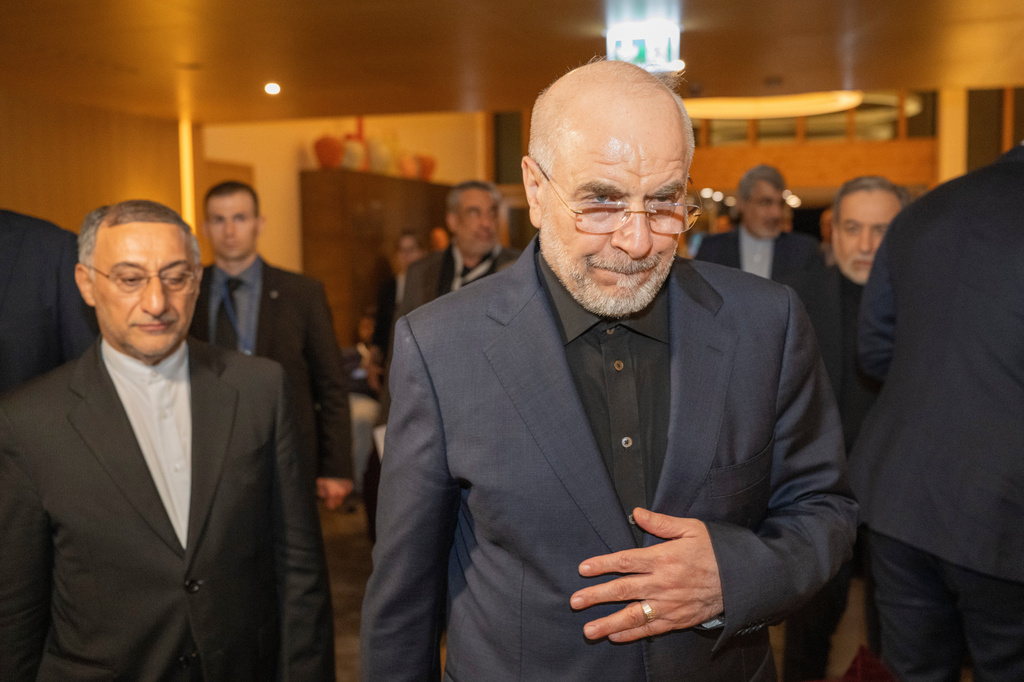
TEHRAN/BUERGENSTOCK, Switzerland – The Strait of Hormuz will be administered by Iran, chief negotiator of the Iranian delegation Mohammad Bagher Ghalibaf told media on his way back from Switzerland, the official IRNA news agency reported on Tuesday.
He made the remarks after the first session of US-Iran talks on implementing the interim peace deal between the two sides concluded at central Switzerland's Buergenstock resort.
On Monday, US Vice-President JD Vance said talks with Iranian negotiators, mediated by Pakistan and Qatar, had "laid a very good foundation for a successful final deal".
Hours ahead of Vance's remarks, IRNA reported that the Iranian delegation left the Swiss venue to return to Tehran after 18 hours of "intensive" negotiations.
Vance said that the Strait of Hormuz is open and crude oil and natural gas are flowing through.
"We wanted to build a mechanism for keeping the Strait of Hormuz open. It is open," said Vance.
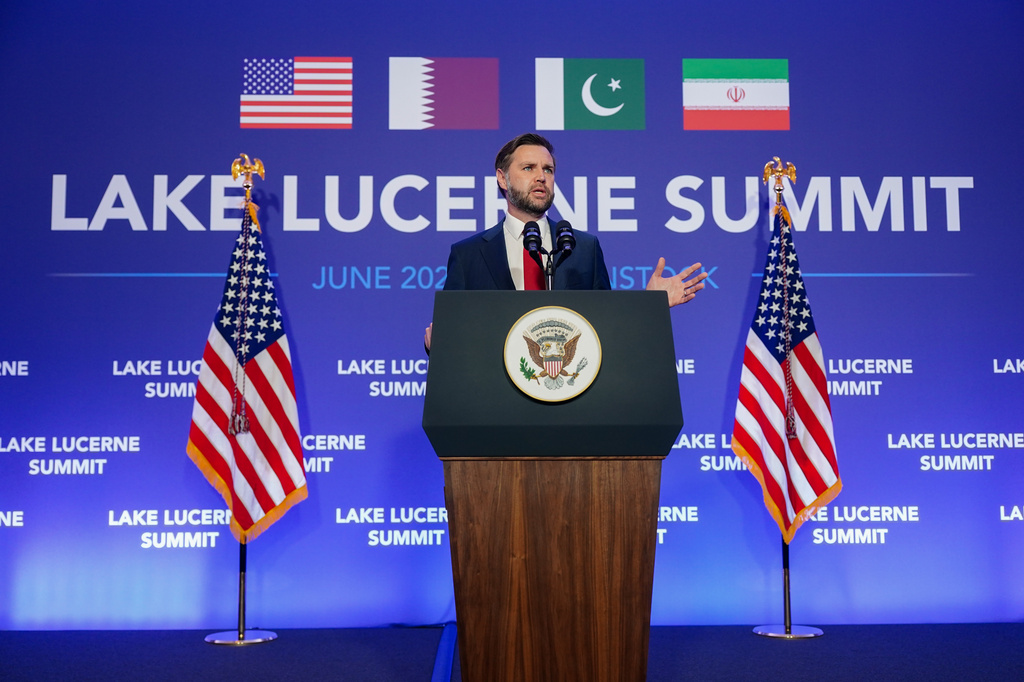
Gas prices and oil prices come down, millions and millions of barrels of crude and natural gas are flowing through the Strait of Hormuz that weren't flowing before, he added.
The Strait of Hormuz handles roughly 20 percent of the world's seaborne oil flows. Iran tightened its grip on the Strait of Hormuz after Israel and the US launched their joint strikes on Iran on Feb 28. The US imposed a naval blockade targeting ships going to and from Iran.
ALSO READ: Mediators unveil steps for US-Iran engagements toward final deal
The situation began to improve after US President Donald Trump announced during last week's Group of Seven summit in France that a memorandum of understanding with Iran had been electronically signed and that the Strait of Hormuz would be "completely open" by Friday.
Under the MoU, the United States and Iran agreed to immediately and permanently cease military operations on all fronts, including in Lebanon, and committed to negotiating a final peace agreement within 60 days.
However, the process faced a setback just one day before the Swiss talks, which had been rescheduled from Friday to Sunday, when Iran announced the closure of the Strait of Hormuz, citing what it described as US and Israeli violations of the MoU.
Talks between the US and Iranian negotiators, under Qatari and Pakistani mediation, kicked off on Sunday but were stalled Sunday night. The Iranian delegation reportedly left the negotiations in protest of US President Trump's threat to launch further strikes against Iran.
However, Vance said Monday that the US negotiating team has been working with the Iranians, the Qataris, and the Pakistanis and made great progress on Sunday.
The teams will continue to work at the technical level at Buergenstock and technical negotiations will continue over the weeks and days to come, he said.
Iran: Interaction with IAEA to continue
In an interview with IRNA, Iranian Foreign Ministry spokesman Esmaeil Baghaei said Monday that Iran's interaction with the International Atomic Energy Agency (IAEA) will continue in accordance with the current procedure, in response to US officials' claims that Iran has agreed to invite inspectors from the United Nations nuclear watchdog to the country.
"Iran's interactions with the IAEA will continue in accordance with the country's obligations under the safeguards agreement (with the agency) and the current procedure, and in compliance with the Iranian parliament's approvals and the Supreme National Security Council's decisions," Baghaei said.
Iran suspended cooperation with the IAEA in late June 2025 under a parliamentary law, citing the agency's failure to condemn the Israeli and US attacks earlier that month on Iran's nuclear sites.
READ MORE: Iran says talks with US bound by Tehran's 'red lines'
Despite the suspension, Iran previously said it remained committed to the Non-Proliferation Treaty and abided by the safeguards agreement with the IAEA.
