

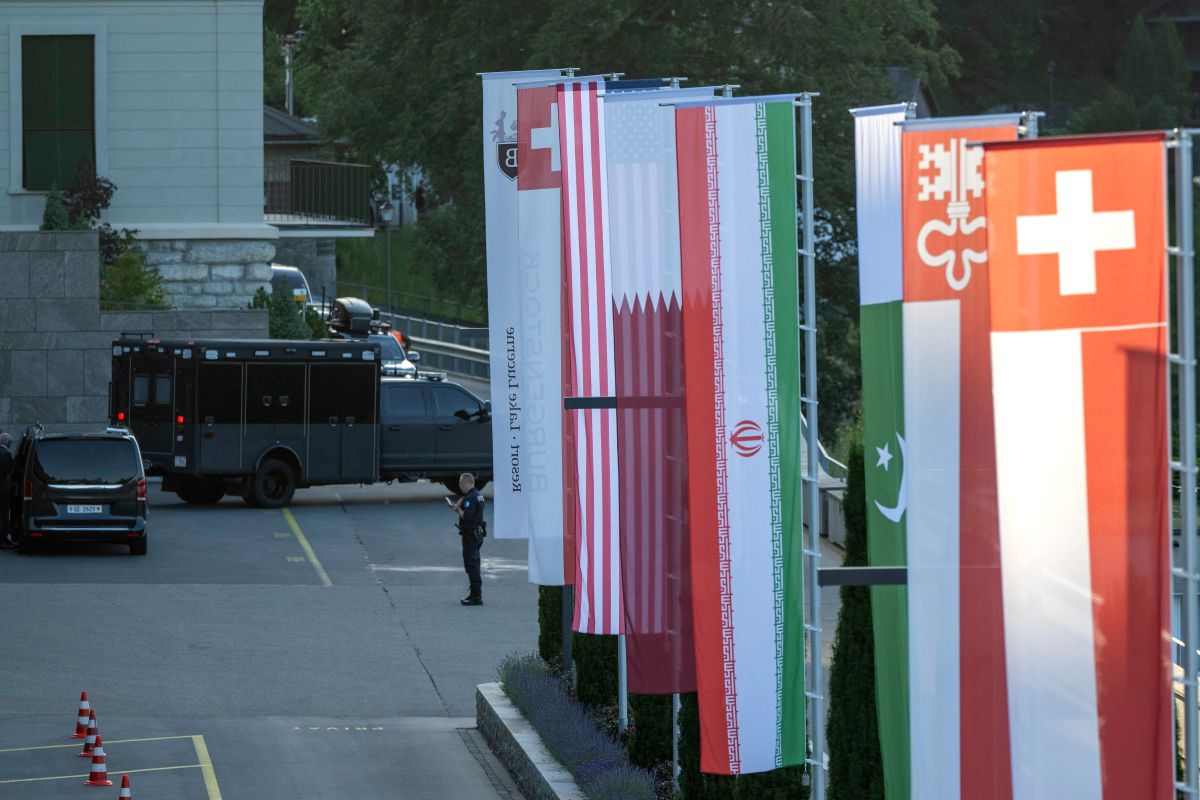
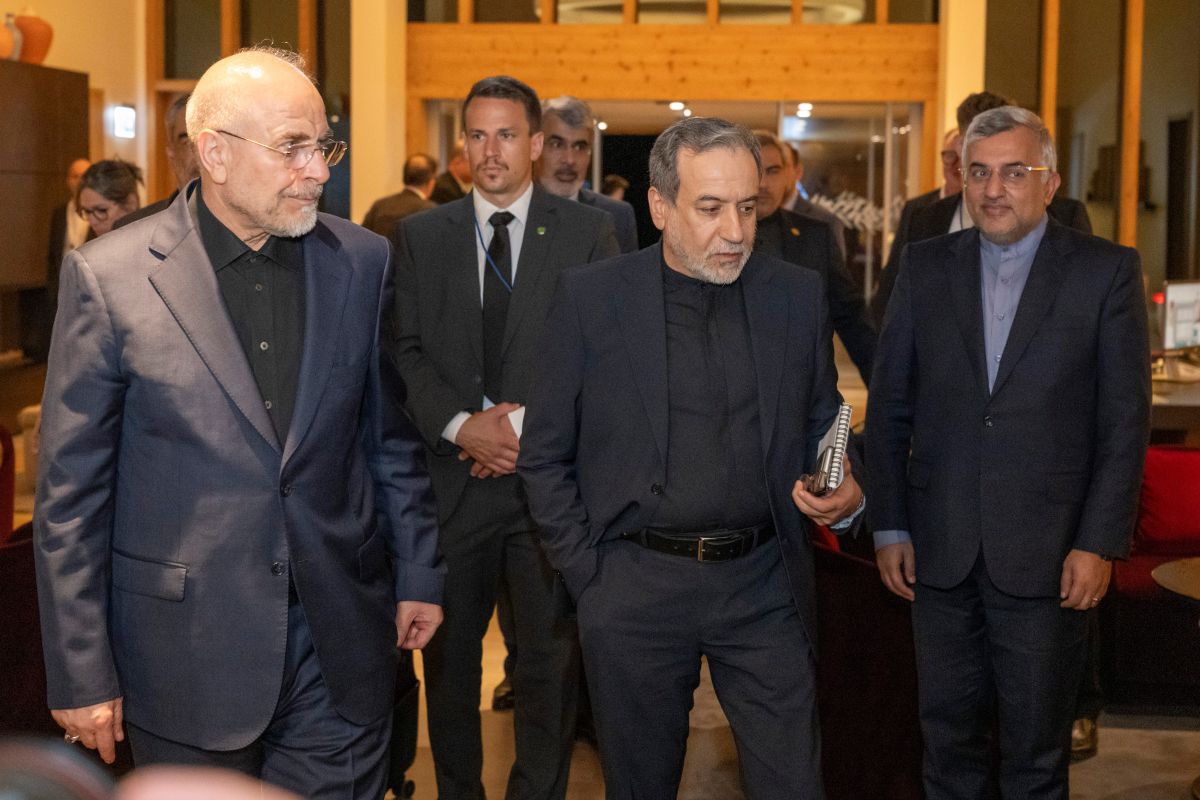
GENEVA/WASHINGTON/TEHRAN/JERUSALEM – The Iranian and US delegations have landed in Switzerland for talks at the Burgenstock resort to halt the conflict in the Middle East.
US Vice President JD Vance arrived in Switzerland on Sunday morning, according to media reports.
The Iranian delegation arrived earlier on Saturday.
"We welcome the arrival of the Iranian delegation in Switzerland," the Swiss foreign ministry said on X, adding that the Iranian delegation is on its way to the Burgenstock resort as part of the implementation of the Memorandum of Understanding (MoU) signed between the US and Iran.
RELATED ARTICLES
- Iran says talks with US bound by Tehran's 'red lines'
- Tehran: Iranian, US presidents sign peace MoU digitally
- US to create plan for Iran's rehabilitation with $300b in financing
- Israeli strikes kill 15 in southern Lebanon despite ceasefire
According to a report by Iran's semi-official Fars news agency, the Iranian delegation will follow up on and demand the fulfillment of US commitments, including forcing Israel to stop its attacks on Lebanon.
While talking to reporters before his departure, Vance expressed his hope of making progress on the nuclear issue and the Lebanon ceasefire issue. "Those are the two big things that I think we're to be focused on."

“I can only be there for a day or two," he added.
Pakistani Prime Minister Shehbaz Sharif arrived in Zurich on Sunday along with his delegation to participate in the high-level talks on the implementation of the Islamabad MoU, the Prime Minister's Office said in a statement.
He will attend the talks alongside Chief of Defense Forces Field Marshal Syed Asim Munir.
Earlier Saturday, Switzerland said that it continues to provide a "discreet and reliable setting" to facilitate talks at the Burgenstock resort on the implementation of the MoU between the United States and Iran.
The initial negotiations on the implementation of the interim peace deal between the two sides were scheduled for Friday but were later postponed.
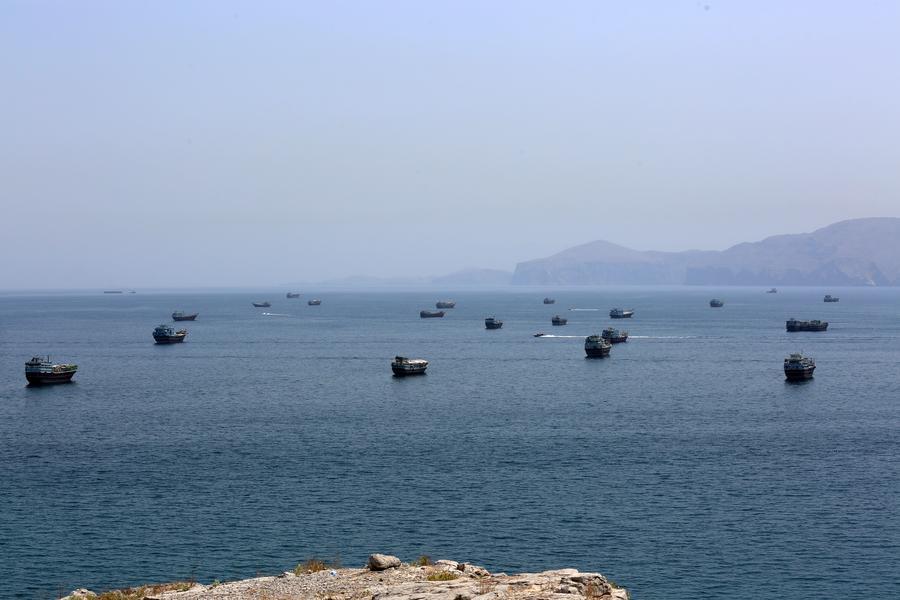
Iran closes Strait of Hormuz
Iran's main military command Khatam al-Anbiya Central Headquarters announced Saturday the closure of the Strait of Hormuz, citing US "breach" of the newly-signed peace MoU and Israel's ceasefire "violations" in southern Lebanon, Iran's semi-official Mehr news agency reported.
Meanwhile, Vice President Vance told Fox News that the US is "not seeing any evidence that the Iranians are still closing down the Strait of Hormuz. It is going to take some time to clear those mines, though."
Also on Saturday, US Central Command said the Strait of Hormuz remained open, with increasing commercial ship traffic through the waterway.
"Safe passage through the international waterway remained intact today as 55 merchant ships transited, moving large amounts of cargo and more than 17 million barrels of oil to global markets," the command said in a statement.
"US forces remain present and vigilant to ensure all aspects of the agreement with Iran are adhered to, obeyed, and in full force and effect," according to the statement.
Trump: No Hormuz tolls unless US imposes them
President Trump said on Saturday that no tolls would be charged in the Strait of Hormuz during the 60-day interim ceasefire with Iran or after the period expires.
In a social media post, Trump said the US could impose tolls if a final agreement is not reached.
"There will be NO TOLLS in the Hormuz Strait for 60 days during the Cease Fire Period, and there will be NO TOLLS after the 60 day period has expired, unless they are imposed by and for the United States of America, should the deal not be completed, for services rendered as the Guardian Angel to the countries of the Middle East for purposes of both past, present, and future reimbursement of costs," Trump wrote.
Israeli forces to stay in Lebanon
Israel's Channel 12 News reported that Israeli Prime Minister Benjamin Netanyahu and Defense Minister Israel Katz have ordered the military to cease fire in Lebanon. However, the forces did not withdraw from the territories they hold in southern Lebanon, it reported.
It reported that according to the order, which was made in coordination with the US, the Israeli military will continue to hold the "Security Zone" in southern Lebanon, and if Hezbollah respects the ceasefire and does not carry out attacks or violations, the military will also stop offensive activity.
