

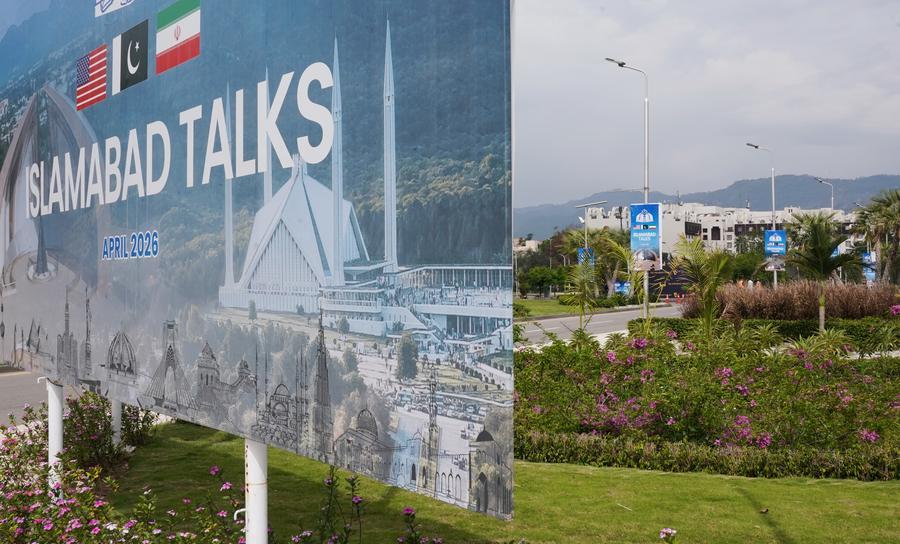
Hopes for a diplomatic rapprochement between the United States and Iran faded further over the weekend, as face-to-face talks to end their two-month conflict remain deadlocked, with both sides firmly clinging to their respective preconditions.
Iranian President Masoud Pezeshkian told Pakistani Prime Minister Shehbaz Sharif via phone on Saturday night that Tehran will never accept “imposed negotiations” conducted under military threats and a maritime blockade, according to an official Iranian statement. He said Washington should first remove “operational obstacles” to clear the way for a new round of substantive talks.
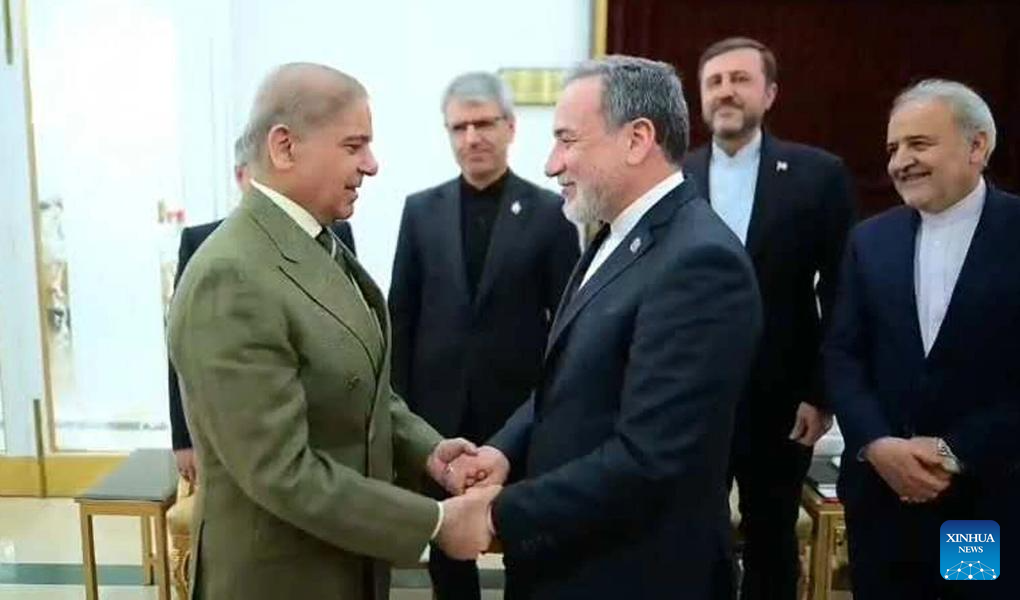
The deadlock deepened as Iranian Foreign Minister Abbas Araghchi wrapped up weekend consultations with Pakistan’s military and civilian leaders, while US President Donald Trump scrapped a planned Islamabad visit by his envoys Steve Witkoff and Jared Kushner, delivering setbacks to fledgling peace efforts.
Araghchi described his one-day working visit to Pakistan as “very fruitful”. “I shared Iran’s position on a viable framework to secure a permanent end to the conflict. It remains to be seen whether the US demonstrates genuine diplomatic sincerity,” he said on social media.
On Sunday, Araghchi traveled to Oman, a key regional mediator that has facilitated past US-Iran dialogue across the Strait of Hormuz. In Muscat, he held talks with Omanni Sultan Haitham bin Tariq Al Said, with the two sides discussing regional developments, ongoing mediation initiatives and joint efforts to deescalate tensions, Oman News Agency reported. Araghchi was scheduled to return to Islamabad before heading to Russia.
Islamabad authorities, meanwhile, have rolled back stringent security restrictions imposed amid days of heightened alert ahead of the stalled US-Iran negotiations.
Trump, who was safely evacuated from the White House Correspondents’ Association dinner on Saturday following an on-site shooting incident, said the episode would not weaken his resolve in the Iran conflict, adding that there appeared to be no direct link between the violence and the conflict.
Trump earlier canceled his envoys’ trip, arguing that the proposed journey involved excessive travel and expense for what he described as an insufficient Iranian offer. After the pullout, Iran “offered a lot, but not enough”, he said, indicating the ball was now in Tehran’s court.
ALSO READ: EU: Any Iran deal not involving nuclear experts weaker than 2015 pact
“If they want to talk, all they have to do is call!” Trump wrote on social media.
White House press secretary Karoline Leavitt earlier said the US had seen some progress from the Iranian side and that Vice-President JD Vance, who led an unsuccessful first round of talks in Islamabad this month, was ready to travel again to Pakistan.
Mark Pfeifle, a former senior national security adviser to former US President George W. Bush, told Al Jazeera that Trump’s last-minute trip cancellation marked a retreat from diplomatic engagement and a return to Washington’s longstanding “pressure campaign”.
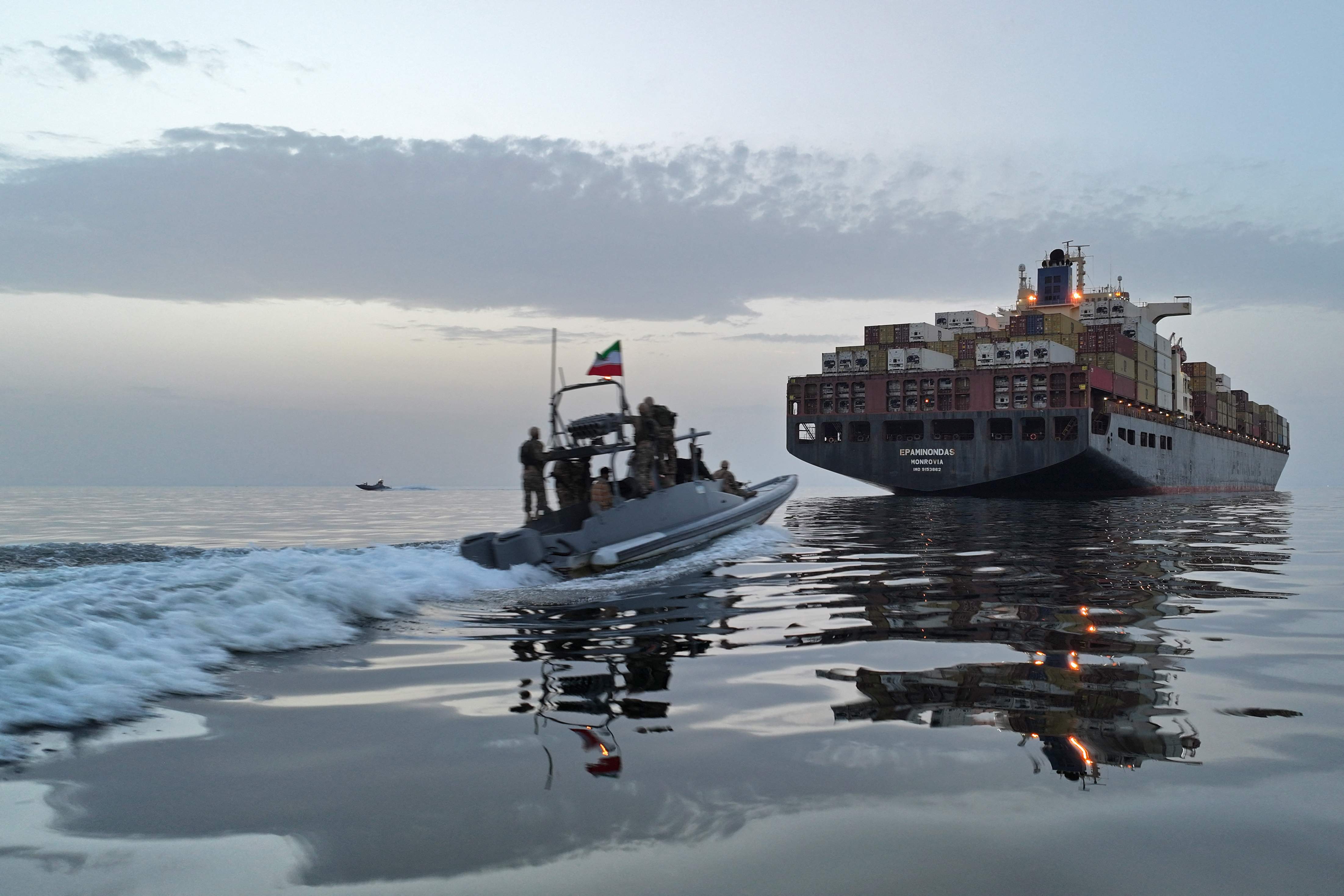
“The US seeks to cripple Iran through economic coercion, while Iran leverages its control over the Strait of Hormuz to pressure the West,” he said. “The two sides are locked in a protracted standoff, each testing the other’s endurance to see which side concedes first.”
The conflict, in which a ceasefire is in force, began with US-Israeli airstrikes on Iran on Feb 28. Iran has since struck Israel and US targets in neighboring Gulf states. Since the war began, at least 3,375 people have been killed in Iran and at least 2,496 people in Lebanon, where new fighting between Israel and the militant group Hezbollah broke out in March.
Regional tensions have escalated further since Saturday, as another fragile ceasefire between Israel and Hezbollah was shaken with cross-border exchanges of fire. Israeli Prime Minister Benjamin Netanyahu ordered the military to launch intensified strikes against Hezbollah targets across Lebanon.
The Israeli military dropped warning leaflets over Lebanon’s Tyre district on Sunday, alerting local residents to incoming large-scale military operations in southern Lebanon.
