

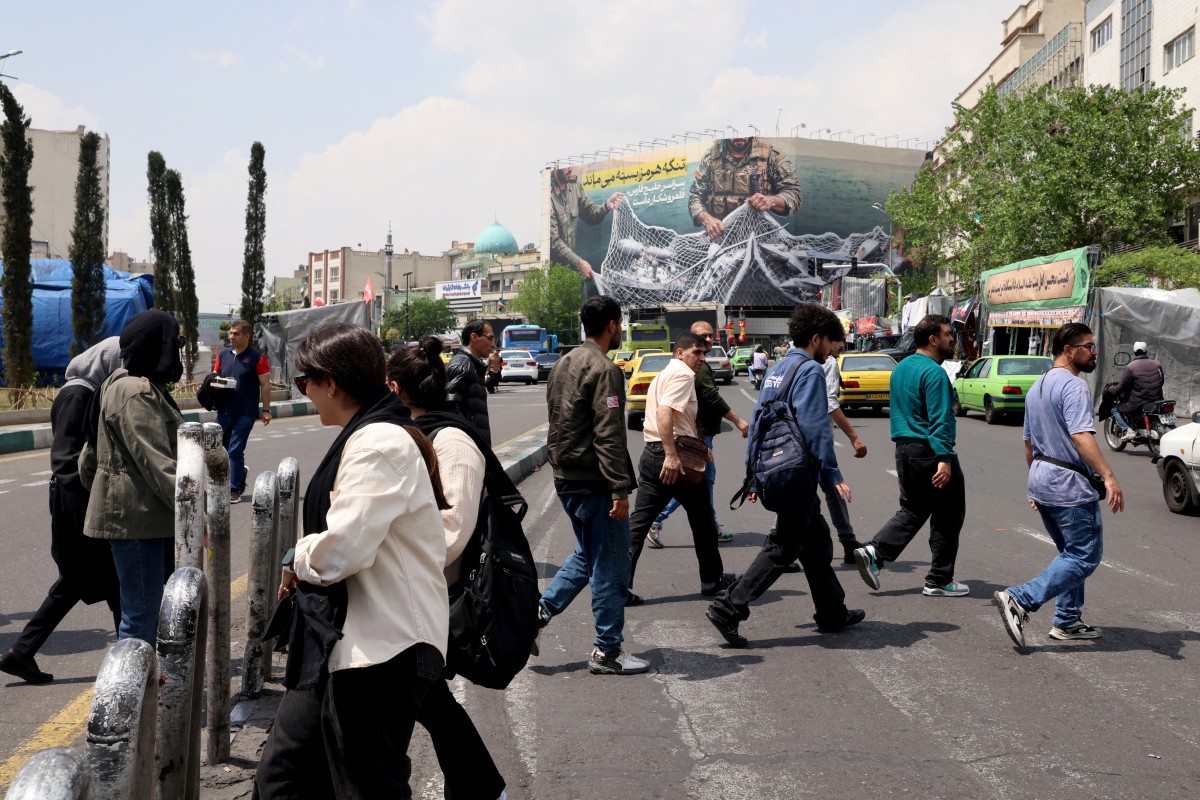
WASHINGTON/TEHRAN - US President Donald Trump said Wednesday there is "no time frame" for ending the US-Israeli conflict with Iran.
There was "no time pressure" on the extended ceasefire or pending new peace talks, Trump told Fox News.
"People say I want to get it over because of the midterms, not true," Trump claimed. He had initially said the conflict would last four to six weeks after it began on Feb 28.
On Tuesday, Trump said that he would extend the two-week ceasefire set to expire on Wednesday night to allow more time for Iran to come up with a unified proposal for further negotiations.
White House Press Secretary Karoline Leavitt told reporters on Wednesday that Trump has not set a deadline for receiving Iran's proposal. "Ultimately, the timeline would be dictated by the commander in chief," she said.
ALSO READ: Iran says decision to rule out peace talks 'definitive' as Trump extends truce
Trump may extend the ceasefire with Iran for three to five more days, US online media outlet Axios reported Wednesday, citing three US officials.
Commander of Iran's Islamic Revolution Guard Corps Ahmad Vahidi and his deputies had rejected much of what Iran's own negotiators had discussed during the first round of US-Iran talks in Pakistan earlier this month, according to the report.
Resuming talks 'later this week'
Also on Wednesday, Trump told the New York Post that it's "possible" fresh peace talks between the United States and Iran could take place as soon as Friday.
"Sources in Islamabad touted positive mediation efforts with Tehran, renewing the possibility of more peace talks within the next 36 to 72 hours," the New York Post reported.
Asked about this possible breakthrough, Trump said in a text message: "It's possible!"
Iran's semi-official Tasnim news agency said Iran has yet to officially address ceasefire extension claims. "Iran has not issued any official statement confirming its agreement to extend the ceasefire, despite unverified reports circulating in some media outlets," it said on social media platform X.
Iran's ships seizure 'not breach of ceasefire'
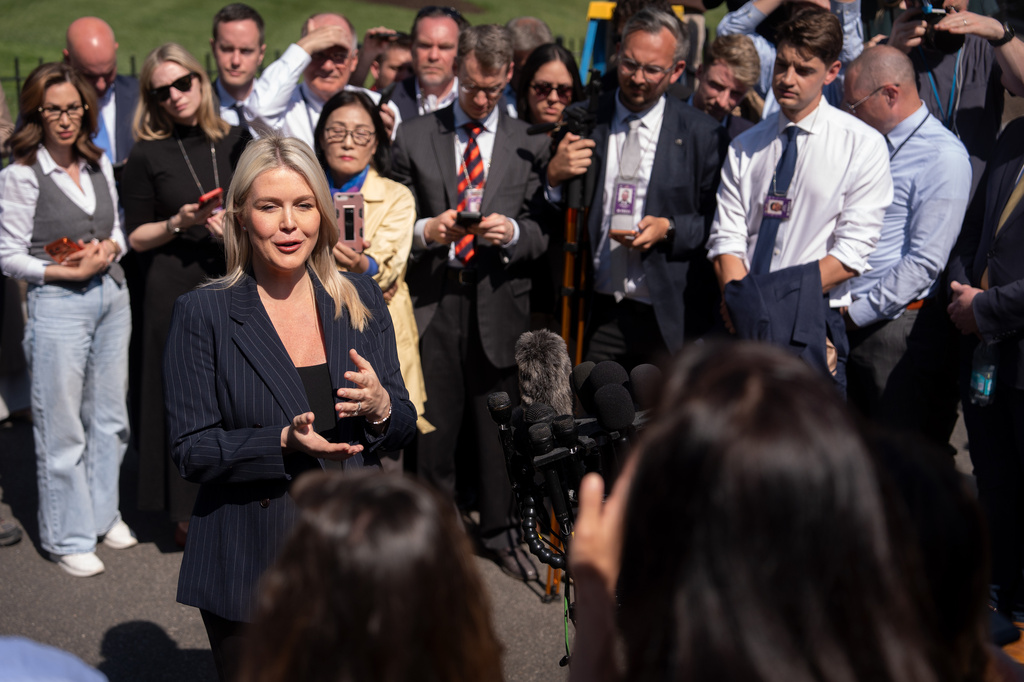
Meanwhile, Leavitt, White House press secretary, told Fox News that Trump did not view Iran's seizure of two European ships by force near the Strait of Hormuz as a breach of the extended US ceasefire with Iran.
"These were not US ships. These were not Israeli ships. These were two international vessels," she said.
"These two ships were taken by speedy gunboats. Iran has gone from having the most lethal navy in the Middle East to now acting like a bunch of pirates. They don't have control over the strait. This is piracy that we are seeing on display," Leavitt said.
Iran's Islamic Revolution Guard Corps (IRGC) said earlier Wednesday that it had seized two vessels "allegedly operating without proper authorization, repeatedly violating regulations, and manipulating navigation systems".
'Clearing Hormuz mines could take six months'
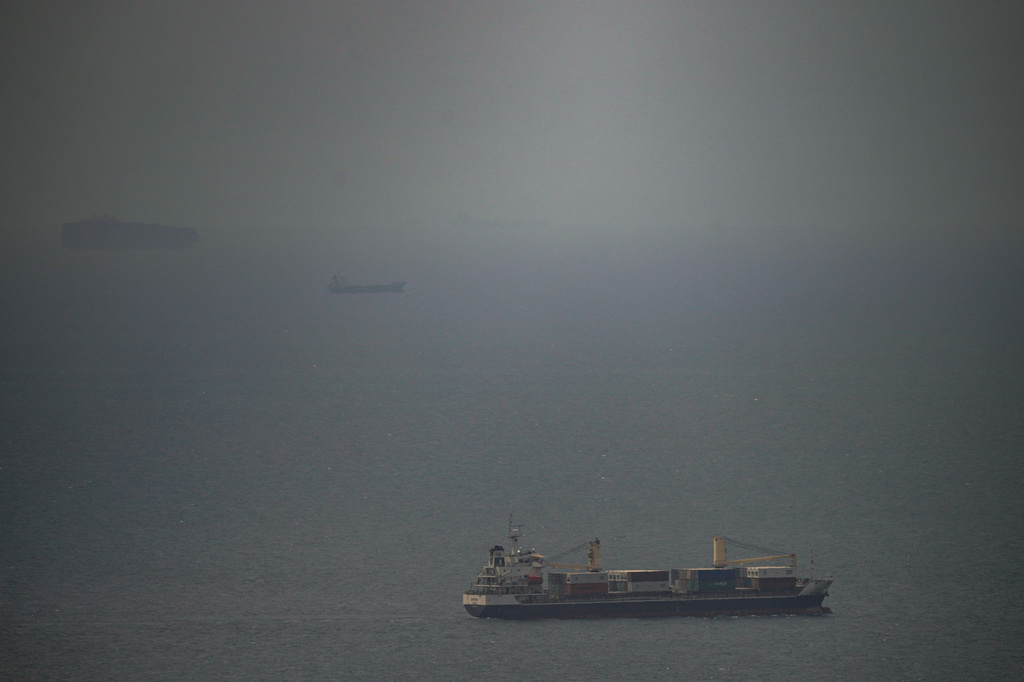
Separately, US defense officials briefed lawmakers this week on an intelligence assessment that it could take six months to fully clear the Strait of Hormuz of mines deployed by the Iranian military, The Washington Post reported Wednesday.
Furthermore, any such operation is unlikely to be carried out until the conflict with Iran comes to an end, members of the House Armed Services Committee were told on Tuesday, according to the report. This means gasoline and oil prices could remain elevated through the US midterm elections.
Iran may have emplaced 20 or more mines in and around the strait. Some were floated remotely using GPS technology, which has made it difficult for US forces to detect the mines as they are deployed, a senior defense official told lawmakers. Others are believed to have been laid by Iranian forces using small boats.
ALSO READ: Doubts cast over fresh US-Iran talks
The disclosure was made in a classified briefing for lawmakers, Pentagon spokesman Sean Parnell acknowledged in a statement, while criticizing the related reports as "inaccurate".
"As we said in March, one assessment does not mean the assessment is plausible, and a six month closure of the Strait of Hormuz is an impossibility and completely unacceptable to the (Defense) Secretary," Parnell said, without specifying how long it could take.

US 'double standards'
In a post on social media platform X, Iranian President Masoud Pezeshkian said Iran has always welcomed resolving issues through dialogue and agreement and will continue to do so.
He said breaches of commitments, blockades and threats constitute the main obstacles to genuine negotiations, adding that "world sees your endless hypocritical rhetoric and contradiction between claims and actions," in reference to the United States.
Also on Wednesday, Iranian Parliament Speaker Mohammad Bagher Ghalibaf said a comprehensive ceasefire would only be meaningful if it is not accompanied by maritime blockades or what he described as "holding the global economy hostage," and if Israel halts its military actions on all fronts.
Greek-owned ship targeted for attempt to pass through Hormuz
In another development, the IRGC targeted a Greek-owned ship named Euphoria on Wednesday, a third "violating ship" attempting to pass through the Strait of Hormuz and is now stranded on Iran's shores, the semi-official Fars news agency reported.
Americans urged to leave Iran after airspace reopening
The US State Department's Bureau of Consular Affairs on Wednesday urged Americans to monitor local media for updates closely and to contact commercial airlines for information about outbound flights.
The advisory noted that US citizens may also depart by land to Armenia, Azerbaijan, Turkiye and Turkmenistan. However, it warned against traveling to Afghanistan, Iraq or the Pakistan-Iran border area.
Iran shut down its airspace after joint US-Israeli strikes started on Feb 28.
The country reopened its eastern airspace to international flights on Saturday, paving the way for the partial resumption of airport operations.
In a report on Sunday, the Islamic Republic of Iran Broadcasting quoted a senior official from Iran's Civil Aviation Organization as saying that the country's airspace would be reopened in four phases.
