

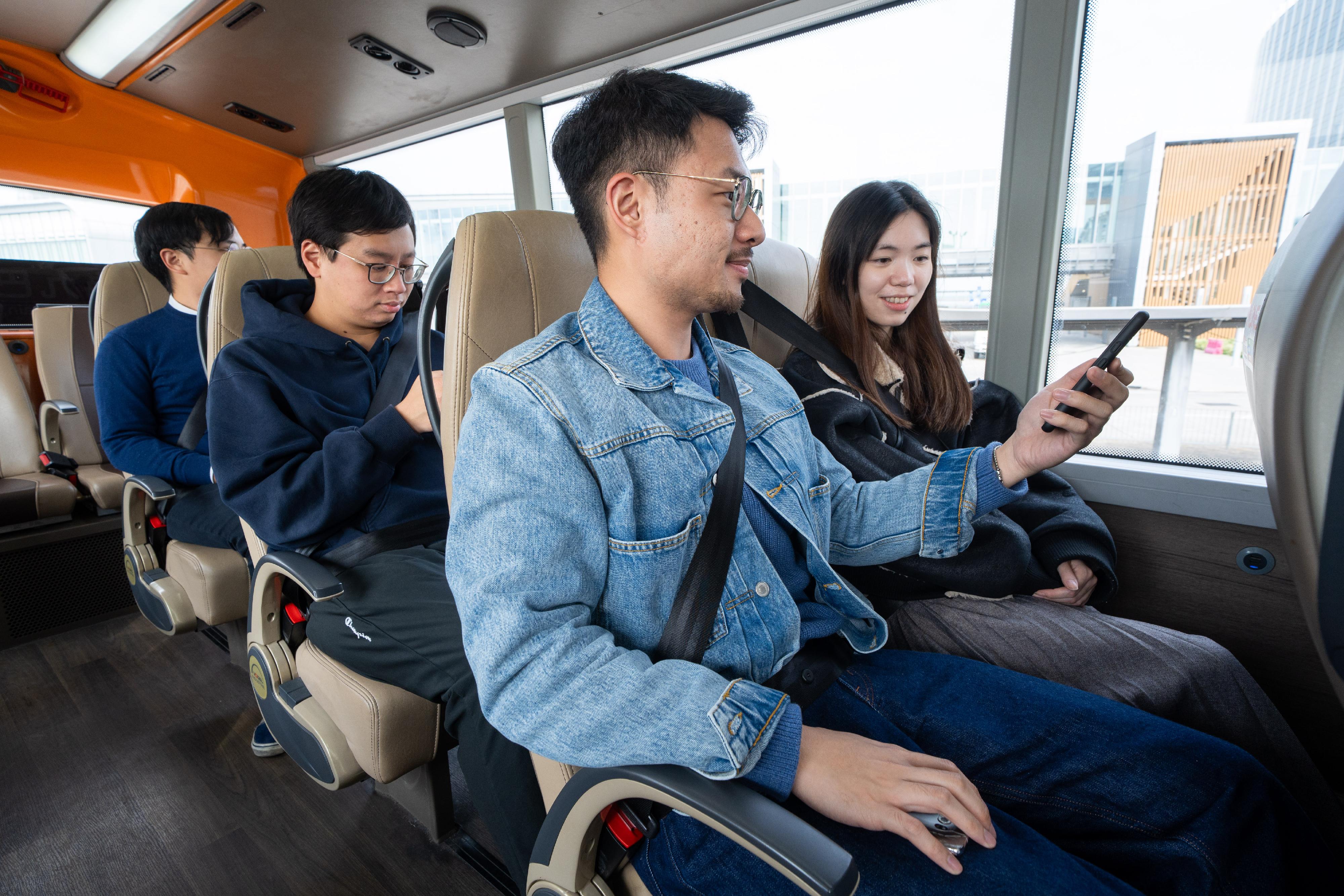
All passengers travelling by vehicle — public or private — on the city’s streets are required to buckle up from Sunday, when a stringent new seat belt rule comes into effect in Hong Kong.
Those who fail to comply face a HK$5,000 fine ($640) and up to three months in jail.
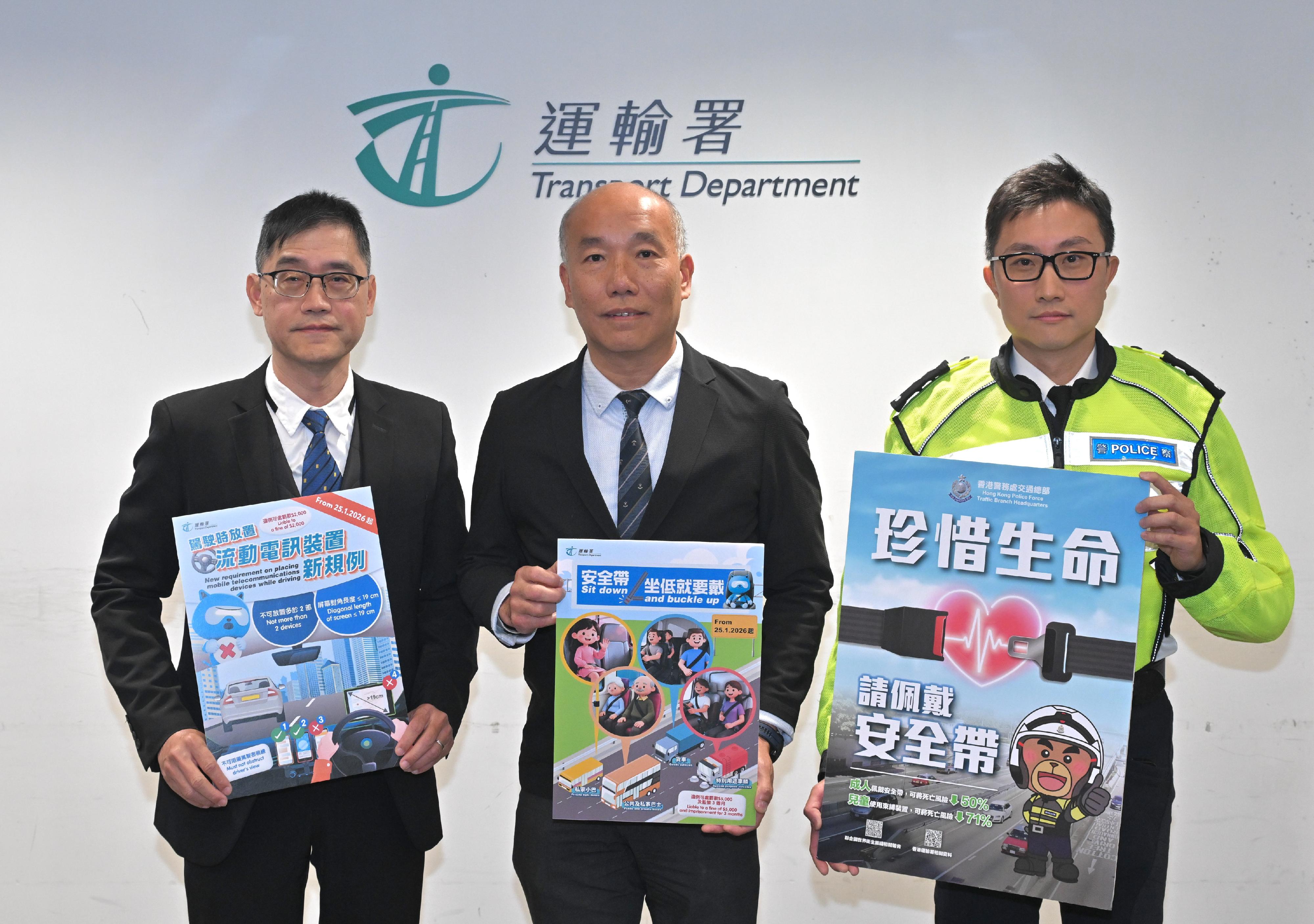
The amended regulation also places responsibility on drivers to ensure that children are belted in; any driver found to have an unrestrained child under the age of 15 in their vehicle faces a HK$2,000 fine.
From Jan 25, all newly registered public and private vehicles — even specialized vehicles like mobile cranes or street sweepers — must have a seat belt installed for each passenger seat.
ALSO READ: Mandatory seat belt usage in HK to expand starting Jan 25
The city’s school bus operators have been given until Dec 31, 2028, to retrofit all older vehicles with seat belts.
Buses operating as part of the city’s franchised bus network are already partially compliant, officials said earlier this month, with new buses procured since mid-2018 coming equipped with seat belts on all seats.
Combined with a government-backed initiative to retrofit older double-deckers, around 3,500 franchised buses — or about 60 percent of Hong Kong’s total fleet — now have seat belts installed.
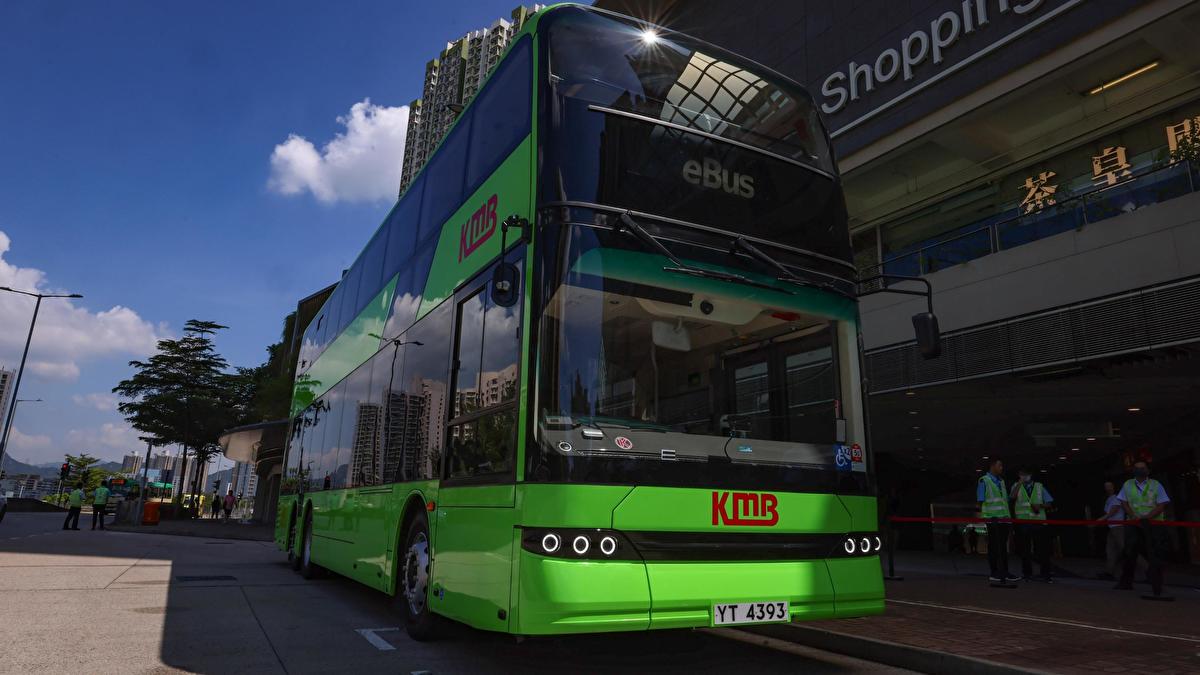
As the city’s second-most patronized public transport service, franchised buses carried over 3.7 million passengers daily in 2024.
Major operators Kowloon Motor Bus (KMB) and Citybus told the media they have provided internal guidelines to drivers on the new rule and will intensify reminders via platform display screens, their enhanced bus announcement systems and service information panels on board to urge passengers to strap in.
On Friday, KMB hosted a “Safety Bus” pop-up event at Cheung On Bus Terminus in Tsing Yi to promote road safety and passenger etiquette. The activity included teaching passengers the importance of fastening seat belts.
At Aberdeen Bus Terminus, an elderly resident surnamed Chan glanced at a Transport Department poster promoting the new seat belt rules.
She said the policy introduces “both help and inconvenience”.
Chan has made a habit of fastening her seat belt and sitting in a middle-rear seat when on buses in case the driver needs to brake hard, adding that she hopes the mandatory regulation raises passengers’ safety consciousness.
But she also said that while sitting in a seat with tight legroom, she can usually steady herself by holding onto the handle of the seat in front, and that “going belt-free can simply be more comfortable”.
READ MORE: Private cars in HK must have child safety seats from Nov
Another resident, surnamed Lam, agreed that the new seat belt rule will be “good for safety”, but said there is room for more nuanced considerations.
“Seats at the front or back of the bus, or near the staircase, definitely need belts,” he said, “but a one-size-fits-all rule isn’t ideal.” He said he is also concerned that anyone reporting an unbuckled passenger while the bus is in service could distract the driver.
To ensure the rule’s efficacy, he suggested that the government should send plainclothes officers to conduct random checks onboard after the rule comes into force. This would also help determine whether any further refinements may be needed to the rule, he said.
While agreeing with the rule’s safety-first objectives, a veteran franchised bus driver surnamed Shan pointed out that mandating elderly passengers — who represent a growing share of passengers — to both fasten and later undo their seat belt could introduce additional procedural delays, on top of the longer boarding and disembarkation times often needed by the elderly.
He also cautioned that on-the-spot reporting of non-compliance by passengers might create confusion, and advised officials to seek alternative oversight approaches.
Contact the writer at wanqing@chinadailyhk.com
