

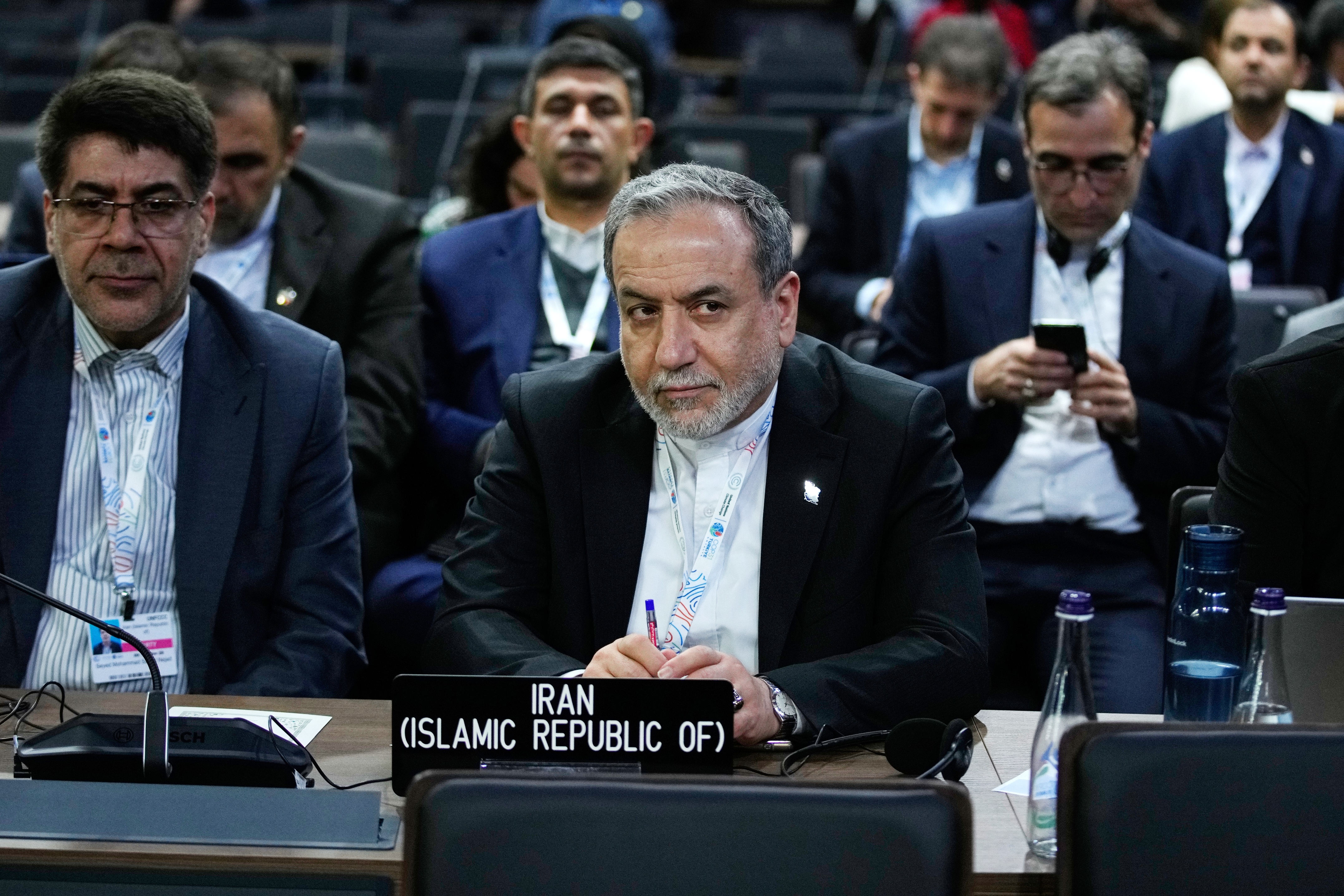
TEHRAN/WASHINGTON/NEW YORK – Iran is willing to end the current state of "neither war nor peace" through negotiations with the United States, and its proposed two-day plan to reopen the Strait of Hormuz remains on the table, Iranian Foreign Minister Seyed Abbas Araghchi has said.
In a recent interview with Iranian media, Araghchi said that Tehran seeks a lasting agreement through diplomacy that would safeguard its national interests and prevent another war, on condition that the United States clearly expresses its willingness to reach an agreement and takes necessary confidence-building measures.
Iran's proposed plan to cease hostilities and reopen the strait initially envisaged a seven-day implementation period, which was later shortened to two days.
ALSO READ: Iran foreign minister to visit Pakistan, Oman as supertanker sinks in Gulf
According to Araghchi, the plan stipulates that Washington fulfills its commitments on the first day, including lifting recently imposed sanctions against Iran, and Tehran will reopen the strait and begin negotiations with Washington on the second day.
Washington did not respond positively to the submitted plan, Araghchi said, adding that the proposal remains valid if the United States is genuinely serious about reaching an agreement.
Iran's seven conditions for reopening the strait must be fulfilled, but Tehran is prepared to discuss their implementation and timetable, even if the two-day period is further shortened, he said.
Iran is also ready to hold expert-level talks with the United States on the details of the proposal, provided that Washington first revises its position and takes the necessary confidence-building measures, he added.
Regarding regional mediation efforts, Araghchi said that Qatar and Pakistan continue to convey messages, exchange views and put forward proposals between Iran and the United States, and that the existing communication channels remain active. Iran currently sees no reason to replace the mediators or add new ones, he said.
Araghchi stressed that lasting regional peace must be inclusive, and that it is impossible for some countries to enjoy peace and development while others continue to face sanctions, economic pressure and insecurity.
Trump: Iran unwilling to accept US terms
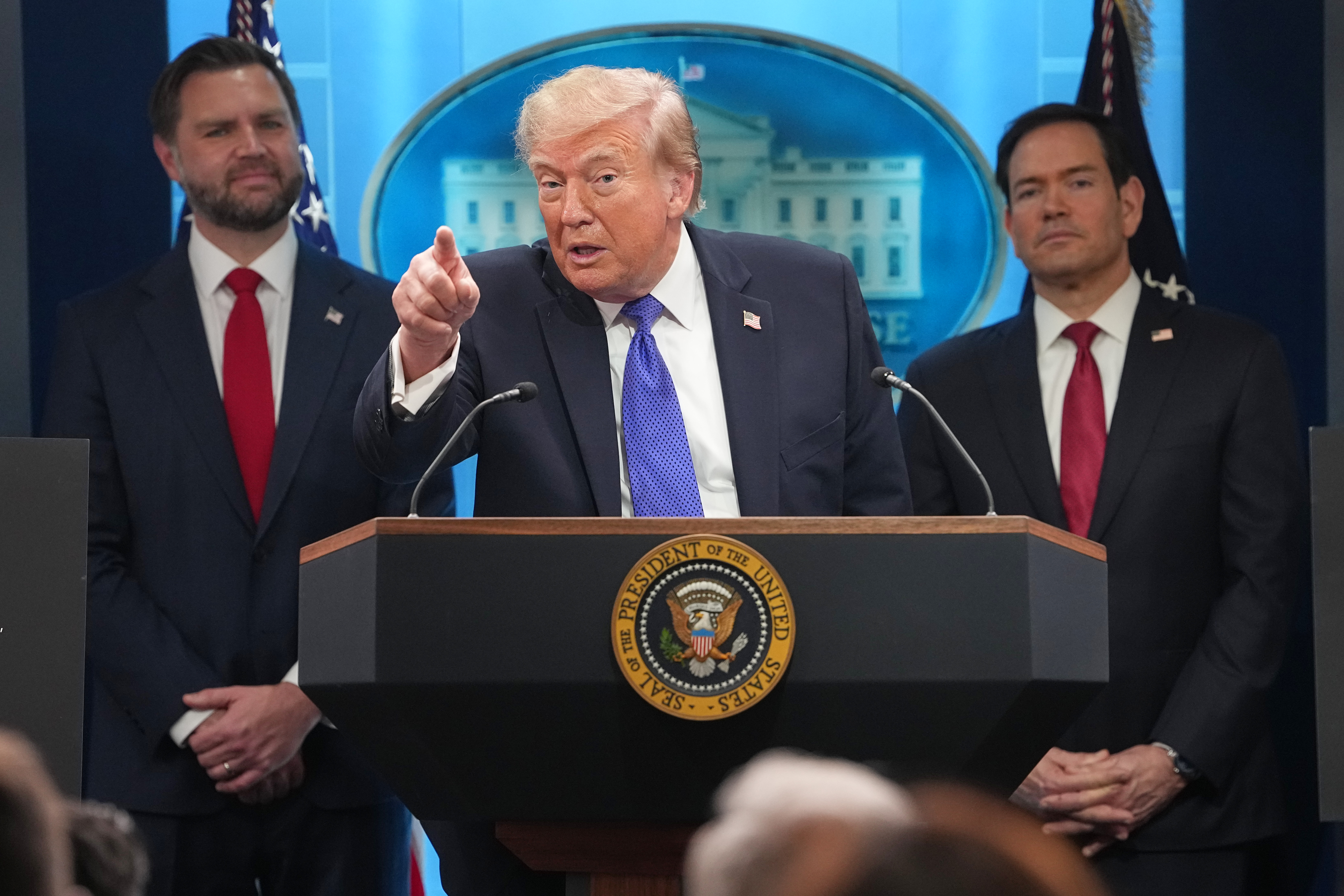
In Washington, US President Donald Trump said Friday that Iran is interested in reaching an agreement with the United States but remains unwilling to accept terms Washington considers acceptable.
"Iran wants to make a deal, but they don't want to make a deal that's acceptable to me," Trump told reporters at a White House press conference.
Trump's special envoys Steve Witkoff and Jared Kushner met with senior Qatari officials in Berlin on Thursday to discuss mediation efforts, US online news outlet Axios reported.
In a telephone interview with Axios on Thursday, Trump suggested he would not make a decision on his next steps regarding Iran until the new year.
Iran's Parliament Speaker Mohammad Baqer Qalibaf said Monday that peace will not be restored to the West Asia region without ending the war in Lebanon.
Bessent: US to maintain economic pressure on Iran
Also on Friday, US Treasury Secretary Scott Bessent said that the United States would maintain its economic pressure campaign against Iran's Islamic Revolutionary Guard Corps (IRGC) until it agrees to adhere to a formal agreement.
In an interview with CNBC, Bessent stated that the United States is "going to continue squeezing the IRGC until they are ready to stick to a deal."
READ MORE: IEA: Hormuz crisis reshapes global energy outlook, accelerates electrification
Bessent described Operation Economic Outcast, launched on Aug 24 targeting Iran, as the "greatest economic isolation of any country in history."
The United States and Israel began striking targets in Iran on Feb 28, 2026. Iran responded with ballistic missile and drone attacks targeting Israel, US military sites and facilities across Gulf states. Although an April ceasefire and a June memorandum of understanding aimed to halt the fighting and pave the way for broader negotiations, hostilities resumed in July and continued intermittently.
Iran's IRGC: Tanker explodes after hitting mines near Omani port
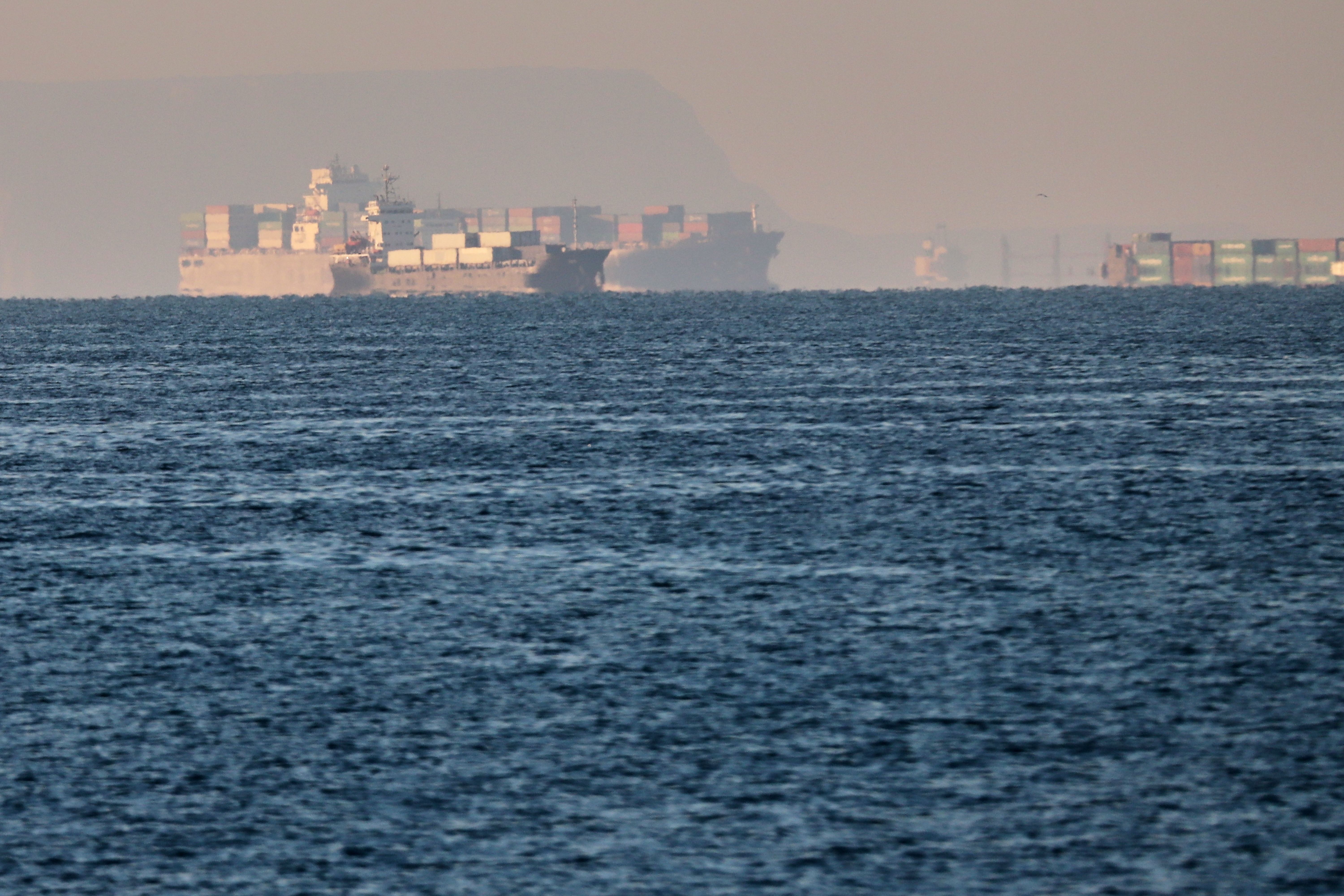
The navy of Iran's IRGC said Friday that an oil tanker had exploded and caught fire after hitting naval mines at the entrance to Oman's Khasab port.
The tanker was attempting to pass through an unauthorized route in the Strait of Hormuz with the support of the US military when it struck the mines, the navy said in a statement on IRGC's official news outlet Sepah News.
It warned that no unauthorized vessel movements in the Strait of Hormuz and the Gulf would escape its surveillance.
The navy attributed incidents of tankers hitting naval mines to violations of navigation regulations in the strait, the use of unauthorized routes, and reliance on what it described as false claims by the US military.
Iran tightened its grip on the strait on Feb 28, barring safe passage of vessels belonging to or affiliated with Israel and the United States following their joint strikes on Iranian territory.
