

LONDON/JERUSALEM/GAZA/RAMALLAH – Britain on Tuesday announced sanctions on eight companies involved in the expansion of settlements in the West Bank, as well as an activist group it said responsible for blocking aid to Gaza.
The sanctioned companies were involved in the planning, building or marketing of housing in Israeli settlements in the occupied West Bank, and the activist group organized and carried out blockades of crossings, ports and roads used by humanitarian aid convoys to Gaza, according to the country's Foreign Office.
All of the nine entities are now subject to asset freeze and director disqualification, according to a Foreign Office statement.
Britain is clear that settlements are a "flagrant breach of international law," said the statement. "Settlement expansion and attempts to create irreversible divisions on the ground threaten peace, security and the prospects for a viable Palestinian state."
READ MORE: Watchdog: Israel issues tenders for 823 settlement homes after election
"A two-state solution remains the only way to ensure long-term peace and security for both Palestinians and Israelis. The UK will continue to act in pursuit of this goal," it added.
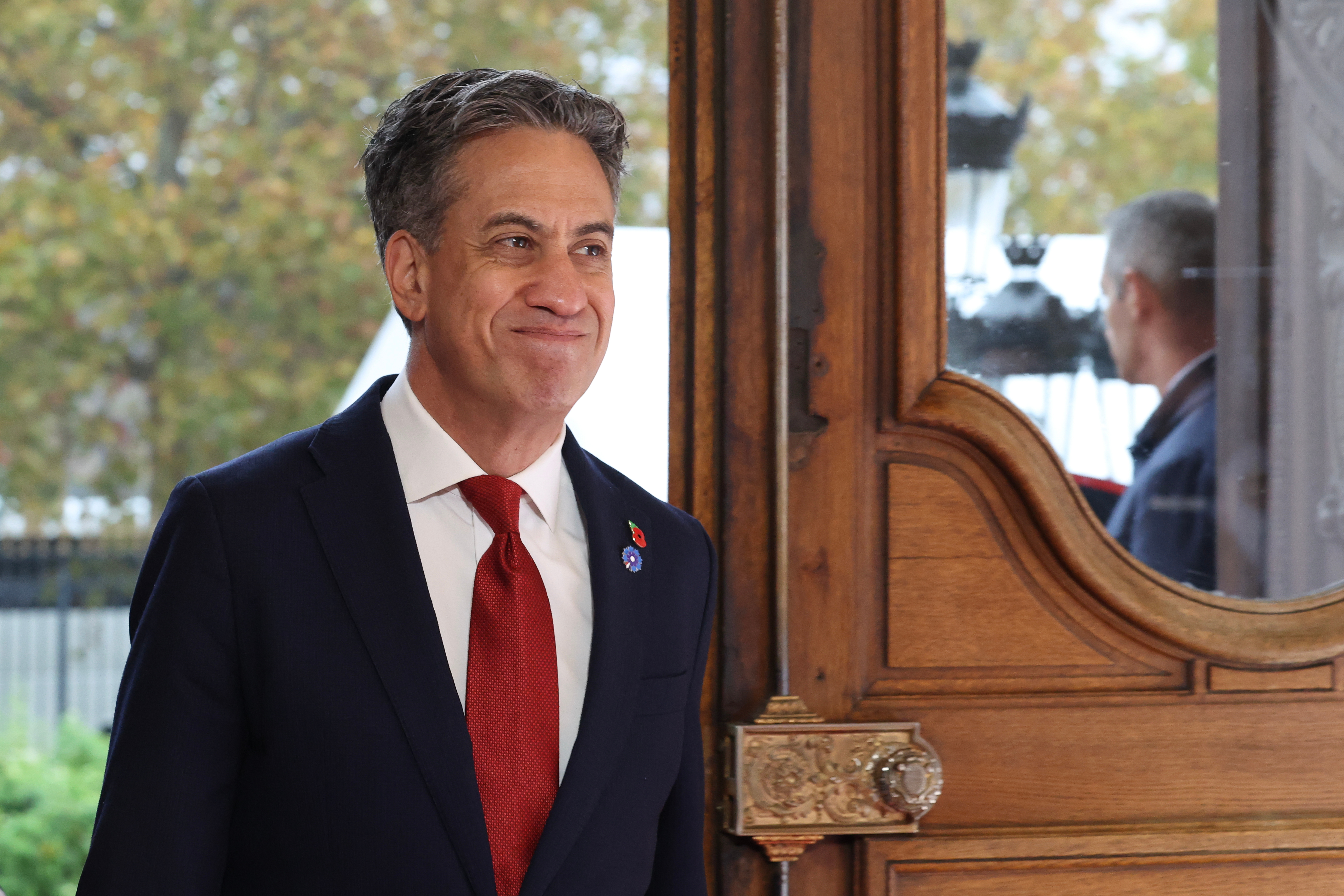
British Foreign Secretary Ed Miliband said the message on the controversial E1 settlement project is "do not bid, do not build, and do not profit from the destruction of the two-state solution," adding that his country "will not stand by while those blocking desperately needed aid deepen the intolerable suffering of civilians in Gaza."
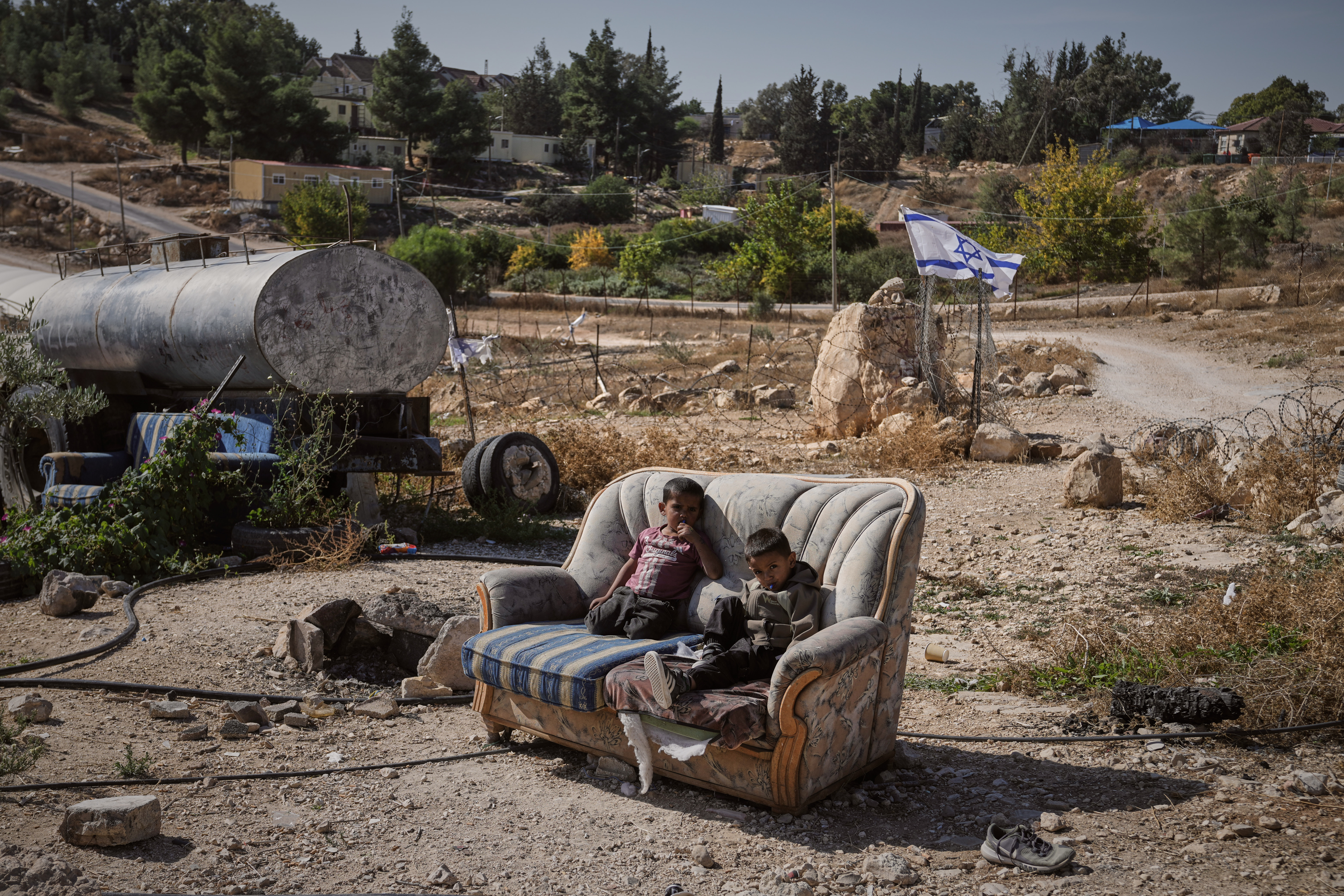
Israel advanced the E1 settlement project in the West Bank in August by issuing a tender for 1,234 housing units. Published online by Israel's Ministry of Construction and Housing, the tender covers part of a broader plan to build 3,401 housing units in the E1 area, located east of Jerusalem.
Britian said on Oct 19 – the deadline for bids for the E1 settlement tender – that businesses and individuals should not proceed with bids for E1 construction tenders, warning of sanctions and legal and reputational consequences.
Israel vows countermeasures to bolster settlements after UK sanctions
Israel said on Tuesday it would take countermeasures against Britain and consider ways to strengthen settlements in the occupied West Bank, after London imposed sanctions on eight companies involved in settlement expansion and on Tzav 9, an Israeli activist group accused of blocking aid to Gaza.
Calling the sanctions a "hostile act" targeting "private, law-abiding companies," Israel's Foreign Minister Gideon Sa'ar said Israel would not change its policies under external pressure and would consider new ways to strengthen Jewish communities in the West Bank.
"As in the past, Israel will respond to the British government's actions with countermeasures," Sa'ar said in a statement released on social media platform X. "A wide range of possible responses is currently under consideration."
ALSO READ: 12 countries move toward tighter trade curbs on Israeli settlements
6 Palestinians, including child, killed by Israeli fire in Gaza
At least six Palestinians were killed by Israeli fire in the Gaza Strip on Tuesday, while restrictions on medical evacuations and severe shortages of medical supplies continued to strain the enclave's healthcare system.
Palestinian medical sources told Xinhua News Agency that two people were killed in separate Israeli strikes targeting groups of Palestinians in Jabalia refugee camp in northern Gaza.
Another Palestinian was shot dead by Israeli forces in the al-Shakoush area near the southern city of Rafah, while a fourth person was killed in an airstrike targeting the Batn al-Sameen area, south of Khan Younis.
In central Gaza, a 6-year-old child and a 21-year-old man were shot dead by Israeli forces in Deir al-Balah, the sources said.
The Israeli military has not yet commented on the reported incidents.
Meanwhile, Gaza's health authorities warned of a continued decline in the number of patients and wounded people allowed to leave the enclave for medical treatment abroad.
In a statement, the authorities said permission for patients to leave was being made conditional on the number of people returning from Egypt after completing medical treatment, describing the practice as a "flagrant violation of humanitarian obligations" that further endangers thousands of critically ill and injured Palestinians.
They said only 22 patients and their companions had been permitted to leave Gaza on Tuesday, far below the number of people awaiting medical evacuation, which exceeds 21,000.
READ MOER: Israel PM announces 'full lockdown' of West Bank after shooting
The authorities called for actions to ensure a safe and sustainable corridor for medical evacuations, free from "blackmail or obstruction."
The restrictions on medical evacuations come amid an already severe shortage of medical resources in the enclave.
Mohammed Abu Afash, director of medical relief in Gaza, told the press that shortages of medicines and medical supplies were causing patients' conditions to deteriorate, with some developing fatal complications after surgery because essential drugs were unavailable.
He said hospitals were struggling to cope with the daily influx of patients and wounded people amid declining sterilization capabilities and the suspension of routine maintenance for critical equipment in operating rooms and intensive care units.
Abu Afash added that the healthcare system was operating with only the most basic resources available, while a growing backlog of postponed surgeries was placing additional pressure on medical staff and undermining their ability to provide even basic care.
Also on Tuesday, the Palestinian government warned in a press statement that continued Israeli restrictions on the entry of humanitarian aid and essential supplies into the Gaza Strip were exacerbating hunger and food insecurity among approximately 2 million Palestinians.
