

Instead of simply admiring local attractions, visitors to this southern Chinese city are stepping into gyms and workshops to learn traditional techniques and gain a deeper appreciation of the region's distinctive customs, Xing Wen reports in Foshan, Guangdong.
It's Krishmal Lanka Geeganage's first visit to China, and his Chinese friend has been translating for him throughout the trip.
But in Foshan, Guangdong province, a city renowned for its martial arts heritage, he discovers that words may not always be necessary. Before even stepping into the Wing Chun gym where he has booked a one-hour trial class, he finds himself face to face with a stranger.
READ MORE: Home of southern heritage
Under a large banyan tree at the entrance, the 34-year-old Sri Lankan kung fu enthusiast, who has trained in Muay Thai for a year and a half, and Wang Huayong, a 50-year-old regular at the gym, size each other up before breaking into a spontaneous sparring session.
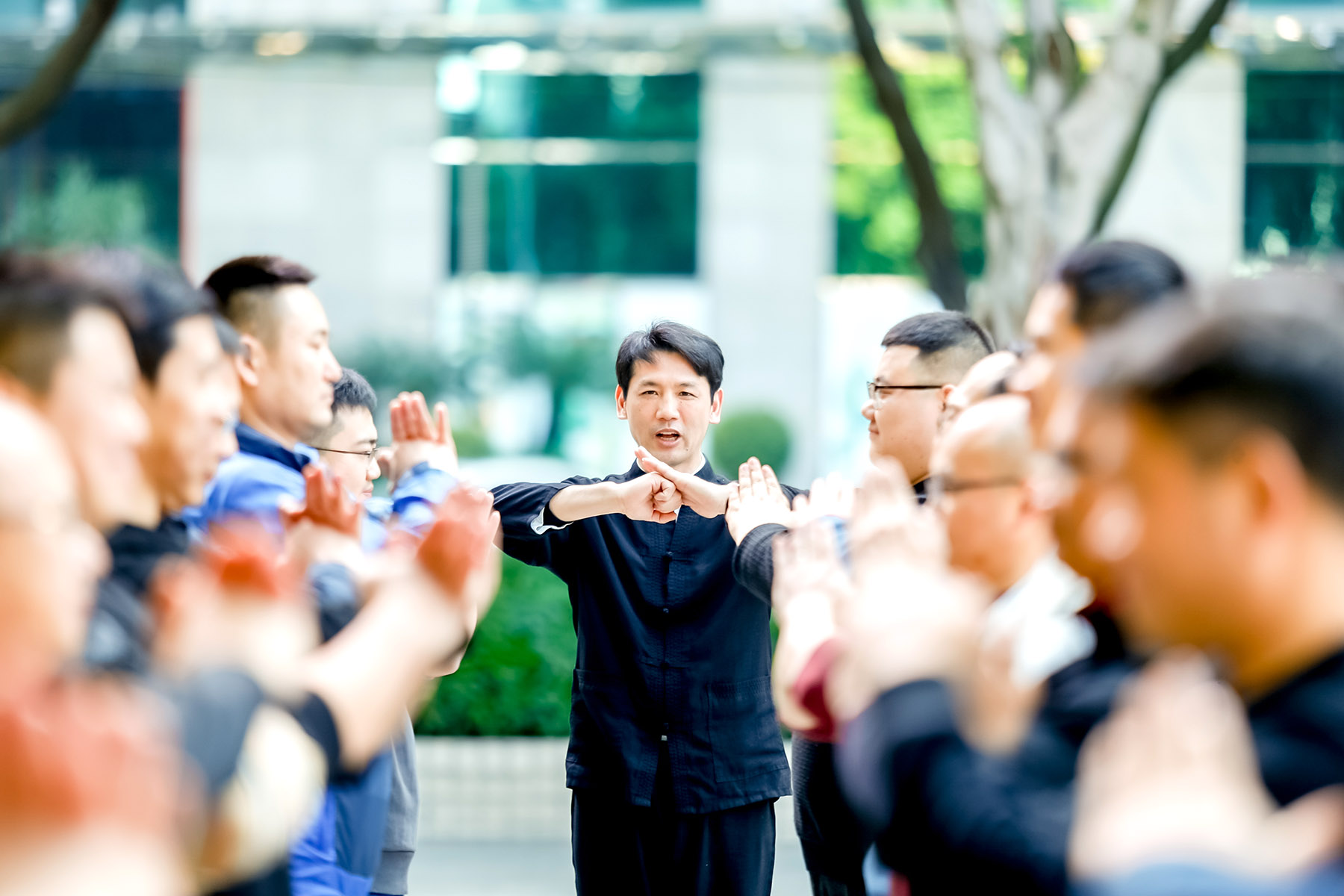
After the exchange, Geeganage presses his palms together in a respectful greeting, while Wang responds with the traditional cupped-fist salute and enthusiastically begins discussing their bout with the newcomer.
"You can tell a lot about someone's martial arts foundation just by watching whether his footwork gets messy when he responds to my punches, and he clearly has a foundation," says Wang, gesturing with his hands.
Before Geeganage's friend can translate, he has already understood what Wang means.
"When you're learning something like this, something physical, you don't really need to know the language. I don't understand a word he says, but I understand what he's saying from the tone of his voice and body language," Geeganage says.
His fascination with Wing Chun began after watching the Ip Man film series starring Hong Kong actor Donnie Yen.

He was drawn to the practicality of the style in combat and self-defense, and its emphasis on technique over brute strength.
"I've watched the movies so many times I can remember almost every scene. Upon coming to Foshan, I have to experience it firsthand," he says.
During the trial class, he is particularly excited to see the iconic wooden dummy up close and appreciates being encouraged to relax throughout the session.
A signature training tool of Wing Chun, the dummy is a solid wooden structure fitted with protruding arms and legs, against which practitioners practice strikes and defensive movements to refine their technique.
"I would love to keep learning the skills. If I stayed in China, or if that was available for me in Sri Lanka, I'm pretty sure I would have done it as a longer thing," he says.
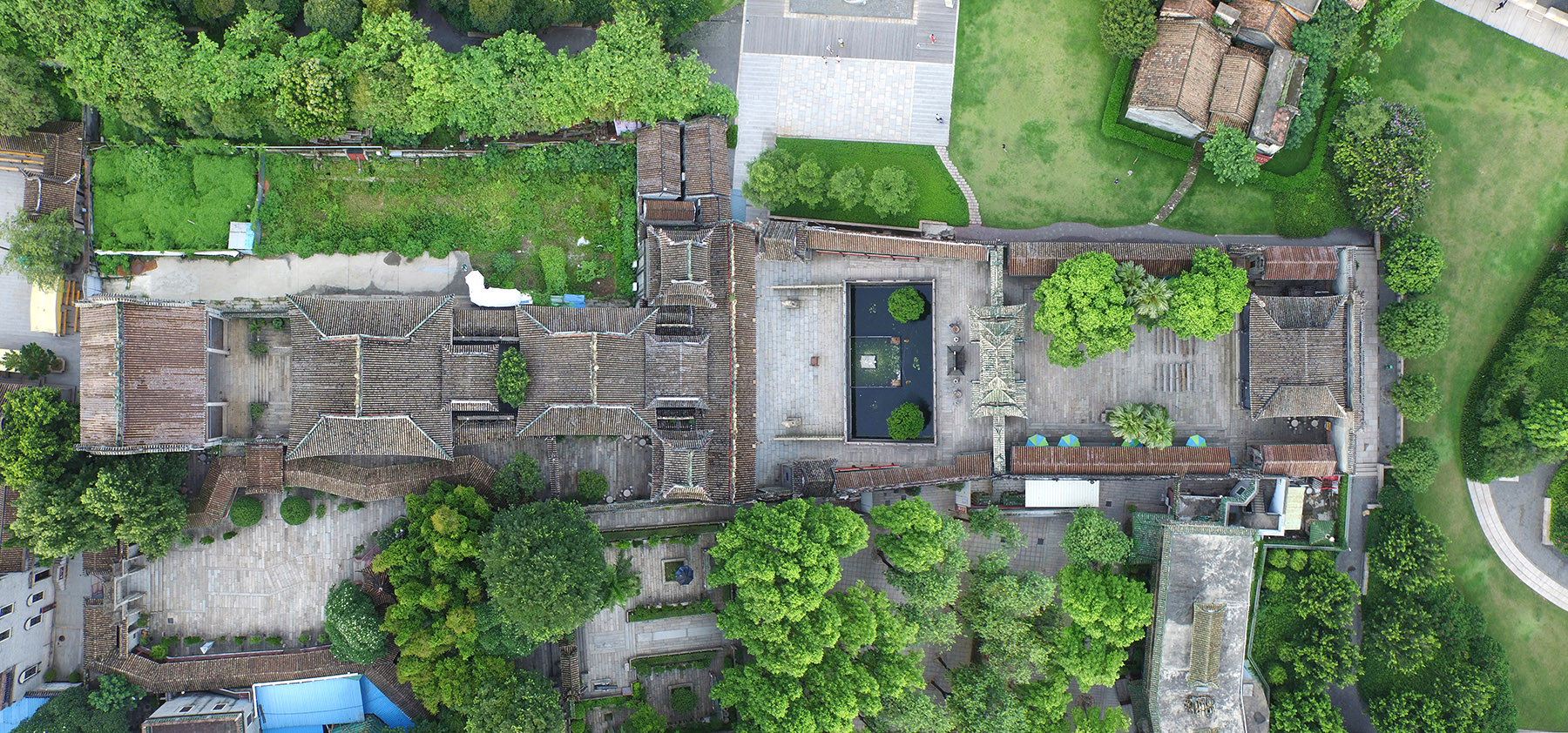
During a visit to the former residence of Ip Man (1893-1972), the Foshan-born Wing Chun master, he found a map showing where Wing Chun had spread, and that map had Sri Lanka on it.

Practice meets passion
Geeganage's experience reflects a broader trend: Foshan is increasingly positioning itself as a destination for "skillcation" — travel built around learning a hands-on skill rather than simply sightseeing.
An increasing number of visitors are making a Wing Chun lesson a must-do activity during their trips to the city, where many gyms offer introductory sessions and short courses lasting up to a week.
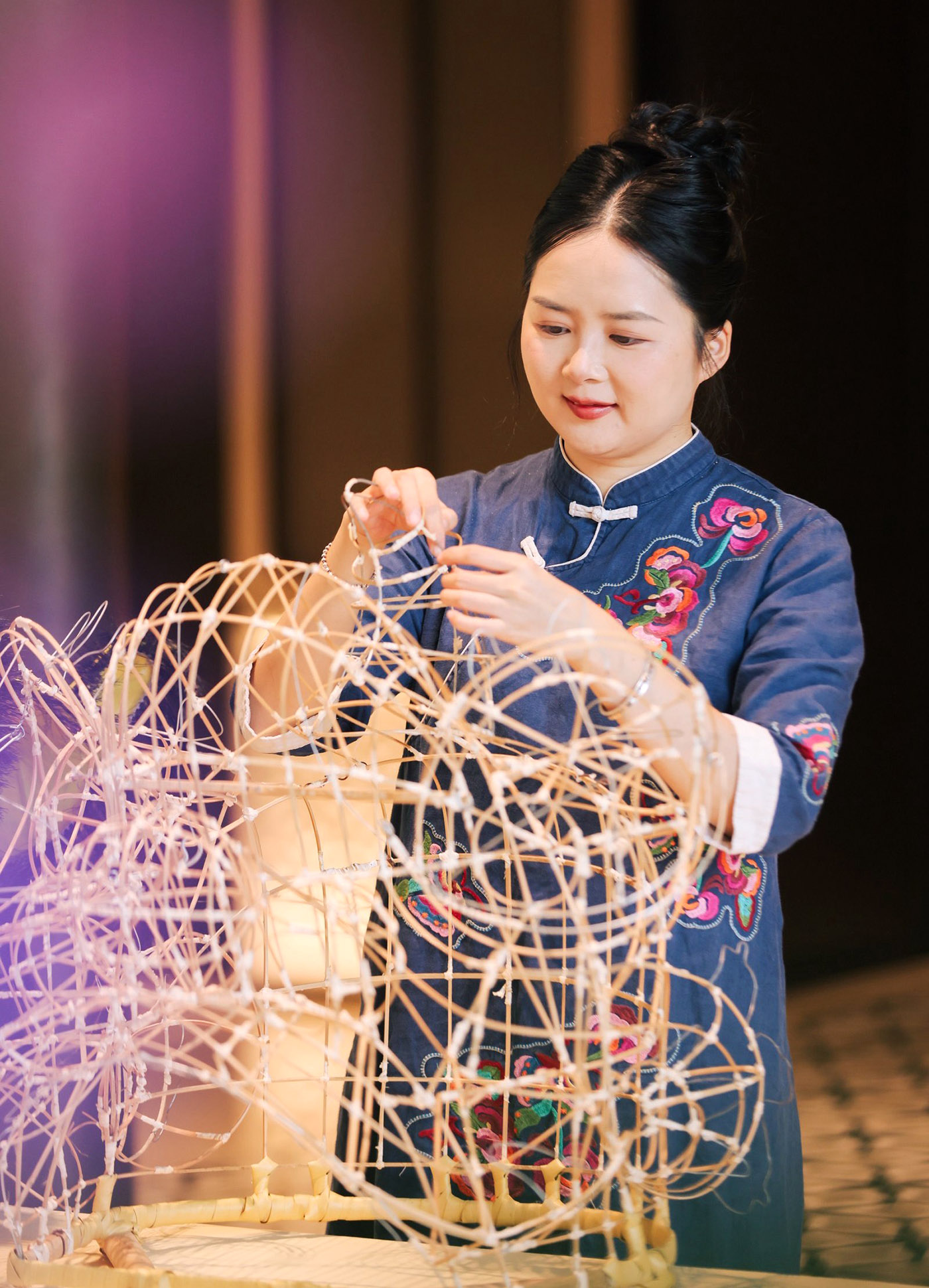
"In a one-hour trial class, students learn some basic Wing Chun movements and simple attack-and-defense techniques, so they can get a sense of the style and hopefully develop an interest in it," says Dong Chonghua, a representative inheritor of Wing Chun in Foshan who runs a gym offering classes at 100 yuan ($15) per hour.
"Foshan is home to more than 500 martial arts gyms. It's a city with a strong martial arts atmosphere, and many people choose to stay longer to keep honing their skills," he adds.
Wang is among those who have chosen to stay in Foshan, driven by a desire to study Wing Chun.
A former martial arts routine athlete specializing in changquan, a traditional Chinese style characterized by long-range attacks and defenses, he moved to Guangdong to go into business with friends after retiring from competition.
One day, a social media video of Dong practicing Wing Chun caught his eye. He was immediately captivated by Dong's elegant moves and refined bearing.
His business once left him busy and exhausted, with little time to exercise, but having studied traditional Chinese martial arts since childhood, he had long been drawn to Wing Chun.
"I'm 50 now, and I've started to think about the meaning of life and what I really want," he says. So three months ago, he moved to Foshan to study under Dong.
"The more I learn, the more I love it," says Wang, who comes to the gym early every day to polish the routines he has learned.
"When I was an athlete, I practiced martial arts to win medals; later, I did business to make a living; now, learning Wing Chun is purely out of passion."
Crafting memories
Beyond martial arts, Foshan offers visitors opportunities to explore and learn other skills and crafts deeply rooted in its traditions.
One of the city's distinctive folk performance arts is lion dancing, which originated during the Ming Dynasty (1368-1644) and combines dance, martial arts and music.
Traditionally, making the props for a lion dance is a painstaking process.
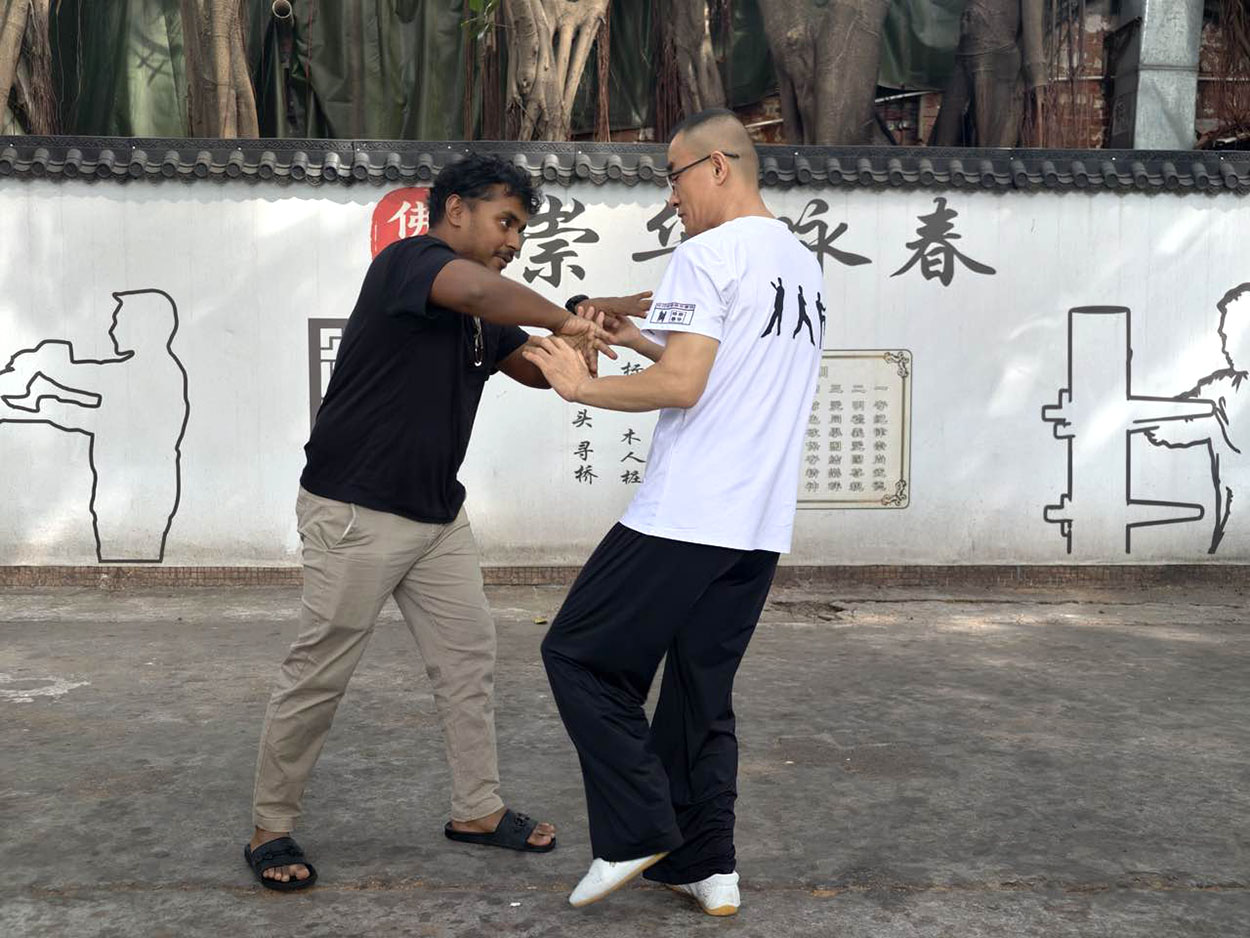
Craftsmen first construct the basic shape of the lion head using materials such as bamboo strips, bamboo splints and tough paper. They then cover the frame with gauze paper and silk, paint intricate patterns on it, and install the eyes, ears, horns, jaw and fur before attaching the lion's tail.

Today, visitors can bypass the more complicated stages and still try their hand at painting and decorating miniature lion-head models, taking home a handmade souvenir of their time in Foshan.
The workshop of Li Wanzhen, an artisan specializing in lion-head making, offers such sessions every weekend. Participants learn about the traditional craft and get to create their own one-of-a-kind designs.
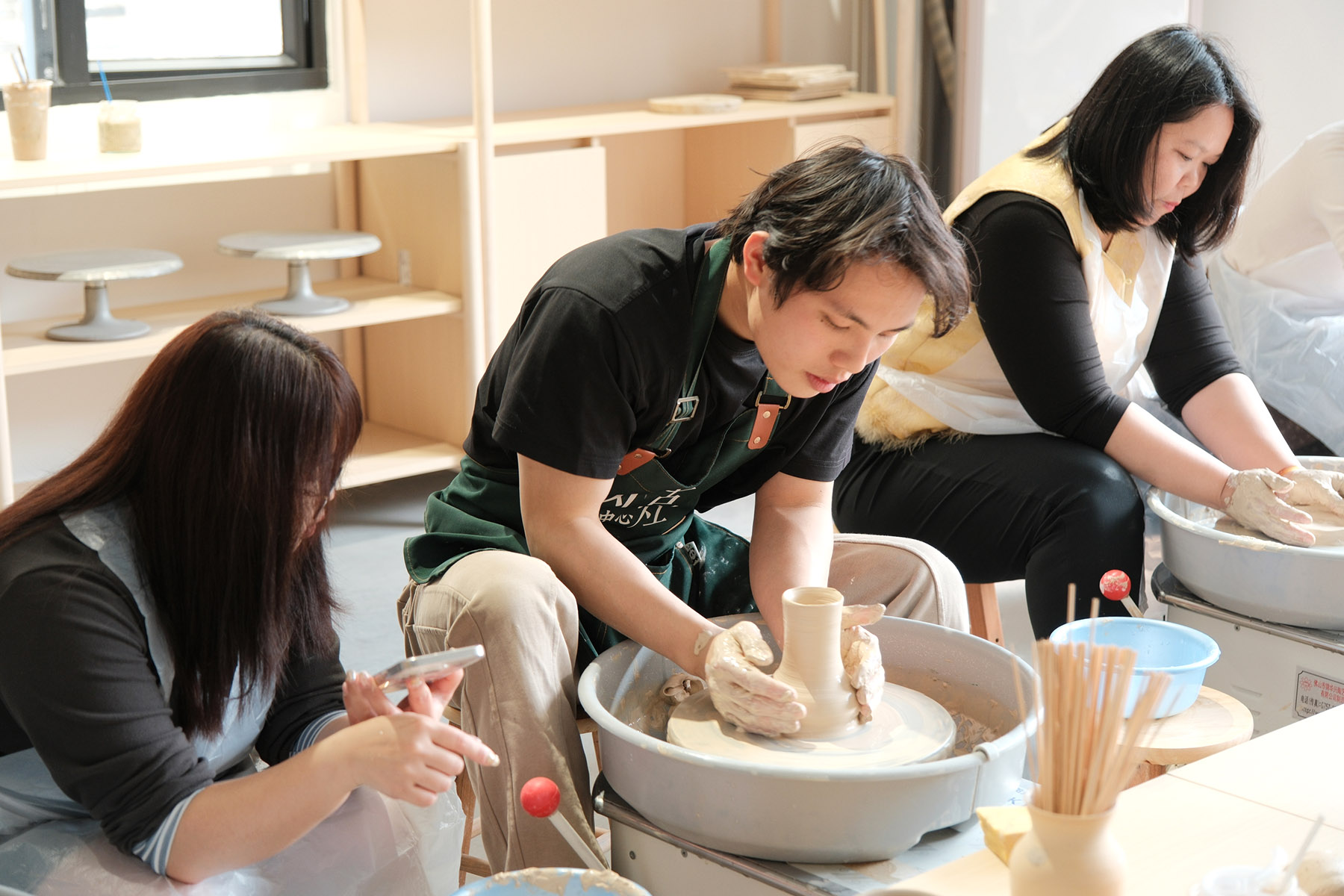
The Shiwan area of Foshan, meanwhile, has a long tradition of producing pottery sculptures and architectural ceramics, dating back to the Tang Dynasty (618-907).
Today, visitors to Shiwan can take pottery classes and make their own pieces, offering yet another way to turn a trip to Foshan into a hands-on learning experience.
Contact the writer at xingwen@chinadaily.com.cn
