

Peking University Library integrates ancient texts with cutting-edge technology, enhancing student engagement, Yang Feiyue reports.
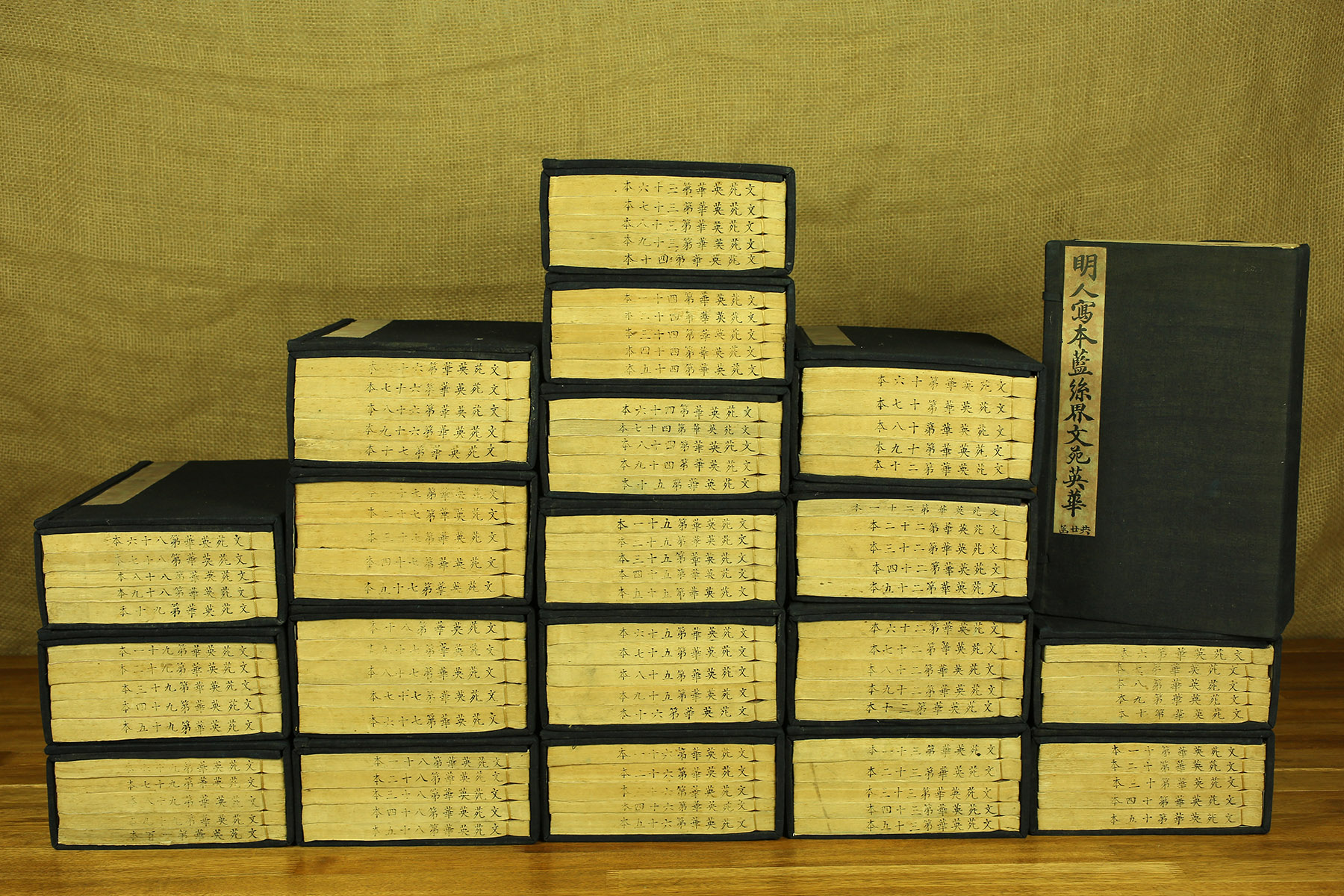
For Xie Meng'en, a doctoral student majoring in Chinese language and literature at Peking University, the difference between seeing an ancient book on a screen and reading the original is something that has to be experienced.
"Even the most exquisite catalog is ultimately secondhand," he says. "Only when you see the original can you really develop an eye for it."
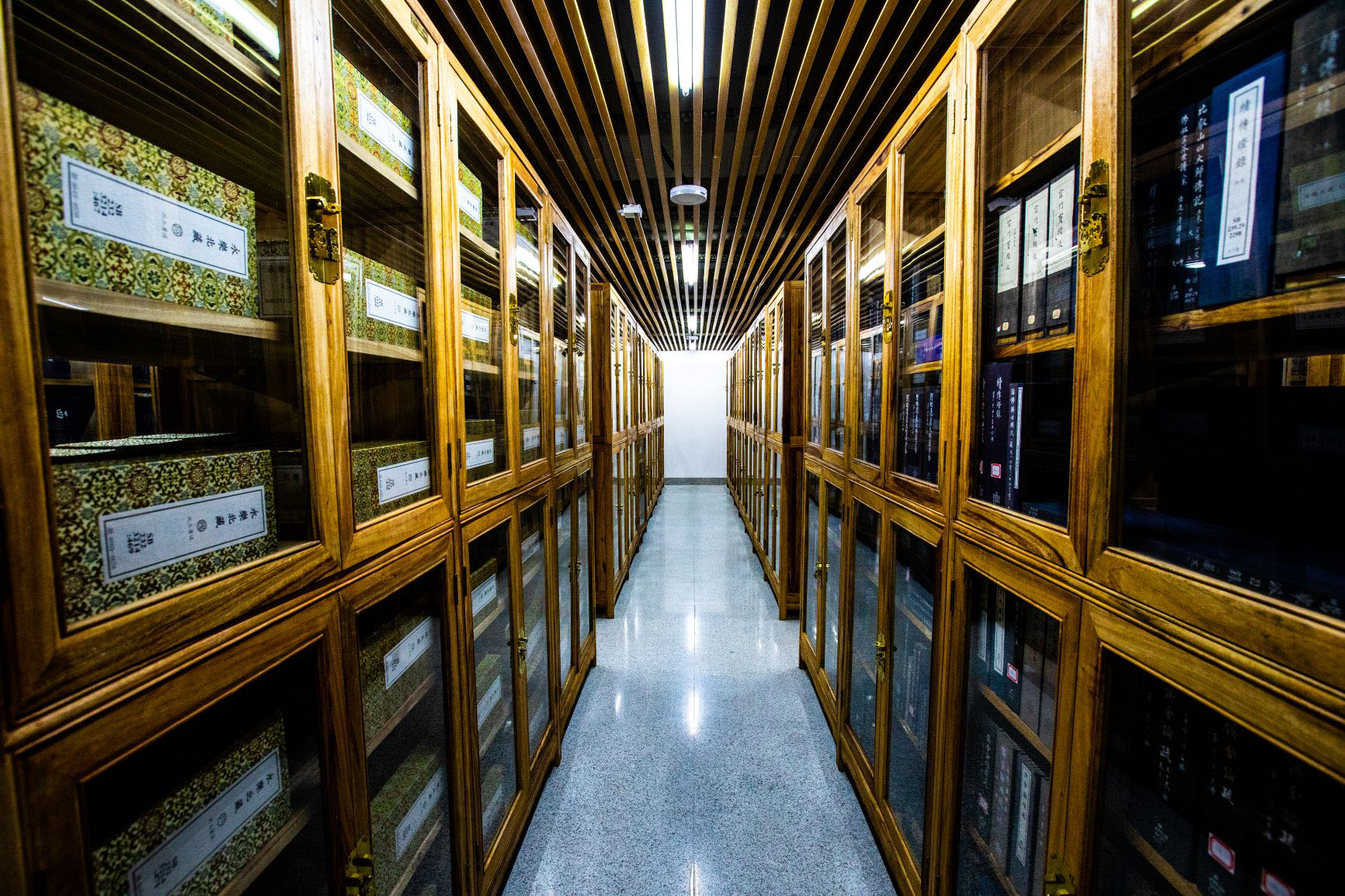
At Peking University Library, Xie was looking at one item from a much larger collection. The library holds about 1.6 million ancient volumes and documents, including more than 20,000 titles of rare books totaling over 200,000 volumes, according to Zhong Di, director of the library's ancient documents resources service center.
The collection dates back to 1898, when a library was established alongside the Imperial University of Peking, the predecessor of Peking University. Among the collections added over the following decades were more than 400,000 volumes from Yenching University after the institution was restructured in 1952.
In 2013, the library repurchased the Okura Collection, comprising more than 900 titles and nearly 30,000 volumes, after it had been sold to Japan in the 1910s.
"The Okura Collection was the first large-scale repurchase of dispersed Chinese classics from overseas by a national collecting institution after the founding of New China," Zhong says.
The ancient documents service center has worked with departments including Chinese, history, foreign languages, art and information management to bring classes into the library. Since 2018, it has supported teaching activities more than 100 times, involving over 1,500 teachers and students and using more than 650 types of ancient documents, totaling over 2,000 volumes.
"By bringing the classroom into the library, teachers and students can come into close contact with rare ancient books and better appreciate the characteristics of our collection," Zhong says.
Digitization has made that contact easier.
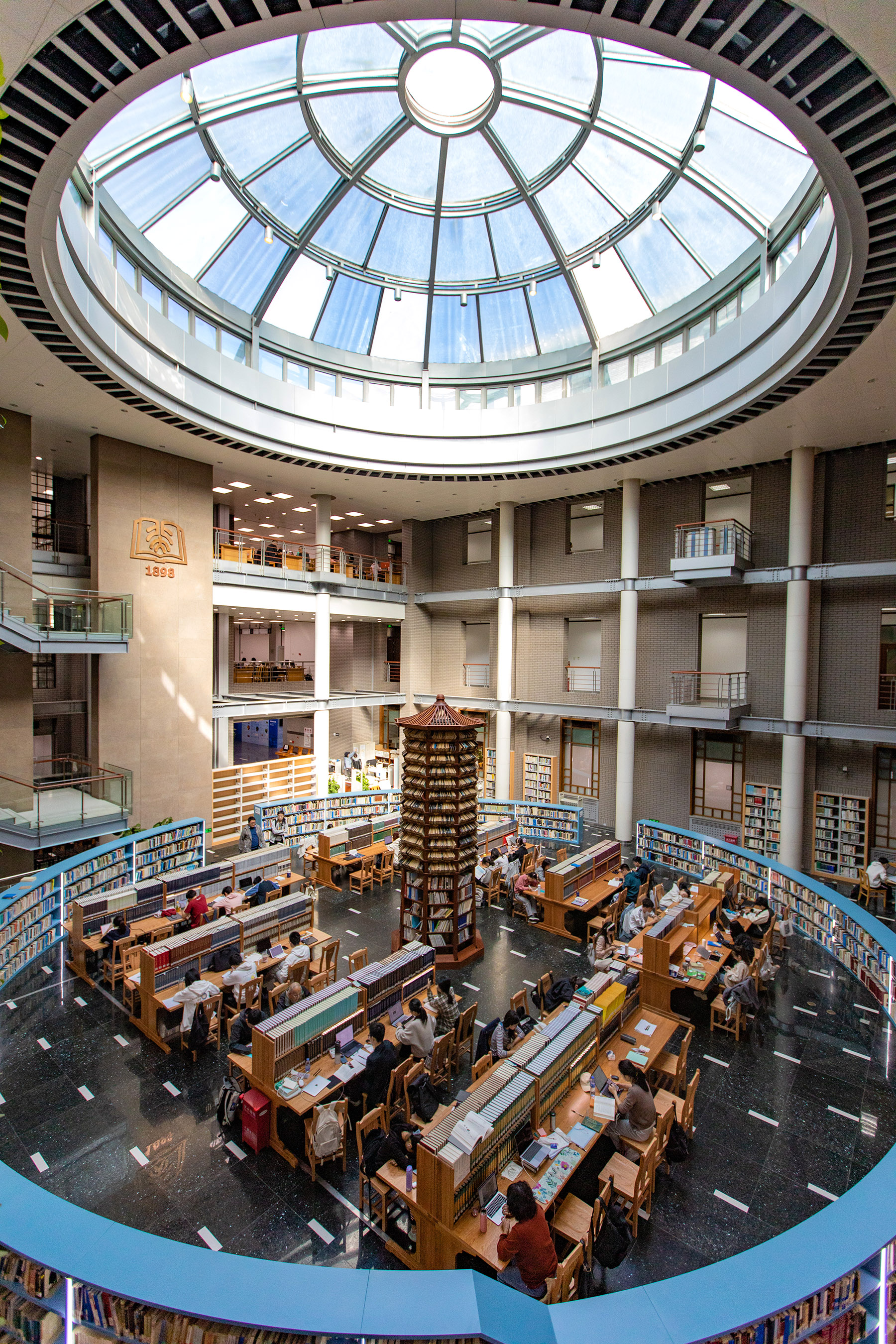
Xie says older methods of searching for ancient books could involve looking through card catalogs, while earlier databases often contained limited information. Today, students can search by keywords and quickly find details about editions and versions.
But a digital image cannot fully convey the texture of paper, the form of type or the traces left on an original.
After years of reading ancient texts, Xie says he has gradually learned to "take the ancients as one's teachers". Seeing books that have survived for hundreds of years, he says, "you naturally become more cautious, and you dare not act carelessly".
"That kind of nourishment may not be on the curriculum, but it can influence a person's life all the same," he says.
The library also seeks to put books directly within students' reach.
In the general reading and reference hall, upgraded in 2023, a wave-shaped bookshelf inspired by the ripples of the university's Weiming Lake holds about 20,000 teaching-reference books.
Around 4,000 general-education books are placed on nearby shelves. A central Boya Book Tower, inspired by the Boya Pagoda on campus, contains about 3,000 duplicate copies from the library's historical holdings and around 1,000 books introducing Peking University's history, people and academic traditions.
Tables display about 3,500 volumes selected from book series and complete sets.
"The idea is that people are among the books, and the books are at hand," says Zhang Naishuai, director of the library's knowledge resources services center.
Instead of requiring students to identify a title, search for it and request it from the stacks, the space puts selected books around them. Series of books with multiple volumes also allow students to move from an individual book into a broader field of knowledge, Zhang says.
Chen Jianlong, director of Peking University Library, has taken a similar approach in the classroom. He recommends around 15 to 16 books to students during a semester and gives them several minutes to talk about what they have read.
Lecturers and visiting speakers are also encouraged to recommend books related to their talks. The library connects those titles with its collections, so students can find and borrow them more easily.
About 70 percent of student borrowing in the past two years has been related to teachers' recommendations or coursework, Chen says.
Paper-book borrowing has reached around 1.2 million instances in recent years, although growth has slowed over the past two years.
Digital resources have expanded at the same time. The library has around 4 petabytes of usable digital resources, including databases and electronic publications.
Chen says digital resources make it easier to search and access large bodies of information.
New books continue to arrive as well. The library works with eight publishers and receives around 10,000 newly published books each year through those arrangements, Chen says.
Alongside books and databases, the library is adding tools for students to work with data and artificial intelligence.
Liu Yaqiong, a librarian with the library's collaborative services center, says the library's data sharing and reading space is designed to give students the computing power to turn ideas into projects.
Its high-performance area is equipped with graphics processing units with 24 gigabytes of memory, supporting tasks from 3D modeling and video editing to model training and inference.
"We hope students can have the freedom to use computing power," Liu says.
The library has also made AI tools available to students, who can use them for assisted reading, writing and building personal knowledge bases.
Some have used AI to animate parts of ancient paintings, turn an academic paper into a summary and mind map, and work on video production.
But Liu says giving students the tools is only part of the job. "We also need to improve students' AI literacy," she says.
The library has organized lectures and micro-courses on AI, student-led sessions for sharing AI tools, and digital-intelligence education salons with scholars and technology entrepreneurs. Topics range from practical skills and innovation to AI ethics.
Additionally, through the library's "class librarian" program, each undergraduate freshman class is assigned a librarian who joins its WeChat group and stays connected with students throughout their university years.
For freshmen, that can mean library orientations, resource introductions and visits. As students progress, the support shifts to discipline-specific resources, database retrieval, academic norms and paper writing, before becoming more individualized for juniors and seniors.
The program now covers more than 110 undergraduate freshman classes and about 10,000 students each year, with more than 10,000 class-group interactions and consultations and more than 100 lectures and visits, according to Liu.
"We want to provide more targeted services according to students' needs at different stages," she says.
For ancient books, the physical object remains important.
ALSO READ: Digital tools unlock ancient texts
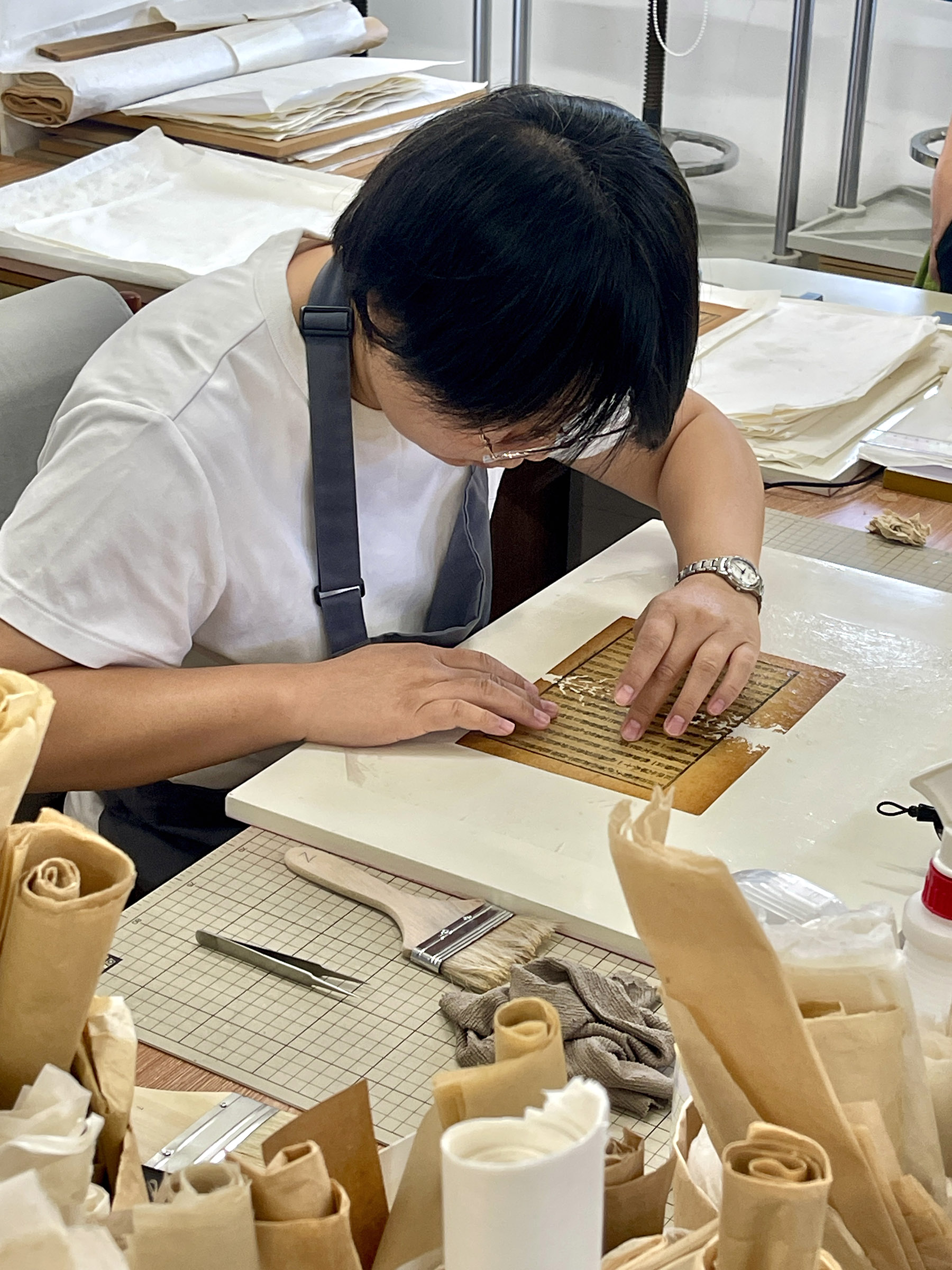
Zhang Yanxia, a librarian involved in ancient-book restoration, says the restoration team grew from one person in 2021 to seven today. Five members have more than 10 years of experience.
The team handles different levels of restoration according to the condition of each book. About 3,000 volumes a year receive emergency treatment, around 400 receive more focused treatment, and about 40 to 50 undergo full disassembly and restoration.
"Emergency restoration on site is like an emergency room in a hospital," Zhang Yanxia says.
The approach is to intervene only as much as necessary to stabilize a book while preserving its original material.
The restoration team also works with the Chinese book history course. Restorers demonstrate traditional binding techniques and guide students in making thread-bound books themselves.
The cooperation has continued for six years, and international students take part each year.
For Zhang Yanxia, keeping those books in use is part of preserving them.
"We hope more people can come into contact with these books," she says. "Preservation is not simply about keeping them safe. It is also about allowing them to continue to be used."
Contact the writer at yangfeiyue@chinadaily.com.cn
