

Decadelong efforts produce expansive handbook on over 2,100 species across China
For anyone attempting to identify a butterfly spotted anywhere in the country, Sun Wenhao is a name that stands out prominently.
Those seeking a comprehensive reference can turn to Living Butterflies in China (in three volumes), co-authored by Sun. This extensive handbook, featuring photographs and detailed descriptions of over 2,100 species, is one of the most thorough resources on butterflies distributed across the nation.
For those who prefer digital tools, Sun has also developed an artificial intelligence-powered identification app called "Wenhao's Butterfly Identifier". This innovative mini application has become a go-to resource for users eager to identify butterfly species with ease and accuracy.
READ MORE: Butterfly guardian surveys Yunnan biodiversity
From the grassy edges of city parks to the lofty alpine slopes of Qinghai province, Sun, 35, has devoted his life to photographing, identifying, and understanding China's butterfly species. His efforts have woven a rich tapestry of ecological observations gathered from diverse online sources. The success of his book and the widespread use of his app among butterfly enthusiasts across China illustrate the remarkable heights that passion and dedication can achieve.
Childhood hobby
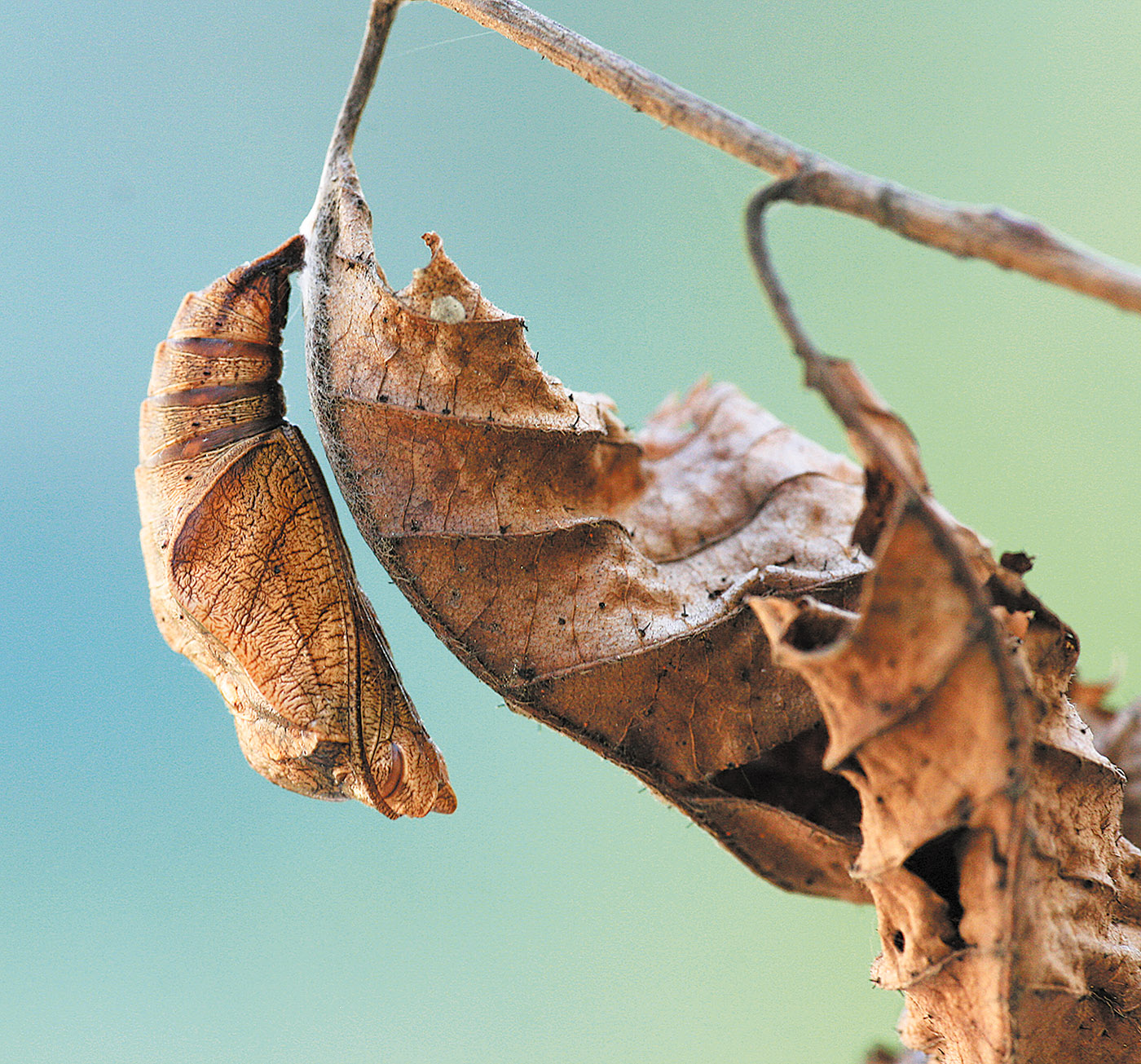
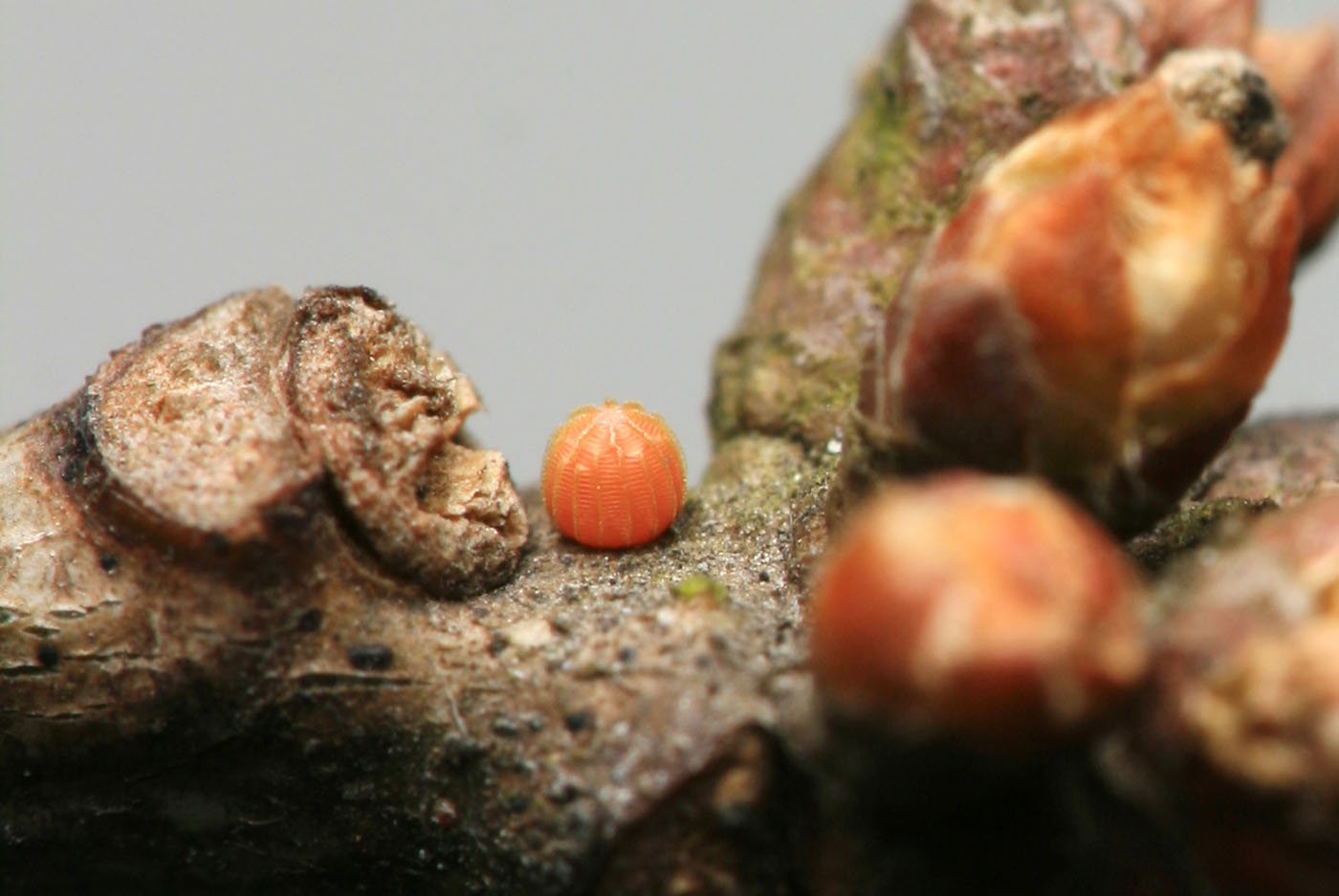
Sun's journey with butterflies began with anticipation. His father, raised in the countryside in Shandong province, often took him outdoors. Back then, Shandong springs were colder, and butterflies wouldn't appear until after Jingzhe, or the Awakening of Insects, observed on the third of the 24 solar terms in the traditional Chinese calendar. Each spring, he'd eagerly await their return.
With the advent of home computers, the internet unveiled a completely different world of butterflies. Chen Xichang, an enthusiast in Guangzhou, Guangdong province, created a butterfly website, uploading scanned photographs of butterflies found in southern China. Dial-up internet was agonizingly slow, Sun said. A photo would gradually appear on the screen over several minutes. The butterflies in these photos had colors and patterns unlike those Sun had observed in the north.
"To me then, they seemed to come from another world," Sun told China Daily. He was fascinated.
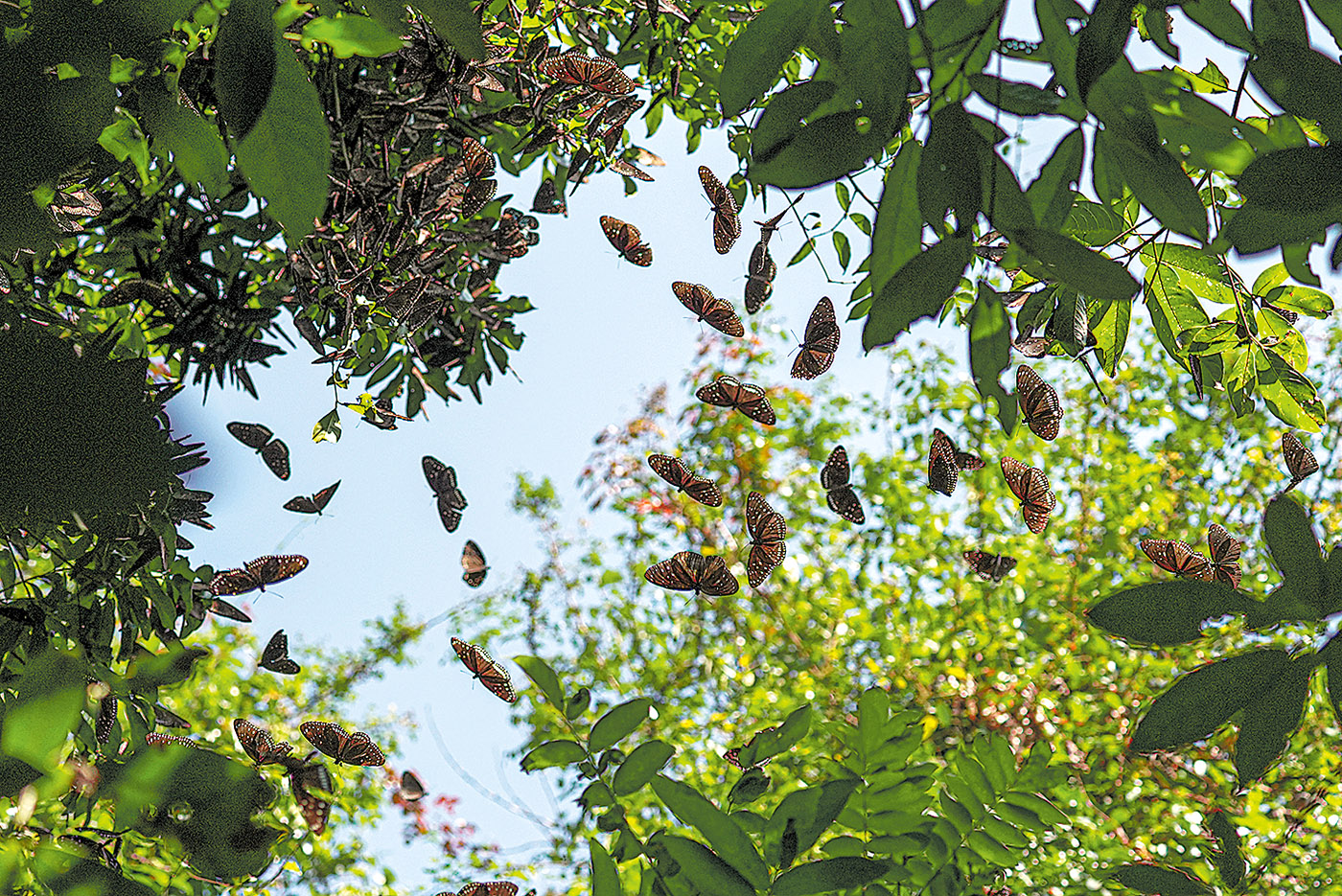
He later learned that Chen and earlier enthusiasts in Guangzhou, during an era of taking photos with expensive film, had preserved invaluable ecological records. Some butterflies in those old photos are now rarely seen in their original habitats. The photos that once kept him waiting patiently in front of the computer have slowly become evidence of lives once lived.
His father initially bought him a 5-megapixel Sony compact digital camera. The quality seemed excellent then, but the short focal length demanded getting very close without startling butterflies.
In high school, his father gifted him a digital single-lens reflex camera with an 18-55 millimeter lens. "I thought a DSLR would guarantee great butterfly photos," he said. But a summer trip to Yuntai Mountain in Henan province proved otherwise. "Even with a better camera, the butterflies didn't linger longer," he said.
However, the camera ignited a strong desire. "I wanted to know what these butterflies I was photographing were called, how to distinguish them, and where they lived," he added. This led him to read, research and connect with fellow enthusiasts. Gradually, a hobby turned into a passion and then an obsession.
A collective memory
Sun completed his undergraduate studies at Shandong University and pursued both his graduate and doctoral studies at Northwest A&F University in Shaanxi province. Currently living in Jinan, the capital of Shandong, he works as an engineer at the Shandong Provincial Research Institute of Water Conservancy.
While his doctoral research in agricultural engineering and ecological environment — with a focus on precipitation changes, land use, and soil respiration on the Loess Plateau — isn't directly butterfly-related, he sees a connection. "My professional training has always involved field investigation, ecology, and data analysis," Sun said. "This background has provided me with a deeper insight into the fascinating world of butterflies."
During his doctoral studies, he also collaborated on butterfly taxonomy and ecological research.
Over a decade ago, during the planning phase for Living Butterflies in China, Sun and his friends' initial goal was modest — collecting photos of 1,000 species of butterflies.
Most butterfly guidebooks at the time featured specimen photos — butterflies pinned flat, wings fully spread, ideal for comparative study, but far removed from their vibrant, dynamic presence in the wild. "A live butterfly won't stop and pose according to a guidebook's requirements," Sun said. "It might only show its underwing, be partially obscured by a leaf, or grant you just one chance to press the shutter of a camera."
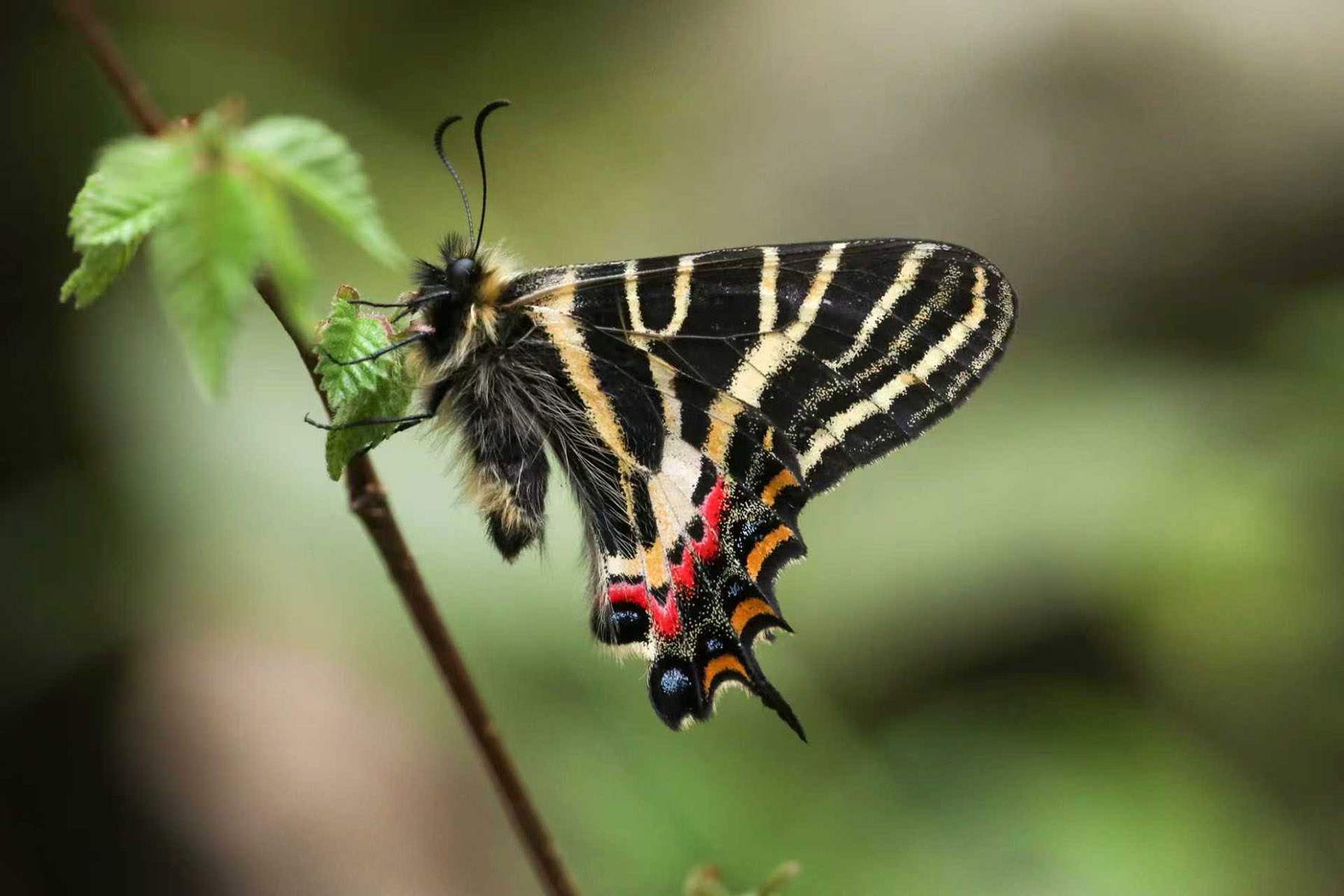
So they envisioned a book composed entirely of ecological photographs, capturing China's butterflies as they live in their natural environments — including different sexes, seasonal forms, regional variations, and easily confused look-alikes. The aim was to create a resource where anyone, with their own photographs, could find the means to identify a species. Sun said he initially doubted if the 1,000-species goal was achievable, let alone that the project would span more than a decade.
China boasts over 2,500 recorded butterfly species that inhabit mountains, rainforests, deserts, grasslands, and islands. Some exist only in historical literature and specimen records — whether live individuals can still be found, or if their natural appearance has ever been captured, remains unknown.
The book features ecological photographs of over 2,100 species, far exceeding initial expectations, thanks to contributions from more than 200 photographers. "It was never a single person traveling across China; it was many people slowly bringing together individual butterflies they encountered at different times and places," Sun said.
A tea house owner in Miyi, Sichuan province, for instance, rarely photographed butterflies but stumbled upon a rare species restricted to a small local area. It appears for only a few weeks each year and favors high canopies, eluding many dedicated searchers.
Sun contacted the owner after seeing the photo online, identifying the butterfly. The owner was surprised to learn such a species lived nearby.
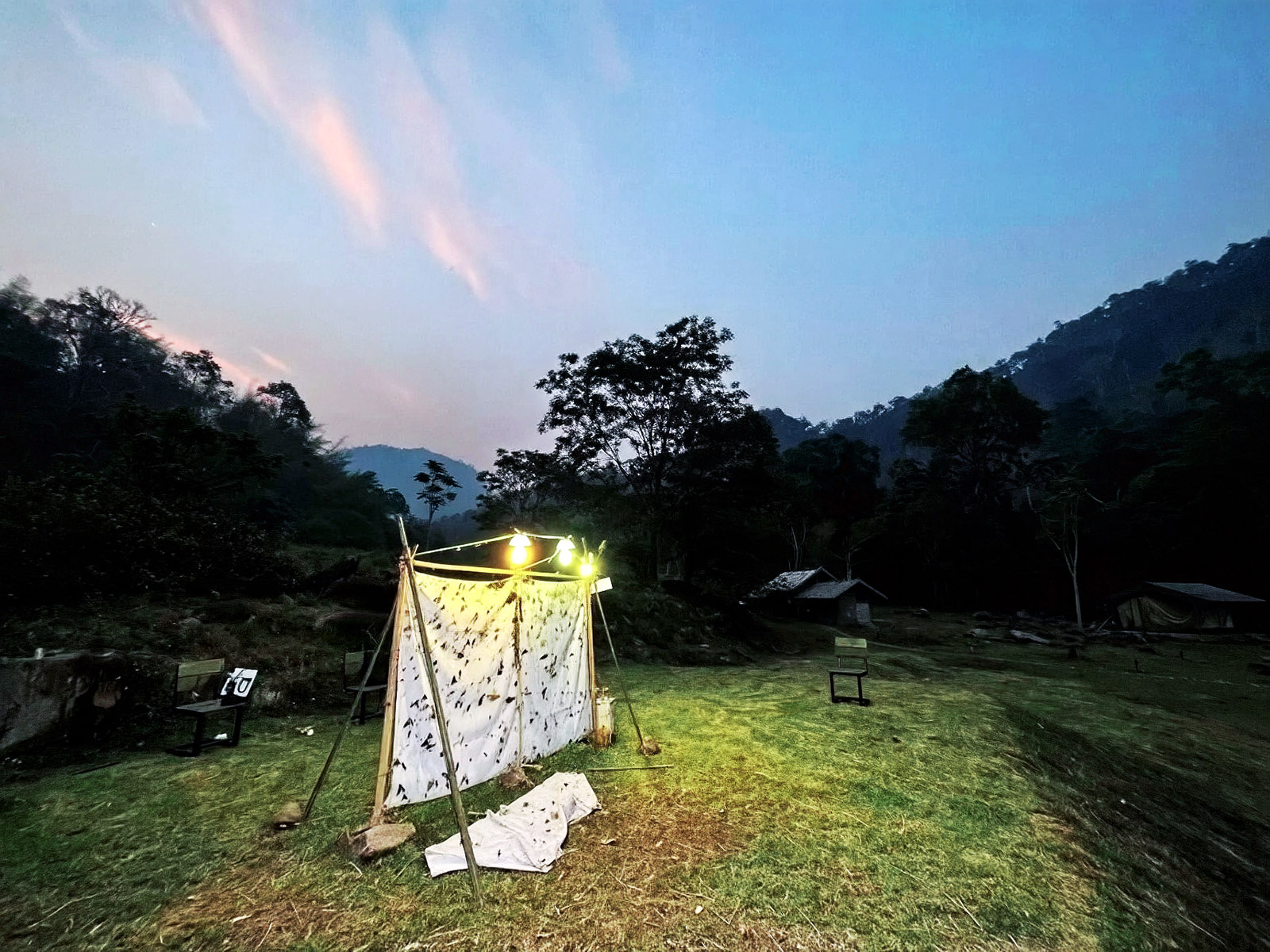
In earlier years, Sun would proactively contact anyone posting butterfly photographs online, inquiring about the time and location to meticulously record the information. Occasionally, photos revealed previously unrecorded species. He would then connect with taxonomy researchers, seeking specimens and further evidence, transforming a casually taken photo into a valuable piece of research. "I've always felt my role is more like building a bridge," Sun said. "Photos come to me from different places, and I send them on to another group of people. What's left isn't just a butterfly's name, but evidence of when and where it lived."
Fabric of a community
Constructing a bridge is, in essence, creating a network of friends. Over the years, Sun has connected with countless individuals he's never met face-to-face. A homestay owner in Tengchong, Yunnan province, a farmhouse proprietor deep in the Qinling Mountains in Shaanxi, and even dedicated birders — their initial contact was often a single photo accompanied by a question: "What butterfly is this?"
Sun would provide a name, then ask for the time and place of the photograph. Some conversations ended there, but others blossomed into long-standing friendships.
Before a trip to Malaysia in 2025, Sun contacted a local butterfly enthusiast online. They corresponded in English, unaware that the enthusiast's English name was merely a transliteration of a Chinese name. Only upon Sun's arrival, when the friend picked him up from the airport, did they discover they both spoke Mandarin.
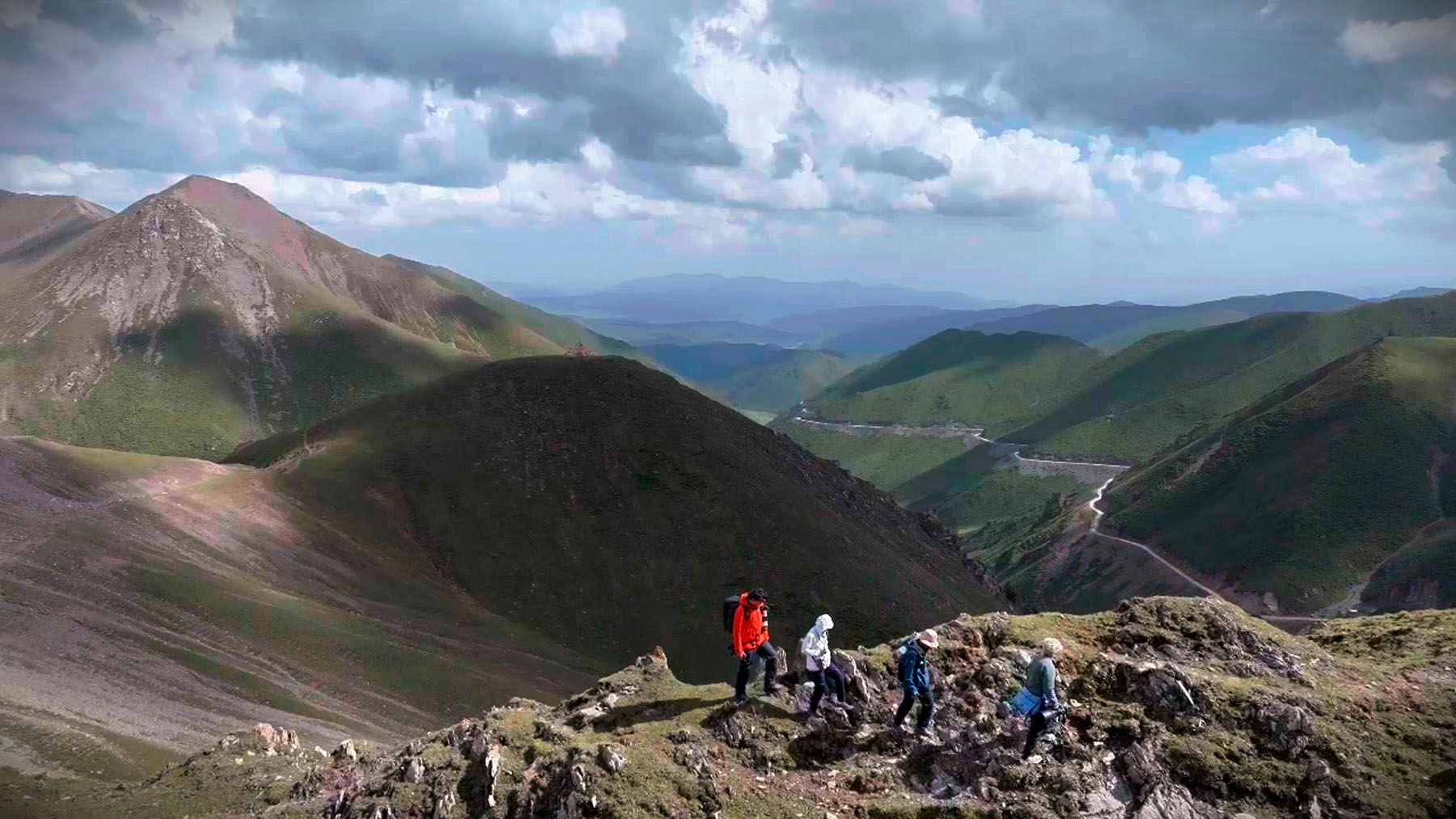
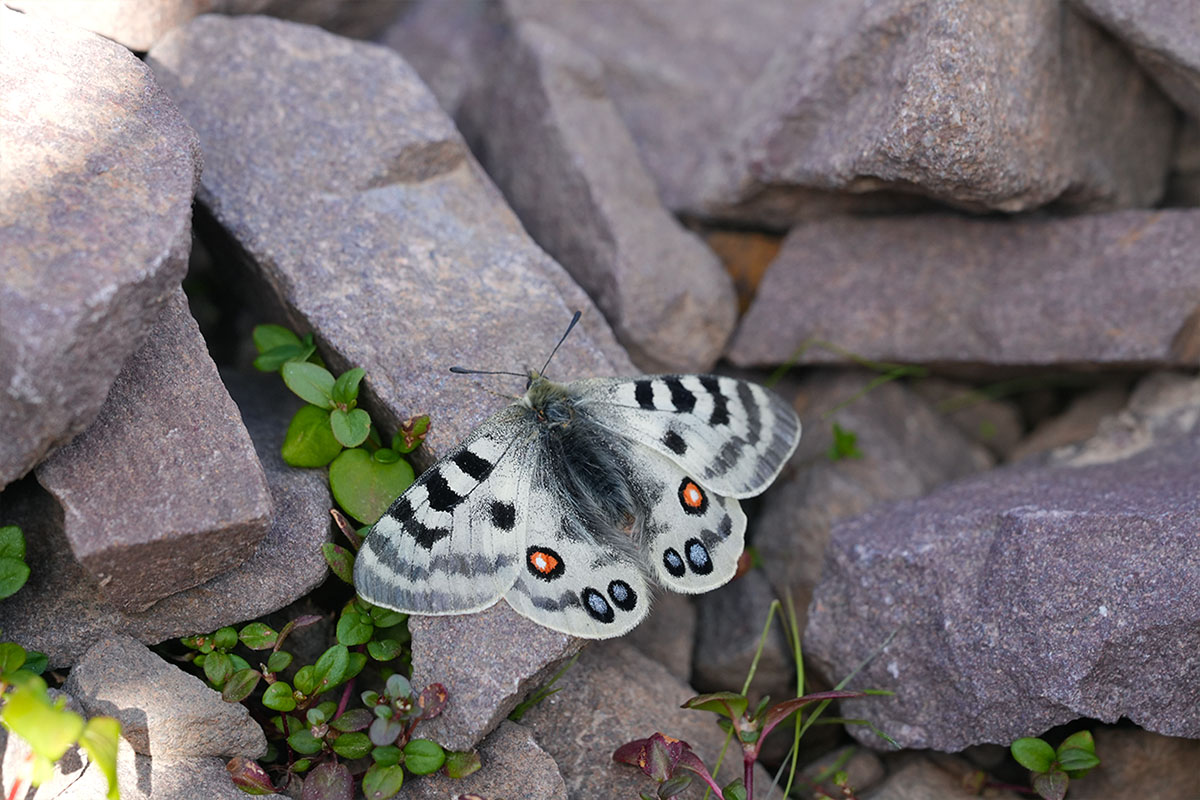
Last summer, Sun found himself in Qinghai, pursuing a species of Parnassius, or Apollo butterfly, that thrives near the snow line. High-altitude butterflies have a remarkably short flight period, Sun said. "Too early, and they haven't eclosed; too late, and the adults of the year are already gone. Miss a few weeks, and it's another year's wait."
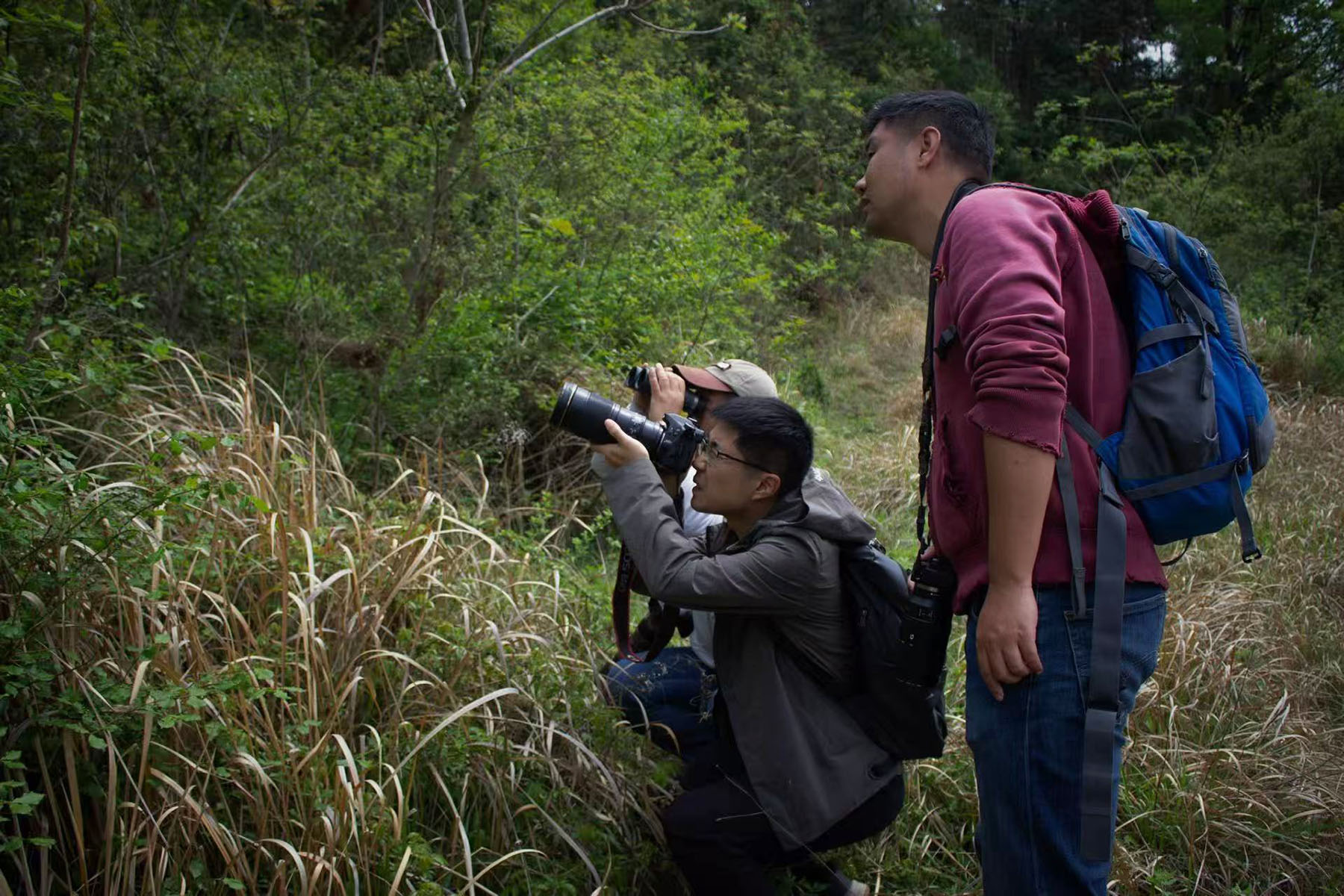
The target elevation was close to 4,900 meters. To acclimatize, Sun and his companions spent two days in Xining, the capital of Qinghai. But once they entered the mountains, the weather surpassed all predictions. Their off-road vehicle got stuck in snow, forcing the driver to shovel them out. One by one, his companions turned back, succumbing to cold, altitude sickness, and exhaustion. Only Sun continued climbing upward. The mountaintop was blanketed in snow and nearly devoid of other life forms. In this stark, almost empty world, he witnessed the Apollo butterfly gracefully navigating the desolate snowscape.
On his descent, a friend from Yunnan, whom Sun had known online for years but never met in person, unexpectedly called. A seasoned guide for wildlife and bird-watching, he often sent photos of unfamiliar butterflies for Sun to identify.
"Are you walking down the mountain with a net right now?" the friend asked. Sun was puzzled.
"I'm at the foot of the mountain," the friend told him, "watching you through my binoculars."
After years of virtual connection, their first meeting was on a virtually uninhabited snowy mountain.
Sun met Huang Siyao, who co-authored the book with him, on a forum over a decade ago. Then a high school student, Huang later pursued a doctoral degree in Lepidoptera taxonomy at the University of Bonn and the Museum Koenig Bonn in Germany.
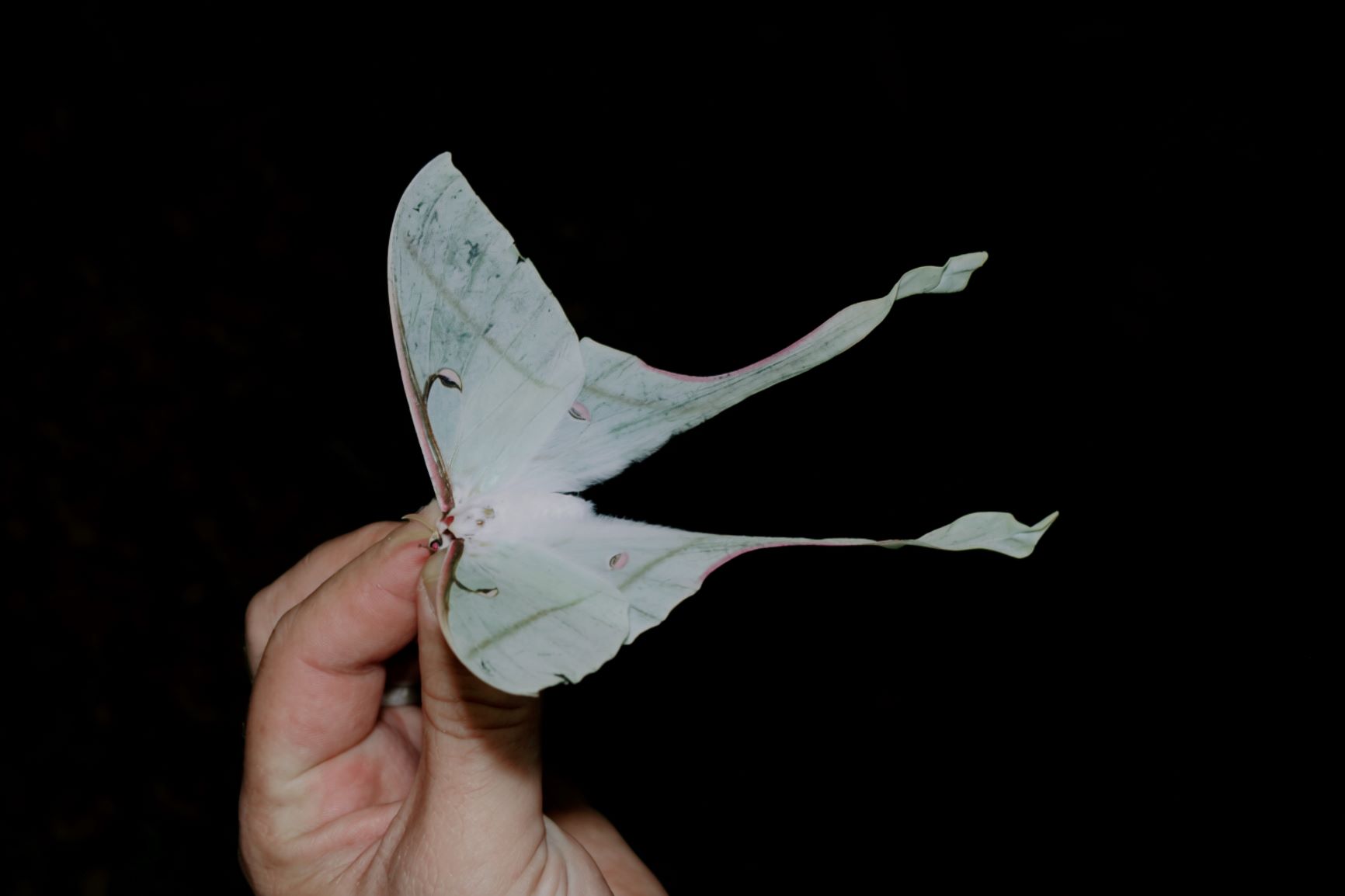
In 2025, Huang and his collaborators published a paper on the moth genus Acampylotes, naming two new species after Sun and Chen Lu, Sun's girlfriend — Acampylotes wenhaoi and Acampylotes chenluae.
Acampylotes chenluae is larger, with striking orange-red hindwings, while Acampylotes wenhaoi is smaller. Both inhabit mountains in southwestern China, with some records from alpine meadows above 4,000 meters. By taxonomic convention, discoverers cannot name species after themselves but can bestow others' names. It's often a tribute to collectors, researchers, mentors, or friends — a gift from the discoverers.
"These two moths, of course, don't belong to us," Sun said. "But from the moment that paper was published, whenever anyone reads those scientific names, they will also read ours."
Digital bridge
During the anxiety of his doctoral dissertation's blind review, Sun sought a distraction. He began teaching himself deep learning and neural networks, with the aim of developing an AI-powered app to identify butterflies from photos.
He learned coding, servers, and front-end development from scratch. The initial motivation was simple: "Every day, people sent me photos asking for identification. I couldn't answer them all individually, but I knew how crucial it was for a beginner to identify their first butterfly."
"Wenhao's Butterfly Identifier" has slowly gained users. Now, people upload a photo from their phone and can get a possible name in seconds.
This spring, with the publication of Living Butterflies in China, Sun feels a chapter in his butterfly chase has concluded. In the meantime, a far vaster world is opening — moths.
China has over 2,500 recorded butterfly species, but Sun's preliminary moth checklist already exceeds 20,000. Many perceive butterflies as beautiful, while moths are often seen as dull-colored and hairy. But delve deeper, and moths reveal an astonishing diversity of forms. "Sometimes I feel nature reserved more of its creativity for moths," Sun said.
Sun had developed "Wenhao Moth Identifier" earlier. He and Chen are now working on "Xiaoyangfang", a new system that integrates and upgrades the two mini-apps, aiming to combine identification with species distributions, personal observation records, and public participation features. "Wenhao's Butterfly Identifier" alone has nearly 30,000 users and has handled over a million AI identifications. Sun has single-handedly managed its core development, model training, database organization, and daily maintenance.
"For me, butterflies are no longer just a hobby; they've connected so many people and events in my life –friends, travel, writing books, research, developing apps, and even my romantic life," Sun said.
Sun and Chen plan to visit the Gaoligong Mountains in Yunnan in search of the Bhutan Glory swallowtail later this month. The butterfly emerges for only a very short period each year. Adult butterflies live brief lives, some as short as three days.
"Whether I'll actually encounter it, no one knows," Sun said.
"But for now, we're still going to keep looking."
Contact the writers at chenliang@chinadaily.com.cn
