

GUANGZHOU — Guangdong has released a progress report on building its new energy system, announcing a historic shift in its power mix in which renewable energy capacity has overtaken coal power for the first time.
According to the report reviewed on Tuesday at the 27th session of the 14th Provincial People's Congress Standing Committee, Guangdong’s total installed power capacity reached about 280 million kilowatts as of June this year, nearly doubling its 2020 level.
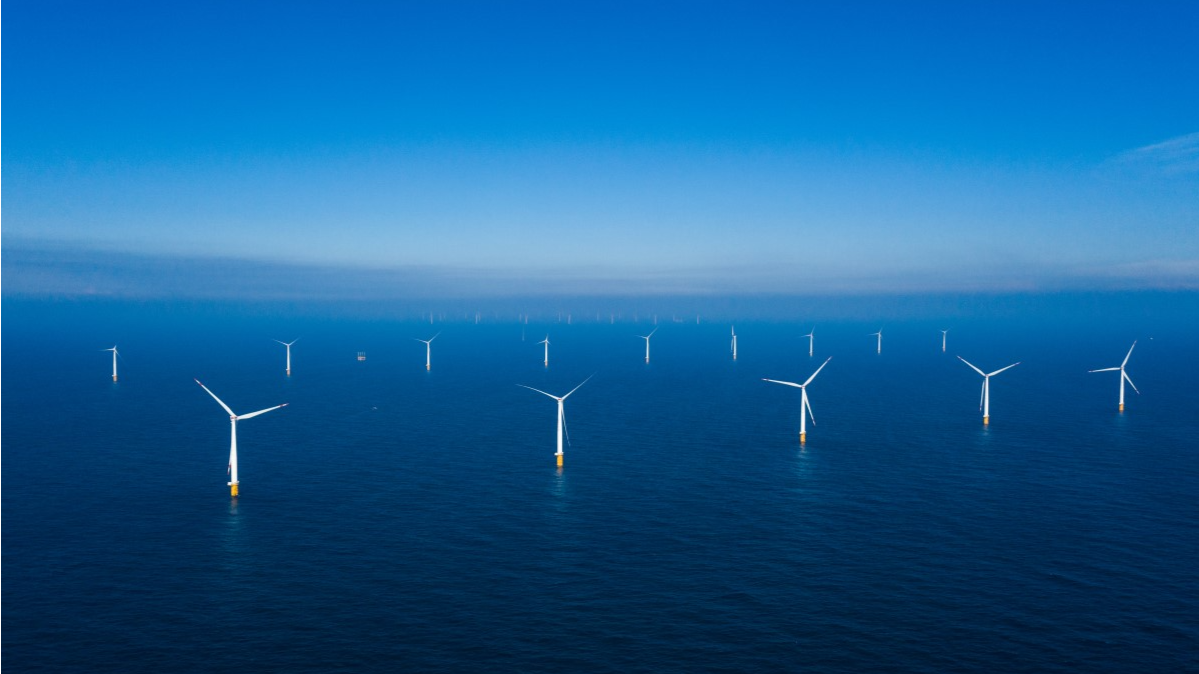
Renewable energy capacity surpassed 100 million kilowatts, overtaking coal power, and accounted for more than 60 percent of the new capacity added since 2020.
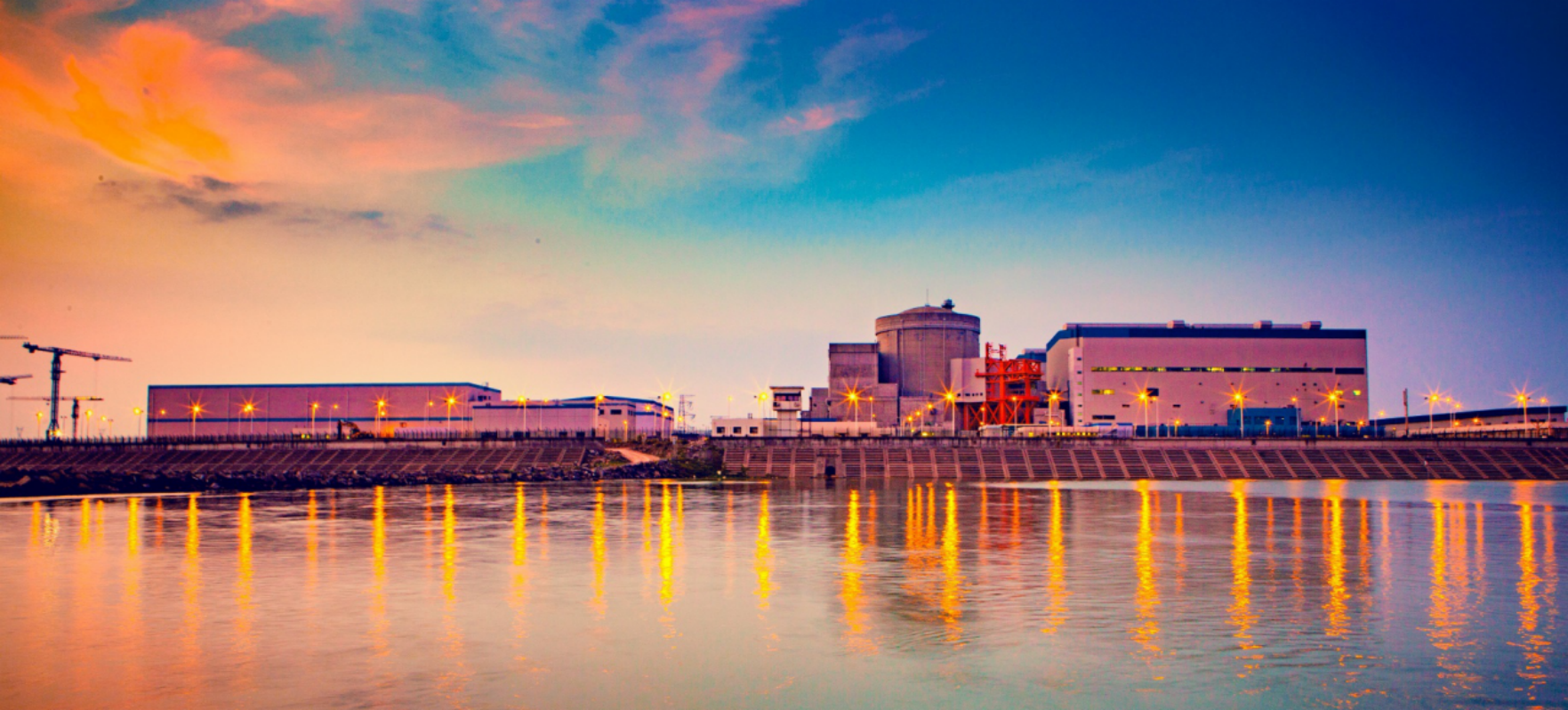
For years, Guangdong’s capacities for nuclear power, gas power generation, and pumped-storage hydropower have ranked No 1 nationwide.
ALSO READ: Solar eclipses coal as China's top power source
From 2021 to 2025, the 14th Five-Year Plan period, Guangdong’s energy intensity fell by more than 17 percent. In 2025, it stood at 0.313 tons of standard coal per 10,000 yuan of GDP — roughly two-thirds of the national average — and among the lowest in China.
By June, the provincial grid had served 92.94 million kilowatts of new energy, accounting for 33.6 percent of total installed capacity.
Projects including Huizhou’s Sanmen Island wind-solar-storage microgrid and Foshan’s Haishou Island microgrid have set examples for power supply in remote and offshore areas.
The Shaoguan data center cluster, the core carrier of the Greater Bay Area’s national computing hub, has gathered 21 projects with 72.7 billion yuan in investment and 150,000 standard racks, making it South China’s largest computing cluster.
READ MORE: China's power use surge shows industrial upgrading, emerging-sector momentum
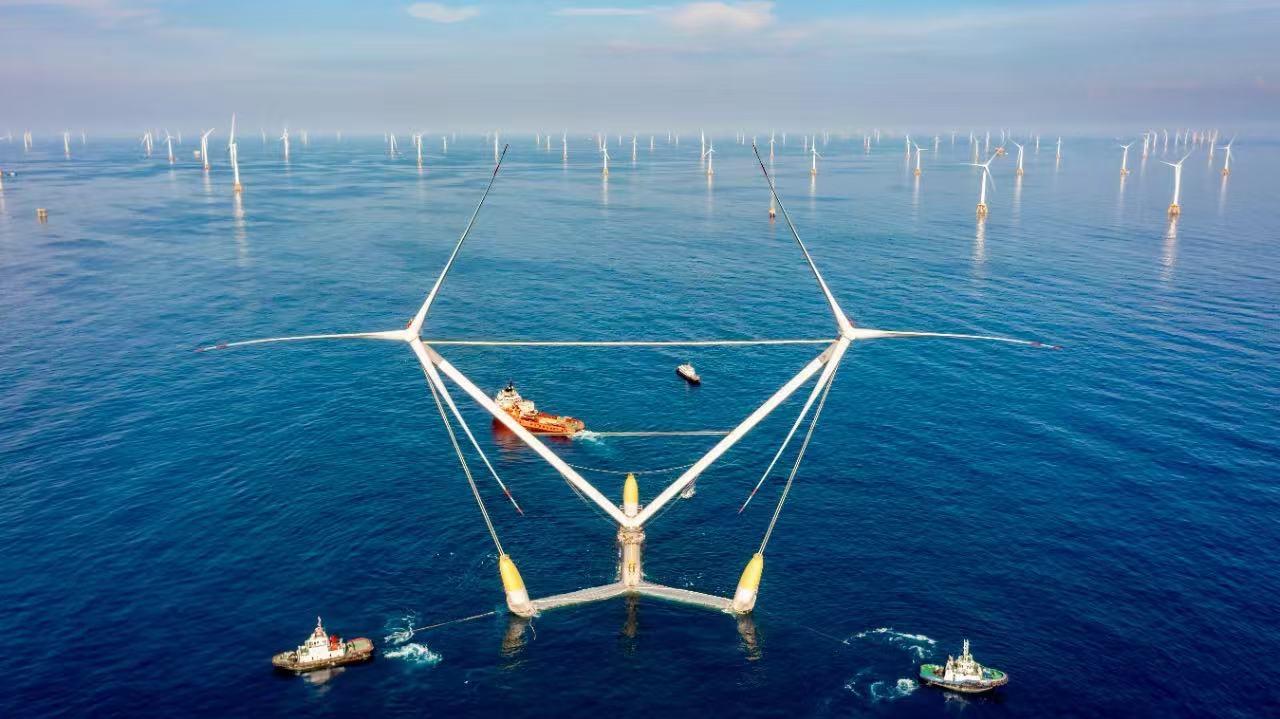
The province has also produced landmark innovations during the five years: the self-developed Hualong One third-generation nuclear technology reached advanced international levels; the world’s largest single-capacity floating wind platform Mingyang Tiancheng was completed; the 16-megawatt Three Gorges Navigator floating platform was installed in Yangjiang waters; and the world’s first megawatt-class floating wave-energy device Nankun began trial operation in Zhuhai.
