

Esports hub brings back one of the world's largest gaming tournaments, where global participants revel in its strong community, Wang Xin reports.
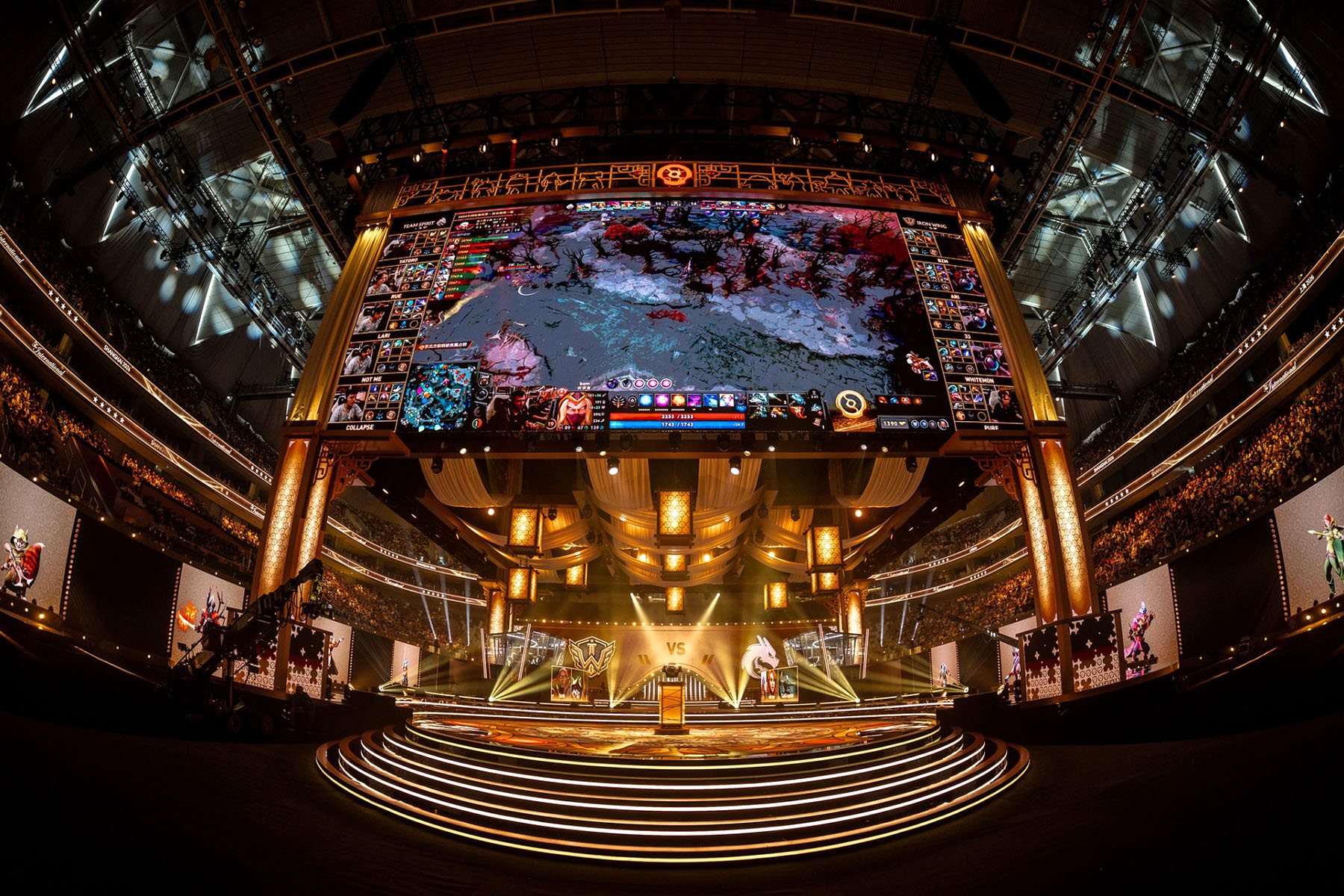
Sergei Veklenko, a Russian software engineer in his 20s, feels a surprising celebratory Christmas vibe in the middle of Shanghai's summer. Arriving from Moscow, he is not gathering with family members but with a global esports community driven by the same passion.
The International (TI) 2026, the 15th edition of the world's top-level Dota 2 tournament, wrapped up on Aug 23 at the Shanghai SPD Bank Oriental Sports Center, marking its return to the city after a seven-year hiatus.
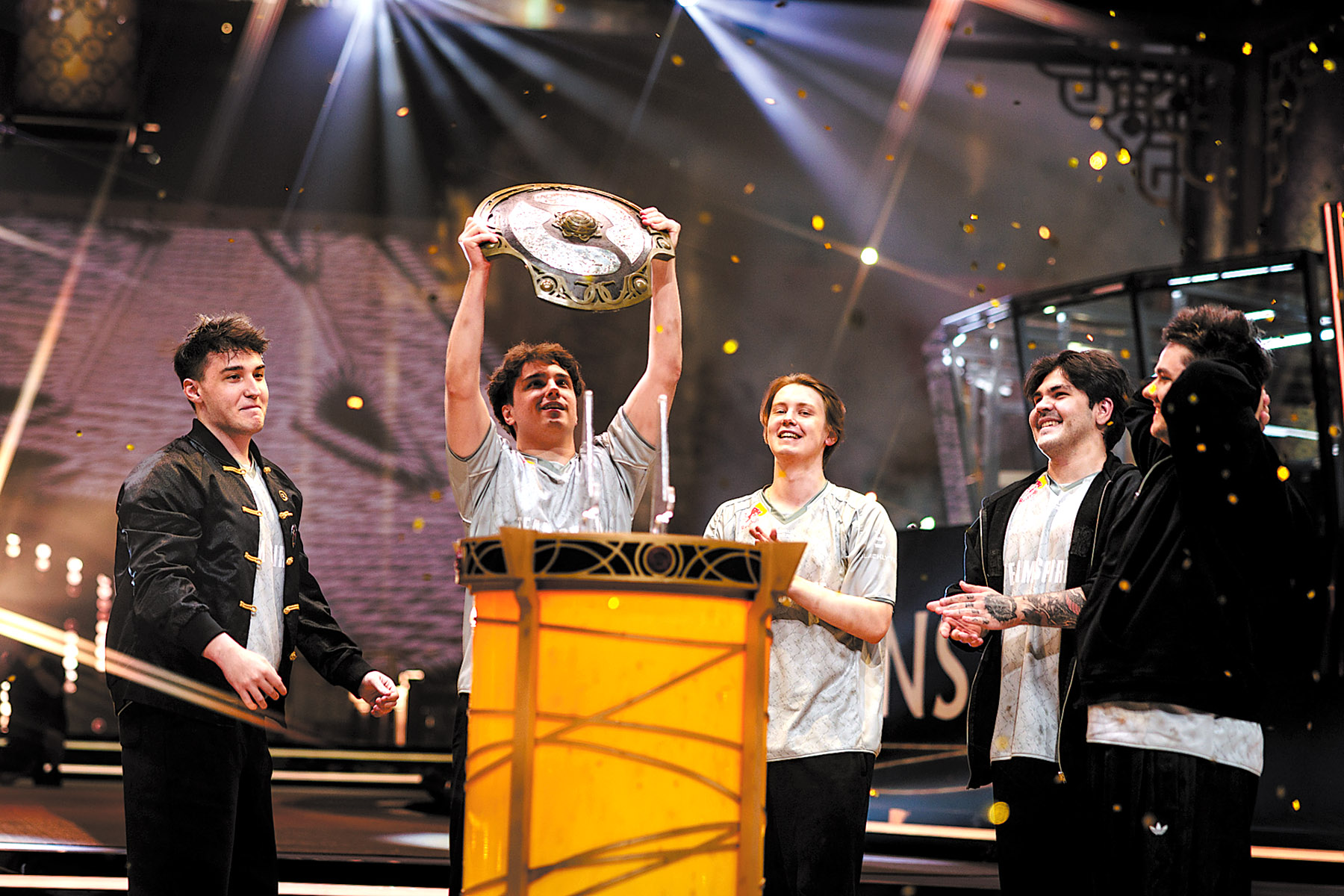
A total of 16 teams from across the world, including a dozen Russian players, gathered in Shanghai for the tournament, which kicked off on Aug 13. Team Spirit claimed the Aegis of Champions (the top TI prize) this year, becoming the first team in TI history to win three championships.
Although the team Veklenko mainly supports, Team Vision, lost 2-3 to Team Spirit in the grand finale, the whole journey and first offline TI experience left him with many unforgettable moments on his first visit to China.
READ MORE: The epicenter of gaming
"What I like about the TI most is the social aspect. You can meet new friends from all over the world. There is no difference between us. We feel as one community, simply as Dota players.
"Everything is great here. I don't know why, but it feels like home, even though it is our first time here. It really feels like Christmas," says Veklenko, with a big smile.
On his first day at the stadium, Veklenko immediately became friends with Artur Nikiforov and Viktor Chernoc. Making their first trip to China specifically for the TI tournament, the two 20-somethings from southern Russia also explored many mountains across China, during which they were deeply impressed by the "friendly, cute and happy" Chinese people.
"I think it's a big celebration for Dota players worldwide. We came to this place, meeting others and talking with smiles and happiness. It's so great," says Nikiforov.
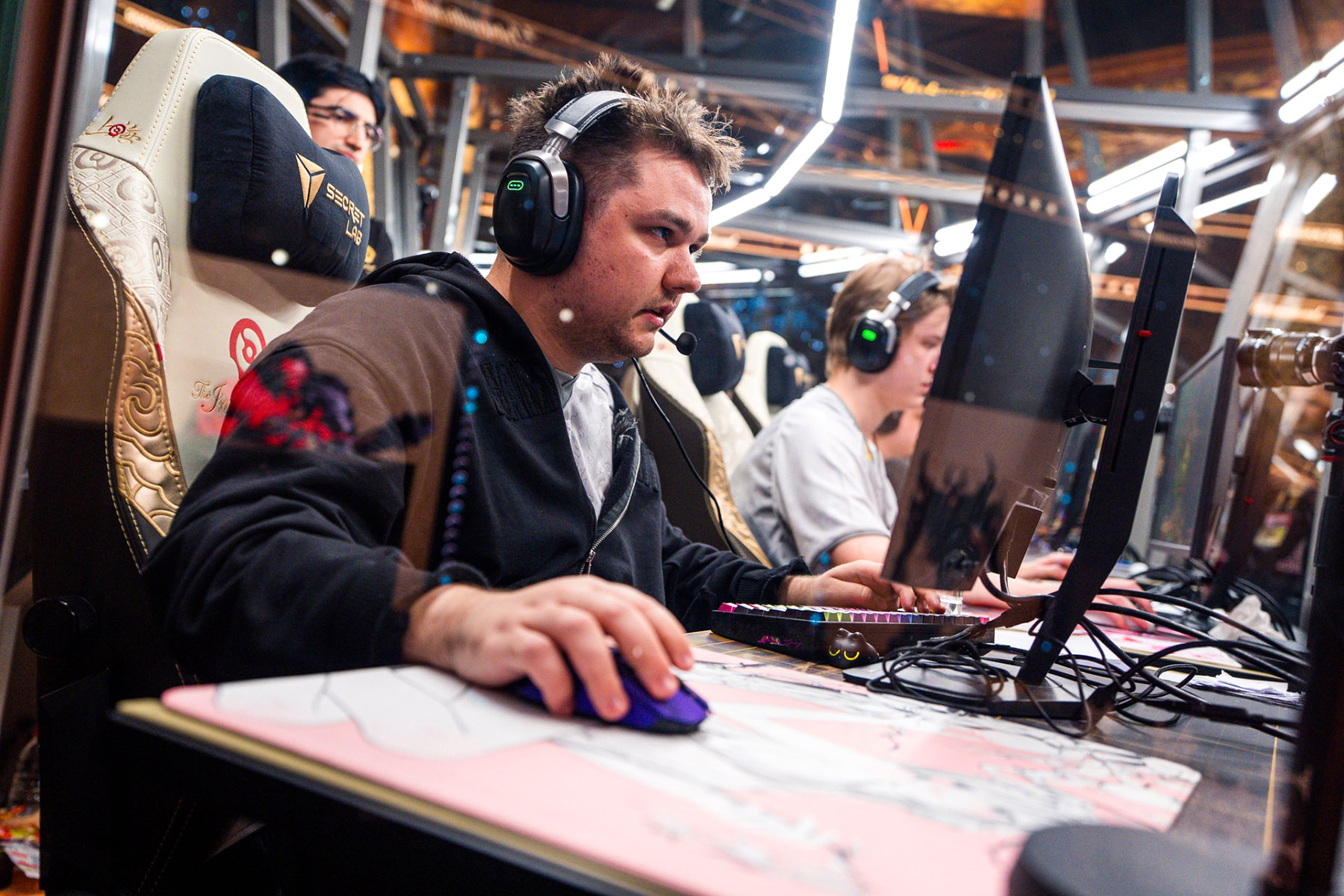
Solid bonds
Shanghai first hosted the TI in 2019. With this year's return, Shanghai has become the only city in the world, other than Seattle, to have hosted multiple times. It demonstrates the city's booming esports industry and its growing appeal as a city that bridges diverse cultures, connects global communities, and facilitates international exchanges.
Dota 2's roots can be traced back over two decades. Operated exclusively by Perfect World on the Chinese mainland, this multiplayer strategic team-based action game also garnered numerous loyal Chinese players, drawing fans from across the nation to Shanghai for the grand event.
Shen Yi, 35, from Chengdu, Sichuan province, participated in both TIs held in Shanghai. Having played the game for about 18 years, he sees it as "part of life". In addition to bagging limited-edition merchandise and meeting new friends, he particularly highlights the energy and motivation he gained from the event.
"It taught me to grow and keep going in life. The world might seem cruel when we see Ame (a Chinese Dota 2 player with the Xtreme Gaming team) keep fighting but failing to win a TI title for many years. But he is still striving for it, which I see as courage and a powerful spirit that pushes me forward," says Shen.
Lin Nan, a 41-year-old illustrator from Beijing and a Dota player for almost 20 years, garnered over 1.2 million followers on social media platforms for his illustrations inspired by the game. For Lin, what he values most about the community is the "human connection" built around the game.
"TI is a big party for Dota players and fans. The game is like a faith to us longtime players, and we are naturally close to each other as friends, regardless of our different nations, cultures, or career backgrounds.
"We might all be busy with our individual daily lives. But if anyone in the community gets in trouble, others promptly unite and are right there to help — just like teamwork in gameplay. Such a bond always touches my heart," says Lin.
This solid connection and shared love for the game may explain the TI's extensive engagement and participation. This year, the tournament attracted nearly 60,000 people aged 25 to 35 from over 70 countries and regions to the city, according to Gu Liming, CEO of the event's co-organizer, Perfect World.
Like most foreign audiences, 25-year-old Juris Smirnovs from Latvia says that coming to the TI while on his first visit to China is hitting "two birds with one stone". Beyond the arena, he has also enjoyed exploring city landmarks and local cultures.
"I really liked the organization of the event. Everything ran smoothly, and I got a lot of free stuff. The crowd is awesome, with everyone passionately cheering for the players. Shanghai is a great city. All the lights and the nighttime skyline make the city bloom in another way. Overall, the experience exceeded my expectations," he says.
Developing the industry
Shanghai has been ramping up efforts in building a global esports hub over the past decade. Since 2017, the city has rolled out a slew of policies to support the development of the esports industry, forming a complete industrial chain and gathering the nation's most esports clubs and top-level tournaments.
Gu points out that culture and arts are important extensions of the esports industry, enhancing it with aesthetic appeal and cultural warmth and helping forge emotional connections.
"For any competitive activity to evolve from a simple contest into a culturally significant symbol with broad appeal, it needs to continually break out of its niche and nurture its cultural identity. Traditional sports took decades to make this leap, and esports is following the same path at a faster pace," says Gu.
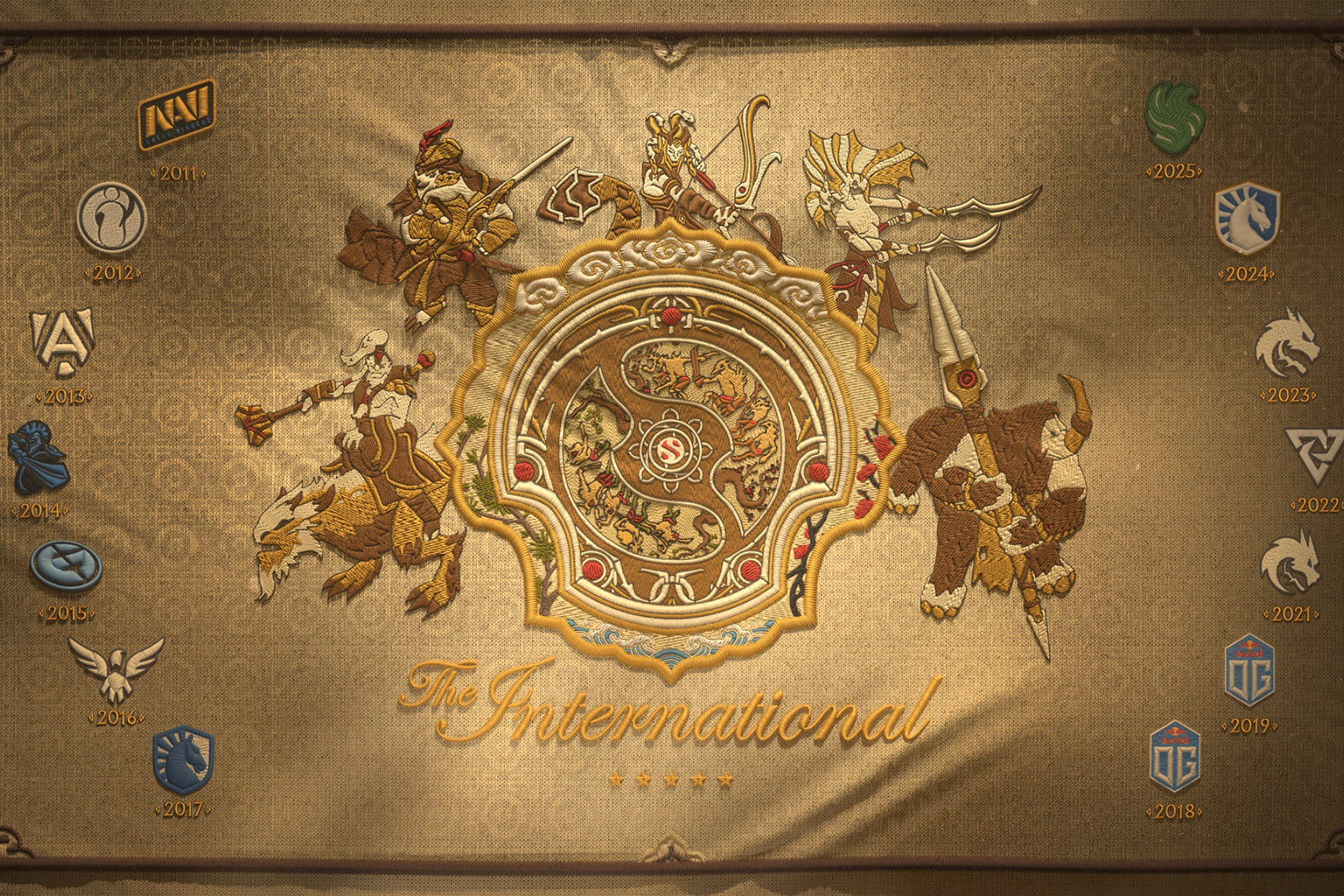
At this year's TI, traditional Chinese cultural elements were delicately integrated into the tournament. Gu said that the event's visual system draws inspiration from traditional Chinese embroidery. They invited master artisans of Suzhou (Jiangsu province) embroidery to create an embroidered version of the iconic Aegis of Champions, the top prize of the TI, stitch by stitch. This exquisitely crafted and magnificent artwork captured massive global attention at the stadium.
Also, at the opening ceremony of the tournament's playoff stage on Aug 20, the video game's music was grandly presented by composer Tim Larkin in collaboration with the Shanghai Symphony Orchestra. Chinese folk instruments, including the guzheng (a Chinese zither), were tactfully incorporated into the performance, offering a refined artistic experience. Earlier, on July 11, the two partners had presented the world's first Dota 2-themed symphony concert at the Jaguar Shanghai Symphony Hall to hype up the TI.
ALSO READ: Chinese seniors rediscover golden years through growing passion for adventure
"The collective emotions and memories accumulated by the Dota 2 player community over the past 15 years have already established cultural depth. Esports culture is continually breaking out of its niche in increasingly diverse ways, leading to the industry's maturity," says Gu.
The well-received concert also demonstrated the potential for integration between esports culture, urban culture and classical art. Embodying the city's openness and vitality, esports events are transforming from purely competitive activities into comprehensive experiences that boost international exchange, cultural tourism and urban experiences.
"Esports is a fusion of gaming, sports and culture. China has a complete esports ecosystem, and Shanghai's continuous efforts in the industry are inspiring," Gu adds.
Zhu Qinqin, secretary-general of the Shanghai E-Sports Association, indicates that Shanghai is already firmly standing as one of the most attractive esports cities worldwide. Additionally, more efforts are being made in sectors such as local esports talent cultivation, game production, tournament IP fostering, and overseas exploration.
Li Junfeng contributed to this story.
Contact the writer at wangxin2@chinadaily.com.cn
