

Marking the composer's 270th birth anniversary, the 29th Beijing Music Festival presents a rich tapestry of performances across the city, Chen Nan reports.
What happens when Mozart meets Chinese rock pioneer Cui Jian, when the 300-year-old George Frideric Handel opera Giulio Cesare in Egitto (Julius Caesar in Egypt) makes its Chinese debut, and when a sitar speaks alongside a Western orchestra?
When October winds sweep through Beijing, the answers will unfold.
For 12 days, from Oct 9 to 20, the 29th Beijing Music Festival will turn concert halls, theaters and even public spaces into stages for a musical conversation spanning centuries, continents and genres.
This year's festival will place Mozart at its heart, while making room for everything from Baroque opera and late-Romantic symphonies to rock, Indian classical music and performances by a new generation of musicians.
READ MORE: Walking inside a moving symphony
The occasion is especially fitting: 2026 marks the 270th anniversary of Mozart's birth.
"His music was the popular music of his time. Everyone loved listening to it," says conductor Yu Long, chairman of the festival's artistic committee, who founded the annual classical music event in 1998.
Yu has a particular affection for Mozart's two G-minor symphonies: Symphony No 25 in G Minor, K 183, composed in 1773, when Mozart was 17, and Symphony No 40 in G Minor, K 550, composed in 1788, when Mozart was 32. For Yu, their apparent simplicity is precisely what makes them so demanding.
"His musical language is plain and unadorned, but extremely difficult to perform. It is like a mirror; whatever state the performers are in, the music reflects it honestly. There is nowhere for affectation to hide," he says.
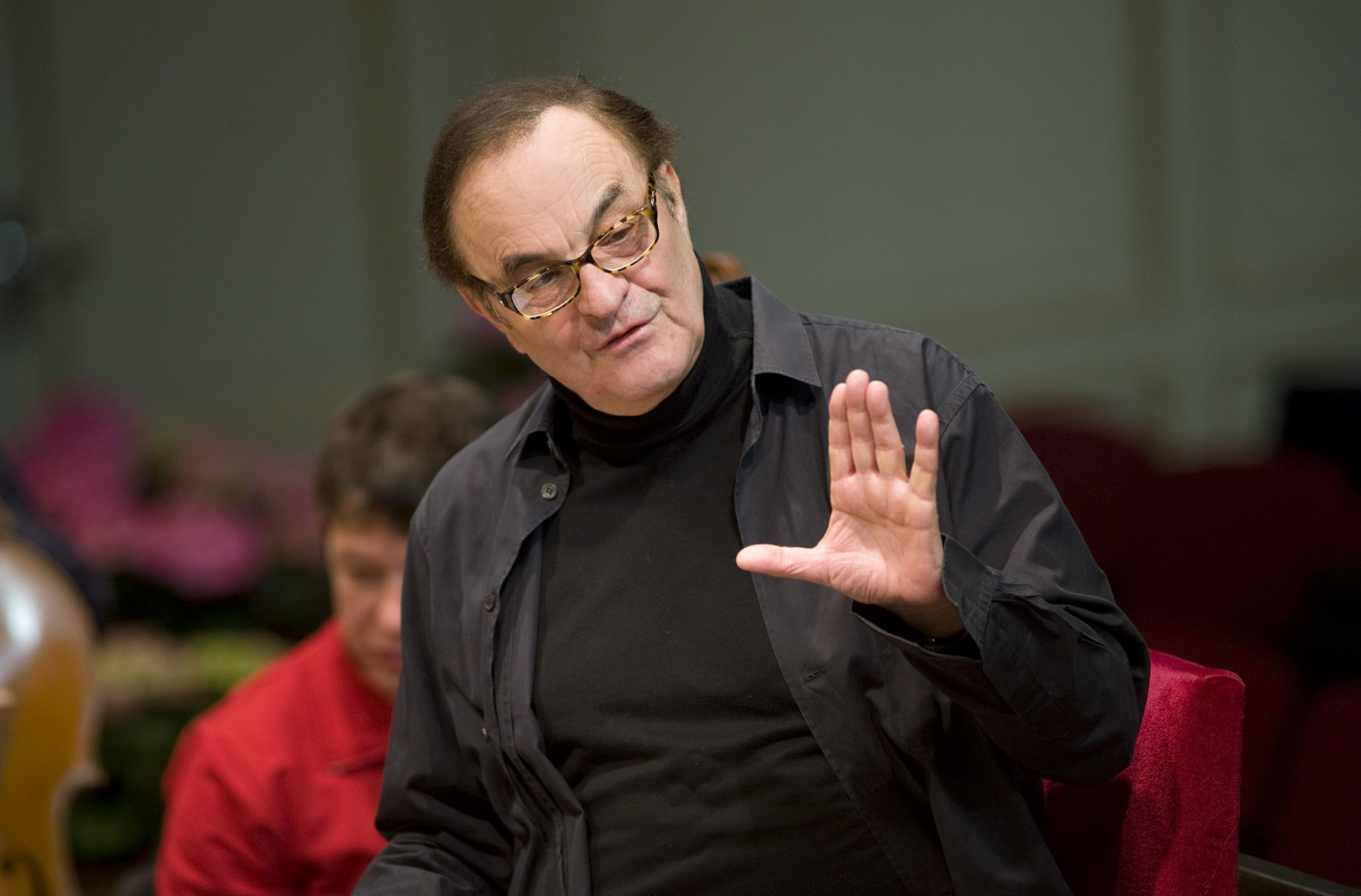
Mozart will be heard across much of the festival, beginning with the opening concert at the National Centre for the Performing Arts. The festival orchestra will be led by 90-year-old Swiss conductor Charles Dutoit, with Russian pianist Elisabeth Leonskaja as soloist, in Mozart's Piano Concerto No 22 and Italian composer Ottorino Respighi's Roman Trilogy.
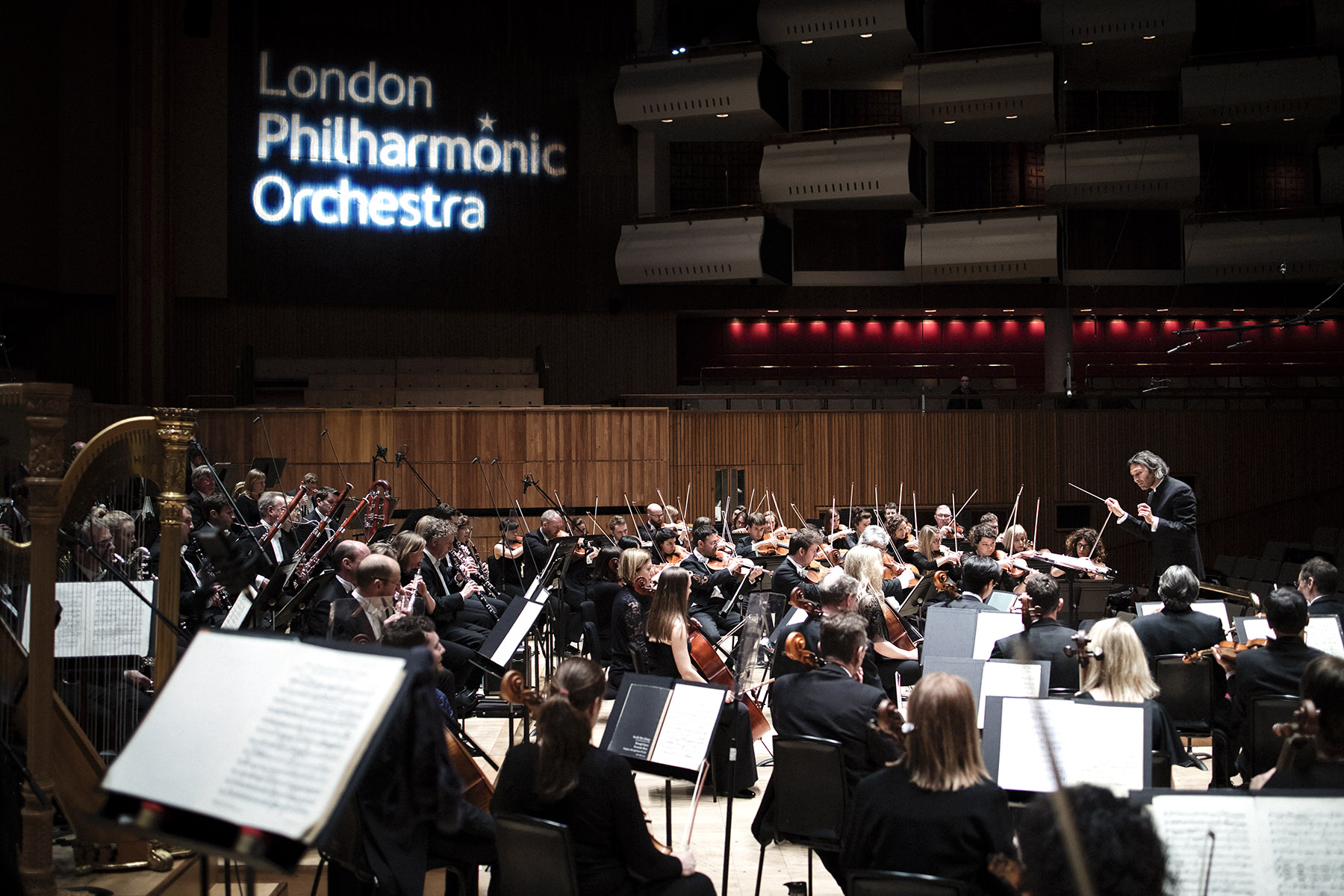
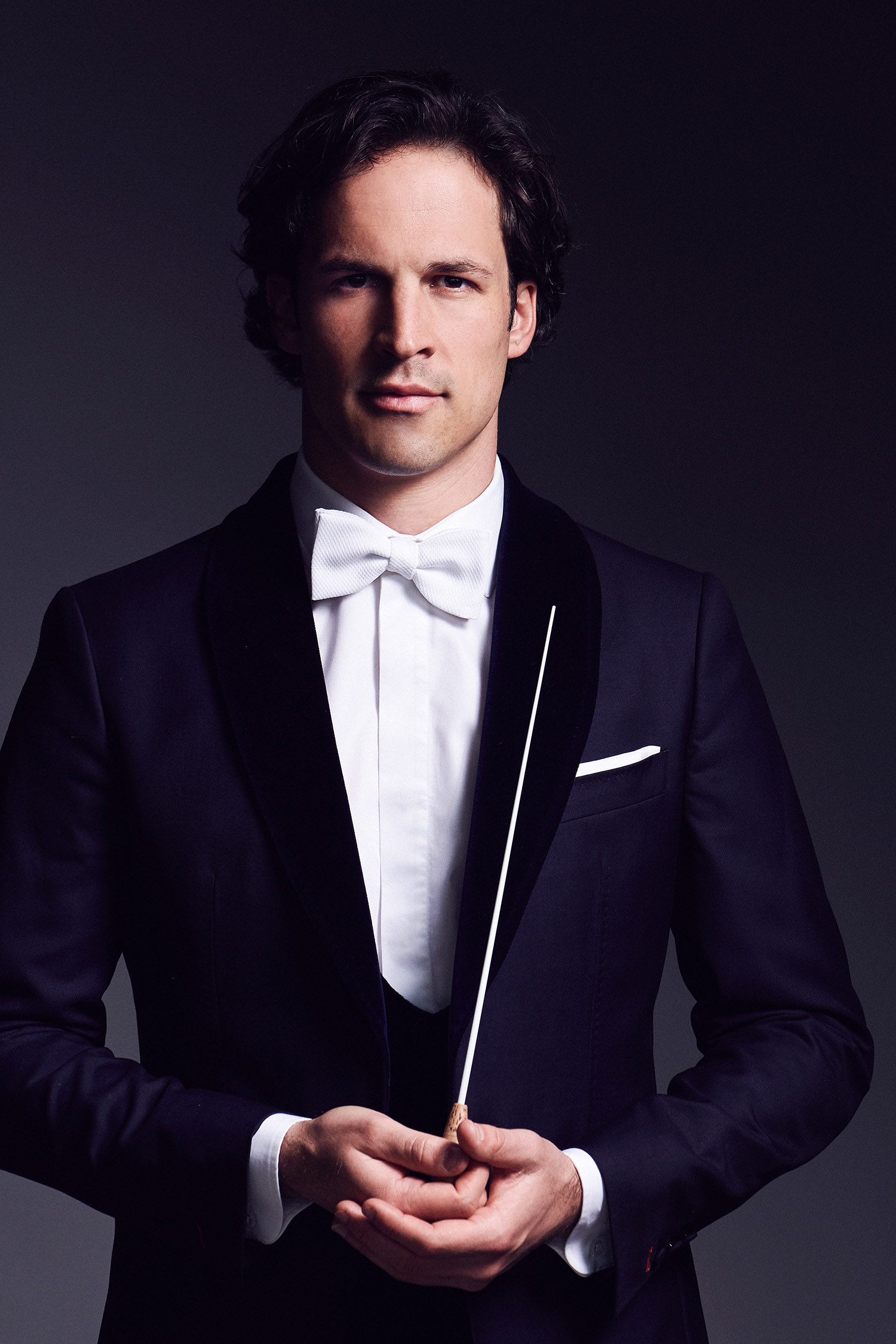
The festival will also welcome the London Philharmonic Orchestra as its orchestra-in-residence. Led by principal conductor Edward Gardner, the ensemble will bring a distinctly British voice to the festival, appearing in a series of concerts ranging from Mendelssohn and Brahms to Mozart and Mahler.
Among the highlights is a concert pairing Mendelssohn's Symphony No 3 in A Minor, Op 56, with Mozart's Symphony No 40 in G Minor, K 550, with baritone Liao Changyong performing four arias from Mozart's masterpiece, The Marriage of Figaro.
Mozart's Piano Concerto No 20 will be performed by German pianist Gerhard Oppitz, before the program turns to Brahms' Symphony No 2. Finnish conductor Hannu Lintu will lead the Singapore Symphony Orchestra in Mozart's Sinfonia Concertante for Violin and Viola, followed by Mahler's Symphony No 1.
Pianist Oppitz will join clarinetist and conductor Andreas Ottensamer and the Shanghai Quartet for Mozart's piano quartets, as well as the composer's string quartet arrangements of Bach's The Well-Tempered Clavier.
Violinist Ning Feng will take on both soloist and conductor roles, performing all of Mozart's violin concertos in a single evening with the Kammerakademie Potsdam. Written when Mozart was not yet 20, the concertos will trace the astonishing speed with which the young composer developed into a mature musical voice.
Opera has long been one of the Beijing Music Festival's defining strengths. Over the years, it has introduced Chinese audiences to works ranging from Wagner's Ring Cycle to 20th-century masterpieces by Shostakovich and Benjamin Britten, as well as contemporary works.
This year, two very different operas will take the stage: Mozart's The Magic Flute and Handel's Giulio Cesare in Egitto.
The Magic Flute, one of the world's most frequently performed operas, combines singing, spoken dialogue, fairy-tale imagery and philosophical ideas. This new production is jointly presented by Opera Hong Kong, State Opera South Australia, the Beijing Music Festival and the China National Opera House.
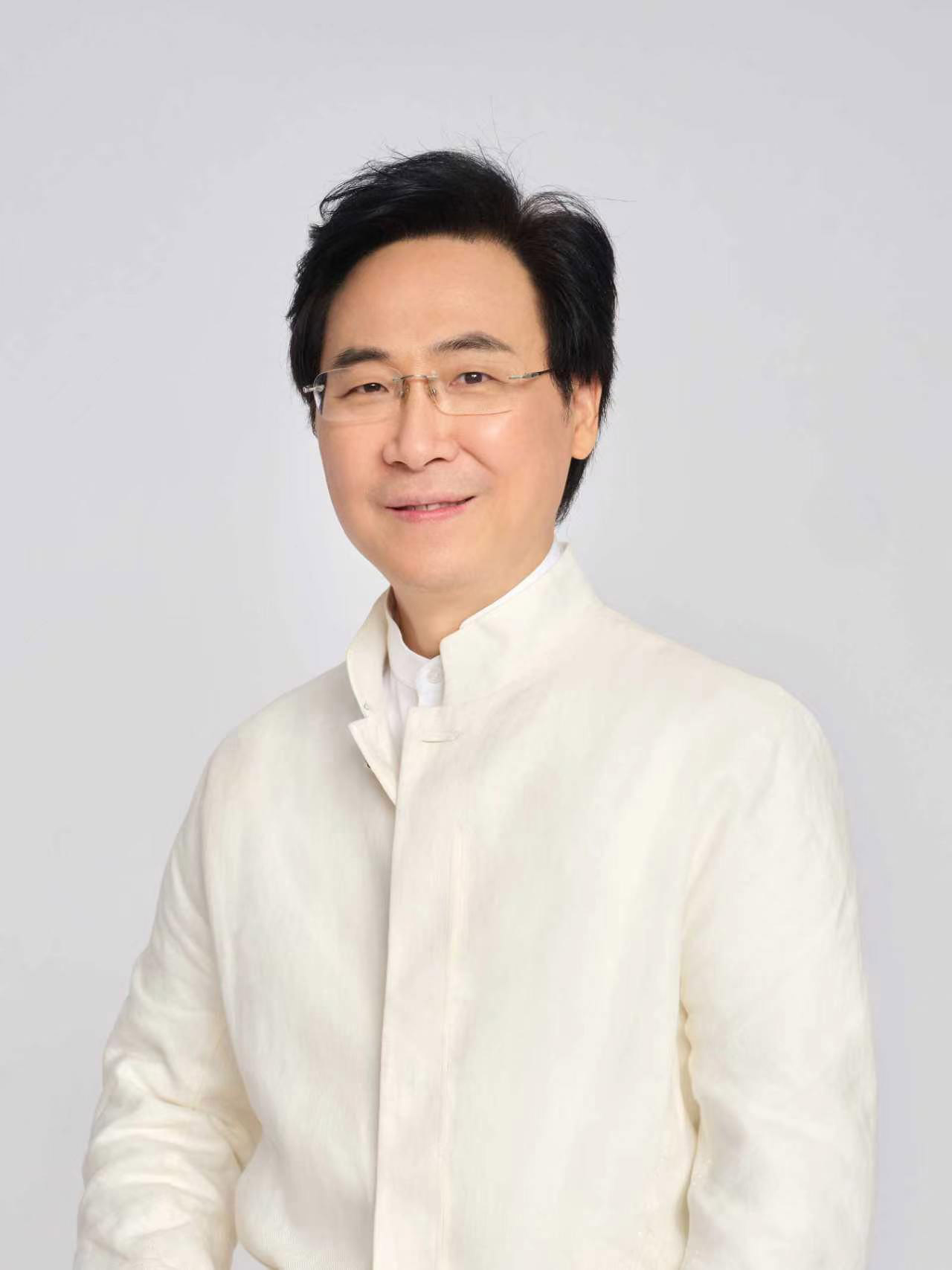
Beijing Music Festival's artistic director Zou Shuang will direct the production, relocating Mozart's German-language fairy tale to a contemporary urban setting.
"We are not simply reproducing a traditional fairy tale," Zou says. "We are reconstructing it in a 21st-century city, as if the magic were happening around us."
For Zou, the opera's enduring appeal lies in its universality.
"Opera is for everybody," she says. "He wrote an opera that belongs to everyone. It's one of my favorite operas."
Under the baton of Australian-Chinese-Singaporean conductor Dane Lam, the production will be performed at the China National Opera House, with the London Philharmonic Orchestra and singers from around the world.
Handel's Giulio Cesare in Egitto, meanwhile, will receive its first Chinese stage production since its premiere in London in 1724. Presented by the China Philharmonic Orchestra in a semistaged production, the opera follows the turbulent relationship between Roman general Julius Caesar and Egyptian queen Cleopatra, weaving together power, revenge, love and political intrigue.
With elaborate scenery stripped away, the production will put the spotlight on Handel's virtuosic arias and the emotional power of the singers and orchestra.
Mozart may provide the festival's musical spine, but the program refuses to stay within the boundaries of classical music.
The closing concert on Oct 20 will bring together conductor Yang Yang, the Beijing Symphony Orchestra, young pianist Ju Xiaofu and Chinese rock pioneer Cui Jian for a crossover gala program.
The first half will return to Mozart's world through works including Leopold Mozart's Toy Symphony and Chopin's Variations in B-flat Major on La ci darem la mano, Op 2, which is based on a theme from Wolfgang Amadeus Mozart's Don Giovanni.
Then the atmosphere will change.
Cui will bring some of his best-known songs, including Flower Room Girl and Fake Monk, into dialogue with the symphonic orchestra, giving songs that have shaped generations of Chinese listeners a new musical dimension.
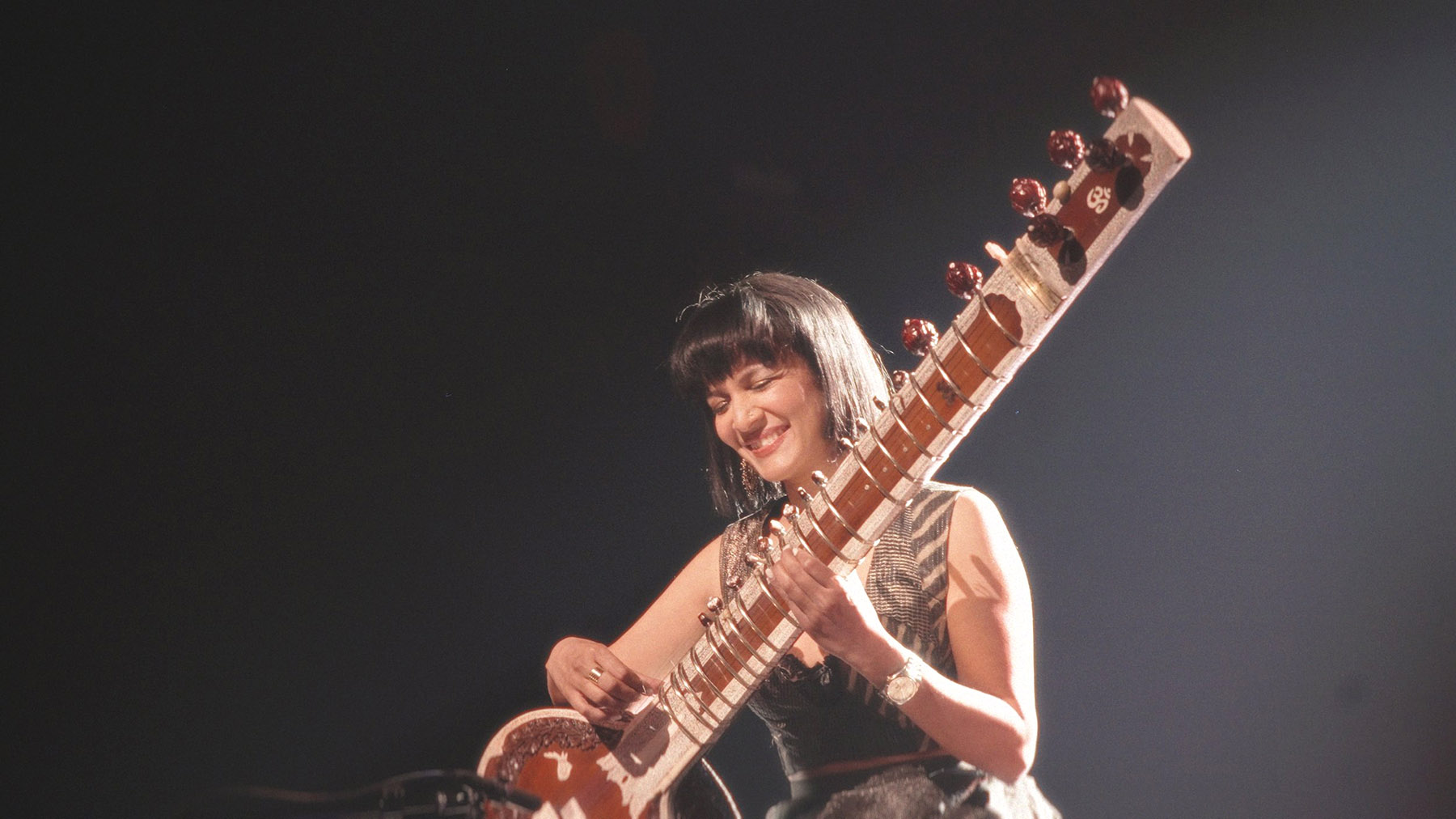
The festival will also welcome sitar virtuoso Anoushka Shankar to China for the first time, with Beijing serving as the opening stop of her Chinese tour.
The daughter of legendary sitar master Ravi Shankar and a 13-time Grammy nominee, Anoushka moves freely between Indian classical music, contemporary rhythms, minimalist influences and improvisation. Her program will include original and collaborative works alongside her father's Fire Night and a piece created with her sister.
ALSO READ: Music festival harmonizes past and present
The festival will also spotlight younger musicians through its long-running "Blue Bird Project", which has helped introduce emerging Chinese artists to international stages.
This year's "Blue Bird Project" will take place at the Divine Music Administration, located inside Beijing's Temple of Heaven. The Divine Music Administration was first built in 1420, and is one of five major structures at the Temple of Heaven, an imperial sacrificial altar. It was the highest ritual music academy for training and practicing imperial sacrificial music.
In Sanlitun, a popular shopping area, classical music will leave the concert hall altogether. The program will bring outdoor performances into one of Beijing's busiest commercial areas.
Contact the writer at chennan@chinadaily.com.cn
