

De-escalation signals emerge as IRGC says deal reached on revenue sharing
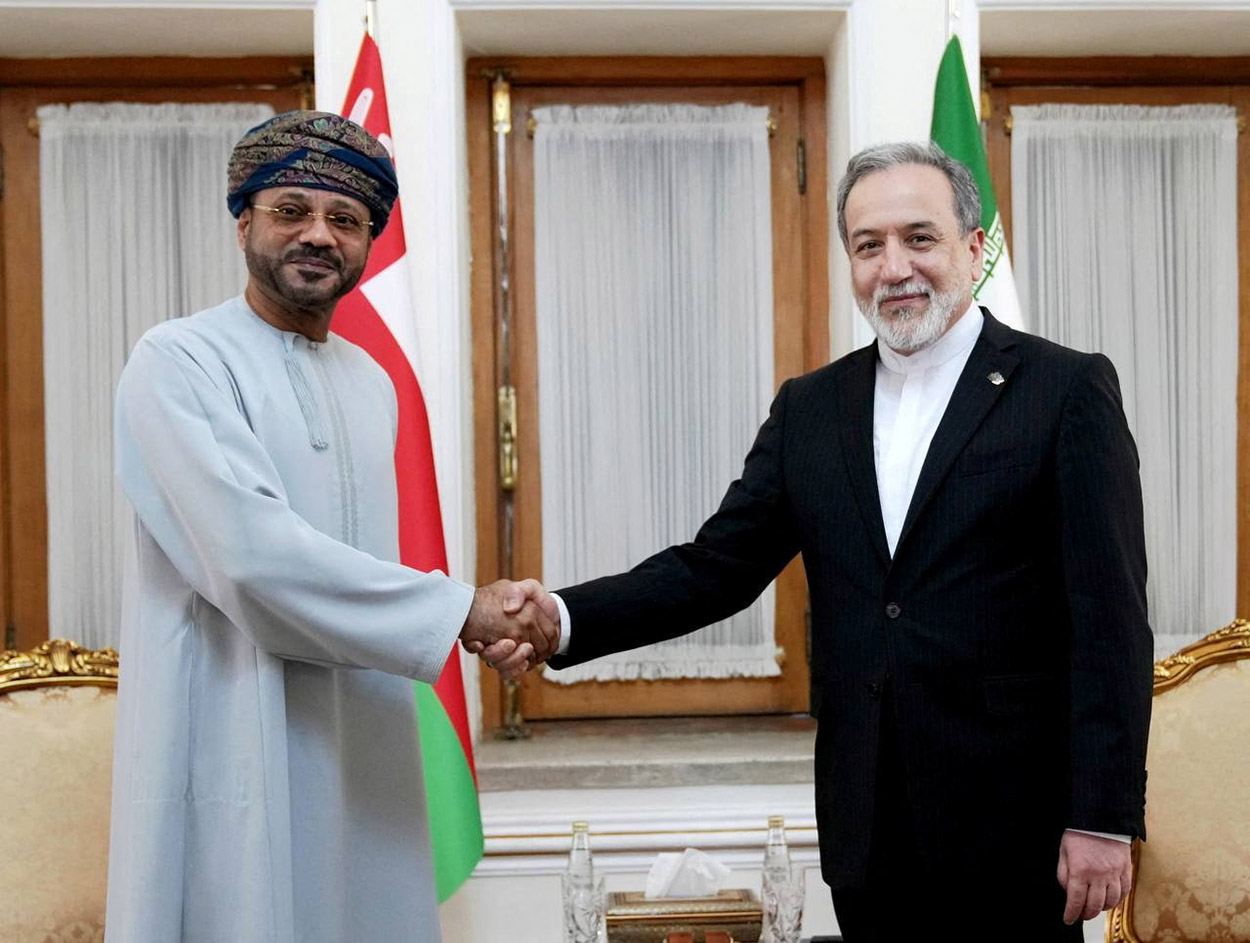
While Iran and Oman have floated proposals for a temporary transit corridor and joint mine-clearing operations for the Strait of Hormuz, Tehran warned on Wednesday that the critical waterway would stay shut unless the United States brings an end to the nearly six-month-old conflict.
Iran's Islamic Revolutionary Guard Corps said that agreements were reached on the share of the Strait of Hormuz's waters allocated to Iran and Oman, as well as their respective shares of revenues generated by the waterway, during talks between the two countries, Tasnim news agency reported on Wednesday.
The development came as Washington has rolled out what it calls the "toughest economic sanctions" designed to further isolate Iran, with US Treasury Secretary Scott Bessent threatening the country with "economic asphyxiation".
READ MORE: IRGC: Hormuz won't be opened if US refuses to accept Iran's conditions
In Tehran, foreign ministers from Iran and Oman discussed a "phased framework" that included setting up a "joint temporary navigational corridor through the Strait of Hormuz and an agreement to implement a joint project to clear the Strait of mines", according to a statement.
Iranian Deputy Foreign Minister Kazem Gharibabadi told state television the two sides had reached an understanding on a temporary route. Vessels sailing into the Persian Gulf from the Gulf of Oman would travel entirely through Iranian waters, while outbound traffic would travel through both countries' waters. He added Iran and Oman would then hold negotiations over 30 to 60 days to "reach an understanding on a new permanent and sustainable route".
Showing commitment
Iran's Foreign Minister Abbas Araghchi said on Tuesday that the proposed framework is "a case in point", demonstrating his country's "commitment to peace and stability matched by steadfast diplomacy with our neighbors".
Omani Foreign Minister Sayyid Badr bin Hamad bin Hamood Albusaidi said on Tuesday that he hoped Iran and Oman would "soon announce" the temporary corridor. "Future management of the strait and a permanent solution will follow in due course," he wrote on social media.
It remains unclear whether the US will endorse the emerging deal. US President Donald Trump threatened last week to bomb Oman should it "get in the way" of Washington's push to reopen the strait.
Nearly six months after the US-Israeli military campaign against Iran began, shipping traffic across the Strait of Hormuz remains largely paralyzed, roiling global oil markets.
Trump previously said on social media, citing the US Navy, that "all mines have been removed and/or detonated from within the international waters of the Strait of Hormuz".
But Gharibabadi warned on Wednesday that no military vessel would be allowed to pass through the strait. "We closed the Strait of Hormuz before the US imposed an economic blockade because the US failed to fulfill its commitments under the memorandum of understanding," he told state news agency IRNA.
Meanwhile, the US has begun returning diplomatic staff members to some Middle East missions that were evacuated or downsized during the conflict, two people familiar with the matter told Reuters, suggesting Washington sees a lower risk of the conflict with Iran escalating in the near term.
ALSO READ: US ups unilateral sanctions on Iran
The New York Times earlier reported the return of diplomats and the easing of emergency measures, saying embassies in Jordan, Oman, Kuwait and Qatar were also expected to restore higher personnel levels, citing an internal document.
US embassies in Israel, Jordan and Oman would ultimately return to full staffing, while missions in the United Arab Emirates, Saudi Arabia, Qatar and Lebanon would initially be capped at 85 percent staffing.
Russian news agency RIA Novosti reported on Tuesday that the US and Iran had reached a ceasefire agreement, including free navigation in the strait, citing Pakistani military and Iranian security sources.
Agencies contributed to this story.
Contact the writers at cuihaipei@chinadaily.com.cn
