

Chan: Welcome to Straight Talk with Eugene Chan Kin-keung. With me is Tony Wan Wai-ming, president of the Hong Kong Institute of Surveyors. Wan has more than 30 years of experience in general practice surveying. He has played a leading role in advancing the surveying profession, promoting building safety and sustainable development in Hong Kong. He is also actively involved in public and community service, particularly in promoting a safer built environment. Welcome to Straight Talk for the first time, Tony!
Wan: Hi, Eugene.
Background
Chan: It's great to have you here. I know that you've been the president for nearly six months, and congratulations. And before we start our main discussion today, which is “How safe are the buildings that we call home?” maybe you can explain to the viewers what exactly the surveyors do and how you are related to making sure our homes are safe.
Wan: Oh, that's a good question. Normally, in general public views of point, they think they're surveying are concerning measurements. But in reality, we do a lot of things about the real estate market. In our institute, there are totally six divisions covering different kinds of jobs. Say, for example, my division, general practice division, normally talking about money. We're doing valuation, asset management – all the things. For building surveying, they are concerning the health of those building structures, so-called building doctors.
And for quantity surveying, they are concerning the cost of construction, in particular for those building contract things. For property management and facility management division, they are concerning daily property management issues.
Chan: Right.
Wan: For planning and development, of course, as the name already tell, their scope is about town planning and real estate development. And, lastly, is land surveying; it's about mapping and also some spatial data collection and consolidation.
Chan: Right. So, President, out of the six divisions, they are, kind of, all related to part of the buildings, right?
Wan: Right.
Chan: So, with the topic that we talk about today, given all that happened recently, it must be the building division that is the most relevant, isn't it?
Wan: Yes.
Chan: I'm going to ask you, as president, a very direct question. How safe are the buildings we call home today?
Wan: Generally, I think most of the buildings in Hong Kong are safe. Because of the aging of the buildings, some buildings need some sort of daily repairs, routine repair maintenance, to ensure safety, not only for the occupiers, but also the general public. Say, for example, if there is something that dropped from the building and then hurt some people, it will endanger public health. That's why we sort of support the government mandatory building inspection scheme to regularly check the health of the building.
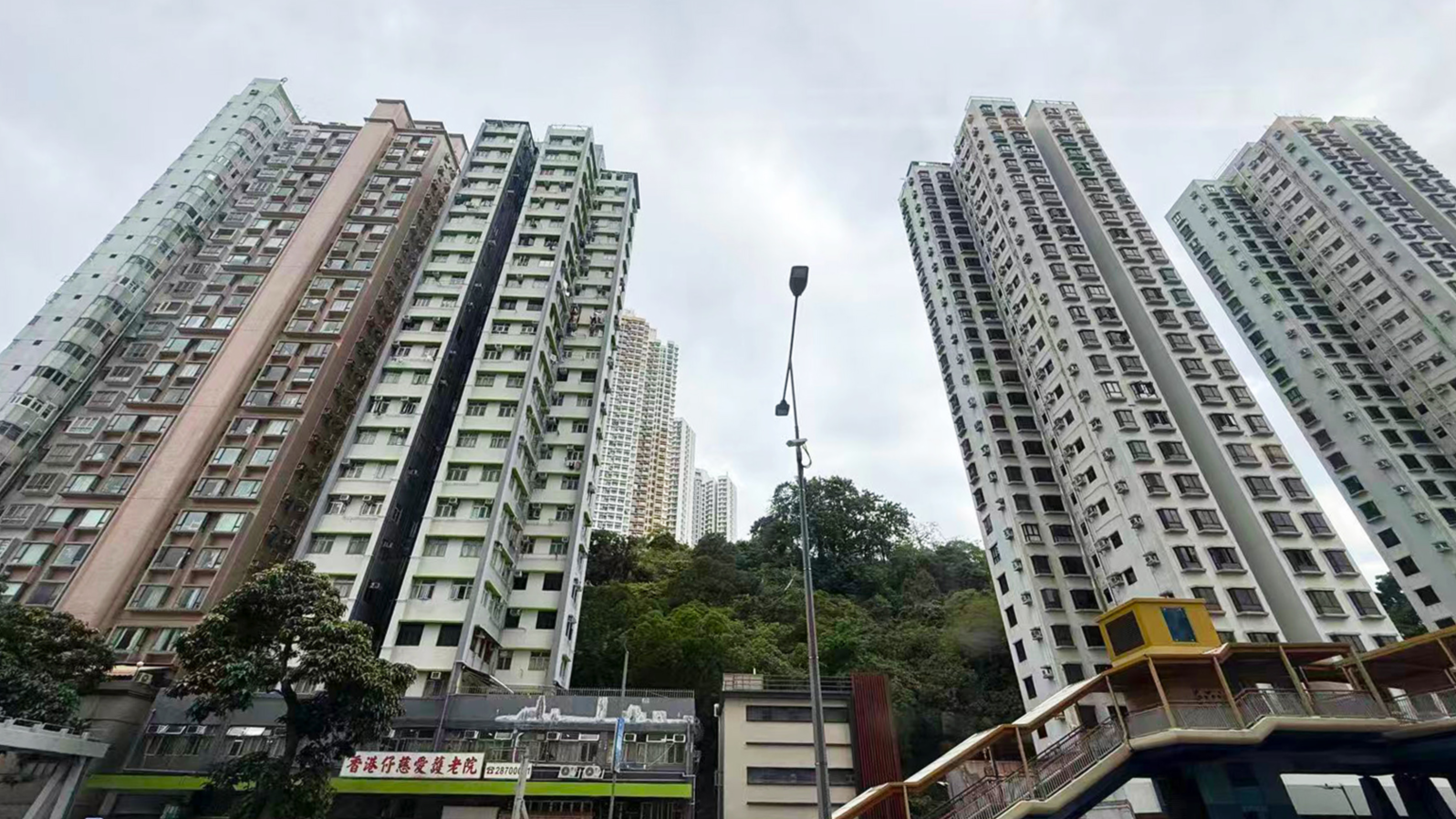
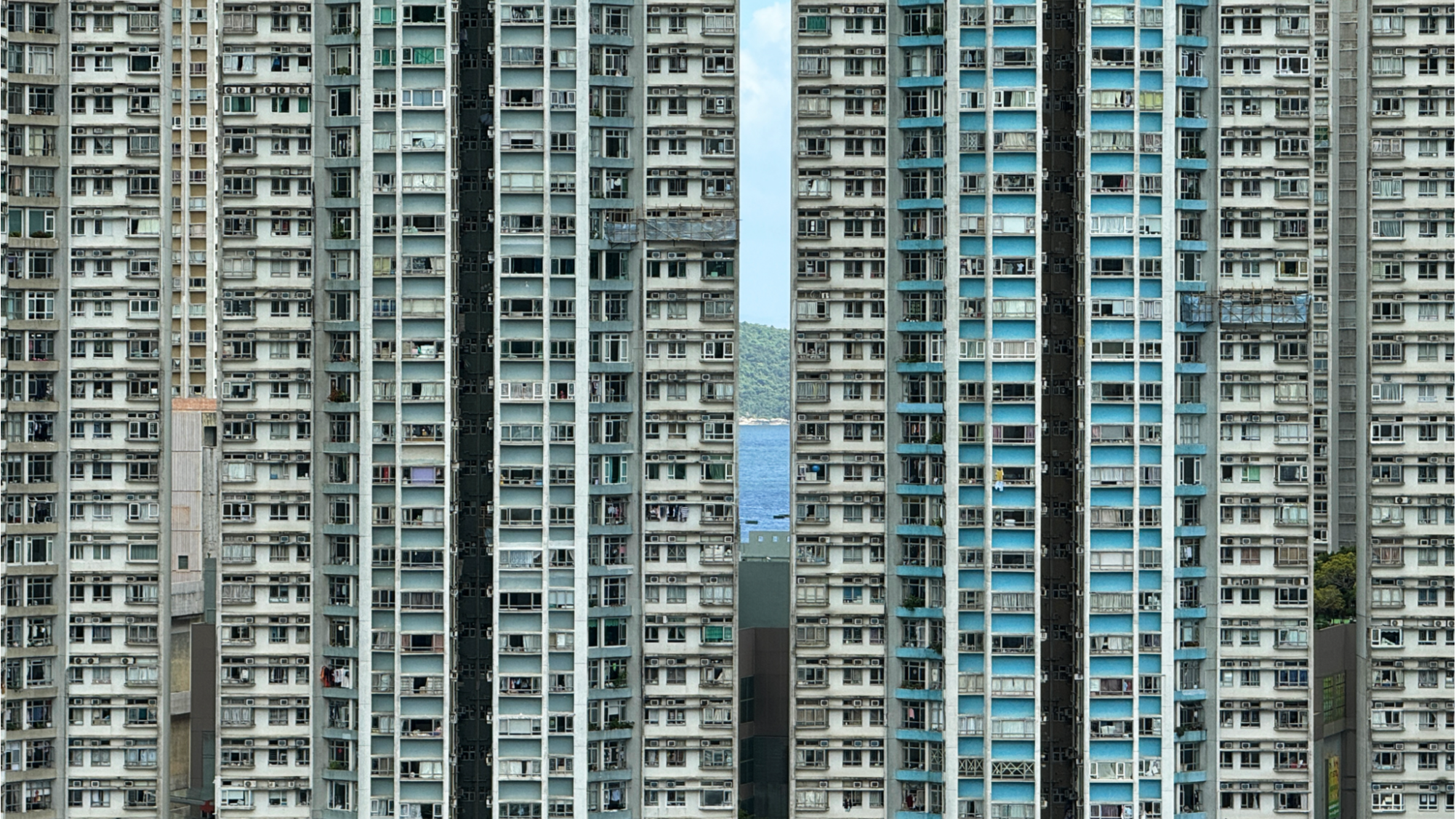
Chan: Right. I've just done some homework. Hong Kong is home to nearly 2.8 million households. And as Secretary Bernadette Linn (Hon-ho) said to us last year, we seem to have quite a so-called building crisis because around 29,000, more than half of our private buildings, are over 30 years old and 10,000 of them actually are over 50 years old.
Wan: When you talk about 30 years or 50 years, I'm not too worried because if you go to some of the European countries, Western countries, you see a lot of building of hundreds and hundreds and hundreds of years.
Chan: So, why are we concerned when they're only 30 or 50 years? Why do we still have this mandatory building inspection scheme?
Wan: Theoretically, we can rectify this situation by redeveloping those old buildings, but in reality, we cannot catch up with the aging speed of those buildings. That's why we have to upkeep our buildings regularly. And the problem is some of the buildings, even they are owned by some people who are not rich. They are not well educated. And some even have no sort of parties to look after their safety.
Chan: I see.
Wan: For example, some buildings are more than 50 years old. You can normally see they have no property management, no BMC, no sort of people getting out to upkeep the condition of the buildings. That's the worry of our secretary.
Chan: Right. So, let's put it in this perspective. If one of your colleagues, one of your specialist colleagues, is going to inspect your buildings, what will be their view, saying what will be the biggest risk associated with an aging building block, for example?
Wan: I would say for those with proper property management, they, of course, will have low risk for that kind of aging building. But for those very old, without proper daily property management buildings, we are worried.
Chan: Okay.
Wan: And then as a professional institute, we should put our focus on those buildings and urge the general public to take care of them.
Chan: That's the reason why we have this show today, to explain to the viewers that we have a lot of aging buildings. So, what would be the most common issues that you encounter, say, for in an aging building, even sometimes even if they have good management, they have good personnel looking after the building, what would be the most common issues that you find?
Wan: First of all, they do not have regular check of the building condition.
Chan: Right.
Wan: A lot of problem actually is concealed and you don't know when will be the problem.
Chan: I see.
Wan: Say, for example, maybe you look at the wall of the building, you cannot see any crack. But at the back, actually, there are some cracks already.
Chan: I see.
Wan: And maybe sometimes they will drop down and then hurt some people.
Chan: That's the reason why we see concrete falling onto pavements in the past.
Wan: Exactly, exactly. That's why the government promulgated the program of Mandatory Building Inspection Scheme. They asked the owners of buildings which are more than 30 years old to do regular checks. Upon the checking, upon the professionals submitting their reports, they can identify the problems and do some remedial works to ensure safety.
Chan: Right. I was just thinking, apart from the structural deterioration, whether you might see it all being concealed, there're always the most common problems of water seepage, water leaking, aging pipes, or even what we call the electrical systems being failing. Because last week, when we had CLP Joseph Law here, we talked about the power outage at Tsuen Wan Center, which lasted for days. The main reason is the problem with the internal circuitry, because of aging building. Is that common?
Wan: I think it depends on the condition of those buildings. Keep in mind: all those buildings right now are aging. Those problems will come out gradually. In particular, those equipment become older and older and deteriorate because of aging. I think those problems will arise. You cannot stop. You can do some prevention work by checking. And then you can do some replacement. Bear in mind that if those equipment or the structural part of the building become dilapidated …
Chan: Right.
Wan: … then they will not only affect the occupier's wellness, but also the safety.
Chan: Okay.
Wan: Say, for example, you just mentioned about the electricity. If the electricity plant is broken down, maybe it just affects your daily use, right? But if it burns, then it will affect the safety of the occupants as well as the surrounding people.
Chan: Right.
Wan: That is the concern of society.
Current building management system
Chan: Right. I know that your institute has just released a review report and recommendations on maintenance works of private buildings in Hong Kong. So, why is this report only coming out now? And actually, the direct question is, why now? Is it because of the Wang Fuk Court tragedy or it just happened to be at the right time?
Wan: Absolutely not. We have, from time to time, provided advice to the government as well as the general public about building maintenance and repair. Back in 2014, we suggested the government to form the Building Repairs Bureau to look after the issues as a whole.
Chan: Right.
Wan: Not just now to prepare the report. But because of the incident, we think that we have to consolidate all the market information and then provide a sort of overall review as well as recommendation to the general public. That's why we have that kind of working group formed.
Chan: Right. All right, President, let's go for a short break now. We'll be back with more Straight Talk.
BREAK
Chan: Welcome back to Straight Talk. We continue our conversation with Tony Wan, the president of the Hong Kong Institute of Surveyors, about Hong Kong's aging buildings and how we can make them safe. So, President, before the break, we just touched on the fact that you have a report that's just been released. I think I'll use the word “very timely” for Hong Kong residents to understand more about what they should do about their homes. Based on your findings, what will be … from your point of view, where are the biggest weaknesses in Hong Kong's current building maintenance scheme?
Wan: Basically, we ran well in the past, but because of some bad guys, I would say, they collude together and then they make up the story to get the contract and then do the maintenance work very badly. And then, in terms of the quality as well as the sort of protections, all those things, that aroused the interest of the public, we have to tackle that kind of problems. We have just done the report through consultation of over 40 parties in the market, not only from our own sort of professional insight, but also from the markets.
Those parties include LegCo members, those contractors, those market stakeholders like other professionals, like architects, sort of things. We collect their views and found that some of the problems were attributed to sort of collusion of some parties that worsened the quality of the repair works.
Chan: Right. Would you say that that's part of the … I mean, we know the Wang Fuk Court investigation is still undergoing committee findings, but let's not go to jump to any conclusion. But there are some signs that some sort of, as you said, collusion or possible corruption, et cetera, is being involved. Has this been a long-lasting, well-known phenomenon? Or is it a one-off incident recently?
Wan: I think that kind of problem should be long-lasting. But that problems were not so obvious in the past, or just maybe they do it under the table, not so openly. For those repair and maintenance work, because of the aging of the building and the demand for that kind of repairs, is increasing. They find that this is a market for them to do the collusion. And then we should put our focus to deter their sort of bad work in this area. I think we have legislation to sort of discourage that kind of things, like the ICAC, all those things.
Chan: So, what you're saying is, even with knowledge of being … say, for example, the viewers are watching the program now, a lot of them may be serving on their own estate or buildings management committee. After listening to the president, okay, we must do this regularly, get the professionals to help us. But would you say that inspections are enough? Because even if we are aware of such issues, the biggest challenge actually is ensuring the repairs are actually properly done. How can we do that? Because we are not professionals.
Wan: I think, yes, I agree with you. The general public, including the property management guys, may not have the sort of professional knowledge to do the sort of large-scale repair maintenance work. They need some sort of external professional input like surveyors. But we also need to set up a system to protect the whole process, to ensure the whole process are fair and open and with sufficient sort of measures to avoid collusion inside. That's why we are proposing some steps for general public to follow.
Chan: Right.
Wan: Hopefully, through each step, they can have to check and balance things to ensure the sort of employment of those consultants and contractor are fairly played.
Chan: Right, okay. So, the message to the viewers will be, I think, what we call preventive maintenance. I mean as a dental professional, we know that prevention is very important. So, prevention is the thing to do.
Wan: Yes.
Chan: And engage professionals and do that earlier when things may be less costly, isn't it?
Wan: Yes, that may be costly, but because of the safety of the general public as well as the occupier, we need to do that.
Chan: Right.
Wan: And also, we need to find out the problem in advance instead of waiting the problem to come out, right? And therefore, we need the sort of inspection to do in advance. But the process that makes some people or make the environment that some bad guys have the chance to collude.
Chan: Right.
Wan: And then we have to tackle that kind of problem.
Chan: Right.
Whose responsibility?
Wan: And actually, we have reviewed the existing sort of system right now being run in the market. We find that some sort of responsibility is too focused on some people. Say, for example, right now the procedure is we employ an inspector to do the inspection report and this inspector also has the responsibility to suggest the way to rectify the problem …
Chan: Exactly.
Wan: … and also to do the tender. All sorts of responsibility rests with that inspector. We think that it may have some problem on him and also that will be the sort of reason for him to be lured by some bad guys.
Chan: So, what you're saying is along the current system we have sort of what the right thing to do, but there are always temptations, there are always weaknesses in the system that could be without enough safeguarding the public interest. Let's ask one of … let's ask you another question, talking about the owners committee or management committee, which I had the privilege to serve on a few. I mean they're all volunteers. Have you seen, I mean it would be good if all the owners are educated or they all have the same vision to make the building better. Have you seen sort of such so-called poor governance leading to even more problems in buildings in your experience?
Wan: I cannot say …
Chan: If they didn’t get along, for example.
Wan: … I cannot say poor governance, but I would say that is fragmented governance, because of different parties looking after different things and control different things, monitor different things. But there is no consolidated authority to look after the things as a whole.
Chan: President, let me ask you even a more direct question. With what's happening to Wang Fuk Court, you know, there's possible allegations to the owners' committee, and I've actually been through one committee recently at AGM. Some of the volunteers are worried whether they should still be serving on the committee because it's just helping people. They don't want to get into trouble. Is that an over-concern? Or how can you suggest that all the committee will have sort of the knowledge in their mind that everything is going to be fine provided they follow the rules?
Wan: I think to a certain extent, the government or some public authorities should step in some procedures to ensure the fairness and openness of that kind of procedure. While on one hand, that will give confidence to all owners for the whole process, on the other hand, that will help disclose all the things, then they can consider everything in detail.
Chan: Right.
Wan: Because of, maybe, the lack of knowledge of those owners' committee or their intention to hide the details of something because of maybe collusion or some special relationship with some contractors. The matter eventually goes wrong because of the wrong decision made by the owners.
Chan: Right.
Wan: I think a certain percentage of the participation of the government or some public authority into the process will make the things much, more open and fair. And actually not only that, I mean they will actually protect all the volunteers that they don't get into unnecessary accusation which is totally groundless as well. Yes, say for example, right now the URA offers this smart tender system. Those owners if they fulfill certain criteria, say for example, if they are under the MBIS scheme they can apply some subsidy from the URA and then they can make use of the smart tender system, the platform, to get hold of some inspector lease, contractor lease sort of things.
Chan: I see.
Wan: Then they can do the tender through the system, right? But the thing is, because of the vetting of the background of the registered inspector as well as the contractor is not sufficient.
Chan: Right.
Wan: They have not thoroughly checked the background. We don't know if they are a bad guy or a syndicate.
Chan: Right.
Wan: Then we may, by incident or by mistake, hire those bad guys, contractors. And then eventually the whole repair will go wrong.
Chan: Right. So let me ask you one final question because time is running out. Even with those issues, hopefully the government will step in, and I think in your report you suggested the establishment of a Building Maintenance Bureau, which I think is a good idea. To sum up to the viewers, are homes safe now?
Wan: I think so, but we need to keep a close eye on it because the building is keep aging.
Chan: Right, right. Thank you very much, Tony, for your insight into this very important issue. Every time a serious building incident makes headlines, there is renewed public concern. Let's turn these wake-up calls into lasting change so that building maintenance becomes a culture of prevention rather than a reaction to crisis.
Have a good evening and see you next week.
