

Guangxi courts make offenders work to restore damaged environments
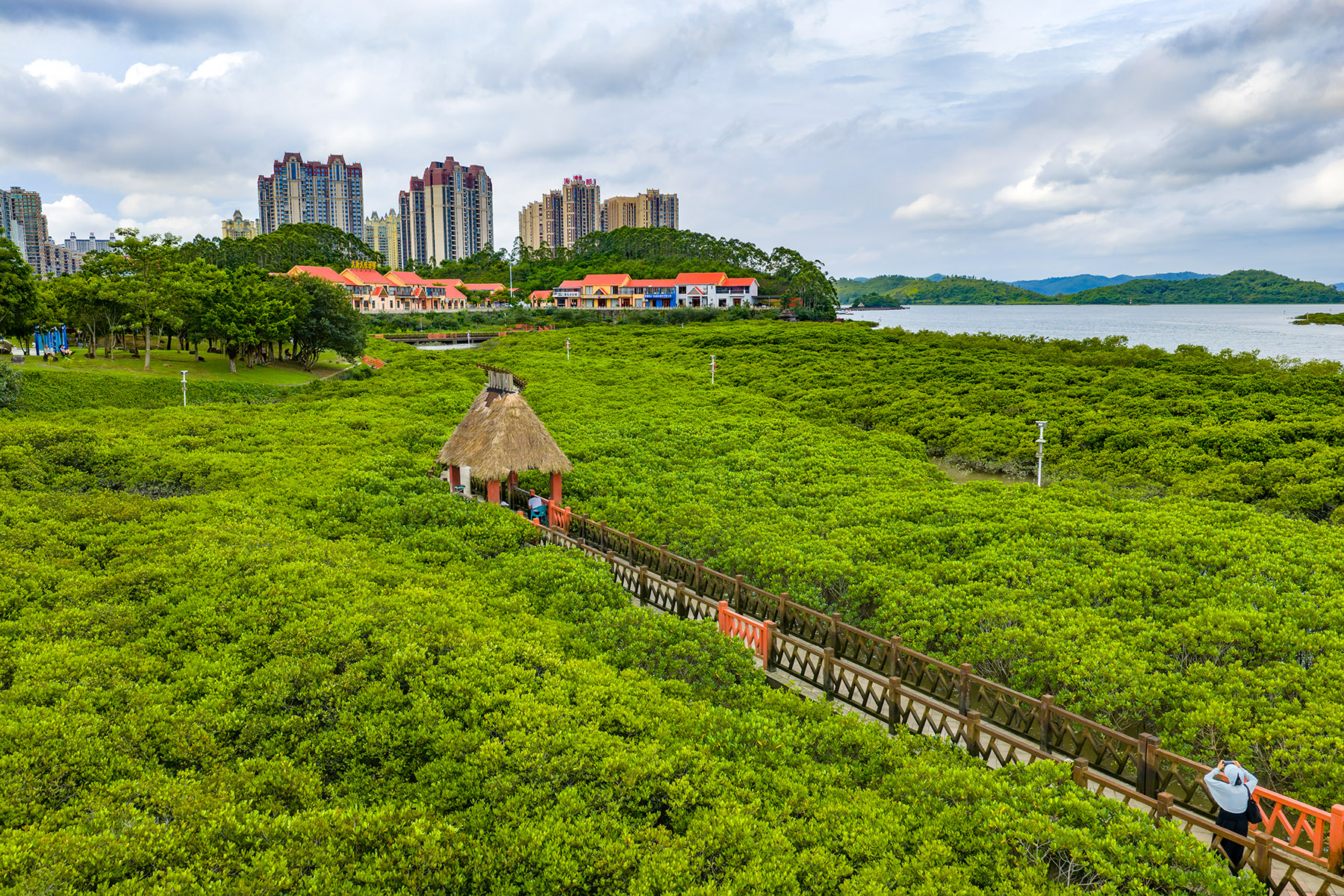
The 60-year-old defendant, surnamed Xu, stood in a district courtroom on the morning of July 22 with his head bowed, ready to receive his punishment.
He had been caught by coast guard officers last year using electrofishing gear during the closed fishing season, which runs annually from May 1 to Aug 16 in the Beibu Gulf waters off South China's Guangxi Zhuang autonomous region.
After standing trial, the Gangkou District People's Court in Fangchenggang found Xu guilty of illegal fishing.
But instead of imposing a fine for ecological damage, it meted out an alternative punishment — 75 days of marine debris cleanup, eight hours per day. The ruling took into account his financial difficulties and a recent injury that required recovery time.
The designated cleanup site is along the shoreline near his home, making it easier for him to carry out the work while also allowing community members to supervise his efforts.
READ MORE: Ecological action spurs mangrove regrowth
"I'm grateful the court considered my physical and financial difficulties and allowed me to atone through labor," Xu said after the ruling announcement.
"I've learned a profound lesson and will take marine conservation seriously, using my actions to make up for my mistakes."
His case reflects a broader shift in how courts across Guangxi are addressing environmental protection.
While punishment remains crucial, local judges are increasingly focusing on restoration and education, helping transform "destroyers" into "guardians". This approach aligns with China's forthcoming Ecological and Environmental Code, which takes effect on Aug 15 and actively encourages such alternative restoration methods.
Zero tolerance
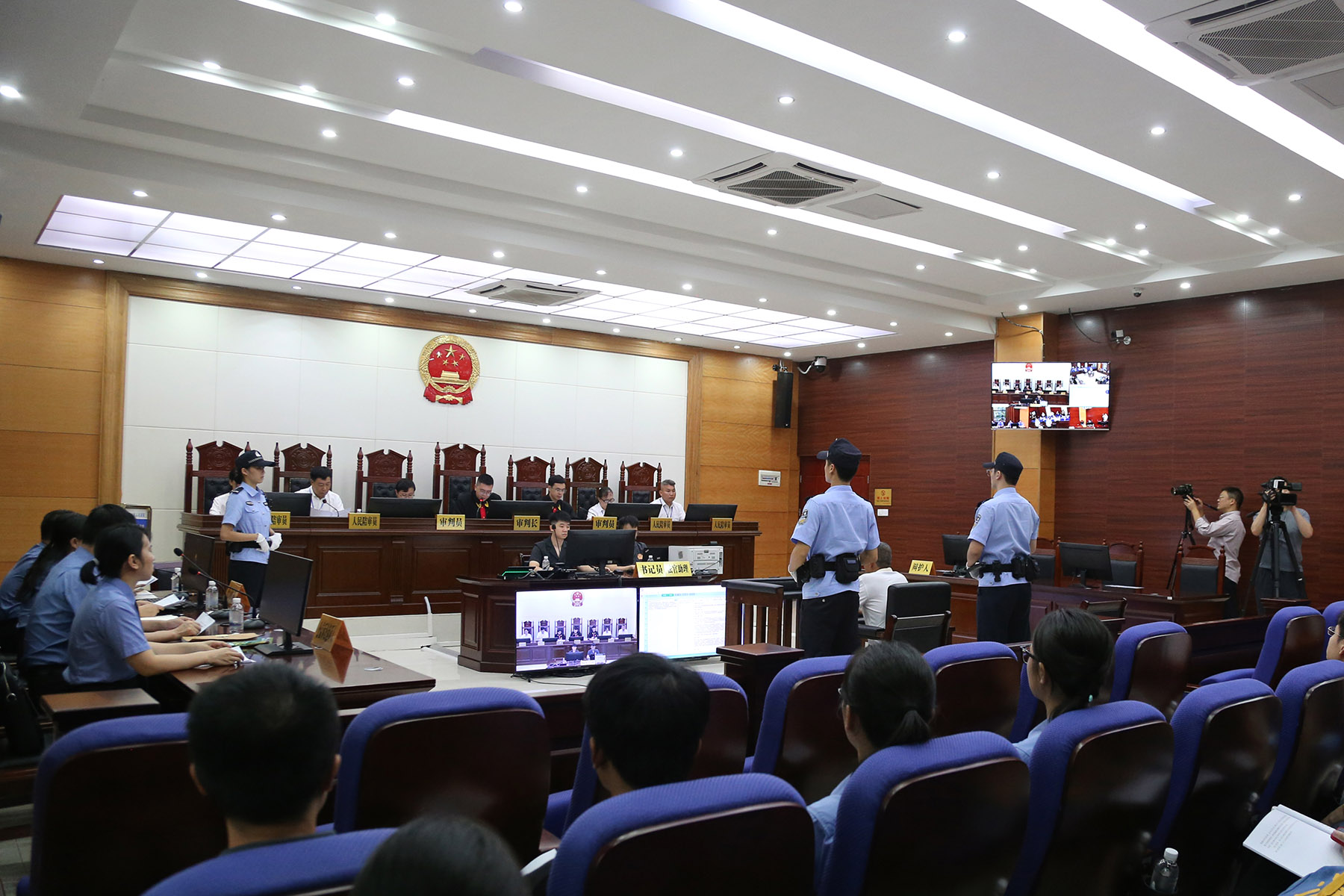
Guangxi borders Vietnam and boasts some of China's best air and water quality.
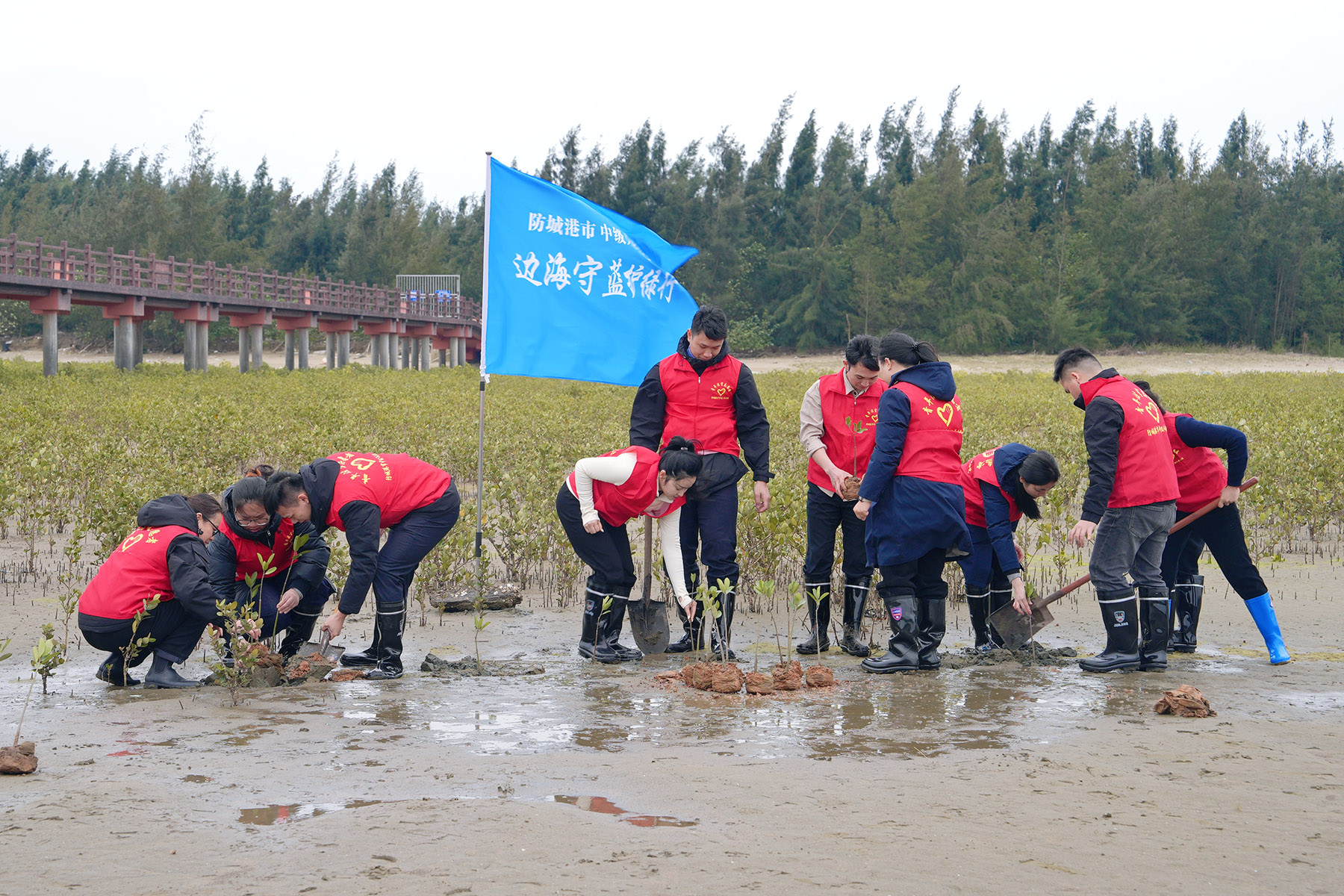
It ranks among the nation's top three provincial-level regions for biodiversity and forest coverage and is home to extensive mangrove forests that form a critical part of the Beibu Gulf ecological barrier. These mangroves not only support marine life but also protect coastlines from storms and absorb significant amounts of carbon dioxide.
Across the region, the law has served as a powerful tool for environmental protection.
From 2023 to 2025, Guangxi courts handled over 30,000 first-instance environmental and resource cases and concluded more than 28,200 of them. Among those concluded were 7,601 criminal cases covering offenses such as environmental pollution and ecological destruction. At the same time, key areas including the Lijiang River Basin and mangrove wetlands were protected along with a variety of bird species.
Between 2020 and 2024, the region's courts concluded 13 criminal cases involving mangrove destruction, sending a strong deterrent to would-be offenders.
Deng Hong, vice-president of the Fangchenggang Intermediate People's Court, likened mangroves to a "cradle" and "sanctuary" for marine life including fish, crabs, and shrimp. "These green intertidal zones are home to countless marine species, playing an irreplaceable role in wind and wave protection, coastline stabilization, and carbon sequestration," she said.
Fangchenggang has more than 2,016 hectares of mangroves, accounting for 21.4 percent of Guangxi's total.
In recent years, courts across the city have severely punished offenders who damage or threaten the mangrove wetland ecosystem. For example, from January 2025 to June 2026 Gangkou district court concluded 303 environmental and resource cases spanning civil, criminal, administrative, and public interest litigation, cracking down on illegal sea occupation, mangrove destruction, illegal fishing and other violations. These cases demonstrate the judiciary's approach to safeguarding the marine environment from multiple angles.
"While illegal fishing appears to harm fish stocks, it actually damages the entire marine environment and the habitat for mangroves — it destroys a complete ecosystem," Deng added.
Labor substitution
Beyond punishing offenders, environmental and ecological restoration is the bigger challenge.
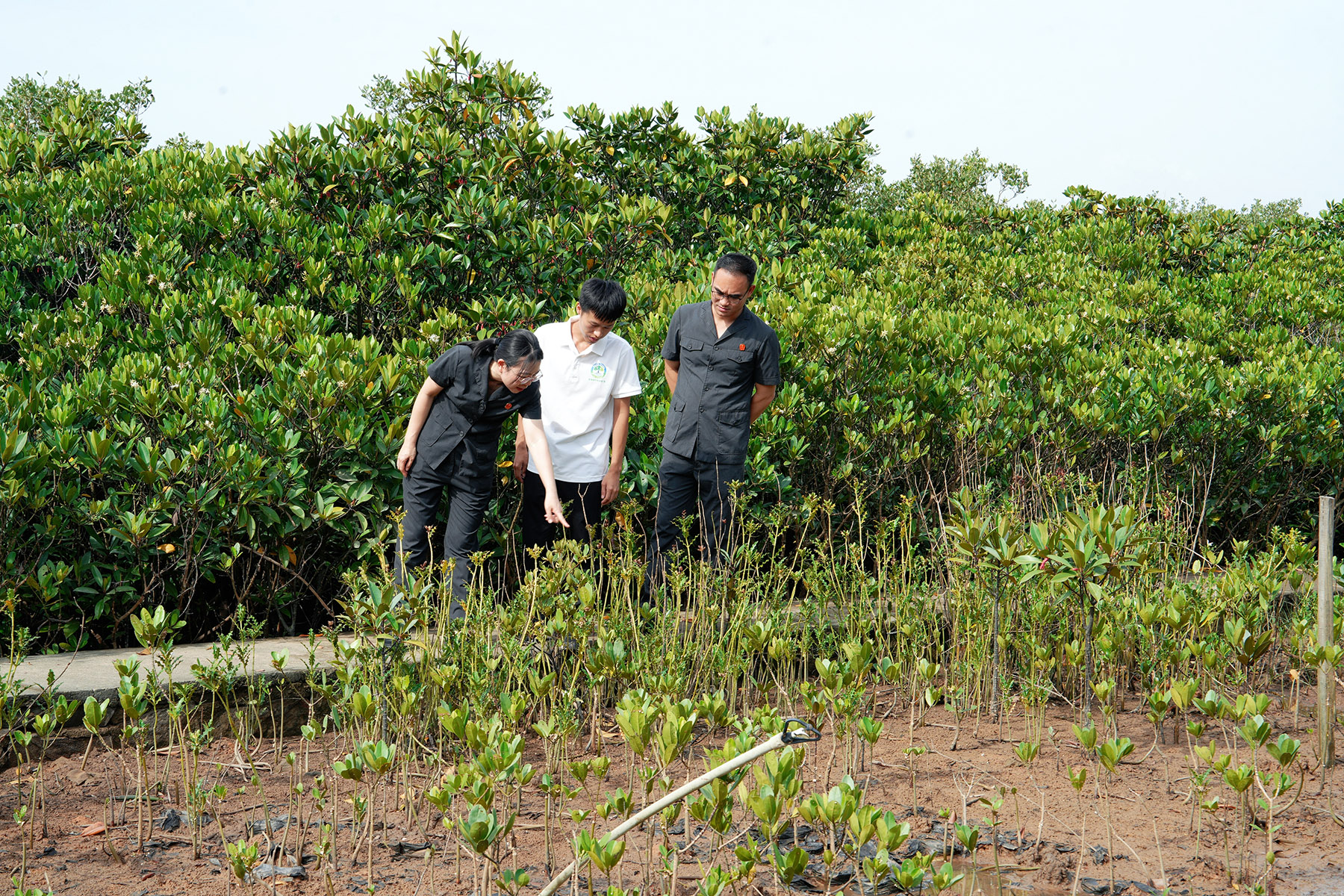
Traditional marine ecological restoration often relies on releasing juvenile fish into the sea to enhance stocks. But the costs are high and not every offender can afford it, said Tan Bangyi, who heads the criminal division at the Gangkou district court.
He pointed to Xu's case as a typical judicial practice of using "labor substitution" in lieu of cash compensation. This approach is particularly valuable when offenders are unable to pay recompense, as it ensures that some form of restoration still takes place, Tan said.
"Xu's illegal fishing directly harmed the coastal ecosystem. By locating his labor site near the affected waters and close to his home, we made it easier for him to carry out regular shoreline cleanups and marine conservation work," he said.
The court has always adhered to the principle of prioritizing ecology and making the polluter pay, Tan said.
"This move avoids situations where judgments cannot be enforced while also compelling offenders to confront the damage they caused, achieving an educational effect," he added. "It also helps the destroyers develop a personal connection to the environment they harmed."
Huang Xiaoning, presiding judge of the criminal division at the people's court in Ningming county, Chongzuo city, said substituting payment of compensation with labor reflects a balanced approach to criminal justice.
It serves as an alternative form of compensation in environmental public interest litigation, typically applied when offenders have damaged the environment but cannot afford to pay compensation.
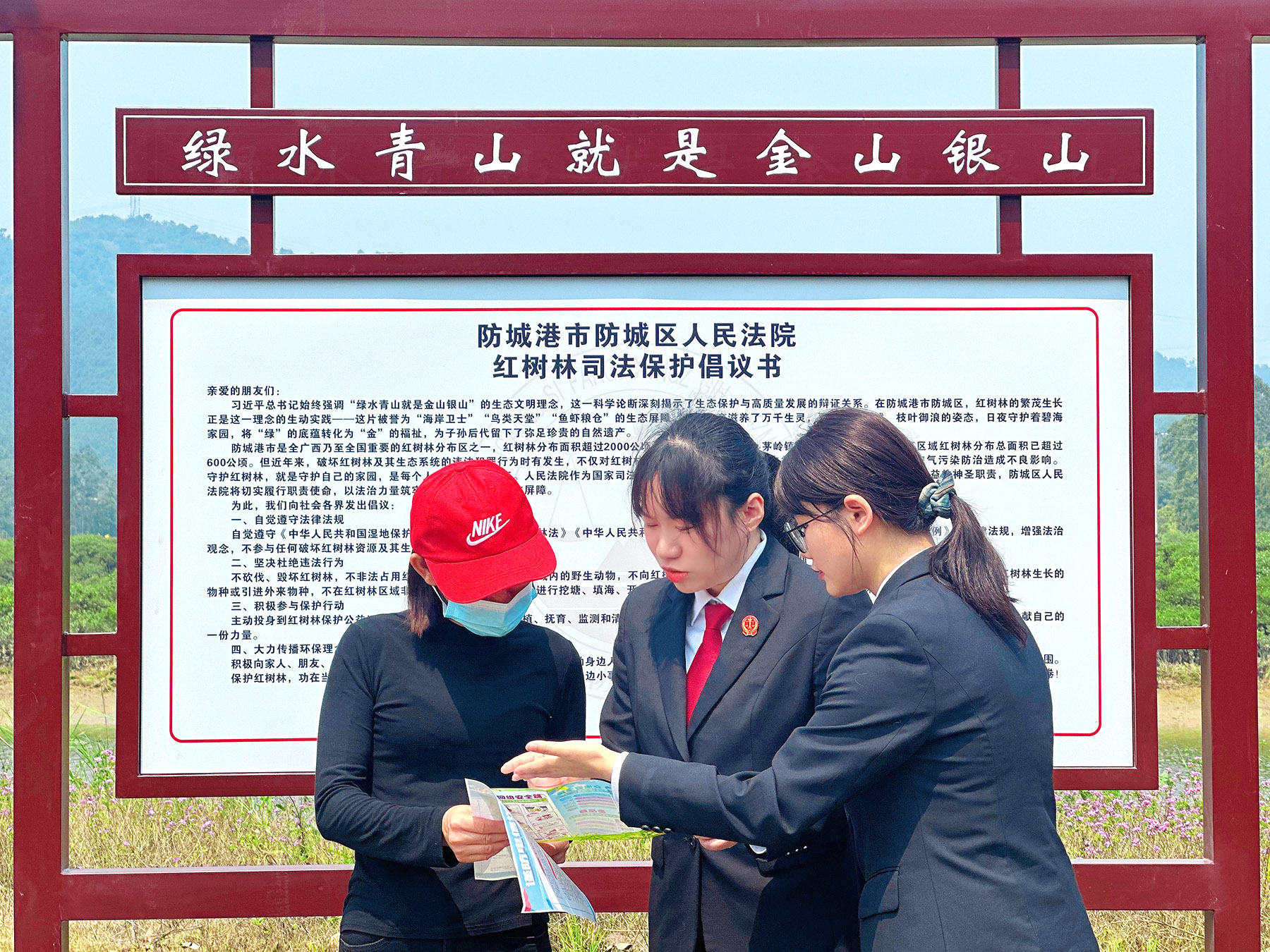
In July 2024, the Ningming court applied labor substitution for the first time. The case dated back to June 2022, when an individual surnamed Ning sold 14 endangered turtles that he had purchased illegally from a scenic area via WeChat. He was caught the following month.
The court found him guilty of illegally purchasing and selling nationally protected rare and endangered wild animals, sentencing him to six months in prison, a 5,000 yuan ($685) fine, and payment of 45,000 yuan in ecological compensation.
Given his financial circumstances, the court allowed him to serve 173 days of community service, which included patrolling the Huashan conservation area and joining environmental education efforts, instead of paying ecological compensation.
"Turning the criminal from an 'ecological destroyer' into a 'guardian of Huashan' not only serves the principle of 'who damages, pays' in environmental public interest litigation but also replaces a simple punitive approach," Huang said.
She added that community service helps offenders like Ning enhance their legal and environmental awareness through river cleanups, mountain patrols, and wildlife protection activities. "It serves both punitive and educational purposes," she said.
Guangxi is charting a new path in environmental judicial protection, with in situ restoration of a site as the principle and offsite alternative restoration as a supplement. This approach integrates restorative justice into broader social governance.
By 2025, the region's courts had established 15 environmental judicial protection and restoration bases, creating dedicated spaces for rehabilitation and public education.
"In the past, we focused more on imposing damages payments. Now we have more options — labor substitution, technology upgrades in lieu of penalties, and carbon credit purchases," Deng, from Fangchenggang court, said.
"These diversified alternative restoration methods are exactly what the forthcoming Ecological and Environmental Code encourages."
Improving governance
Adopted on March 12 by the National People's Congress, China's top legislature, the code is the country's second one after the Civil Code. Its enactment represents a landmark in the country's environmental protection and low-carbon development efforts.
The code comprises five sections and 1,242 articles and establishes six fundamental principles: prevention first, systemic governance, ecological priority, green development, public participation, and polluter pays.
For grassroots judges, the changes are tangible and profound.
Li Jiangang, a judge's assistant at the Dongxing People's Court in Guangxi, completed a five-day training session on the code organized by the Supreme People's Court, China's top court, in July. "I had been awaiting the code since learning of its legislative plan, as it will be a guidebook for my work," he said.
Li said the legal liability section is what he's most focused on, as it provides a tool kit for handling cases.
"It specifies how to coordinate administrative penalties with criminal prosecution and how to determine ecological damage compensation standards. It directly affects the judgment of every case," he said.
Feng Jianhua, a colleague of Li's on the environmental adjudication team, once handled a case involving the trafficking of 166 endangered lesser whistling ducks. Twenty-one of them died during transport.
The defendant was held criminally liable and ordered to pay ecological compensation.
"Previously, environmental laws and regulations were scattered across many different documents, which sometimes led to inconsistent application," Feng said. "The upcoming code weaves these rules into a single framework, making legal application more consistent and reducing inconsistent judgments for similar cases."
Rather than simply compiling more than 30 existing laws or creating an entirely new legal framework, the code integrates, revises, and elevates the country's existing ecological and environmental legal institutions, mechanisms, rules and standards.
Feng said this represents a shift in judicial philosophy.
The code organizes environmental laws into a coherent system and advances adjudication from protecting individual resources — such as a single species or a specific forest — to protecting entire ecosystems and their functions.
ALSO READ: Public interest lawsuits clean up bad governance
"This marks a significant upgrade in how we think about environmental protection," Feng said.
Deng said courts across Fangchenggang have already organized training sessions to ensure proper application of the code. The innovative practices explored earlier — labor substitution and experts assisting as judges' aides — align well with the code's principles, she said.
"In the Xu case, for example, the marine debris cleanup and community supervision reflect the principles of 'polluter pays' and 'public participation' that the code advocates. These are not just abstract concepts — they are concrete measures that have already been tested in real cases," she said.
With implementation of the code underway, Guangxi's courts are prioritizing ecological restoration and extending judicial protection both upstream — coordinating with law enforcement agencies and prosecutors — and downstream, toward ecological recovery and long-term monitoring.
From harsh penalties for damaging mangrove coastlines to diversified ecological restoration approaches in offshore waters, a distinctive path for environmental judicial protection is emerging in Guangxi.
The region's courts are not simply applying national laws mechanically; they are taking into account local conditions, unique ecosystems, economic circumstances and community needs.
Contact the writers at caoyin@chinadaily.com.cn
