

Statues, monuments arrayed for imperial funerals stand in harmony with farms, villagers
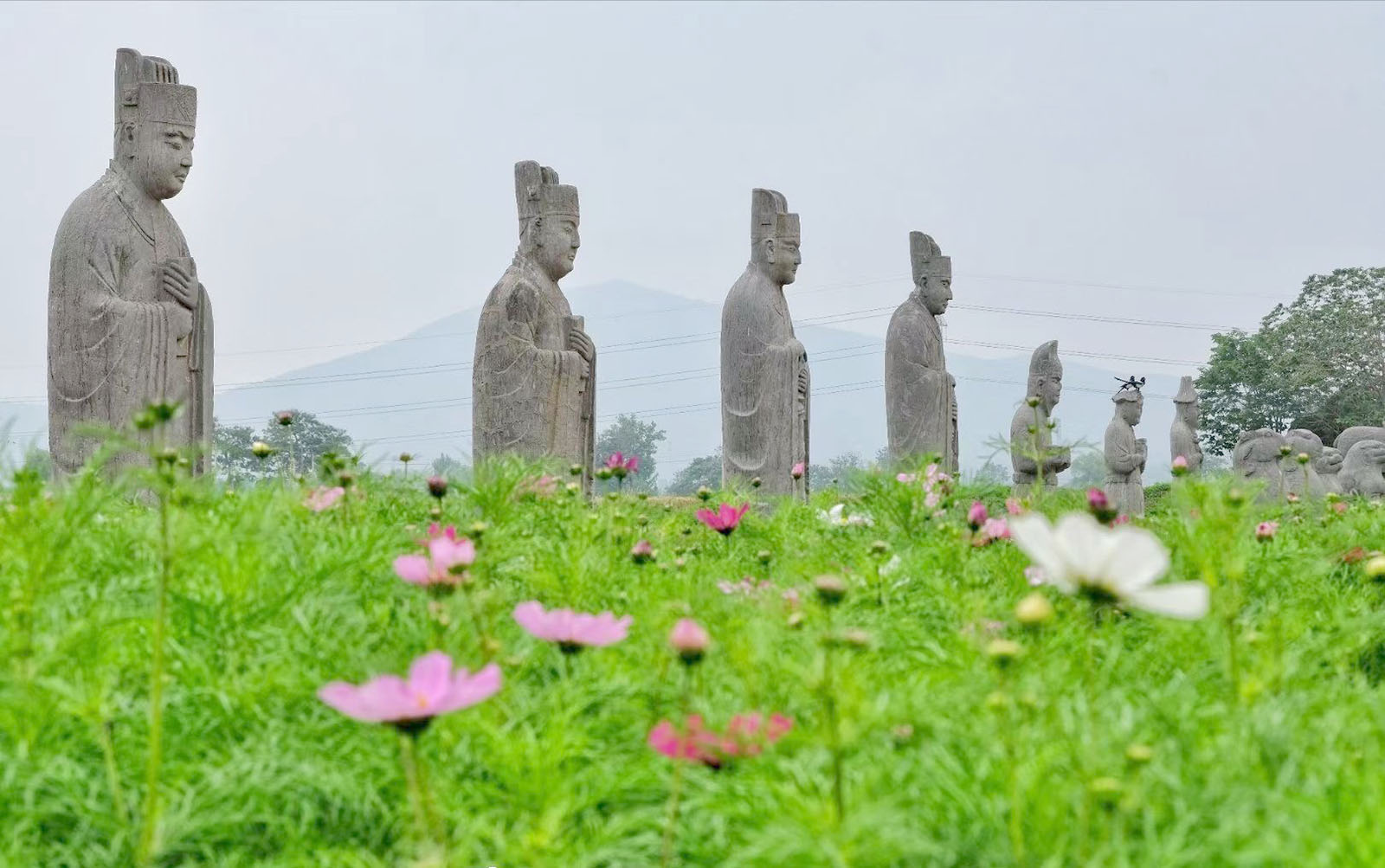
As 51-year-old Bai Suli walked around the perimeter of Yongtai Mausoleum her eyes carefully scanned the imposing stone statues.
She has been protecting the site — one of the Northern Song Mausoleums in Gongyi, Henan province — for 18 years.
Unlike the imperial tomb complexes of the Ming (1368-1644) and Qing (1644-1911) dynasties, many of the mausoleums from the Northern Song Dynasty (960-1127) stand in harmony with the surrounding farmland. Striking stone figures of officials, mythical creatures and animals form silent, eerie-looking rows against a backdrop of shimmering fields and distant hills.
"Every spring, the wheat grows green. Summer comes, and the grain turns golden. Autumn paints the fields with sorghum and sunflowers, and winter blankets the land with snow," Bai said, describing the mausoleum's shifting seasonal scenery.
This summer the Northern Song Mausoleums were celebrated online as the "guardians of the wheat fields", with the statues gaining widespread popularity on social media.
Foreign Ministry spokesman Lin Jian released a poetic post on the social network X accompanying a video of the wheat fields. "Harvesters move through waves of grain, while Song Dynasty imperial tomb statues, around 1,000 years old, stand in silence," he wrote.
Local authorities, experts and village leaders have to carefully balance tasks relating to preservation of the relics and tourism. The open-air stone statues need to be protected and safeguarded and villagers' incomes maintained. Digital technology also plays an important role in stopping permanent erosion of the stone relics, while also helping make them accessible for modern tourists.
Ancient layout
The Song Mausoleums are a nationally protected cultural site. The elaborate stone sculptures reflect the prosperity of the Northern Song Dynasty (960-1127), an era that saw major advances in movable-type printing, the compass and gunpowder, according to Zhu Xingli, director of Gongyi's cultural relics bureau.
"If we move the stone statues from the imperial mausoleums into a museum exhibition, we will lose their most important historical value," he said.
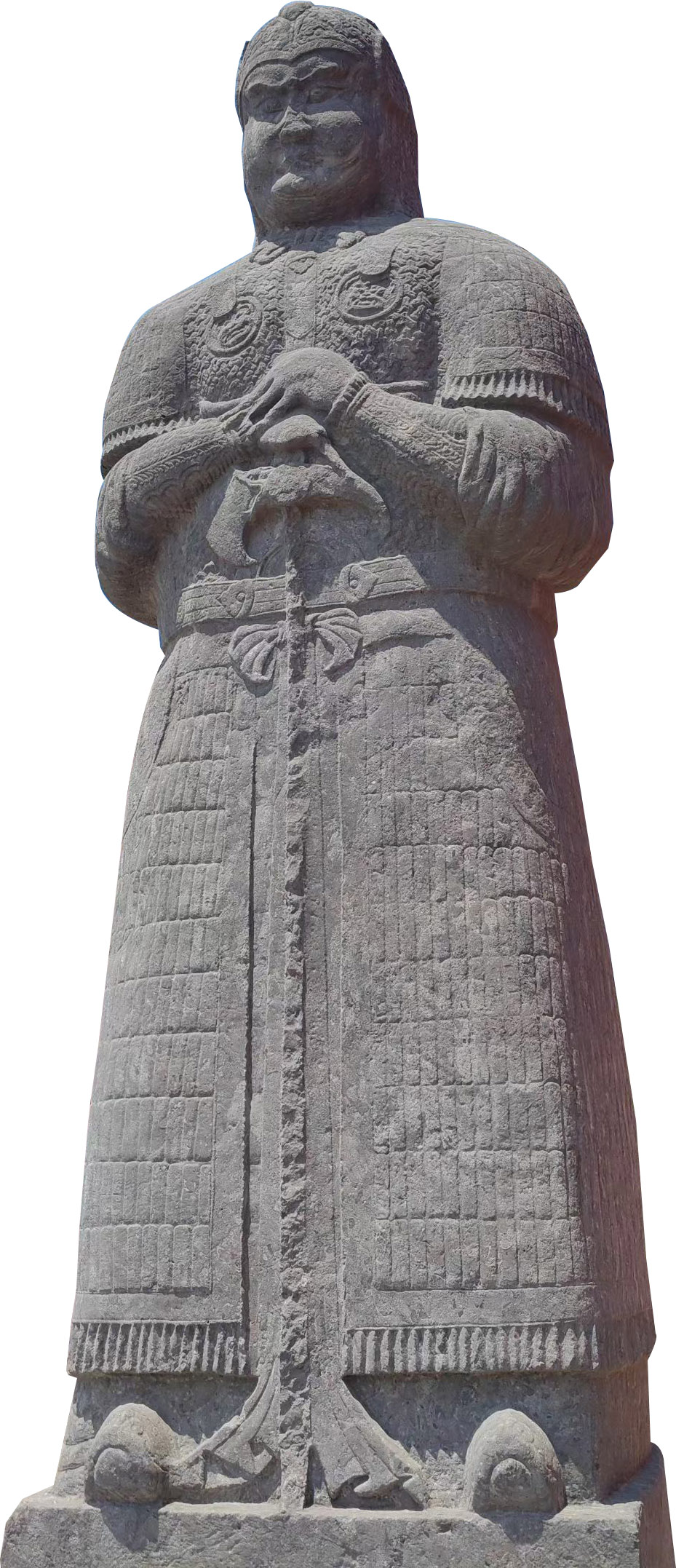
What makes these relics valuable is the complete ancient imperial tomb layout designed for royal funeral ceremonies, Zhu said. Stone pillars, stone lions, stone elephants and giant statues line the central axis, following a full ancient imperial funeral format.
"Our best protection is to let these stones stay rooted where they have stood for 1,000 years, rather than moving them away," Zhu said.
Song Mausoleums were purpose-built for open-air display, a distinction from the Longmen Grottoes in Luoyang, Henan and the Yungang Grottoes in Datong, Shanxi province, which had wooden roof shelters, he added.
To protect the relics, the local government follows the "minimum intervention" rule.
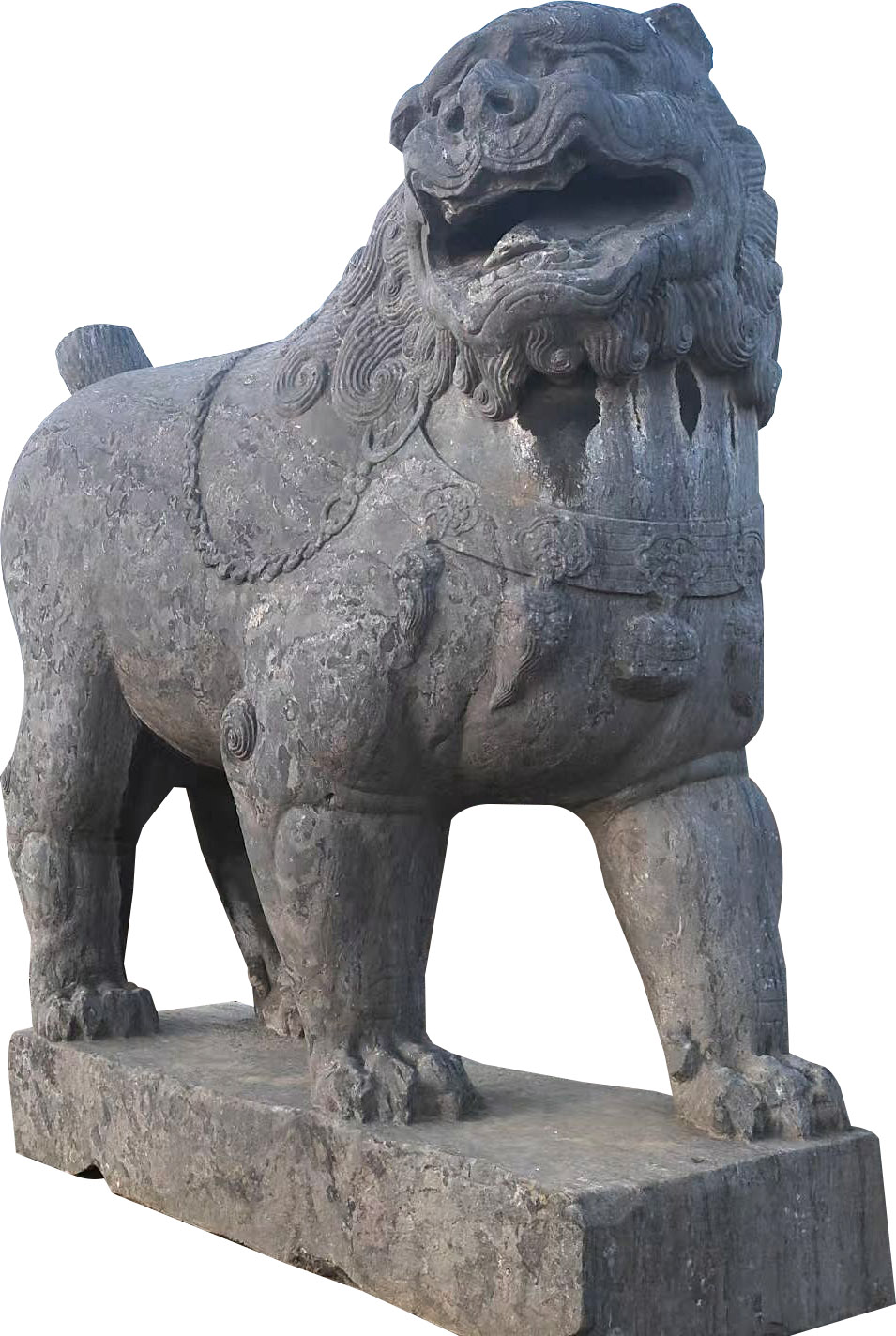
In order to prevent human damage and theft, the cultural relic authority has established 11 protection posts with 96 full-time guardians. The guardians take turns keeping watch 24 hours a day, supported by security cameras.
A major land regulation project placed 210.67 hectares of farmland at the center of the mausoleum zone. Farm machinery is required to stay at least two meters away from all stone statues, Zhu said, and agricultural workers must use manual tools rather than large farm vehicles near relics to avoid hitting them.
Thanks to these protection initiatives, visitors can enjoy the unique view all year round, such as when the monuments are surrounded by green wheat, sorghum and rapeseed flowers.
Since 2025, Gongyi has cooperated with Fudan University, Lanzhou University, Zhengzhou University and other academic institutions to conduct comprehensive 3D digital archiving and physical performance testing of the relics, Zhu said.
"High-precision scanning technology captures all subtle features of the stone carvings, including facial textures, garment folds, micro cracks and delicate carved ornaments," Zhu said.
Full digital modeling has been completed for Yongding Mausoleum, one of the Song Mausoleums, and some scattered stone statues. Permanent digital replicas are stored on cloud platforms, with the original stone monuments preserved in their original locations, Zhu said.
"Such digital tech will provide solid data support for precise restoration and historical research for future generations," he said.
Sharing a rich past
Protecting the stone relics is not only about maintaining the physical statues, but also about sharing their rich history and stories with visitors.
Guides undergo training to learn how to clearly explain to visitors the royal rituals and burial customs at the sites.
"We live here — and the more we learn, the more we can share with visitors," Zhu said. "We are also setting up standardized information boards with detailed historical stories. These will help tourists not only admire the stone statues, but also truly learn about the rich history."
Wang Junzhen, one of the tour guides, said the biggest benefit from the training is grasping the essence of successful cultural communication. She said she has learned how to make ancient Song Mausoleum culture come alive for modern audiences.
"As more people pay attention to cultural relics, the Song Mausoleums' historical records and vivid stories have won greater popularity," Wang said. She said she has noticed that foreign tourists are particularly interested in heritage sites like the Song Mausoleums.

Bai has witnessed great changes at the site. It used to be divided into separate private farm plots full of weeds and rubbish. After becoming a cultural heritage area, the statues are now surrounded by vast wheat fields in summer.
The local government launched the land consolidation project in 2021, following multiple rounds of communication with villagers. Fortunately, most residents supported the plan.
Baling village in Gongyi was chosen as the pilot village for mausoleum land consolidation. Cao Xianghui, Party secretary of the village, said different mausoleum areas develop in different ways. For example, some lie in the city area, while others sit in open farmland.
Villagers get more from land transfers than what they could earn from farming alone, removing financial worries that made people resist relic protection in the past, Cao said.
Some residents now work as tour guides, homestay hosts and hanfu experience staff. This creates a stable rural economy that balances farming, villagers' income, relic protection and cultural tourism.
"For people living in Baling village, these stone statues are not cold museum exhibits, but old companions they have known their whole lives," Cao said. There are plans to build more support facilities including parking lots, public restrooms, and cultural service areas to improve tourism services, he added.

Baling villager Cao Shigao patrols the mausoleum area at night with a flashlight and checks in at NFC checkpoints to record his rounds.
"Tourists can take photos from far away, but they must not damage the stone statues," he said, and pointed at a security camera. "This digital monitoring helps make traditional foot patrols more effective."
Yongyu Mausoleum and Yongtai Mausoleum in Baling village remain in their original rural farmland settings. Stunning views of the stone monuments, which attract photographers, travel bloggers and tourists all year round, can even be seen from passing high-speed trains.
In contrast, Yongzhao Mausoleum and Yonghou Mausoleum are located in Gongyi's urban area. Yongzhao Mausoleum was rebuilt decades ago as public city parks, where local residents can walk and relax beside ancient royal stone carvings.
Gongyi resident Zhang Panyi carries personal and shared memories of the mausoleums. He said he often visited Yongzhao Mausoleum Park when he was little, and only later learned it belonged to Emperor Renzong (1010-63) of the Song Dynasty and the famous historical figure Bao Zheng (999-1062).
Priceless pictures
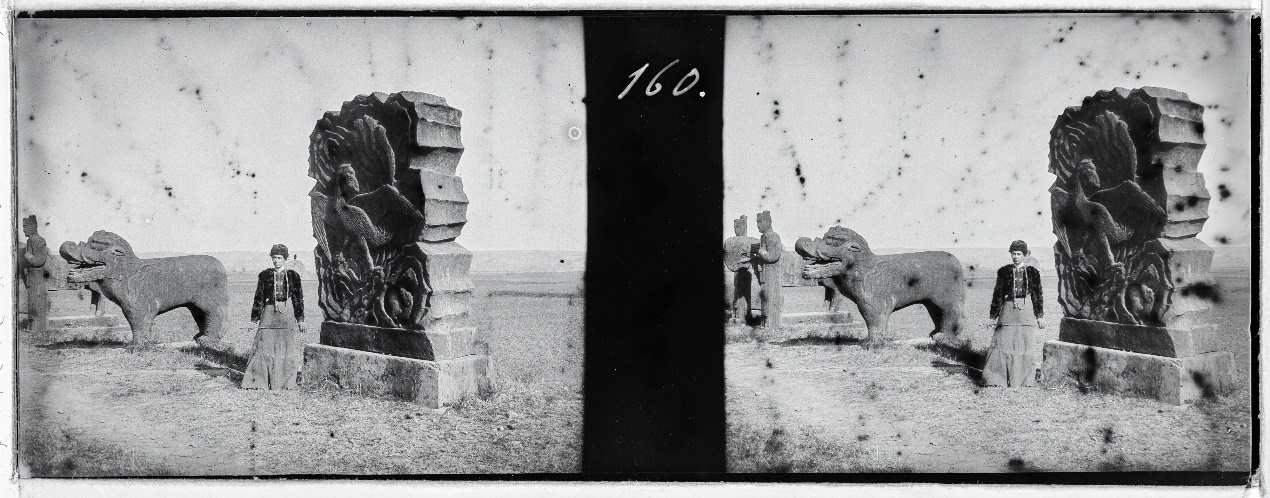
Photos taken of the monuments in the late Qing Dynasty during the construction of the Bianluo Railway are priceless original materials, said Cao Miao, author of Traces of the Song Mausoleums.
Back then, photography was expensive and usually only for wealthy elites. Belgian and French engineers and doctors working on the railway took many clear, detailed pictures of the mausoleums. Today, photographers and history lovers take photos from the exact same angles as those century-old photos, Cao said.
"We can't stop natural weathering," he said. "The job for this generation is to slow this damage, keep the complete cultural background, and hand them down to later generations. Digital archives make sure this cultural heritage will never vanish entirely."
Comparisons with the old photos show irreversible damage.
Many carved decorations, sharp stone edges and surrounding scenery have worn away or disappeared.
Having photographed the mausoleums for more than a decade, Cao said: "When I press the shutter, I have a dialogue with these 1,000-year-old stone carvings."
ALSO READ: Chamber of Southern Song tomb reawakens history
Wang Guoqiang, a professor from Luoyang Normal University's school of history and culture, said digital copies of these old photos make international research easier, letting heritage lovers all over the world study the site online. "These photos also provide clear references for repairing stone relics and restoring the original ancient landscape," he said.
Wang also suggested connecting Gongyi's stone carvings with Longmen Grottoes and Songshan Mountain cultural sites to build a unified cultural tourism route.
"The famous scenic spots can share tourists and attract more people to come," he said.
Apple Rouse, vice-president of the US-based Chinese American Youth Association, believes the Song Mausoleums can help young people connect with their heritage.
"The Song stone carvings, beside high-speed trains and modern facilities, create a powerful clash of times, like images put together by AI (artificial intelligence). These 1,000-year-old stone figures overlook the Central Plains, showing the everlasting strength of Chinese civilization."
Contact the writers at qixin@chinadaily.com.cn
