

After lifetimes spent working or caring for others, older Chinese now head abroad to study, finding fulfillment
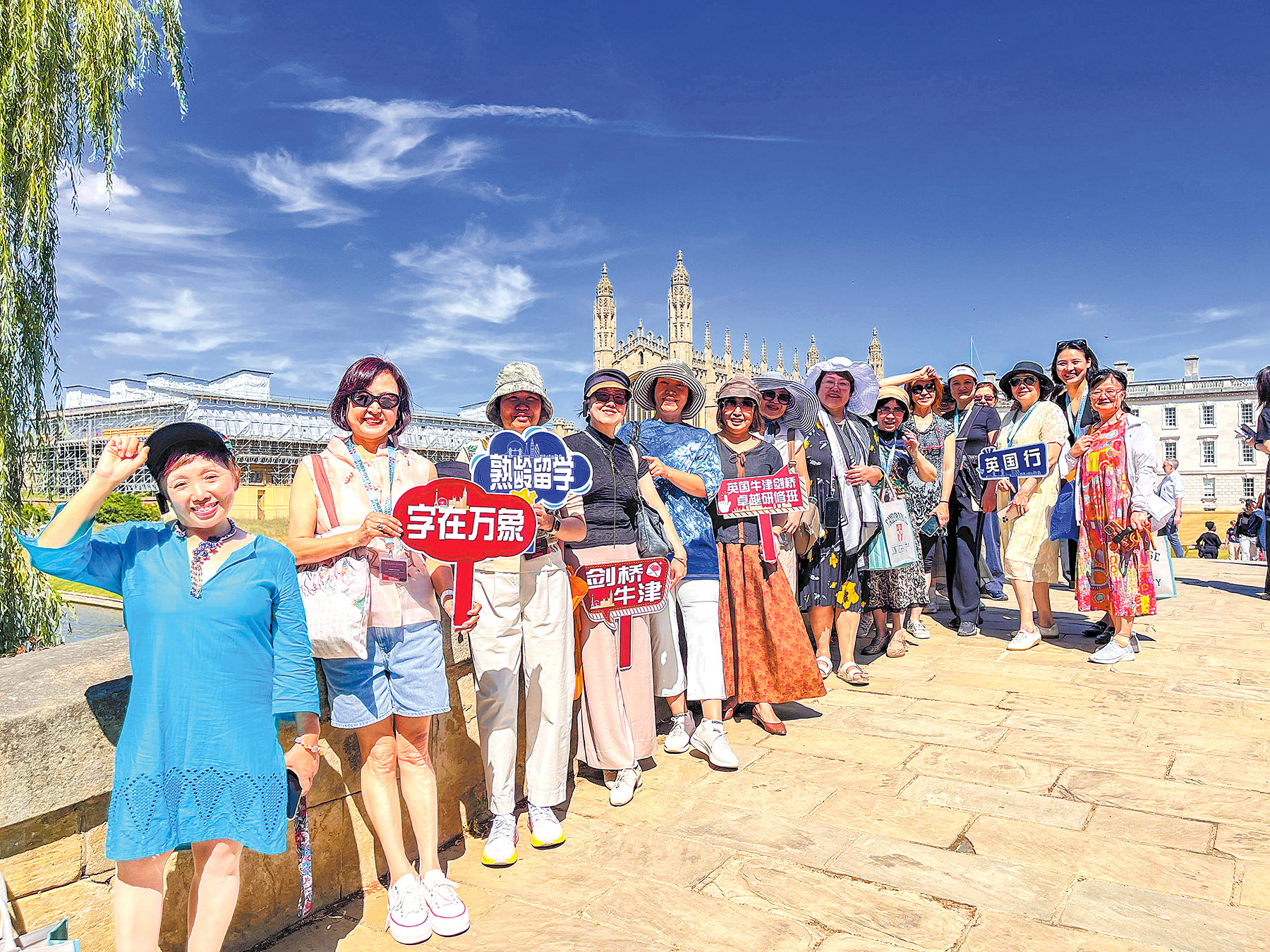
China’s retirees are breaking free from long-held expectations centered on family duties and caregiving, challenging stereotypes that cast older people as preoccupied with their children’s marriages, grandchildren and domestic routines.
A growing number of them are now doing some soul-searching and seizing learning opportunities abroad, determined to make fuller use of their retirement years, whether in search of fulfillment or simply for their own happiness.
While younger generations debate whether an overseas degree is worth its staggering price tag, a growing wave of gray-haired retirees is packing suitcases and walking into lecture halls around the world, not for diplomas, but for themselves.
For nearly two decades, Li Guolin could barely get out of bed.
A spinal fracture in 2000 forced her into early retirement from her job at a bank in the coastal city of Zhuhai, in South China’s Guangdong province.
She tried group tours after she finally got back on her feet in 2019, but the rushed itineraries exhausted her.
“Too tiring, not for me,” she said, adding that the pain still returns from time to time.
Then, in April 2024, she stumbled upon a short art program in Italy, with some preparatory art lessons arranged.
“It was exactly the kind of tomorrow I had been hoping for,” she said, adding that it satisfied her interest in art and living in a foreign country for a while.
During preparation in Beijing, she painted under instruction for the first time in decades. There were no rules, no grades. Just guidance.
A few weeks later, she flew to Florence, Italy, for a two-week fashion design program at a local institute, which was her first time abroad as a learner rather than a tourist.
She had never worked with fabric or dressed a mannequin. By the end of the course, she had completed seven or eight original pieces.
Li is among a growing number of older Chinese citizens redefining what retirement can look like.
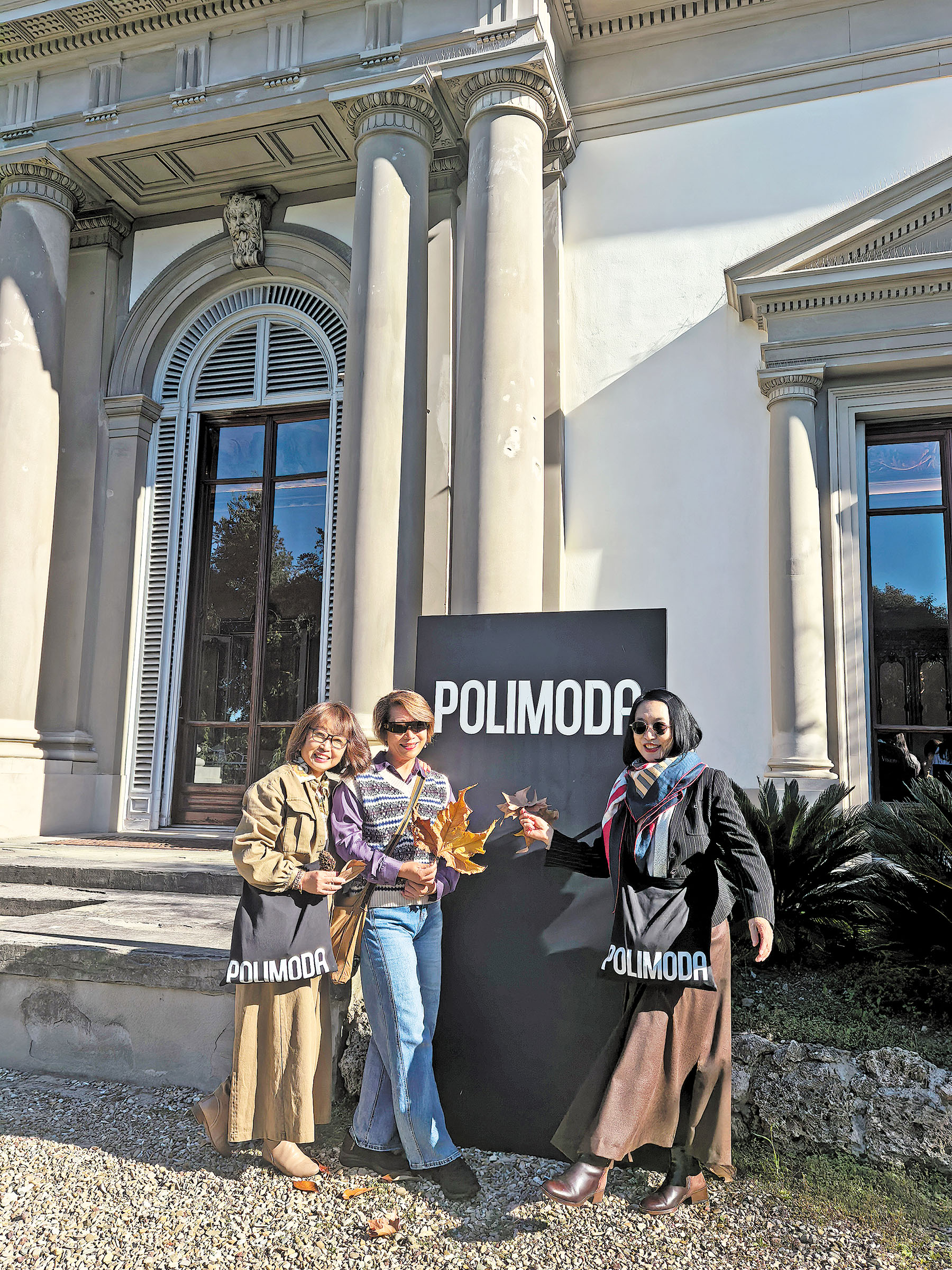
Once largely confined to domestic chores, square dancing or the occasional group tour, many of China’s “new elderly” are now turning their gaze toward foreign lecture halls.
According to EF (also known as Education First), a global education company that organizes language courses and overseas study tours worldwide, Chinese nationals over 50 accounted for just 3 percent of its overseas study tours in 2019. By 2023, that share had jumped to 20 percent.
Most of these Chinese nationals are between 56 and 65, and many come from Shanghai, Guangdong, and Beijing — the demographic that rode the wave of China’s reform and opening-up.
Benefiting from China’s economic boom, this group is open-minded and has a strong desire for self-improvement, observed Ma Jing, managing director of EF’s overseas study tour operations in China.
China’s silver economy is currently worth about 7 trillion yuan (nearly $1 trillion), according to a 2024 report by the China Association of Social Welfare and Senior Service.
By 2035, that figure is expected to reach 30 trillion yuan. Senior education, once a niche, is projected to grow to 500 billion yuan by 2025, with an annual compound growth rate of 25.3 percent, far outpacing traditional education sectors, according to the market research consultancy Chinese Industry Research Network.
Traditional study-abroad agencies have taken notice. In late 2025, New Oriental, one of China’s largest private education companies, launched the “Tulip Plan” short-term overseas program tailored for learners over 35.
The program targets three age segments, with the “55-plus” track tailored specifically for those seeking to enrich their retirement years through immersive cultural experiences.
The first offerings include an art program in the United Kingdom and a culinary course in France.
For Li Guolin, the Florence trip was only the beginning. She went on to study silk painting at Yokohama University of Art and Design in Japan in April, and learned lacquer carving.
For Liu Ping, a 60-year-old former financial auditor from the inland city of Liuzhou in South China’s Guangxi Zhuang autonomous region, the motivation was more personal.
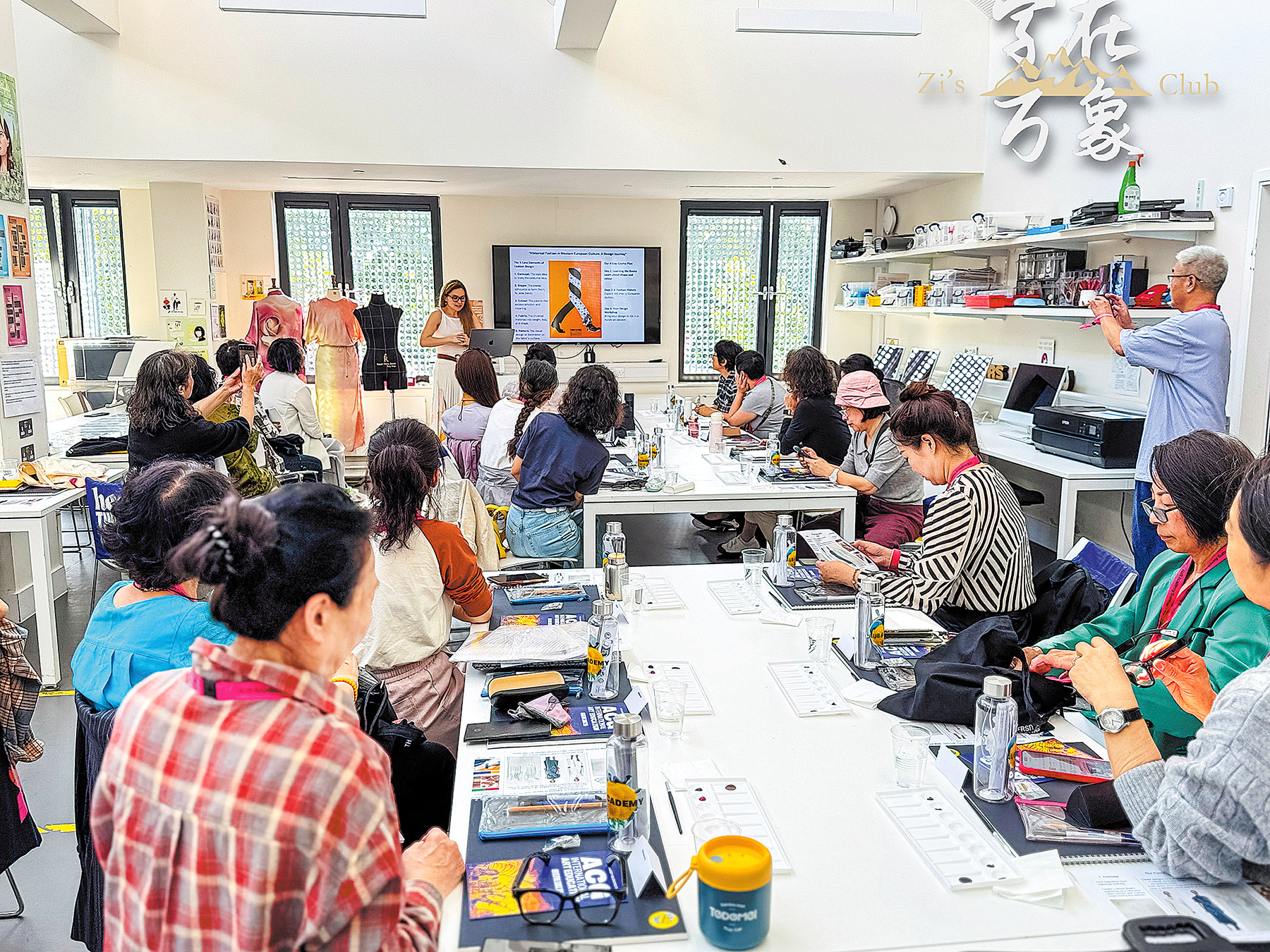
She had earned a CFO certificate years earlier that entitled her to attend a graduation ceremony at Cambridge, but then work got in the way.
When she saw an overseas study program that included a few weeks in Cambridge, she signed up immediately.
But first, she was required to attend a “growth camp” in Beijing.
At the camp, participants were asked to create a piece of art expressing their innermost feelings.
Liu, then still grieving her mother’s recent death, re-created a sunset scene by the river where she had once pushed her mother’s wheelchair.
When she finished, she felt an enormous release. That unexpected emotional breakthrough sparked her interest in art, so she decided to give it a real try at her dream school in Cambridge.
During her stay, the instructor asked the class to sketch something they had seen on campus. Liu chose the canopy of a corridor.
“It was the most complicated structure on campus,” the instructor later told her.
“I saw the gap between myself and the students who had some foundation, but just finishing was already enough,” Liu said.
While Li and Liu stumbled upon their opportunities, Zi Wenli, a former CCTV director who retired in 2024, went looking for hers, and when she could not find it, she built it herself.
Like many new retirees, Zi felt adrift after retiring from China’s State broadcaster where she had worked for about three decades.
As she had helped design domestic university curricula and cofounded an overseas study agency that sent thousands of young Chinese to Western schools, she asked her own consultants to help her apply to universities like MIT and Stanford.
Yet, they turned her down.
“They told me there was no agency in China that served people over 35,” she said.
So she traveled alone to the United States, the UK, and Japan, visiting universities and talking to professors.
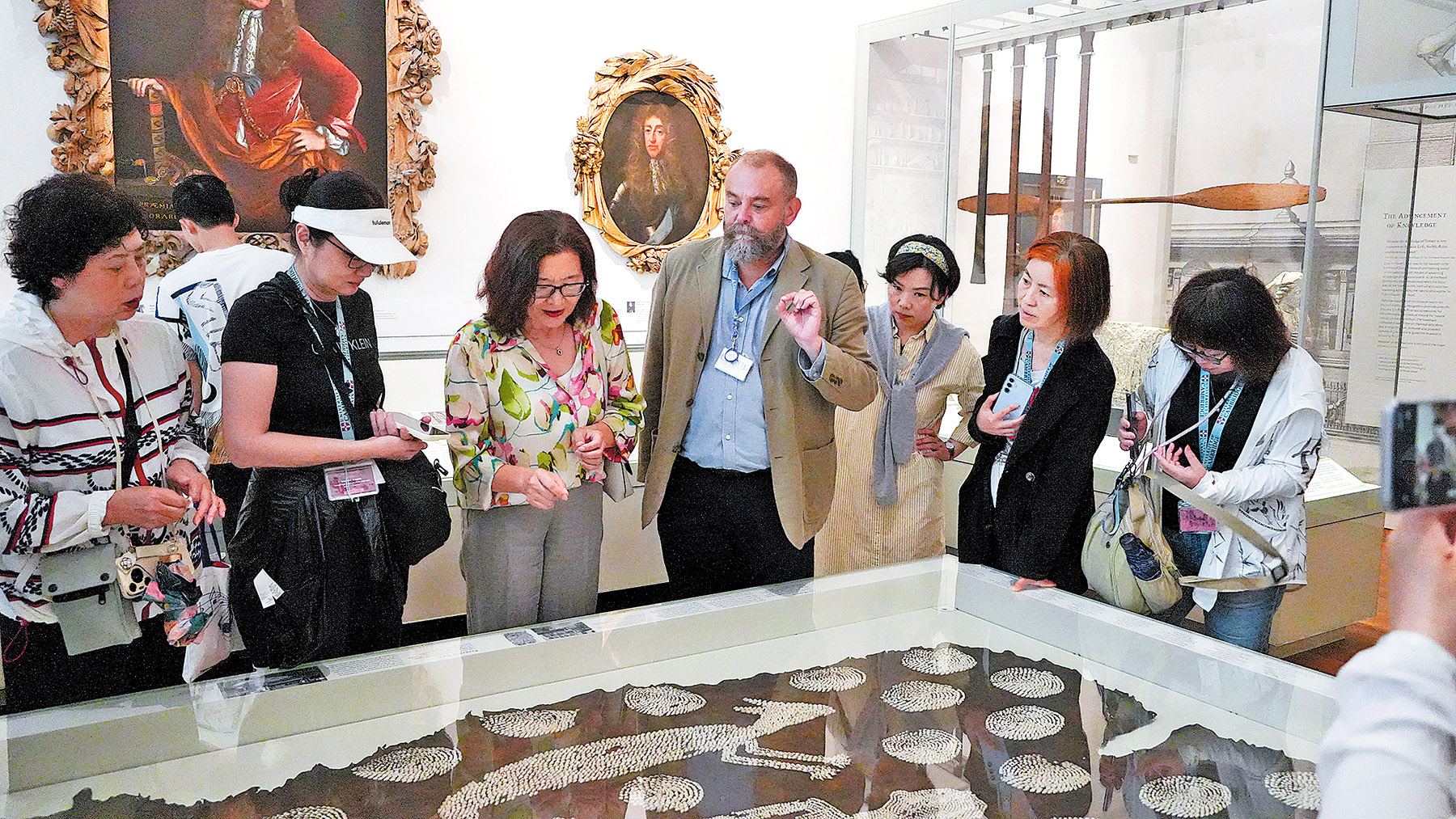
In Japan, she met an 85-year-old professor still teaching, and his 90-year-old student. In the UK, admissions officers told her that local retirees regularly enrolled in short courses.
On a whim, on the night of Dec 23, 2024, Zi went live on WeChat’s short-video platform from her living room with fewer than 800 followers.
She talked about her idea of “studying abroad after retirement”, a notion that older learners, free from the pressure of degrees and job prospects, might have an easier path than younger applicants competing for credentials.
Her phone soon exploded. By the end of the hour-long broadcast, she had received 544 private messages. The question was almost always the same: “How can I go?”
Within months, Zi founded the Retirement Study Club, later renamed the Mature Learning Club.
In less than a year, it had attracted over 50,000 members nationwide and helped more than 500 retirees enroll in overseas programs, with over 1,000 more holding acceptance letters.
Destinations include Japan, Italy, the UK, Spain, and the US, and the lengths of learning programs range from weeks to a year.
Some critics question whether a two-week program, typically costing between 20,000 and 70,000 yuan, is worth it, while others raise health and safety concerns.
Da Zhigang, a researcher at the Heilongjiang Provincial Academy of Social Sciences, warned that Chinese seniors overseas may not receive timely medical care in an emergency due to language barriers, and could face unexpected risks.
There are deeper structural hurdles. China’s higher education system remains designed for degree-seeking young people.
Professor Peng Xizhe, a demographer and senior professor at Fudan University, pointed to what he calls a “system ceiling”.
Peng urges the education system, labor policies and other subsystems to be prepared for the new normal of an aging society.
To date, Zi’s oldest participant has been an 83-year-old retired mathematics teacher from Shanghai who completed a fashion and crafts program in Italy.
“I was impressed when he told me curiosity is the drive to live,” Zi said. The line has become something of a motto for her club.
As for Li Guolin, she did not take much of a break after finishing her studies in Japan in late April.
A few days later, right after the May Day holiday, she was at the airport again — this time for a holiday in Rome and Malta with a friend she met on one of her study trips.
“Our class averaged 60 years old and everyone agreed that before 50, we lived for our families and children. After 50, we decided to live for ourselves,” she said.
Contact the writers at yangfeiyue@chinadaily.com.cn
