

A physician's diaries illuminate a family's past and destiny during the revolutionary era, Zhang Yi and Hu Meidong report in Fuzhou.
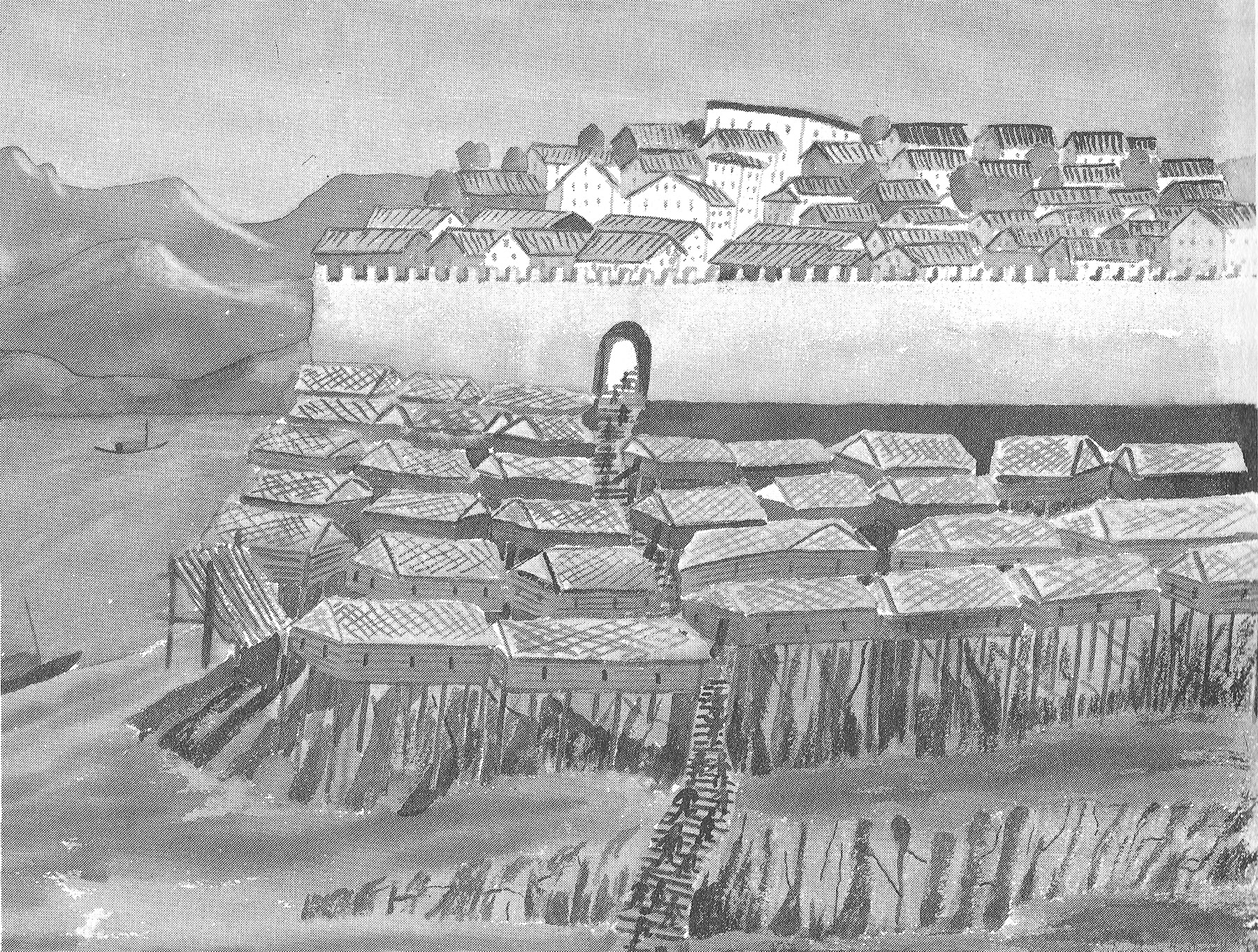
In the spring of 2024, within the library of Smith College in Massachusetts, United States, Huang Yao carefully examined an 18-year archival record. As she read through the handwritten diaries, she traced the historical texts that documented the very foundations of her own family history.
The diaries belonged to Ruth V Hemenway, an American physician who arrived in Fujian province, China, in 1924 and spent nearly two decades providing medical services. During her time there, she adopted a month-old Chinese baby girl named Hua Sing — Huang's grandmother.
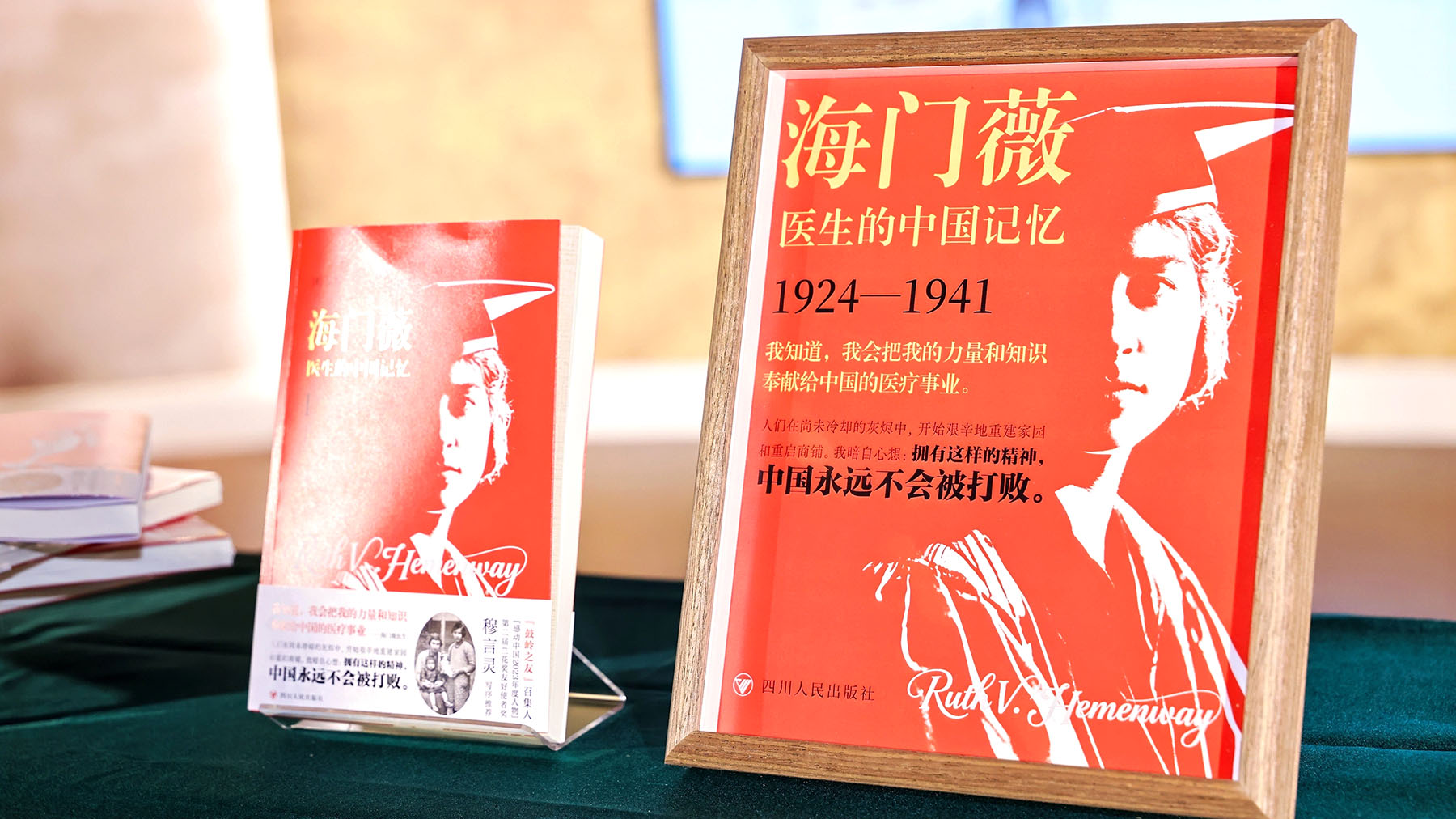
Following Huang's dedicated two-year effort to translate the manuscript, the doctor's words have officially completed their journey home. On June 30, 2026, as a summer breeze swept through the historic mountain resort of Kuliang in Fuzhou, descendants, historians, and international guests gathered to witness the launch of the Chinese edition of Ruth V. Hemenway, M.D.: A Memoir of Revolutionary China 1924-1941, released ahead of its nationwide distribution in July by Sichuan People's Publishing House.
READ MORE: US doctor's legacy remembered after 80 yrs
"To a stranger, these pages tell a story; to me, they trace the road that led my grandmother Hua Sing into being," Huang says.
"Through her life, my grandmother passed on to me the luminance that Dr Hemenway first kindled, and through this book, I hope to pass it on to many more."
A doctor's calling
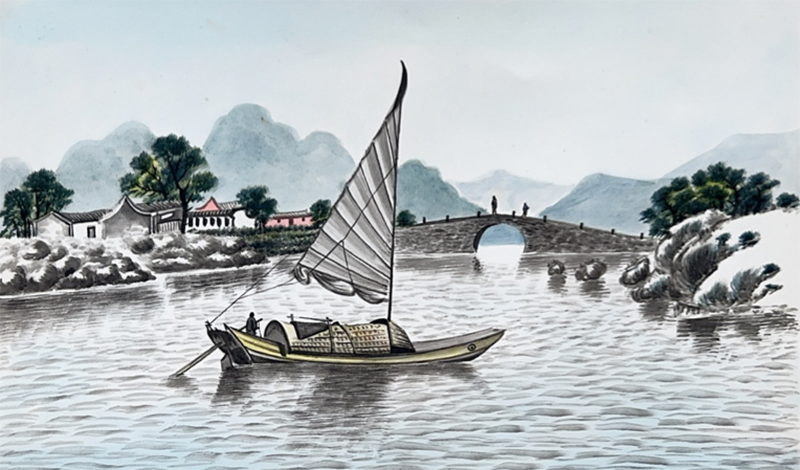
The historical narrative preserved in the diaries begins in the early 1920s. China was in chaos, caught between the collapse of the imperial Qing Dynasty (1644-1911) and the bloody conflicts of local warlords. Amid this turmoil, the young American physician wrote her purpose clearly, "I knew I would give my strength and knowledge to medical work in China."
Dr Hemenway based her work in the rural area of Liudu in Minqing county, Fujian province. She established clinics, trained local women in modern midwifery, and fought tirelessly to reduce rural infant mortality. Her daily logs chronicle the immense challenges of maintaining a hospital amid local armed skirmishes and the subsequent destruction during the Chinese People's War of Resistance Against Japanese Aggression (1931-45).
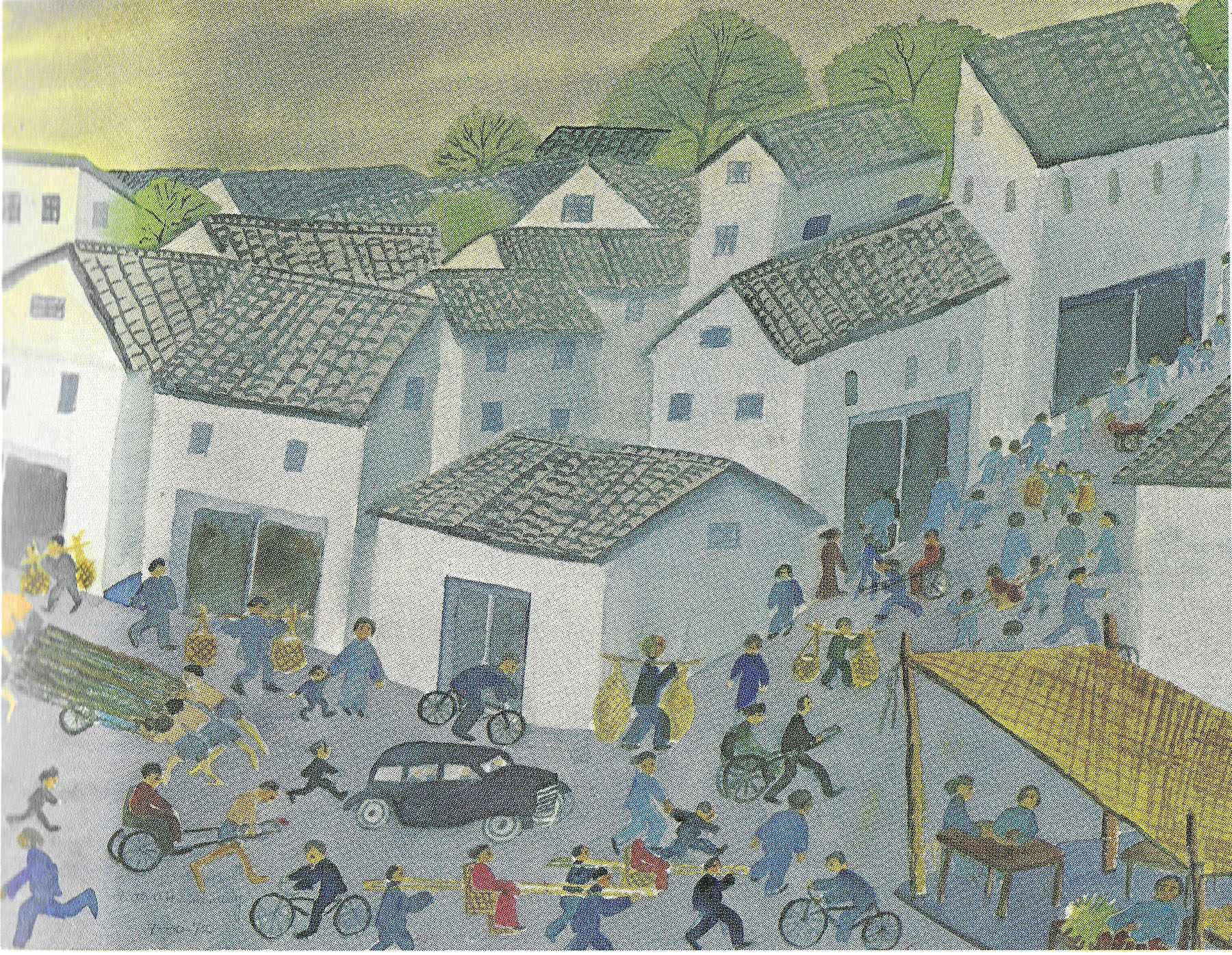
One legendary entry reveals the sheer depth of her courage. A prominent local bandit leader summoned the physician to his mountain stronghold for medical treatment. Though her hospital staff members were terrified and pleaded with her not to go, she defied their fears to fulfill her duty as a healer and made the hazardous journey into insurgent territory. Her absolute medical integrity ultimately earned the deep respect of the outlaws, who treated her with unexpected courtesy and escorted her back unharmed.
Decades later, her family traces the daring choice back to her core values.
"It takes an immense amount of courage to immerse oneself in a foreign land," Thomas Hemenway, a relative of Dr Hemenway, says. "Ruth went with a heart willing to listen, to learn, and to love."
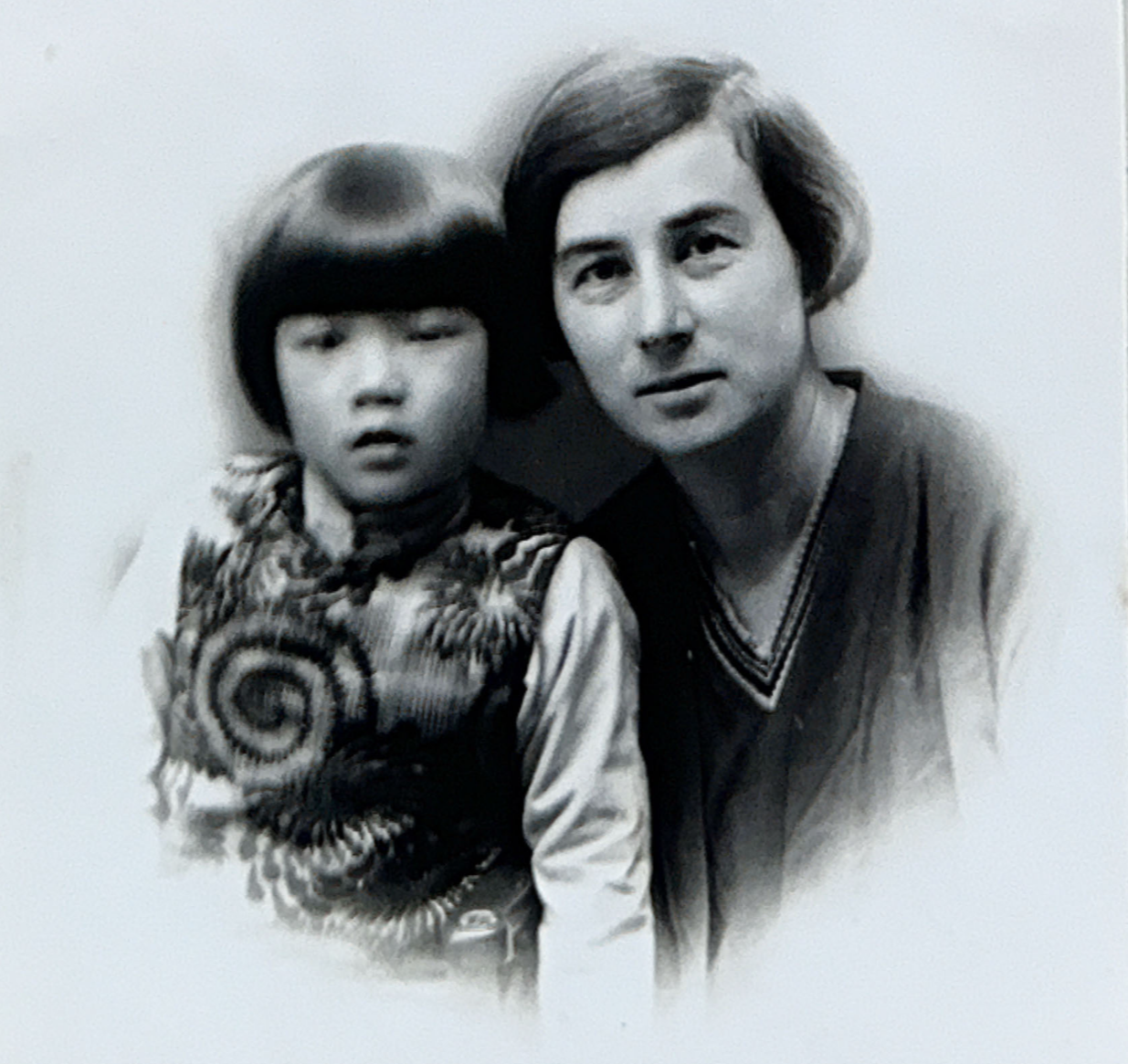
That love took a tangible form in 1929. The physician adopted the month-old Hua Sing after learning her biological family was preparing to send her away to be raised as a traditional child bride.
Reflecting her hope for the country she had come to serve, Dr Hemenway chose a poetic Chinese name for the infant: Hua Sing, meaning the "starlight of China".
Dr Hemenway recorded the child's growth with precise physical measurements, while giving her a modern education that included English and sports. A family photo album reveals that Hua Sing even participated in a mixed-gender middle school basketball team — a rare level of social freedom for a young woman in early 20th-century China.
"That single act of love didn't just save a child," Thomas Hemenway says. "It changed the course of a family for generations. Hua Sing became the joy of Ruth's life."
Faith amid the ashes
In the late 1930s, as Japanese air raids began to devastate China, Dr Hemenway headed to Chongqing to treat wartime casualties. Her diaries captured the fierce resilience of the population: After an intense bombing, she emerged from a shelter to find the streets shattered and smoking. Yet, instead of despair, she saw local residents and shopkeepers instantly return to clear the debris and restart their businesses.
"People started the hard work of rebuilding homes and reopening shops in the ashes that had not yet cooled," Dr Hemenway wrote in her diary, deeply moved. "I thought to myself, 'With such a spirit, China will never be defeated.'"
But war and insurmountable institutional barriers eventually forced a heartbreaking separation. In 1941, suffering from a severe illness, the physician had to return to the US for treatment, leaving her Chinese daughter Hua Sing behind. As geopolitical relations deteriorated, all correspondence between them was severed.
Dr Hemenway passed away in the US in 1974 without ever seeing her daughter again. Yet, her family noted a poignant detail: until her final days, the kitchen walls of her American home remained covered with photographs of Hua Sing.
An ocean away, Hua Sing carried on her mother's legacy. She entered the medical profession, married a fellow doctor named Liu Minsheng, and relocated to the harsh northwest to join the faculty of a medical college in the Ningxia Hui autonomous region. There, she worked in the physiology department while he treated patients in the university's affiliated hospital.
"Life in Ningxia in the last century was hard — the winds relentless, the resources scarce," Huang, the granddaughter, recalls. "Yet my grandparents never faltered. They embraced it all with grace and gratitude."
Even when the opportunity arose to return to the comforts of Beijing, the couple chose to remain in the northwest out of a shared devotion to rural medicine.
"Looking back, their choice was itself a mirror of history," Huang says, "a reflection of the very spirit that Dr Hemenway had carried into China all those years before."
Century-long connection
Although decades of silence severed the ties between the doctor's families in China and the US, they were independently driven to preserve her legacy.
In China, Huang Yao set out to find Dr Hemenway's descendants while translating the doctor's memoir into Chinese to heal her grandmother's lifelong yearning.
Across the Pacific, Thomas Hemenway was on a parallel quest. While Dr Hemenway's original manuscripts were preserved at Smith College, Thomas gathered multifaceted information to build a family history website and reconstruct her life.
In 2024, they were finally connected through Zhang Hong, whose grandfather — Hua Sing's cousin — had introduced the infant Hua Sing to Dr Hemenway decades ago.
However, as their communication grew, the family experienced a profound loss when Hua Sing passed away peacefully in Fuzhou in March 2025.
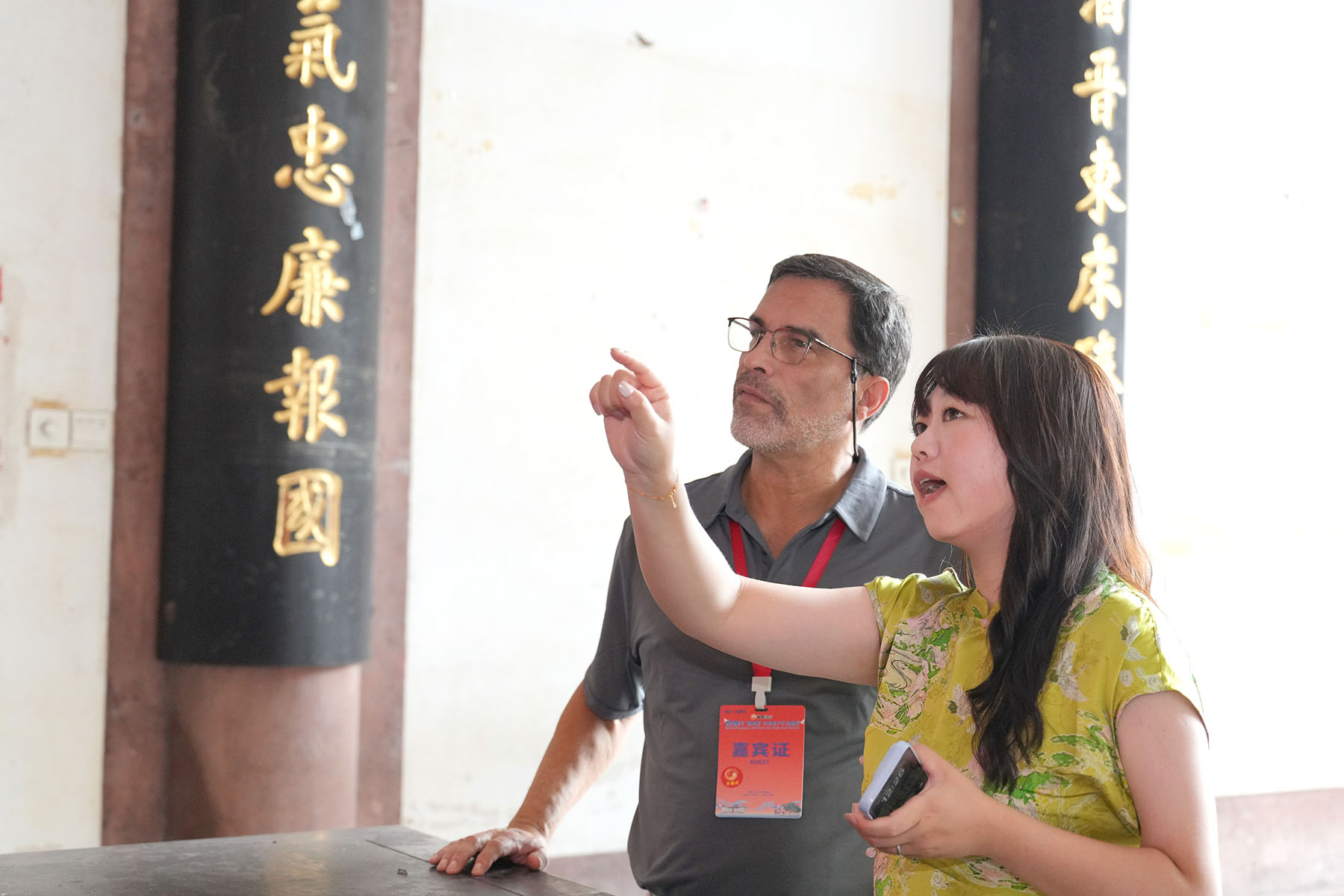
Four months later, in July 2025, Thomas traveled to Fuzhou for the first time. Though too late to meet Hua Sing, he embraced Huang Yao tightly at the historic Enlan Building, a landmark structure Dr Hemenway had overseen the construction of in the 1920s. Beneath a century-old lychee tree Dr Hemenway had personally planted, the relatives tasted its fruit together.
"The deeper story is that for so many people here, friendship became a relationship, and a relationship became family," notes Elyn MacInnis, founder of the Friends of Kuliang organization, reflecting on the century-long connection.
"People arrived as strangers. They became friends. Eventually, they became part of one another's lives — they became an extended family."
Contact the writers at zhangyi1@chinadaily.com.cn
