

Smart technology is multiplying the economic and social value of tourism, with destinations across Hong Kong embedding digital elements to create authentic, locally-rooted experiences with global appeal, the city’s tourism chief said on Saturday.
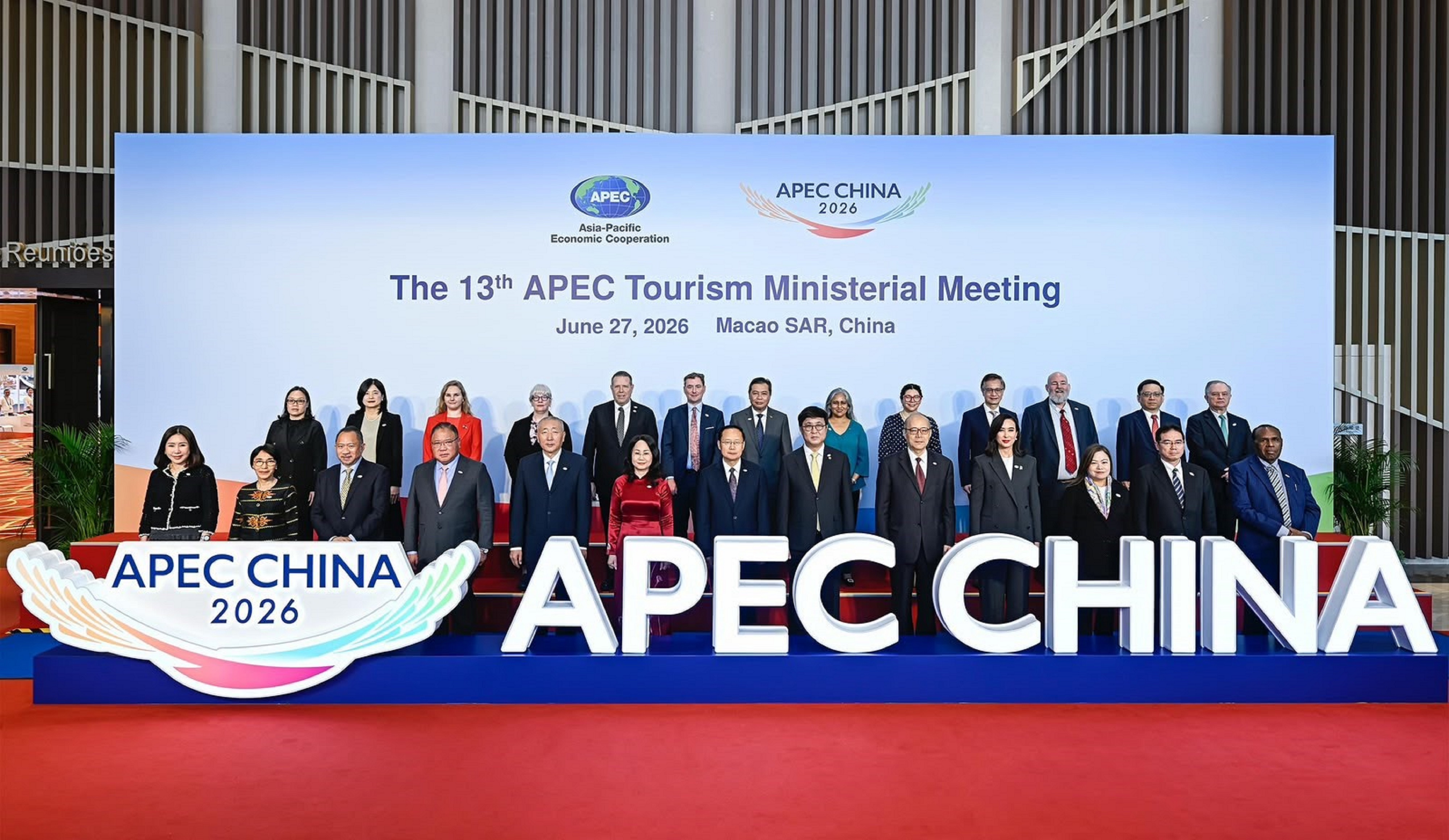
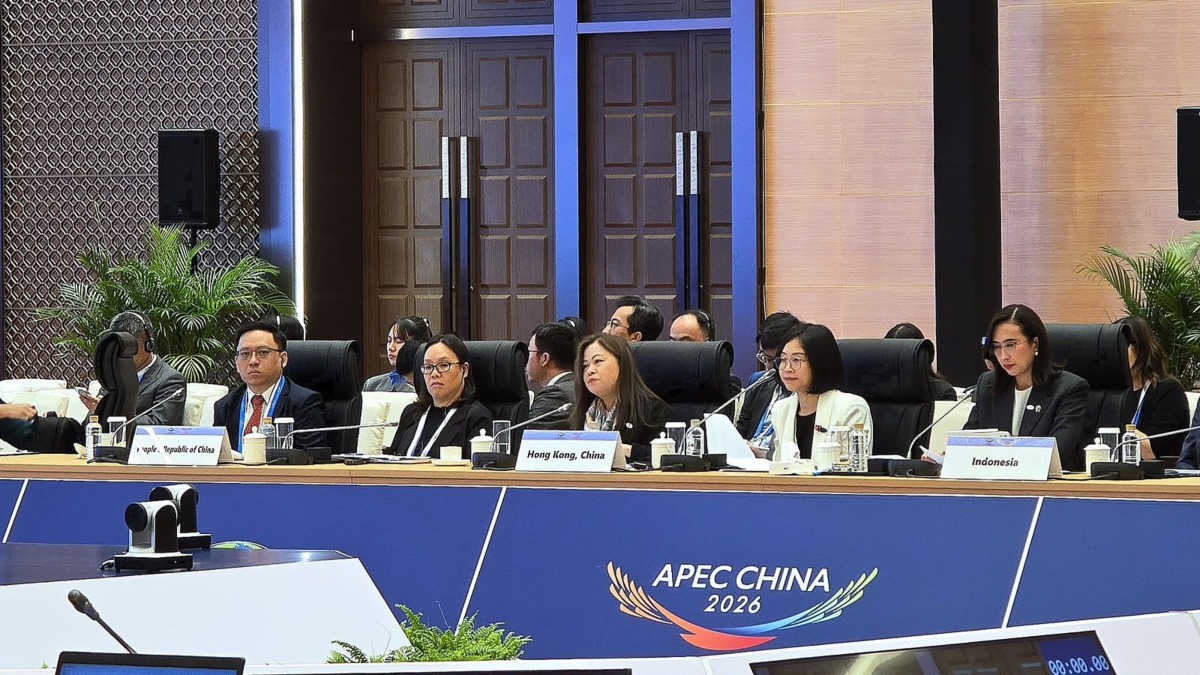
Secretary for Culture, Sports and Tourism Rosanna Law Shuk-pui made the remarks in a speech at the 13th Asia-Pacific Economic Cooperation Tourism Ministerial Meeting at the China-Portuguese-speaking Countries Commercial and Trade Service Platform Complex in the Macao Special Administrative Region.
She briefed the gathering, themed “Digital Innovation, Collaborative Empowerment: Leveraging Tourism for an Asia-Pacific Community", on Hong Kong’s “+ Tourism” strategic vision – an approach to integrating digital and intelligent technologies to drive economic growth in tourism.
“At its heart, ‘+ Tourism’ is about bringing together Hong Kong’s uniqueness, including our culture and heritage, arts and creativity, natural landscapes, sports and mega events, and weaving them into a richer, deeper journey,” she said.
The Hong Kong Special Administrative Region welcomed nearly 50 million visitors last year – a 12 percent year-on-year increase – with most of them coming from the APEC family economies. The city hosted over 240 mega events in 2025, including many at the Kai Tak Sports Park, Law said, calling the state-of-the-art and new “home ground” a game changer in Hong Kong’s tourism industry.
RELATED ARTICLES
- HK's robust security backs flourishing arts, culture
- APEC ministerial meeting opens as Macao eyes deeper tourism ties
- China vows to advance Asia-Pacific community goal at APEC Shenzhen
- APEC forum: Accelerating SME development with technological equality
Pointing out that information technology has transformed travel experiences, allowing visitors to travel conveniently with accessible information, change and explore destinations in-depth, she said this transformation is already underway in Hong Kong.
Major attractions now share live waiting times with the Hong Kong Tourism Board during peak travel periods to allow real-time crowd updates on the “Discover Hong Kong” digital platform.
“Currently, we’re developing an AI-powered itinerary-planning feature and collaborating with map service providers to integrate our data into a dedicated Hong Kong travel map. This will empower visitors with tailored information on attractions, events, dining, and offers, while generating personalized itineraries that reflect their interests,” Law said.
By bringing these capabilities together, visitors can plan their ideal trips with just a few clicks, “enjoying an ‘only in Hong Kong’ experience that’s convenient and uniquely their own”.
Citing examples, the tourism chief said the new East Kowloon Cultural Centre brings together artists and tech innovators to incubate new forms of arts tech performance, while the Hong Kong Museum of Art blends heritage with multimedia and artificial intelligence. Events like Art Basel Hong Kong transform exhibitions into immersive showcases through AI-generated avatars and interactive installations, while attractions like Hong Kong Disneyland use an animatronic robot to deepen engagement.
“Through digital and intelligent technologies, visitors do not merely visit Hong Kong – they experience our city and become connected to it. They stay longer, spend more, and become storytellers who amplify our city's cultural and creative identity,” she said.

The SAR government enables businesses to adapt, innovate, and thrive in this digital era, the secretary said, adding that the HKSAR government has collaborated with the city’s flagship IT hub Cyberport to connect technology providers with industry practitioners to solve real-world challenges by adopting digital solutions, enhancing productivity, service quality, and global competitiveness.
Stressing that tourism does not thrive on technology alone, she said: “While AI can personalize journeys and digital tools enhance convenience, they can never replace real local stories and human interactions that truly define travel.”
As host of the 2026 APEC meetings, China will hold the 33rd APEC Economic Leaders’ Meeting in Shenzhen in November. About 300 APEC-related meetings and events will take place in multiple Chinese cities throughout the year.
