GUANGZHOU – A serene, enigmatic smile that has captivated art historians and spiritual seekers for centuries has arrived in southern China.
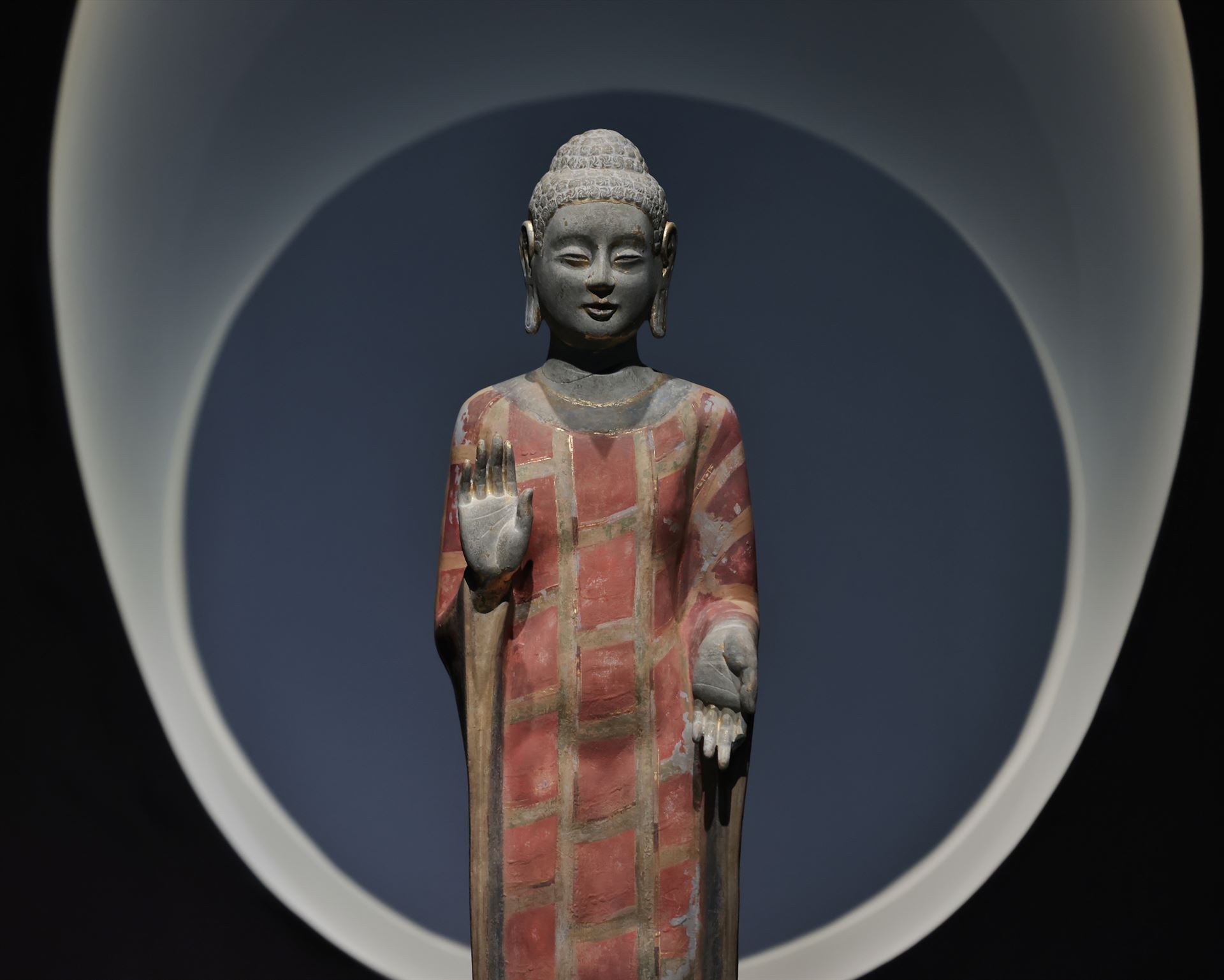
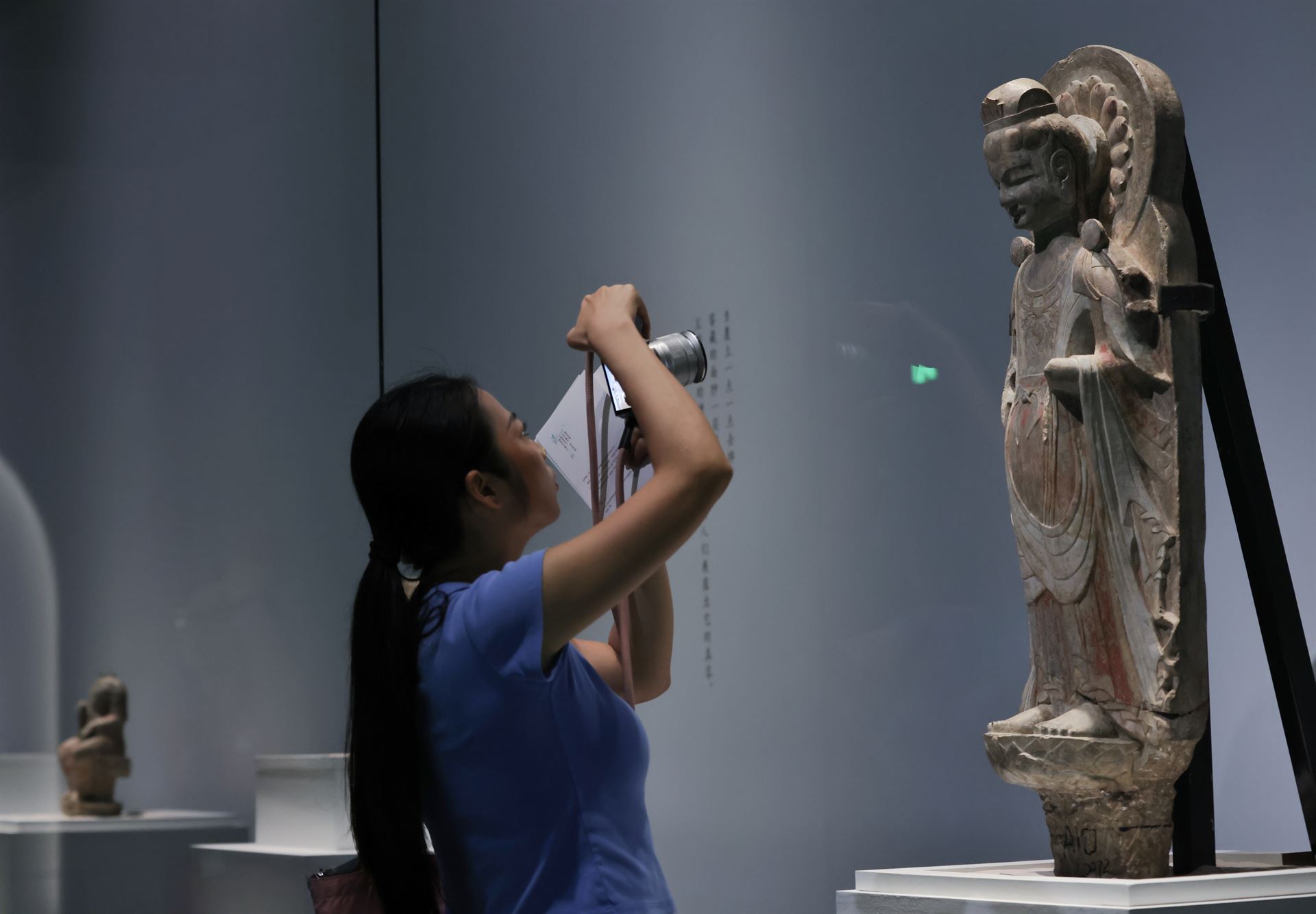
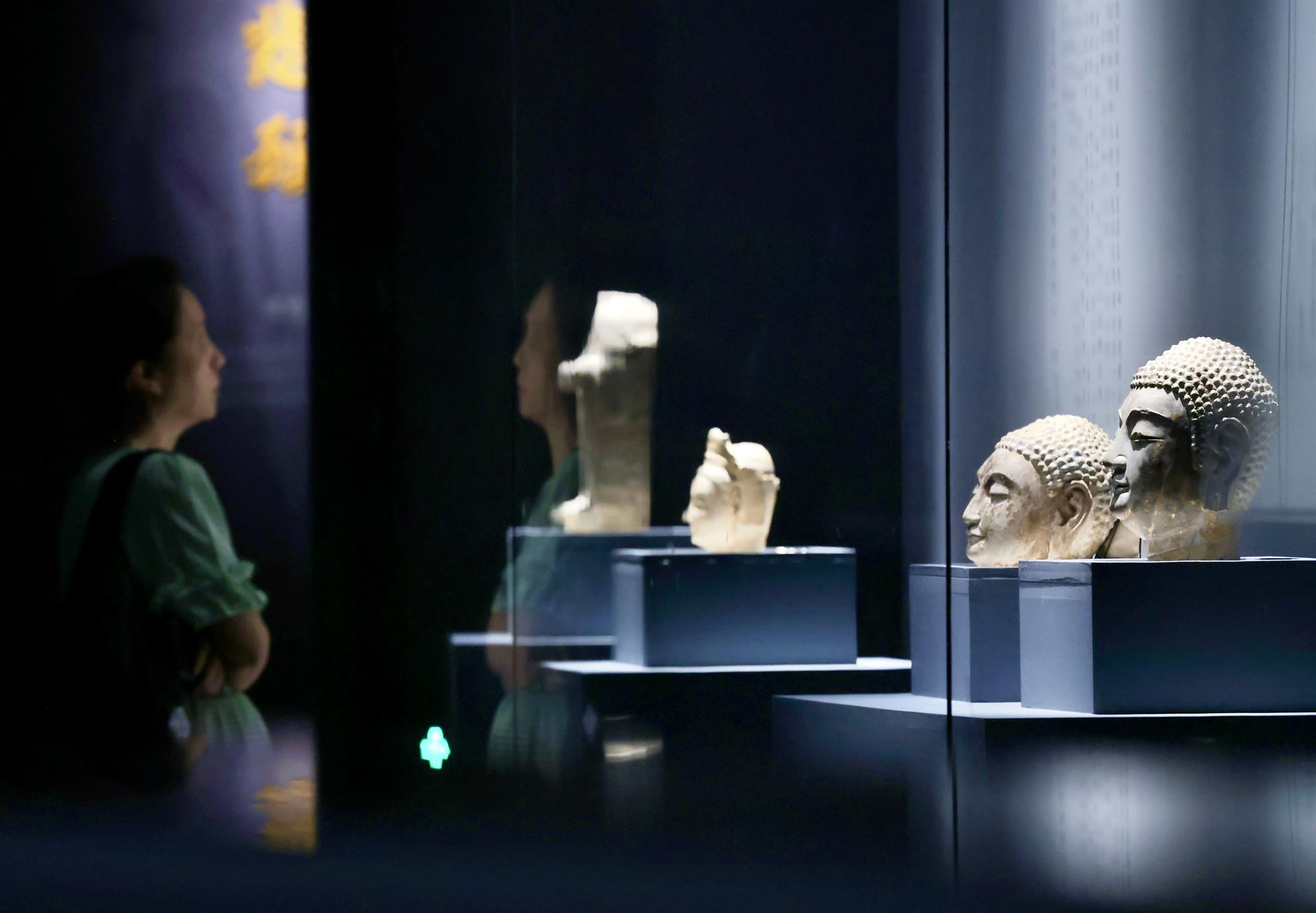
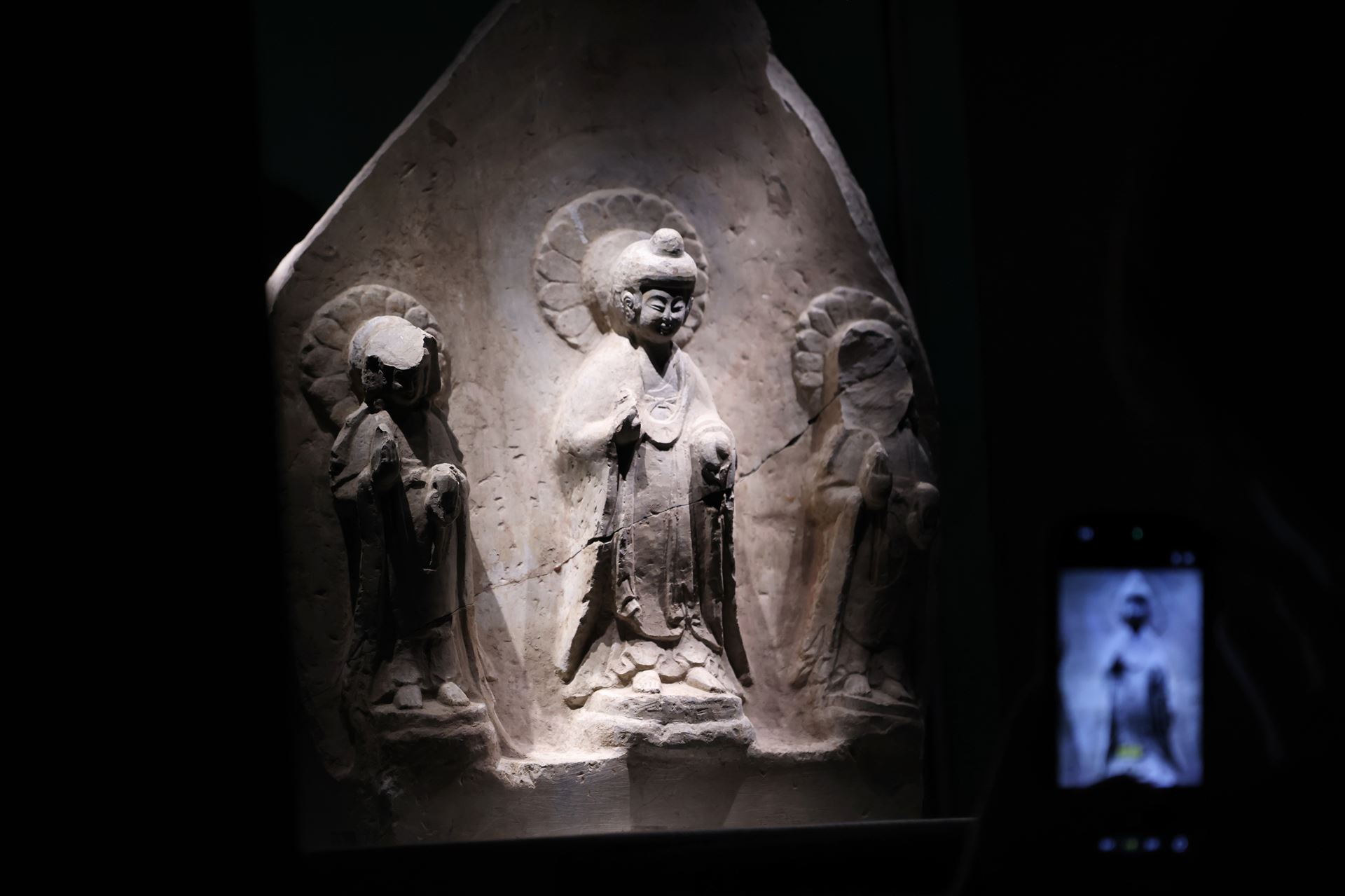
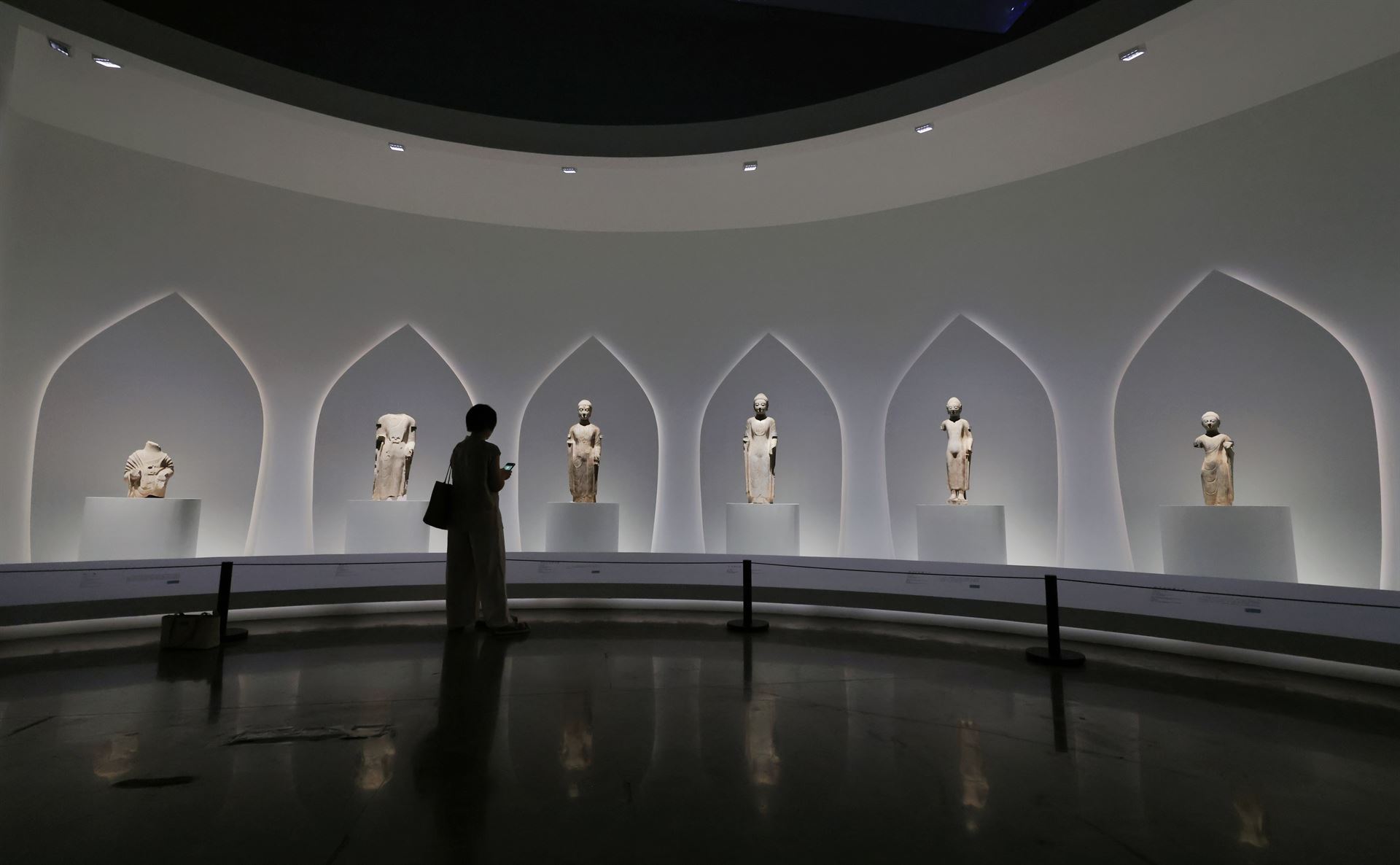
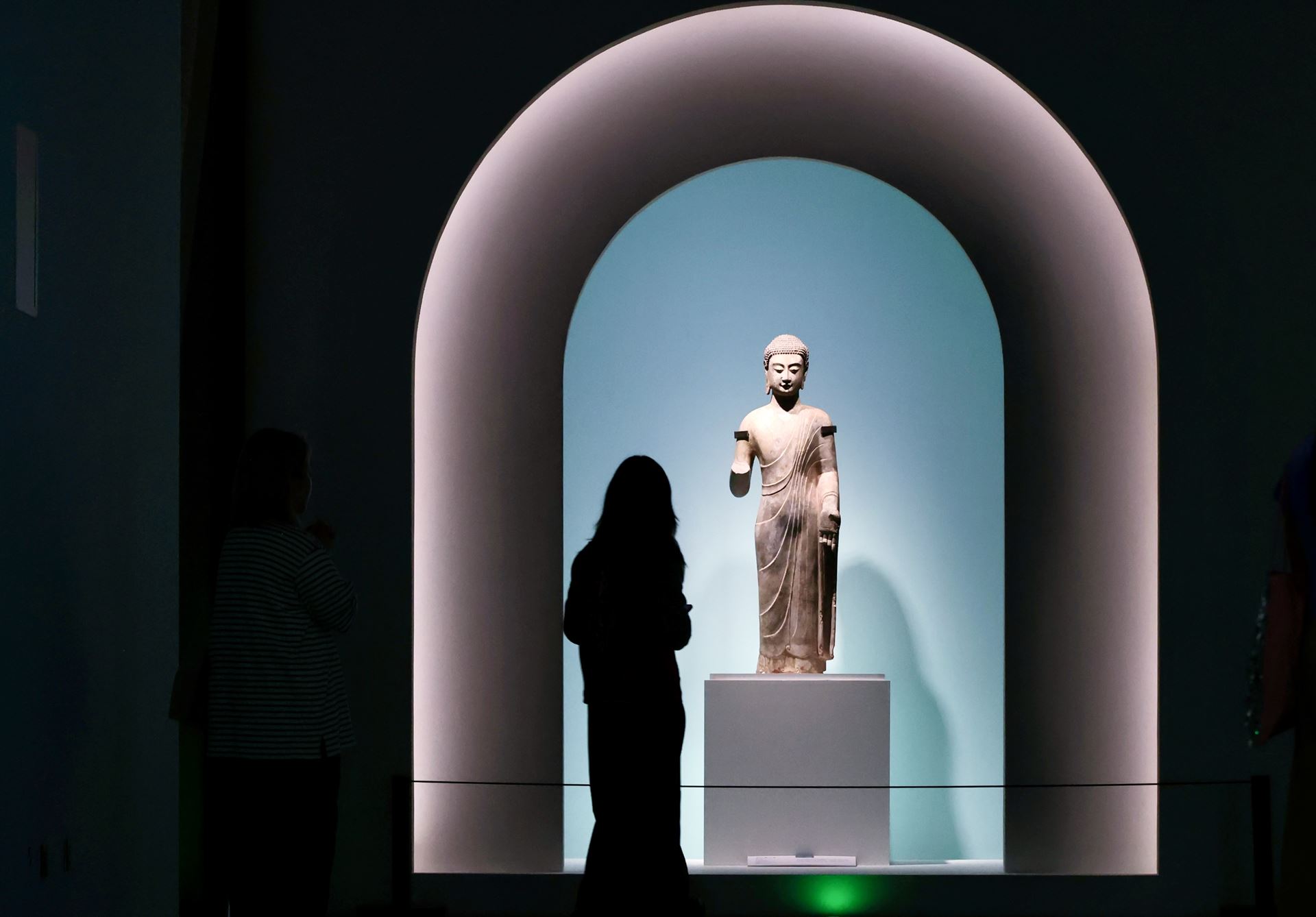
The Qingzhou Smile: Buddhist Images of Qingzhou, China at the Guangzhou Museum of Art will run through Dec 19, bringing together 62 exquisite Buddhist statues from the collections of the Qingzhou Museum and the Zhucheng Museum. Among them, 22 are classified as national first-grade cultural relics.
The pieces span 500 years, from the Northern Wei Dynasty (386-534) to the Song Dynasty (960-1279), illustrating the development and aesthetic evolution of the “Qingzhou style” of Buddhist statuary.
Qingzhou, one of the nine ancient provinces of China, takes its name from the belief that the east corresponds to the wood element, whose color is green — symbolizing vitality. Positioned at a crossroads shaped by the meeting of multiple civilizations, Qingzhou became a hub where diverse artistic traditions converged and blended.
ALSO READ: Sounds of silence
Buddhist statues from this region show a remarkable evolution — from the “elegant and slender” look of the Northern Wei (386-534), characterized by “broad robes and wide belts,” to the “thin-robed, body-revealing” style associated with the Northern Qi (550-577).
This shift reflects the deep integration of foreign Buddhist art with native Chinese aesthetics, which helped Qingzhou Buddhist statuary gain a reputation as the pinnacle of ancient Chinese sculpture art and a vivid testament to the inclusiveness and mutual learning of Chinese civilization.
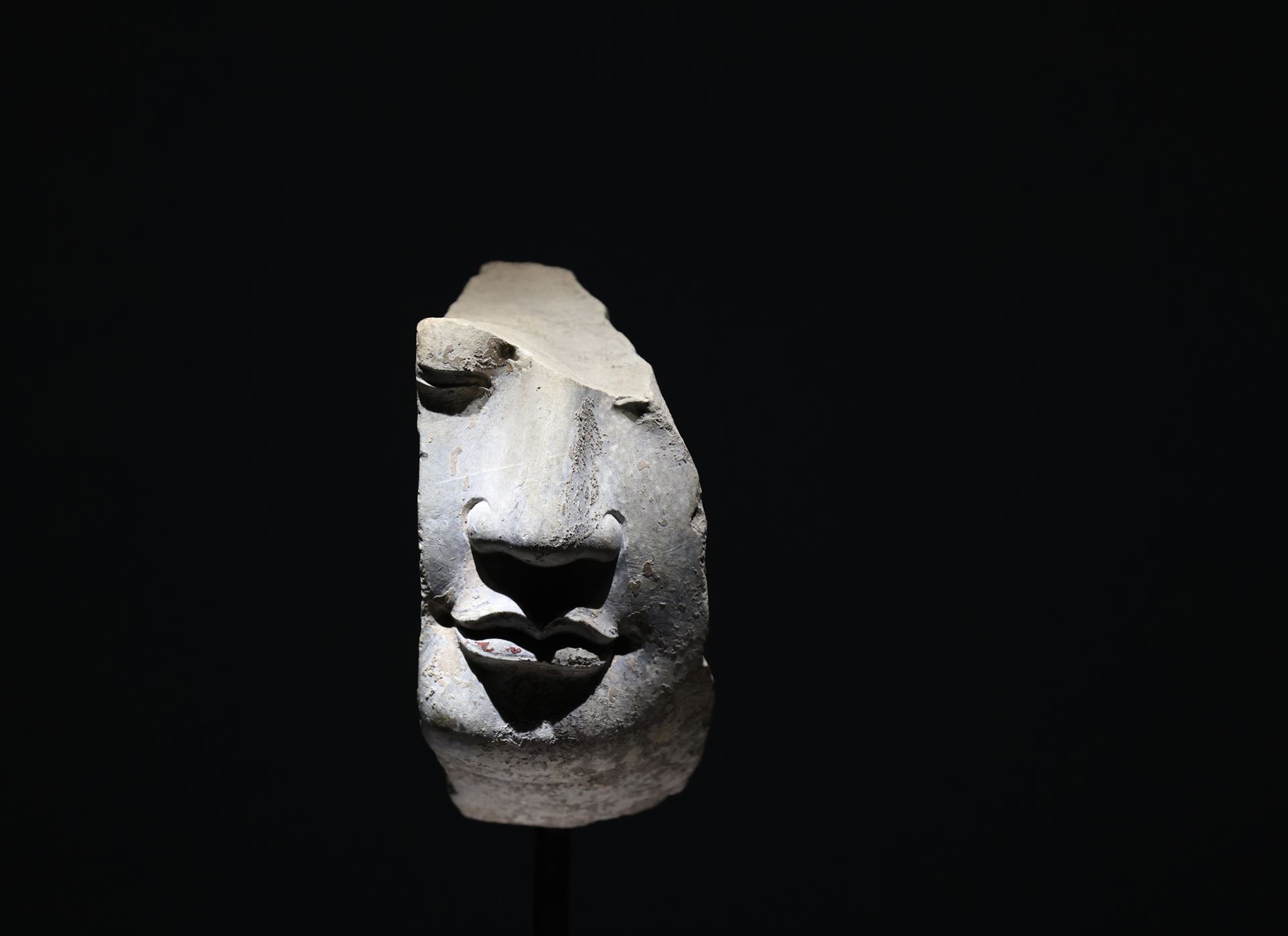
The “Qingzhou Smile” is widely regarded as one of the most recognizable and emotionally resonant expressions in Chinese Buddhist art. The statues feature naturally upturned lips, half-closed eyes, and a calm, introspective demeanor that feels both solemn and warm. This smile emerged during the turbulent Northern and Southern Dynasties period (386-589) — an era marked by warfare and suffering — yet it also came to offer profound spiritual solace in a chaotic world.
Feel the serenity through the lens of China Daily photographer Parker Zheng.