

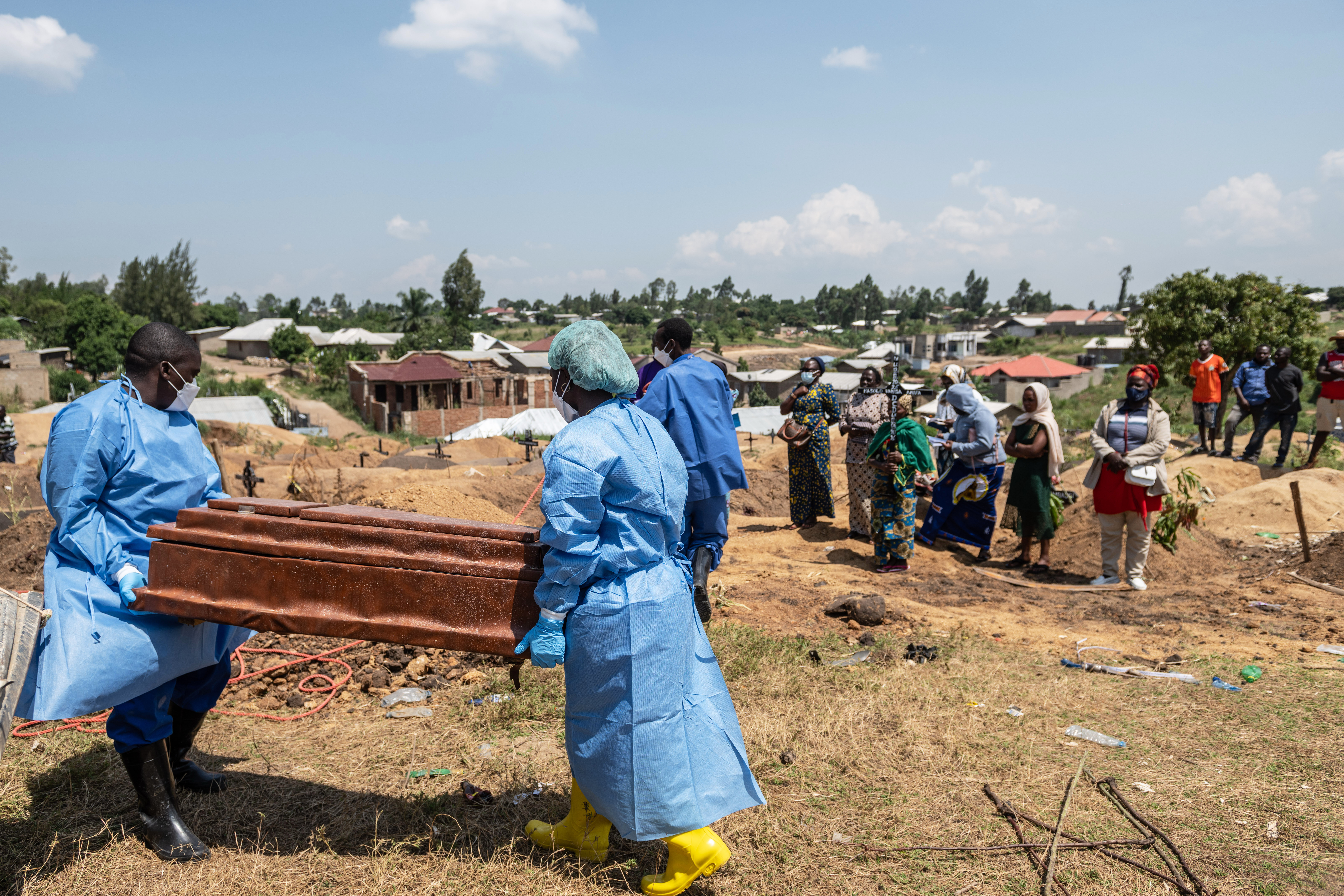
GENEVA/UNITED NATIONS/ADDIS ABABA – A senior official from the World Health Organization (WHO) said on Friday that healthcare workers were among the first people infected when the current Ebola outbreak began in the Democratic Republic of the Congo (DRC).
Speaking via video link from eastern DRC, WHO Emergency Director Marie Roseline Belizaire told a press conference that 75 healthcare workers had contracted Ebola since the outbreak was officially declared on May 15, and 17 of them had died.
"It is a really high price that the system, the healthcare system, is paying, because we don't have enough of healthcare workers in DRC," Belizaire said.
ALSO READ: Uganda: Outbound travel, visa applications don't require Ebola-free certificates
Responding to questions from journalists, she explained that about 90 percent of Ebola patients did not initially show hemorrhagic symptoms. As a result, many people remained at home self-medicating or sought treatment from traditional healers. She also noted that the body of a person who has died from Ebola is more infectious than when the person was alive.
The WHO official warned that the situation remains serious and continues to evolve. New cases are still being reported across multiple areas, highlighting the need to maintain and accelerate response measures. To date, the DRC has recorded 896 confirmed Ebola cases and 232 deaths across 33 health zones in three provinces.
UN: Poor conditions in displacement camps
Overcrowding and poor sanitation in displacement camps in the DRC are heightening the risk of Ebola transmission, the UN Office for the Coordination of Humanitarian Affairs (OCHA) said Friday.
The OCHA said that more than 270,000 people, mostly women and children, are sheltering in over 60 sites across the province of Ituri, many of which lack adequate access to water, sanitation and health services.
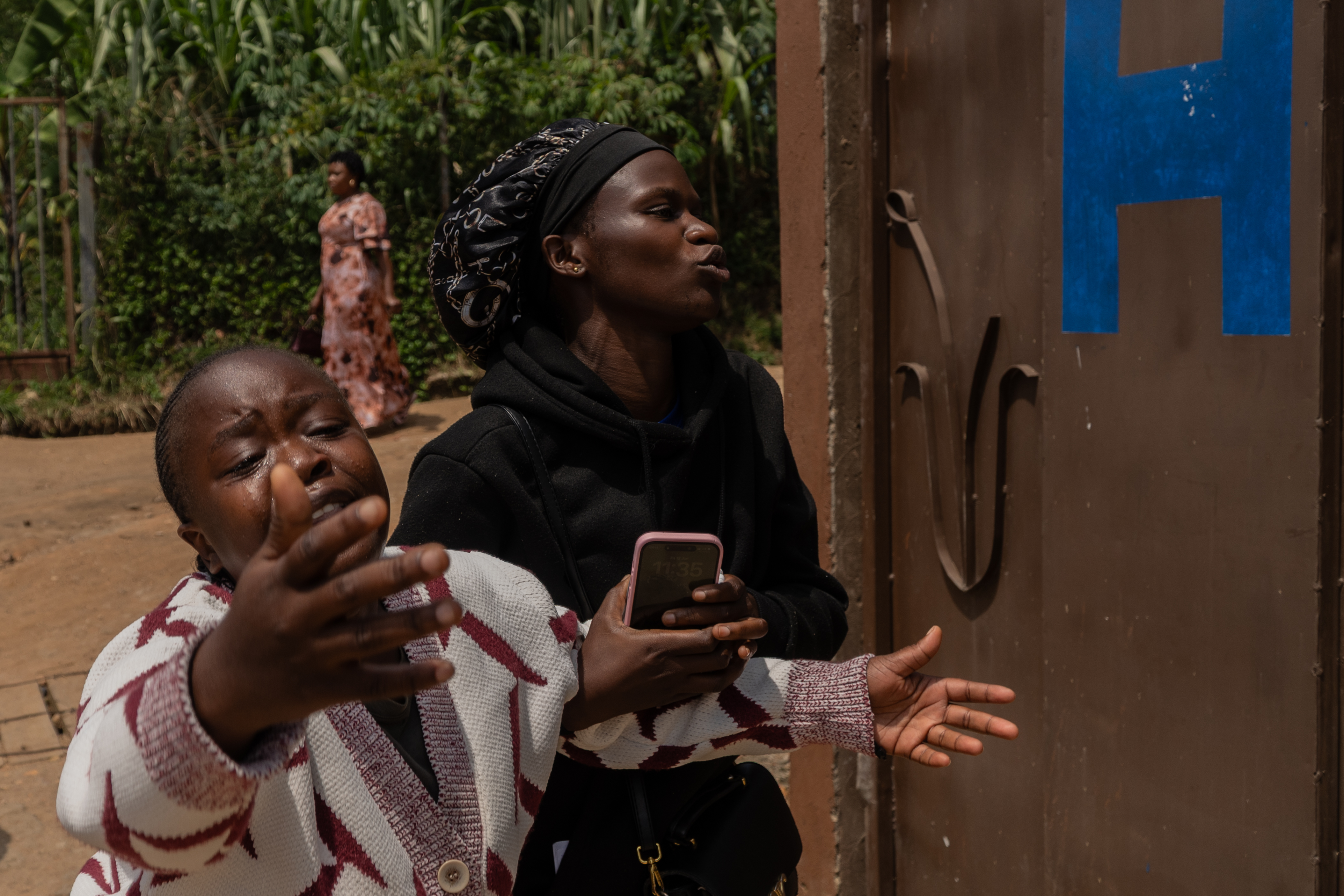
The office said the United Nations has received reports from local partners that, between Wednesday and Thursday, at least 13 people died in two camps in Bunia, the capital of Ituri. Response teams are urgently investigating whether these deaths are linked to Ebola. Since April, at least 62 deaths have been reported in camps around the city.
"These deaths are occurring amid a broader Ebola flare-up in Bunia, where mistrust of health facilities, congestion, gaps in prevention measures and unsafe handling of bodies are driving transmission risks among people in displacement camps," OCHA said. "This is particularly concerning as Ituri province remains the epicenter of the outbreak, accounting for more than 90 percent of confirmed cases."
Africa CDC warns of critical gaps
Despite recent improvements, critical operational constraints are currently undermining the continental Ebola response and preparedness efforts, experts from the Africa Centers for Disease Control and Prevention (Africa CDC) have warned.
During an online press briefing on Thursday evening, Africa CDC officials and experts highlighted positive developments in the ongoing Bundibugyo Ebola response, including improvements in testing and treatment capacity. However, they voiced concerns over critical operational gaps, mainly related to limited contact-tracing capacity, insecurity and insufficient funding.
Wessam Mankoula, operations manager for the Ebola response at Africa CDC, highlighted significant improvements in the ongoing continental outbreak response and preparedness efforts since the DRC declared its 17th Ebola outbreak on May 15.
ALSO READ: DR Congo Ebola cases rise to 782 as outbreak spreads to more health zones
"Currently, there is almost no backlog and testing is conducted within 24 hours," he said, noting that 21,000 tests have been delivered to four countries, including the DRC, Uganda, South Sudan and Burundi, while more than 27,000 additional tests are in the pipeline for delivery to the two affected and at-risk countries.
During a high-level meeting held on Tuesday, African states and key multilateral and bilateral partners pledged a total of around $910 million for Ebola response efforts, he said. He called for the immediate release of the pledged funds to the affected countries and response partners, as only $90 million of the total pledges has been disbursed so far.
Meanwhile, Africa CDC officials and experts underscored that six "critical constraints currently determine whether transmission is interrupted." These include the lack of licensed medical countermeasures for the Bundibugyo Ebola strain, insecurity and armed conflict with attacks on health facilities, as well as healthcare worker infections and deaths, which have become "an emergency within the emergency."
READ MORE: WHO calls for global action to contain Ebola outbreak
Gaps in contact tracing, with only about 12 percent of expected contacts currently under active follow-up, are also considered a critical operational constraint, further compounded by intense cross-border movement and financing gaps.
The Ebola virus is highly contagious and can cause symptoms including fever, vomiting, diarrhea, generalized pain or malaise, and in severe cases, internal and external bleeding.
