

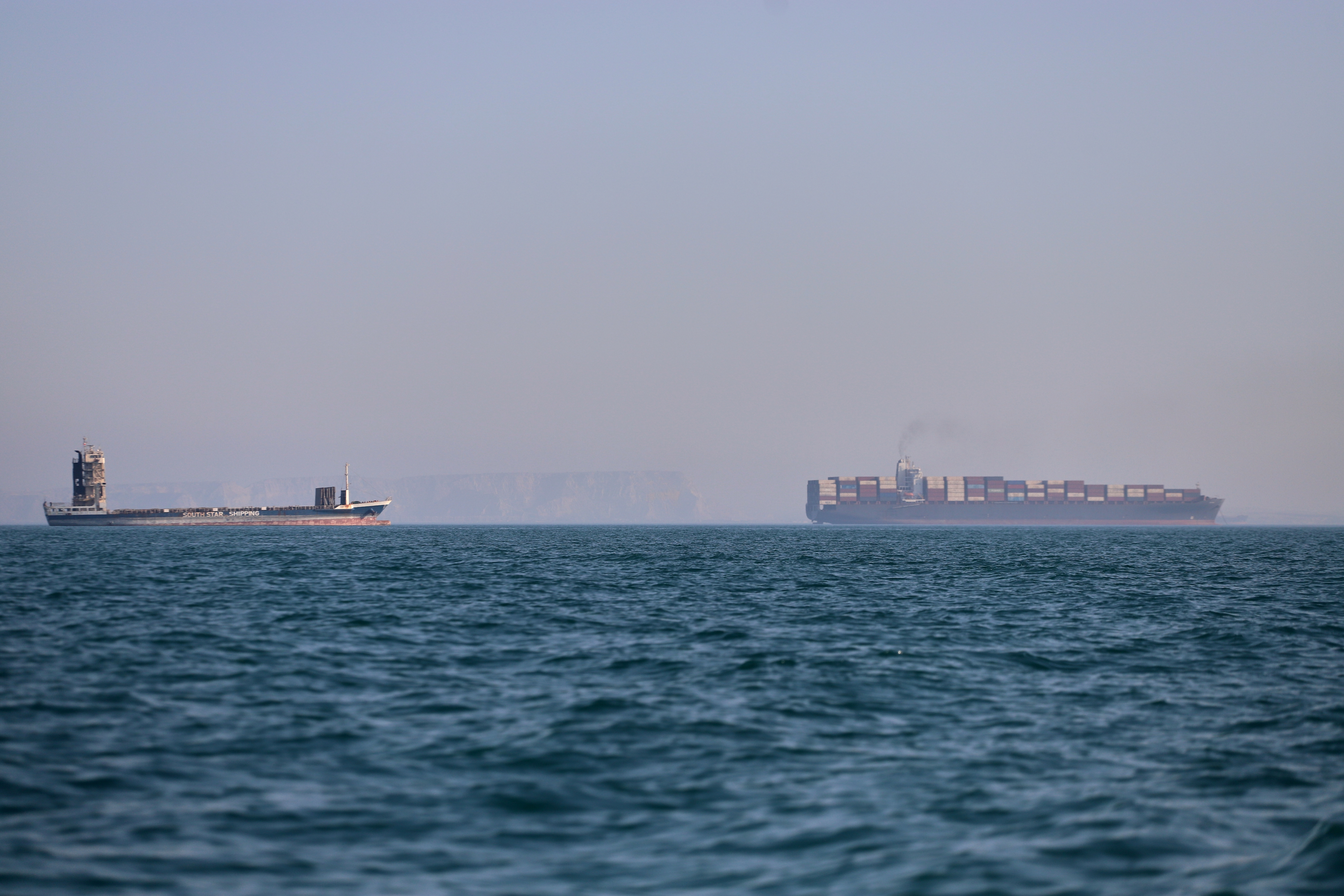
TEHRAN/WASHINGTON - Iran's Foreign Ministry spokesman Esmaeil Baghaei said on Friday that a scheduled meeting between Iranian and US delegations in Switzerland has been postponed, and planning is underway for another one in the coming days.
Speaking to reporters, Baghaei explained that consultations for the next phase of talks are ongoing through mediators, and a new date will be announced once conditions are set, according to a statement by the Iranian Foreign Ministry.
He noted that under the recently signed memorandum of understanding between Iran and the United States, the start of negotiations depends on the implementation of those provisions, including an end to the conflict and military operations on all fronts, including Lebanon, the removal of US naval blockade, the reopening of the Strait of Hormuz for vessel passage free of charge for 60 days, US issuance of waivers for Iran's exports of crude oil, petroleum products and derivatives, and the release of Iranian frozen assets.
ALSO READ: Iran says talks with US bound by Tehran's 'red lines'
Baghaei said that Friday's meeting was originally intended for signing the MoU and discussing arrangements for talks on the final agreement. However, it became "non-urgent", he explained, after Iranian President Masoud Pezeshkian and his US counterpart Donald Trump electronically signed the document early Thursday.
Baghaei denied reports that Iran had invited the International Atomic Energy Agency (IAEA) to inspect its nuclear facilities, saying that under the MoU, negotiations on Iran's nuclear program are scheduled to take place within 60 days, provided prerequisites are met.
He said that under the MoU, Iran will maintain its current nuclear status quo, limiting IAEA inspections to facilities like the Bushehr Nuclear Power Plant. Access to sites previously denied due to the US and Israeli attacks will hinge on the negotiation process and its outcome, he added.
Trump eyes final deal in 60 days
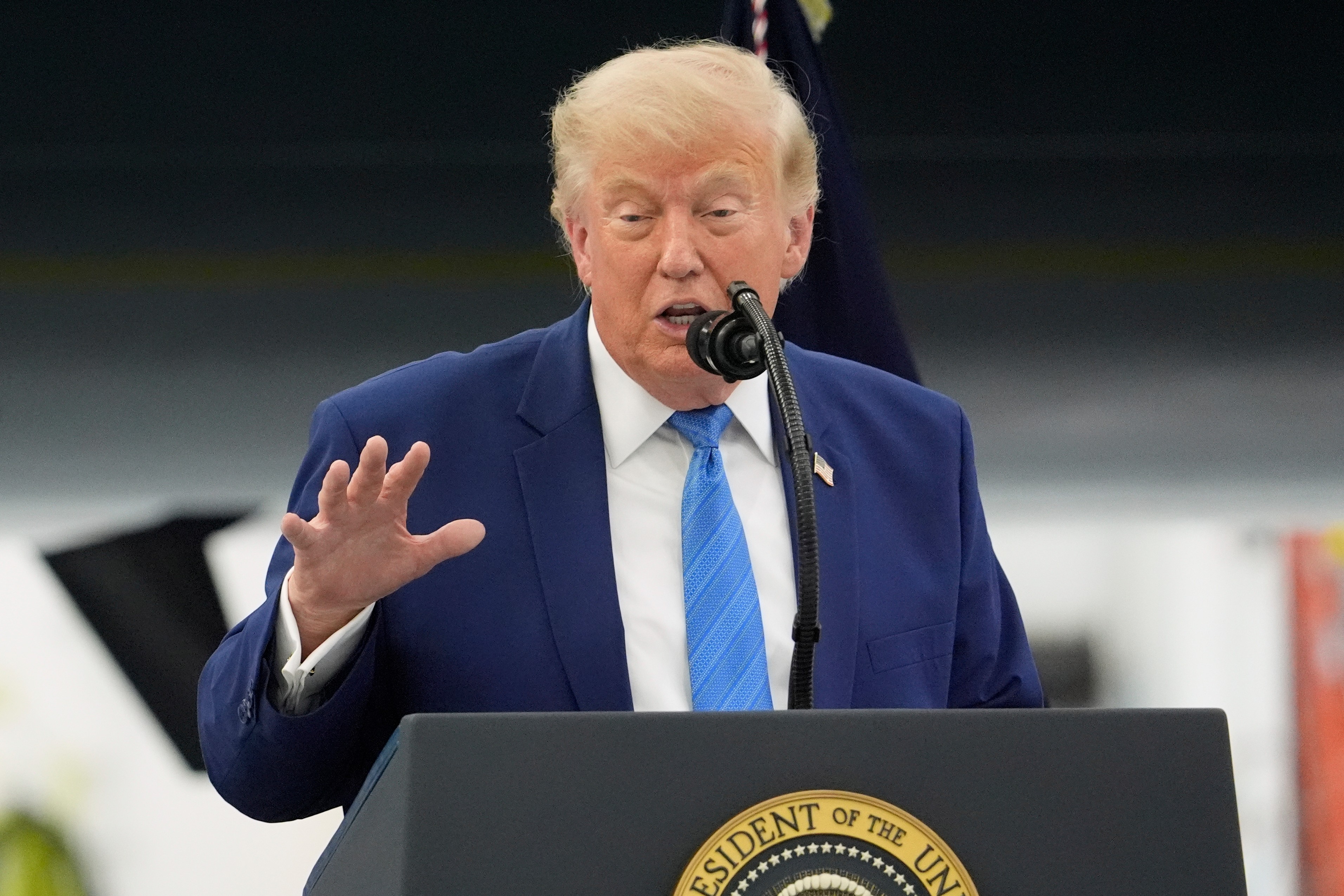
In Washington, Trump said Friday that he expects Iran to agree to a final deal within 60 days of the signing of the MoU.
If no deal is reached within 60 days beginning Thursday, "we will do things that won't make them happy," Trump said at Joint Base Andrews in Maryland. "But I don't think it's going to get to that."
The text of the MoU states that the two sides commit to negotiating and achieving the final deal in maximum 60 days, extendable with mutual consent.
US-Iran talks scheduled in Switzerland on Friday have been postponed, with neither side offering an official explanation. Multiple media reports said that Iran withdrew from the talks in response to the latest Israeli strikes in Lebanon.
Earlier on Friday, Trump told NBC News that he had spoken with Israeli leaders and urged them to agree to a ceasefire with Hezbollah.
"It's a positive," Trump said in the phone interview. "It's a little icing on the cake." The US State Department said that a new round of talks between Israel and Lebanon will be held in Washington, DC next week.
Iran, the United States, and Pakistan early Monday announced the finalization of the MoU on ending the conflict in the region on all fronts, including Lebanon, following weeks of negotiations.
Iran issues new procedures for Hormuz ships
In a post on social media platform X, Iran's Persian Gulf Strait Authority (PGSA), the body responsible for maritime traffic in the Strait of Hormuz, announced on Friday new procedures for vessels seeking passage through the waterway, including a requirement that transit requests be submitted at least 48 hours in advance.
The PGSA stressed that only vessels that comply with the requirements will be "cleared for passage promptly".
The PGSA said passage requests must be submitted exclusively through its website and email address, and must include vessels' "valid and accessible" contact information.
ALSO READ: Tehran: Iranian, US presidents sign peace MoU digitally
To avoid delays, vessels are required to submit passage requests and necessary information "at least 48 hours prior to arrival at the strait area", it said.
The PGSA also announced that, during the 60-day period specified in the newly signed Iran-US MoU, ships will be exempt from charges related to passage through the strait. Costs associated with security, safety and environmental services, as well as related Iranian insurance requirements, will be covered by the Iranian government.
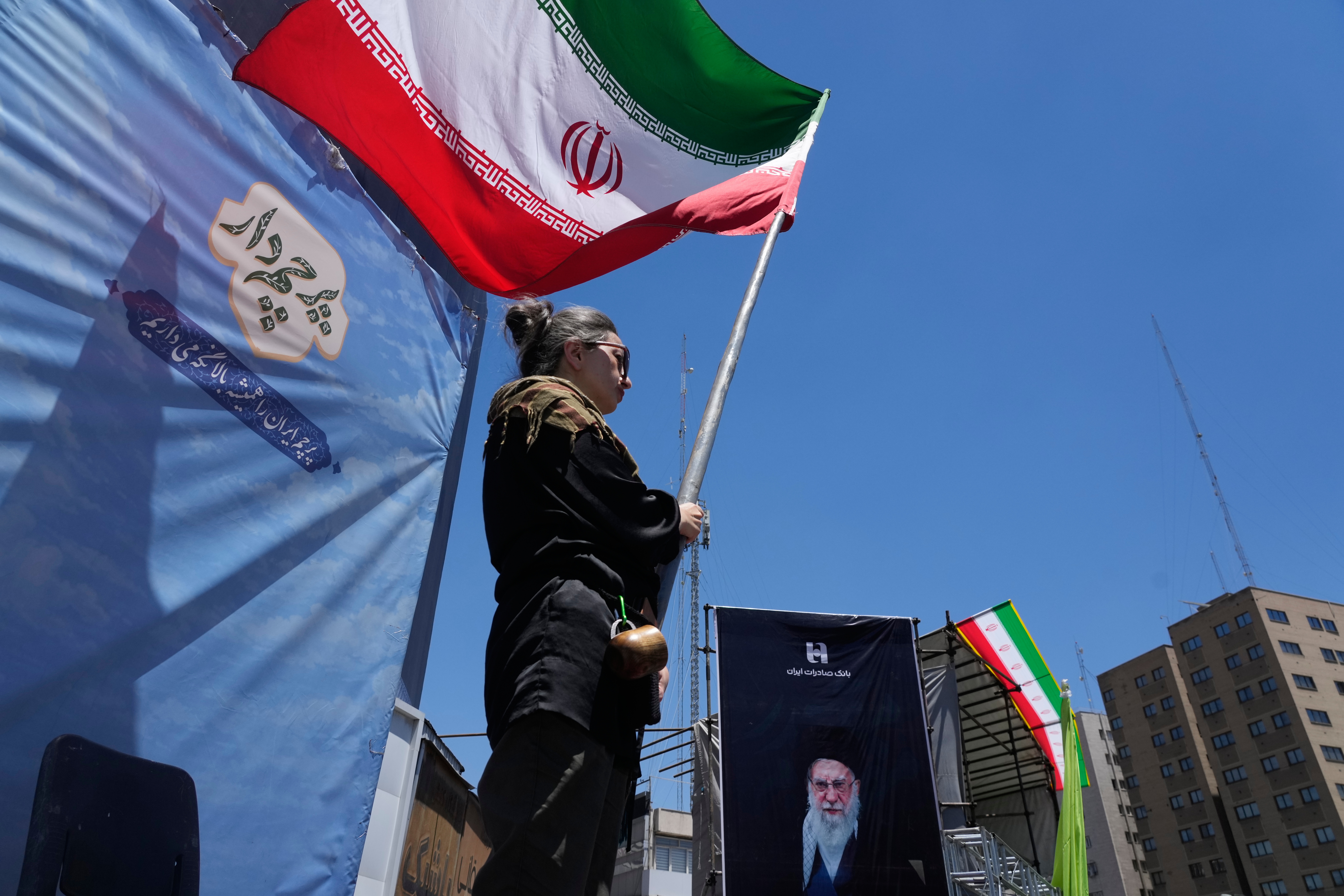
Vessels must coordinate with Iranian authorities in advance regarding the designated route and time of crossing the Strait of Hormuz, it said, adding that vessel owners will bear responsibility for any failure to comply with the regulation.
The announcement came a day after Iran's Supreme National Security Council (SNSC) issued an order for the swift handling of requests by vessels for passage through the Strait of Hormuz in line with the Iran-US MoU.
READ MORE: US to create plan for Iran's rehabilitation with $300b in financing
According to the SNSC, under the MoU, no fee will be charged for 60 days for passage by ships requesting to cross the Strait of Hormuz, and all the expenses will be covered by the Iranian government.
On Feb 28, Israel and the United States launched joint attacks on Tehran and other Iranian cities. Iran responded with waves of missile and drone attacks targeting Israel and US bases and assets in the region, and tightened its grip on the Strait of Hormuz, barring safe passage of vessels belonging to or affiliated with Israel and the United States.
